Liliana Villaseñor
Sound
Biography
Liliana Villaseñor is a production Sound mixer specializing in fiction and documentary filmmaking. Over more than a decade working in the audiovisual industrial, se has collaborated on productions filmed in Mexico, Brazil, Guatemala and Paraguay consolidating a practice that combines technical precision with an ethical and narrative approach to sound. Her work was recognized with the Ariel Award for Best Sound in 2024. Her experience ranges from feature films with complex technical demands—such as long takes or shoots under extreme environmental conditions—to intimate projects where sound operates as a language of closeness and care. In addition to her fieldwork, she has developed a critical line of thought around cinematic sound as a narrative and political device. She has given masterclasses and talks at film schools and independent training spaces, where she proposes sensitive methodologies for capturing direct sound. Her approach stands out for linking technical practice with a reflection on the role of the body, listening, and memory in cinematic processes. Her work engages with a tradition of committed cinema that understands sound not only as a record, but as an expressive field capable of articulating emotions, social tensions, and forms of resistance.
Known For

In 1970s Mexico City, two domestic workers help a mother of four while her husband is away for an extended period of time.
Roma

Three women join forces to prevent a sexual harassment complaint against a renowned movie director from coming to light. This controversial mission will take them to the doors of a feminist group named La Aldea, which will take them on an inward journey to heal their patriarchal wounds.
The LIberation

Archival video and new interviews examine Mexican politics in 1994, a year marked by the rise of the EZLN and the assassination of Luis Donaldo Colosio.
1994

Miriam teaches sign language in the mornings and is part of a professional theater production in the afternoons, maintaining a stable and passionate relationship with her girlfriend Lola. Although her life is very much connected to the routine of a deaf person, her world begins to crumble when she discovers that she is losing her hearing.
All the Silence

The case of Héctor Rángel, who disappeared in 2009. Through various testimonies, primarily that of the Rangel sisters, the investigation explores violence, lawlessness, and ethics in mexican society.
Anatomía del mal: El caso Rangel

As every year, the Los Pinos school, a prestigious school of the confessional type, sends its students on retreat to the countryside. Under the watchful eye of teachers and priests, the children are led on the path of their physical and moral development. Through the gaze of several middle and upper class teenagers, the film shows how their upbringing affects the future of society itself.
The Hole in the Fence

Will trees save the planet? That is the promise made by many public policies, timber companies, NGOs, and multinational corporations. With deforestation accelerating and CO2 emissions reaching record levels, planting trees is presented as a common-sense solution to the ecological disaster. But is it really that simple?
Planter à tout prix - Des arbres pour sauver la planète ?
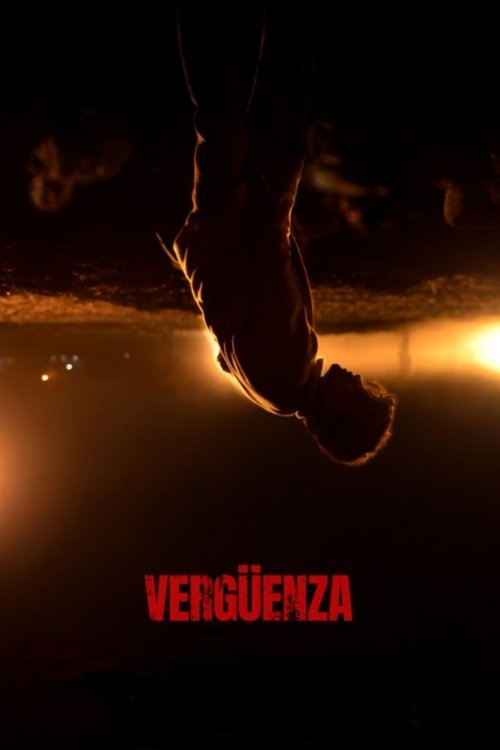
On their way back home from a baseball academy’s tryouts, Pedro and Lucio are taken hostage and turned over to a criminal group. The teenage friends are forced to fight each other to death; Pedro defeats Lucio and manages to escape. Pedro receives help and refuge with Lucio’s family and he witnesses the family’s collapse and pain. Pedro is tormented with guilt and fear, he cannot tell his friend’s family the truth.
Shame

"El Grillo" trains with his best friend "Espinas" and other young boxers. The dynamic of the gym is altered when "El Grillo" brings his little newborn baby, alias "La Chapulina".
El Grillo

While away in Mexico, Karine and Estelle witness the preparation and rejoicing of the “Day of the Dead”. Inspired by the beauty of the ritual and the fine spiritual humor of their hosts, they will soon learn to see their sister’s recent tragic death in a more light-hearted manner.
Apapacho: A Caress for the Soul

Jair Soria, famously known as "Shocker," was a central figure in Mexican wrestling's last golden age, becoming one of the sport's most iconic and prolific stars. At the peak of his career, however, his rise to fame took a dark turn as personal demons and addictions began to unravel both his life and the larger-than-life persona that made him a legend. Now locked in a battle not against rivals in the ring, but against himself, Shocker faces a daily struggle for redemption as he fights to reclaim his identity and confront his inner turmoil.
Who Killed Shocker?

When she is fired from her only job in a series of infomercials, Amanda, an actress with little talent and whose film career is forgotten, decides to resume her career in the midst of an economic crisis that leads her to a questionnaire about her vocation, but also, that the shore to rethink its responsibility as the mother of Nicolás, a 7-year-old boy to whom she had not paid much attention until then.
Honest Days

Rodrigo is a solitary teenager, a king in the private world he shares with his mother. Things change when she takes her new boyfriend home to live. He must decide if he fights for his throne and crushes the happiness of the person he loves the most.
Summer White
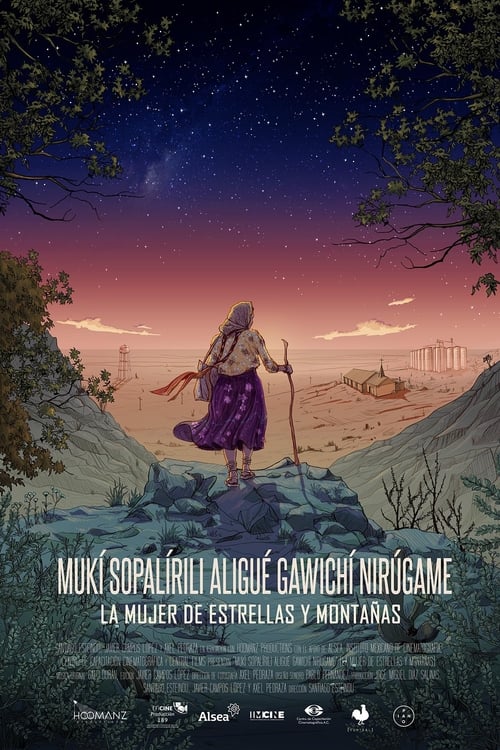
Rita Patiño, an indigenous woman from Mexico, was found by a human rights organization inside a Kansas psychiatric hospital, where she had been involuntarily confined, for 12 years, despite the fact that the hospital authorities were never able to determine who was this woman, where did she come from, or what language she spoke. After the consequences of confinement and medical negligence, Rita returned to Mexico, where she lives with Juanita, her niece, and primary caregiver, in a context of precarious economic possibilities. A moving portrait of the lives of these two Tarahumara women, questioning the multiple forms of racism and discrimination that indigenous women in Mexico and the United States face.
The Woman of Stars and Mountains

Young Benjamin is having trouble adjusting to barbed wirework. Waiting for days to the Mennonite chief but the wait is very long. The other workers, César and Genaro, begin to feel that the Paraguayan Chaco is getting strange and tiring.
Boreal

Paloma and Amaru have an almost perfect relationship – until Søren appears and turns everything upside down.
Søren
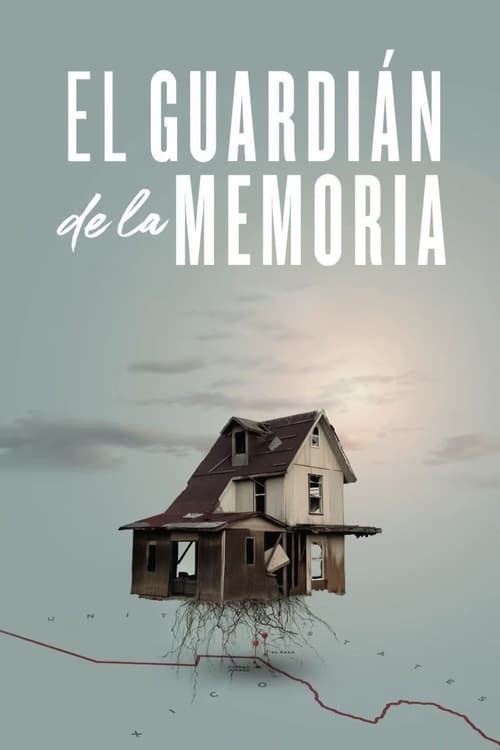
According to the International Institute for Strategic Studies, Mexico became one of the deadliest conflict zones in the world in 2017, second only to Syria. In 2008, the Mexican government sent the army to Chihuahua on the Mexico-Texas border to fight drug traffickers. What seemed like an attempt to control the cartels turned into state-sponsored disappearances and the murder of journalists, human rights activists and civilians. The survivors and those threatened by the conflict pushed at the unwelcoming border of the United States, hoping for asylum. With stunning visual poetry, director Marcela Arteaga weaves together a record of their memories told over the backdrop of the once-vibrant landscape of the Juarez Valley. She also highlights the extraordinary work of Carlos Spector, an immigration lawyer born in El Paso, Texas, who fights to obtain political asylum for those Mexicans fleeing violence.
The Guardian of Memory
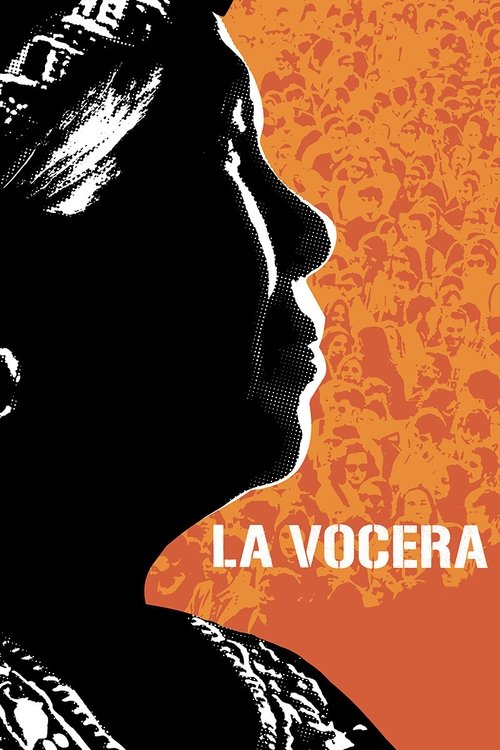
The Spokeswoman narrates the trip of María de Jesús Patricio, the first indigenous woman to run for president in Mexico, revealing the nature and complexity of racism and gender discrimination in a changing society.
The Spokeswoman
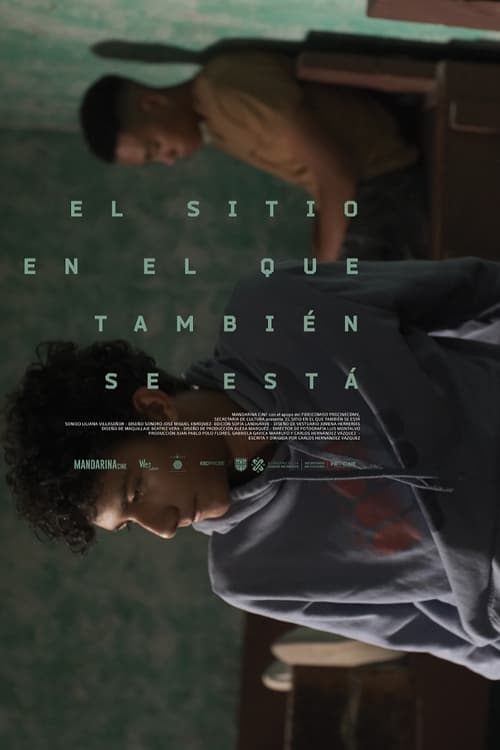
Sebastián is from Venezuela and arrives at a shelter for migrant minors in Mexico City. There he meets Aurora, a girl from Guatemala, with whom he falls in love. Both are waiting for a response to their asylum application. Time is running out and the farewell is inevitable.
El sitio en el que también se está
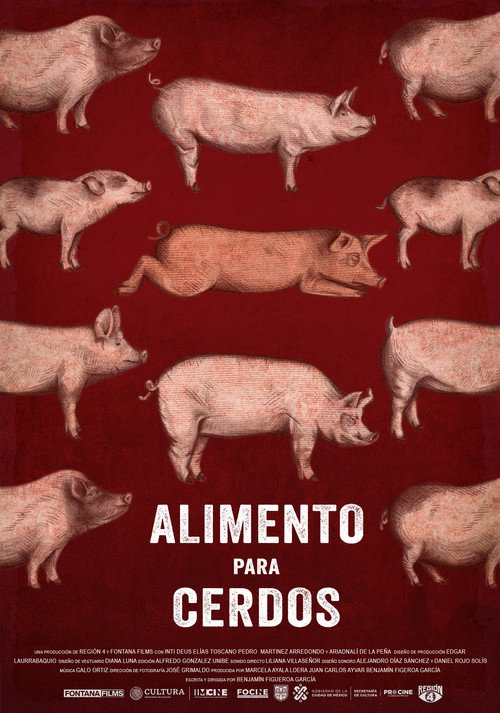
When Emilio's pig falls ill, he seeks help from the veterinarian, only to be told that nothing is wrong and that the pig should be put down. As he follows through, Emilio uncovers a deeper truth—that his pig isn't the only one hiding something.