Directing
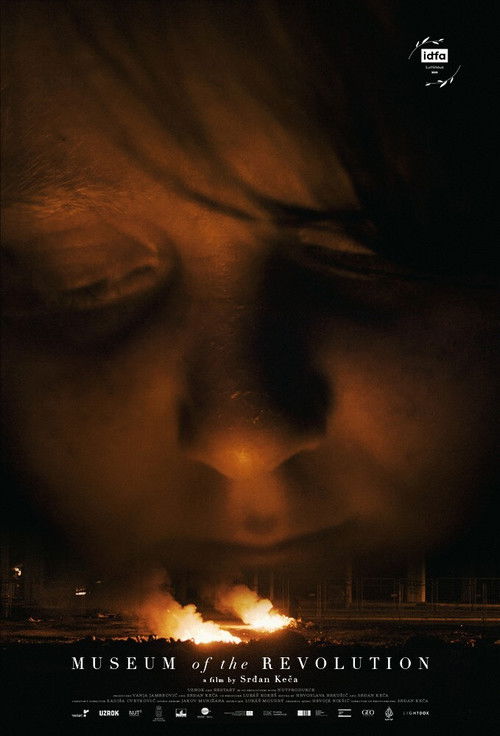
The Museum of the Revolution in Belgrade is actually a building that remained unfinished for 60 years and 'inhabited' only by the homeless and marginalized. The director observes the precarious (but proud) daily life of a girl and her mother around the symbolic ruins of a utopia.
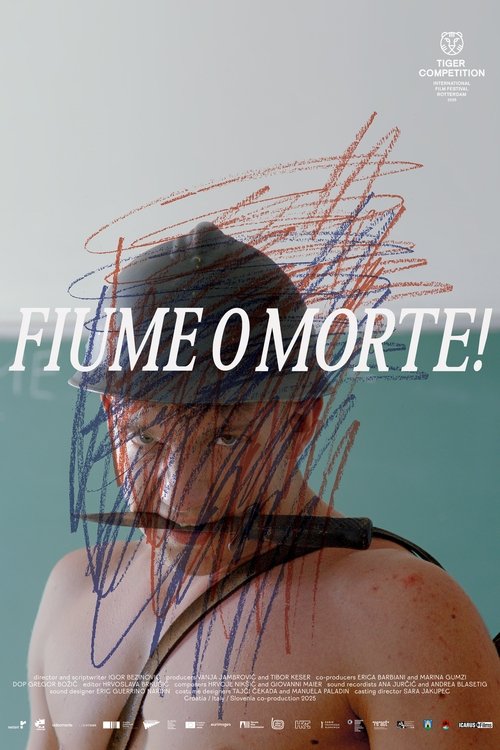
Through dramatic reconstruction and documentary asides, the spirit of Italian poet, playwright, journalist, aristocrat and army officer Gabriele D’Annunzio is captured, presenting the nascent fascism in his attempts to forge a new state in the aftermath of the First World War.
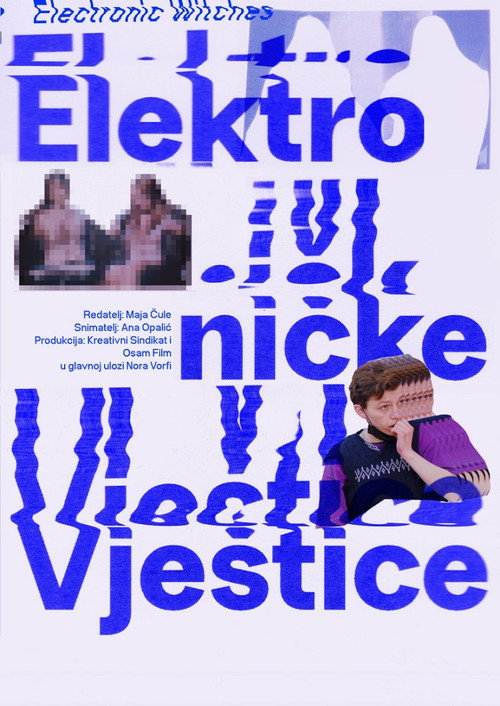
Neda moves from Croatia to New York and struggles to find a new home despite being far away from her estranged father, the only family she's ever known. Things seemingly change when she discovers Electronic Witches, a fictional queer internet bad whose music begins to create solace for her loneleyness. Her enjoyment quickly turns into obsession which seemingly transports them band from the wavelengths of the Internet into our world.
Presented in the form of a series of fictional letters sent from Nina Kurtela to Aki Kaurismäki read against a backdrop of atmospheric exterior shots, Dear Aki is an experimental visual-narrative essay on the nature of identity, nationality and belonging in the globalized world.
The tavern "Jablan" existed in the 1980s and was located in a small village, Jugovo Polje, in Croatia, SFRY. "Jablan" was a symbol of "brotherhood and equality" for its owners, guests, musicians, and waiters. It was a place where people of different generations and education gathered - from workers and peasants to doctors, even music and sports stars of the '80s, it was a place where nationality and religious affiliation played no role. Nevertheless, the first shooting between Serbs and Croats took place in "Jablan", which heralded the war in Croatia and ended "Jablan's carefree days". The film protagonists reconstruct the events, from the day the tavern was created, to its destruction, witnessing how a place of love and joy became an object of hatred and destruction within a few months.
Twelve 5-minute TV episodes about small Croatian towns and villages in which residents speak in strong dialects or foreign languages. The series includes episodes about Momjan, Gornja Stubica, Tounj, Vrboska, Zdala, Susak, Prezid, Bol, Susnjevica, Strigova, Blato and Lokve.
Slides of mountains found at Zora Film, a company that produced educational films in the 1950s. Intended to be used as visual tools during geography classes, are reanimated through various digital and analogue techniques.
In the interior of the island of Brač, a group of women lives in an unusual off grid community. They do not believe in private property or hierarchy, they manage the community by direct democracy, share the land, they grow and forge plants trying to be autonomous as much as they can. They are plagued by drought, lack of water and resources, as well as climatic changes. Each of the members of the community has escaped from a past life and together they are trying to build their own small self-sustaining oasis. But when the question of registering ownership in the land register is raised, the very survival of the community comes into question.