Crew
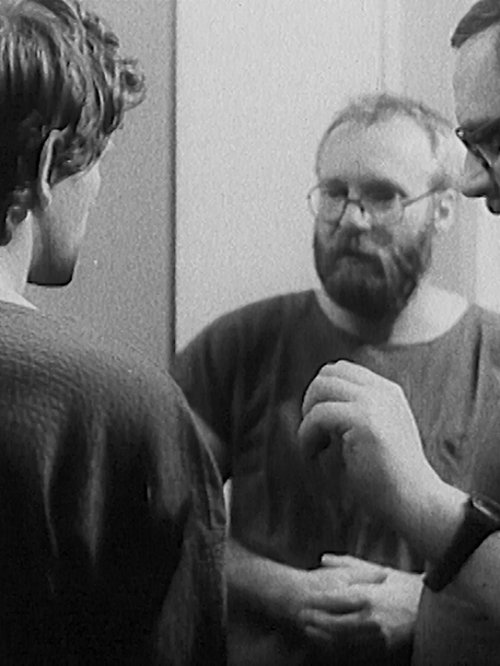
Eberhard Kunstmann, a shipbuilder at the Neptune Wharf in Rostock, counsels collegues who are struggling with alchohol addiction.
The life stories of four people struggling with alcohol addiction allow for conversations about the apparent "normalcy" of alcohol and the subsequent difficulty of recognizing it as a potentially dangerous drug. The documentary stresses that alcoholism is a disease which must be treated medically and socially. Instead of turning a blind eye to others' problems, it is important to realize that people of all ages, genders, and social backgrounds can potentially be affected and that both the individual and society share responsibility for preventing relapse to alcohol abuse.
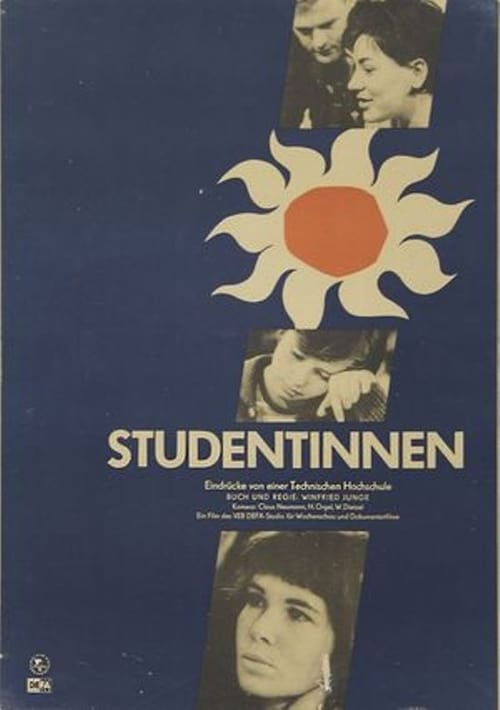
Young women made up only five per cent of students at the technical college in Ilmenau. The film devotes itself of this particular situation by conveying impressions of the women's everyday lives.
During the Nazi era flames were used to burn books, homes and people. Flames were a response to resistance. With the help of source documents from the time Weiss sketches a character portrait of German fascism.
The documentary shows historical film footage from the workers' and farmers' faculties (ABF) of the GDR, which existed until 1962 and were intended to help level out class differences in the education sector by preparing mainly workers' and farmers' children for a university career.
Documentary on the moving of 108 families of the village Mücheln, because of lignite mining in the area.
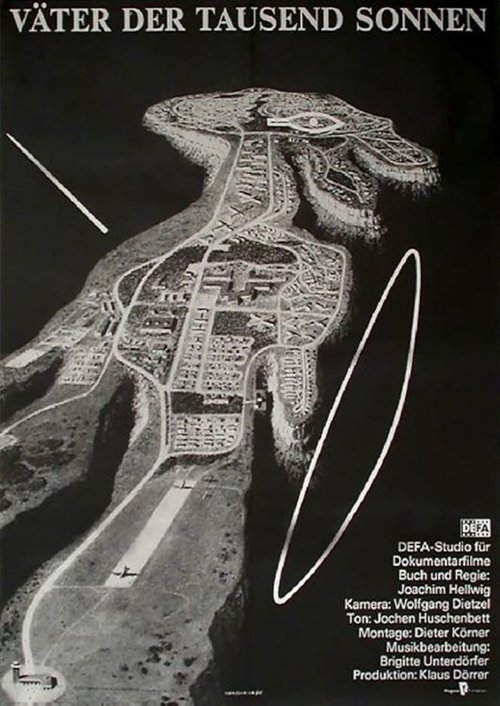
This documentary details the life of Klaus Fuchs who was a spy for the Soviet Union while working on nuclear research in the United States and Great Britain. It also discusses the contributions of German scientists to the atomic bomb.
This black and white documentary follows Ewa from Witunia and other girls from Poland, who work at Kabelwerk Oberspreee in Berlin since about a year. The movie tries to find out how the young women feel living in the GDR, working with their german colleagues. Ewa is critical and tries to fight widely spread prejudices about Polish and German people alike and she also speaks out about injustices at work.
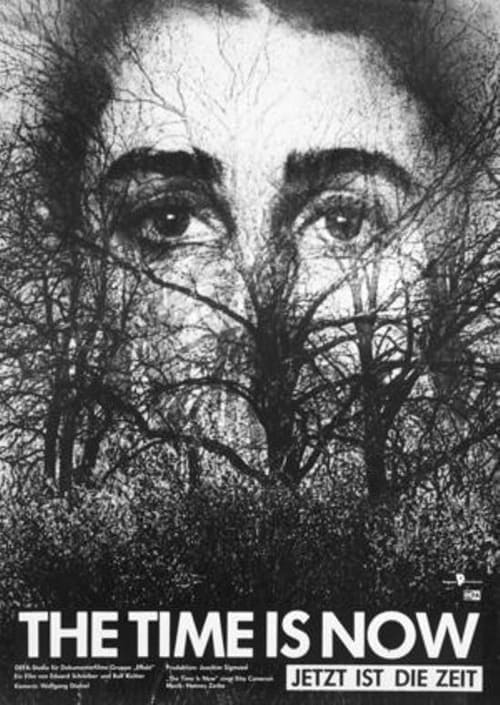
A film on the subject of peace. The authors' discussion partners, who contribute their own reflections and assessments to the film, are the translator Georgia Peet, the toxicologist and chemist Prof. Dr. Karlheinz Lohs, the pastor Jan Laser, the stonemason Ralph Jeremias and Major General Hans Unterdörfel.
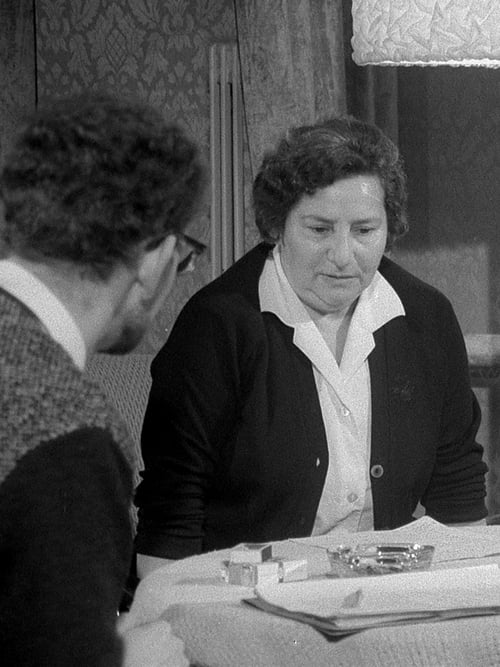
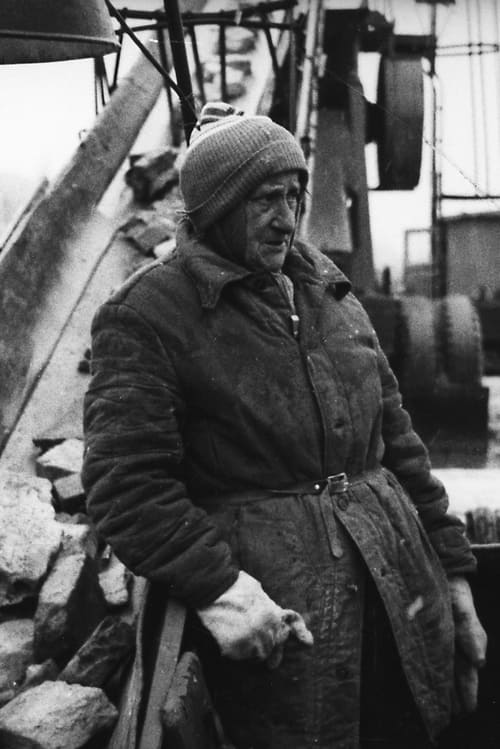
Martha Bieder is the last rubble-woman in Berlin Rummelsburg. Every day, rain or shine, she stands at the conveyor belt - as she has for decades - sorting through rubble. After a retirement party thrown for her by her male colleagues, she tells her story of being a rubble-woman in post-war Germany.
Experimental film