Writing
The full-length documentary is a story about painter Biruta Delle, who is of the so-called “Uncensored” generation in Latvian art. It is a story of loneliness and nonconformism, and great talent that dramatically eats up everything else in a her life... but Biruta Delle continues to paint, becoming increasingly isolated from society.
'Žagari' traces the lives of Andrejs and Juris Žagars, brothers from the city of Cēsis, who both became distinguished in the arts as actors and administrators of art institutions, while both also found success as entrepreneurs. The original plan of the filmmakers was to show two strong personalities with their characteristic relationship and rivalries. However, fate intervened during the filming process, transforming the result into a powerful and touching portrait of brotherly love and the importance of family ties.
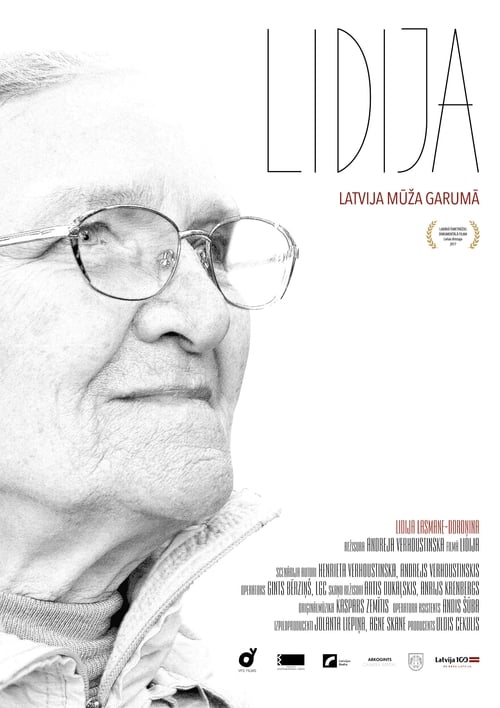
A person’s face and eyes preserve experience better than any document or recorded memoir. Particularly if a person has experienced as much as the well-known dissident Lidija Lasmane-Doroņina. Actually, she does not even think of herself as a dissident. She received her three terms in prisons and labour camps – fourteen years in all – as punishment not for underground struggle but for daring to remain true to her principles, convictions and faith. The ideals Lidija obtained as a child – the idyllic image of Latvia as an independent country, strong family values and faith in God as a moral measuring stick for any action. Her eyes are bright even today, at the age of 91, and they look at this world full of life.
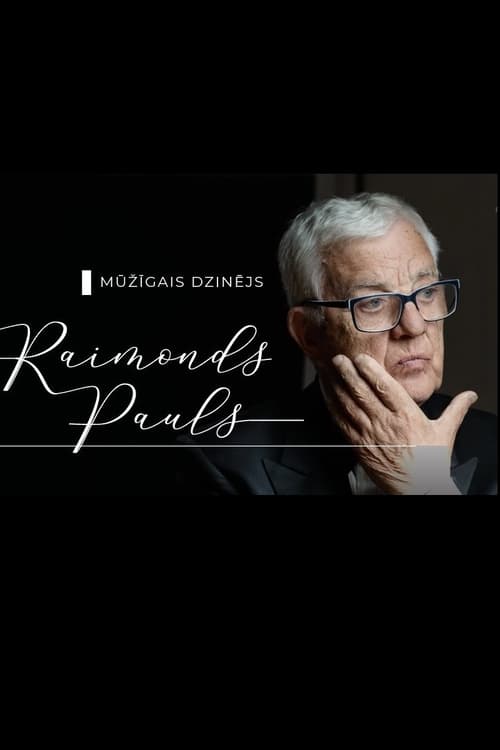
Raimonds Pauls is almost 85 years old, rehearses almost every day and performs at least once a week. What drives him? Not only he is the most popular composer in Latvia: his songs are sung all over the world. "Dāvāja Māriņa" is so popular in Japan that Paul received the Japanese Order of the Rising Sun. In concerts, he collaborates with world stars of Latvian origin - soprano Elīna Garanča, organist Iveta Apkalna, conductor Mariss Jansons. The Latvian Television film crew follows him during the pandemic, realizing that the restrictions and threats of Covid-19 hardly stop the Maestro in the course of his eternal engine. How does he cope with the challenges that time imposes on a person's physical form and the loneliness when most friends have passed away? What is the source of his inexhaustible lifestyle and creative spirit?
This is the story of Reinis Runci, author of three collections of poetry, who, despite being confined to bed for 21 years and, on rare occasions, to a wheelchair, lives a creatively intense life. His daily life is not made any easier by environmental accessibility limitations. He communicates with his friends and the world via his computer, which is his window to the "big world." However, Reinis has dreams... He dreams of publishing his poems in English, creating his own interactive website, and flying in a hot air balloon.
The filmmakers learned about Paula Tisenkopfa's battle with breast cancer at her exhibition "Paštrokšņi" at Laubes nams. The exhibition was a true work of art, a bold story of a young woman's self-awareness during her illness, her attempts to overcome it and cope with the new realities of her life. The idea for the film was born. The documentary takes place shortly after the end of treatment, but the main character's life still revolves around doctor's appointments, MRIs, and hormone therapy. After her recovery, Paula begins a new life, witnessed by the filmmakers – a new home, new relationships, new projects and new challenges, including a week-long climb in the mountains of Nepal. Paula rediscovers herself, and the film's viewers get to know Paula together with her children, sister, and parents.
The film documents rehearsals for director Vara Brasla's play "I Am Not a Pianist" at the Valmiera Drama Theater. Brasla has decided that this will be his last play. The story was written by Brasla's long-time friend, playwright Alvis Lapiņš, and tells the story of composer Emīls Dārziņš' life, plagiarism scandal, personal vicissitudes, and musical events. Rehearsals are underway, and Brasla, together with actors Mārtiņš Meiers (Emīls Dārziņš), Diāna Kristu Stafecka, Ieva Puķe, Krišjānis Salmiņš, Tālivaldis Lasmanis, and others, are carefully exploring the essence of their roles. All this takes place in the midst of the destroyed Valmiera Drama Theater, where reconstruction is underway. The Covid-19 pandemic adds unexpected twists to the story. The rehearsal process is interspersed with conversations between Brasla and Lapiņš at the home of Vara and his wife, actress Vizma Kalme, until the premiere takes place.
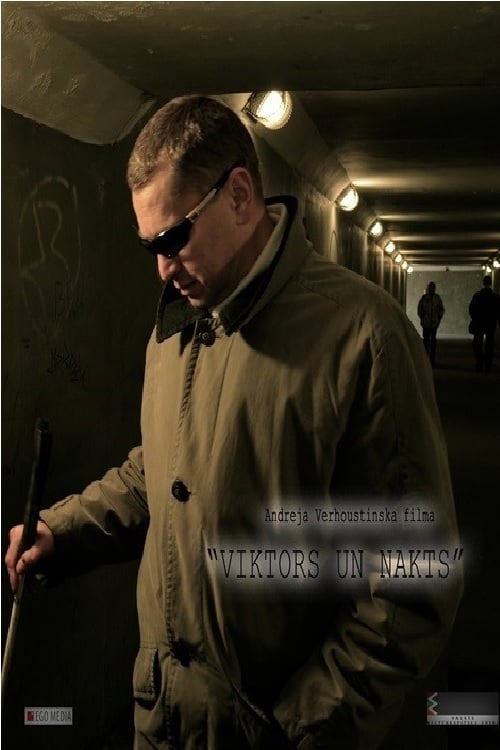
The protagonist of the film, Viktors, after losing his eyesight not only gets over depression and sense of estrangement but goes on living a full-fledged life – he forms a relationship, finds strength and motivation for mental development. Aware of his difference from the ones who can see, Viktors does not feel unworthy and loses no hope. Instead, he perceives the inconveniences, caused by the elusive or illogical attitude of the society and lawmakers, with humor, as if they were curiosities.