Ulf Balle-Røyem
Directing
Known For
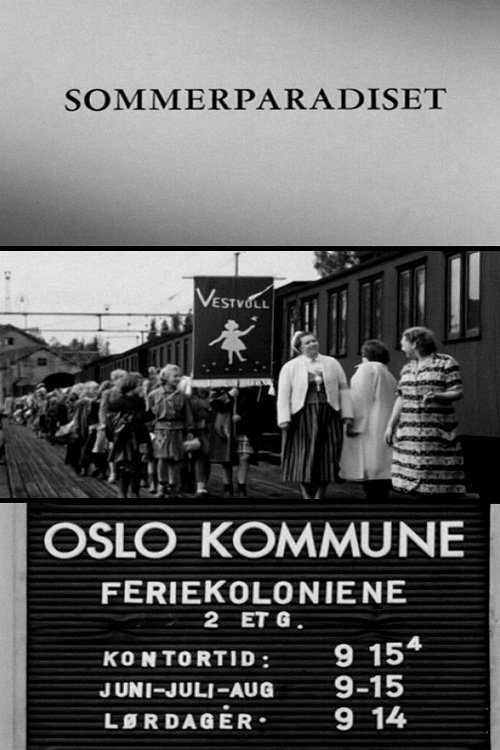
At Slagen, Hudøy and several other places, Oslo Municipality drove holiday colonies where children from the city could vacation in the summer. At Dal there was a separate holiday colony for tuberculosis-infested children. Some children were also sent for holiday stays on farms. More than 5,000 children received a stay at municipal or private holiday colonies every summer. ***** Oslofilm was a series of public information films about life in and around Oslo, produced between 1940 and 1980. Funded by the state, the films offer valuable insight into postwar Norwegian society. A wide range of Norwegian filmmakers contributed to the productions, resulting in a rich variety of styles and expressions. Several of the films also possess notable cinematic qualities, standing out as more than just informational material. The Oslofilms represent a unique and important chapter in Norwegian film history.
Oslofilm: Summer Paradise
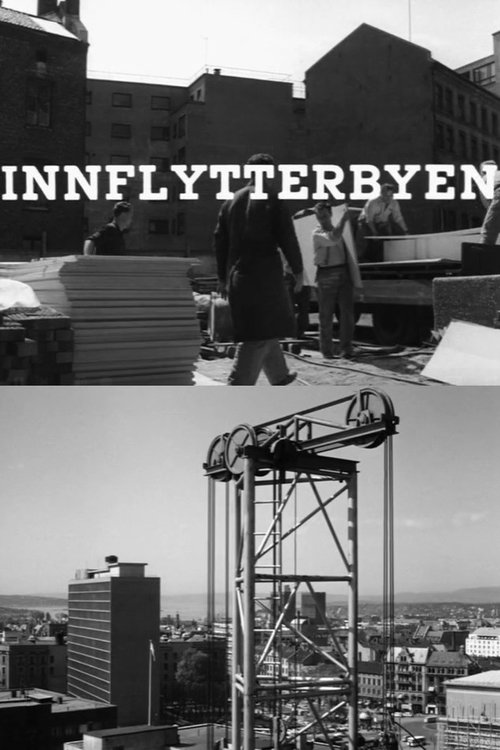
No description available.
Oslofilm: Innflytterbyen
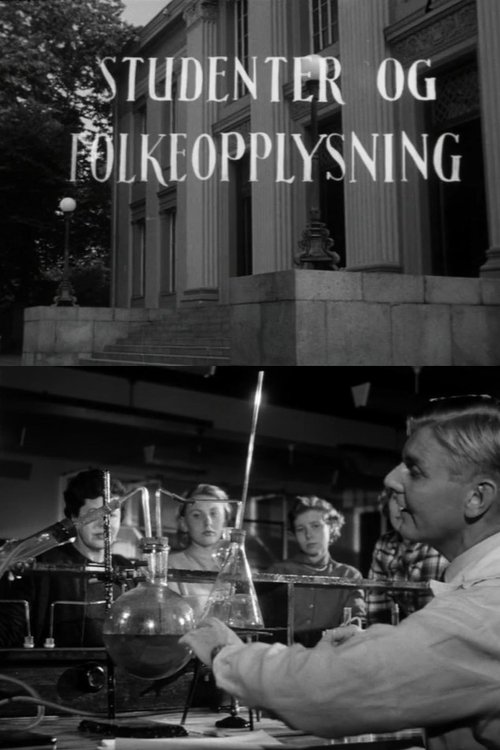
The Student Society’s free education program, affiliated with the University of Oslo, was an important public education institution in the 1950s, with 17,000 students in 1956 and courses ranging from tinworking to child psychology. ***** Oslofilm was a series of public information films about life in and around Oslo, produced between 1940 and 1980. Funded by the state, the films offer valuable insight into postwar Norwegian society. A wide range of Norwegian filmmakers contributed to the productions, resulting in a rich variety of styles and expressions. Several of the films also possess notable cinematic qualities, standing out as more than just informational material. The Oslofilms represent a unique and important chapter in Norwegian film history.
Oslofilm: Studenter og folkeopplysning
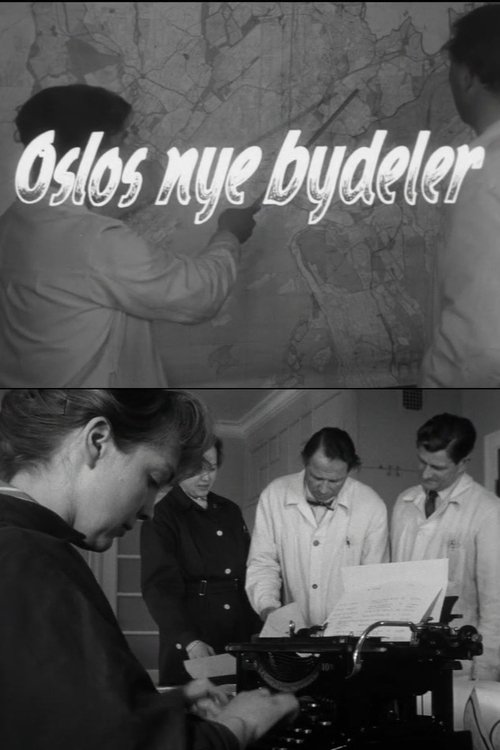
A film about the new neighborhoods that were built after the war, including Manglerud, Bøler, Oppsal, Årvoll, Teisen and Lambertseter. ***** Oslofilm was a series of public information films about life in and around Oslo, produced between 1940 and 1980. Funded by the state, the films offer valuable insight into postwar Norwegian society. A wide range of Norwegian filmmakers contributed to the productions, resulting in a rich variety of styles and expressions. Several of the films also possess notable cinematic qualities, standing out as more than just informational material. The Oslofilms represent a unique and important chapter in Norwegian film history.
Oslofilm: Oslos nye bydeler
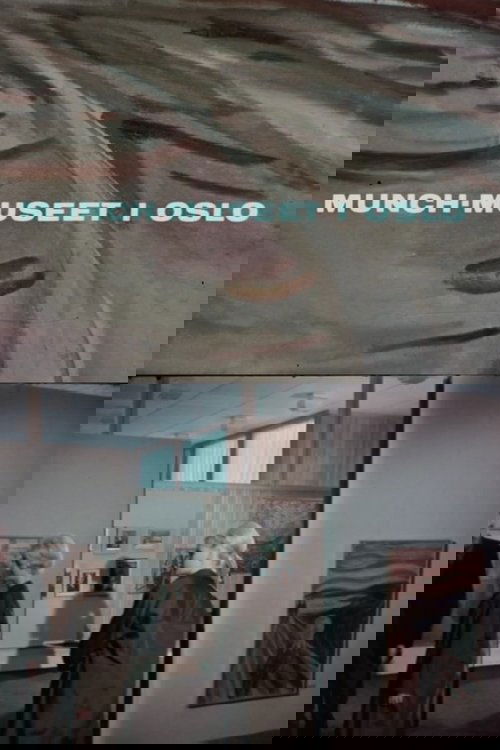
A film about the opening of Norway’s first Munch Museum. It was from this museum that the paintings The Scream and Madonna were stolen in 2004—an event that triggered a national debate and ultimately led to the decision to build the new Munch Museum. // Oslofilm was a series of public information films about life in and around Oslo, produced between 1940 and 1980. Funded by the state, the films offer valuable insight into postwar Norwegian society. A wide range of Norwegian filmmakers contributed to the productions, resulting in a rich variety of styles and expressions. Several of the films also possess notable cinematic qualities, standing out as more than just informational material. The Oslofilms represent a unique and important chapter in Norwegian film history.
Oslofilm: The Munch Museum in Oslo
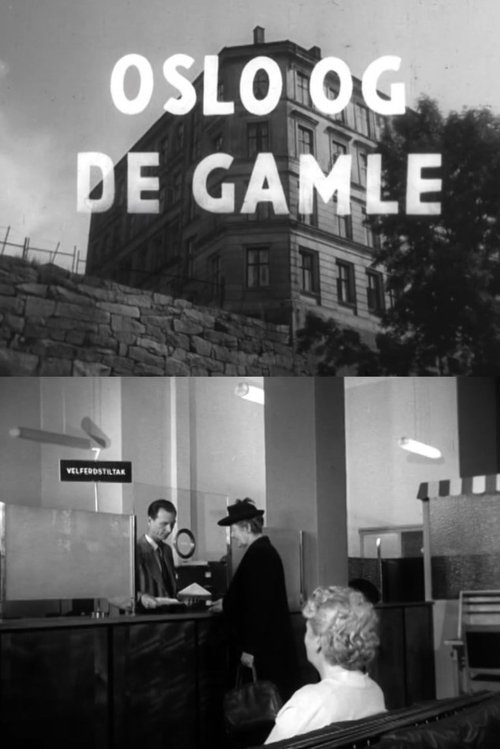
A short film about elderly care in Oslo. Social and welfare services. ***** Oslofilm was a series of public information films about life in and around Oslo, produced between 1940 and 1980. Funded by the state, the films offer valuable insight into postwar Norwegian society. A wide range of Norwegian filmmakers contributed to the productions, resulting in a rich variety of styles and expressions. Several of the films also possess notable cinematic qualities, standing out as more than just informational material. The Oslofilms represent a unique and important chapter in Norwegian film history.
Oslofilm: Oslo og de gamle
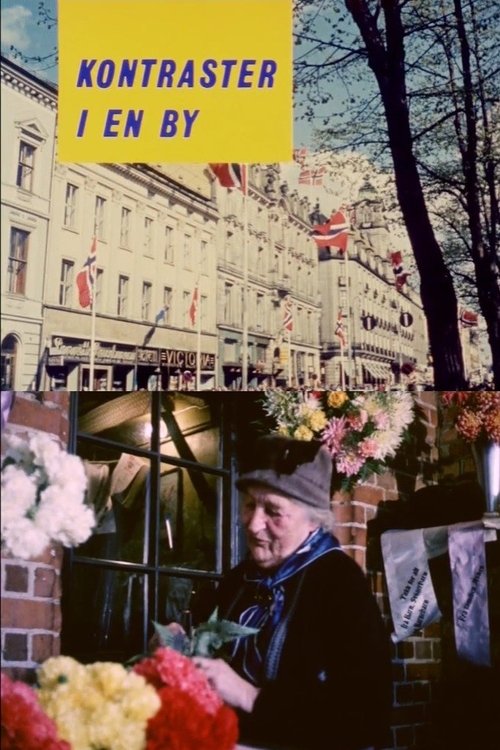
The film highlights the city’s many contrasts. // Oslofilm was a series of public information films about life in and around Oslo, produced between 1940 and 1980. Funded by the state, the films offer valuable insight into postwar Norwegian society. A wide range of Norwegian filmmakers contributed to the productions, resulting in a rich variety of styles and expressions. Several of the films also possess notable cinematic qualities, standing out as more than just informational material. The Oslofilms represent a unique and important chapter in Norwegian film history.
Oslofilm: Kontraster i en by
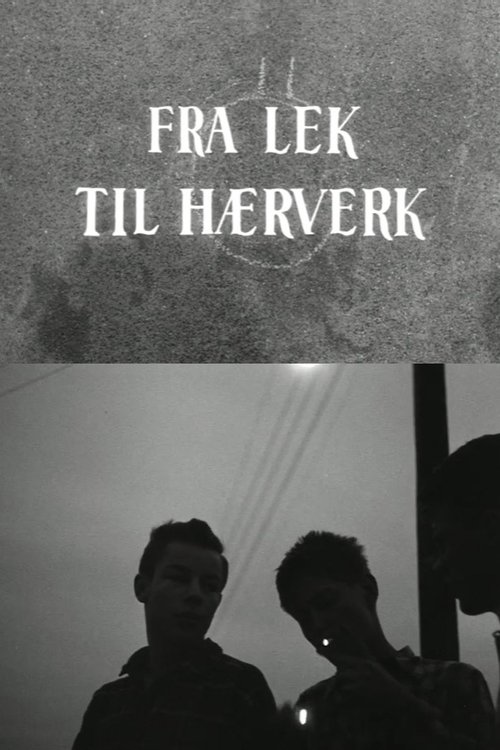
Play that appears innocent can quickly lead to accidents and destruction. What happens, for example, when reckless youths move a warning barrier away from a hole in the street? ***** Oslofilm was a series of public information films about life in and around Oslo, produced between 1940 and 1980. Funded by the state, the films offer valuable insight into postwar Norwegian society. A wide range of Norwegian filmmakers contributed to the productions, resulting in a rich variety of styles and expressions. Several of the films also possess notable cinematic qualities, standing out as more than just informational material. The Oslofilms represent a unique and important chapter in Norwegian film history.
Oslofilm: Fra lek til hærverk
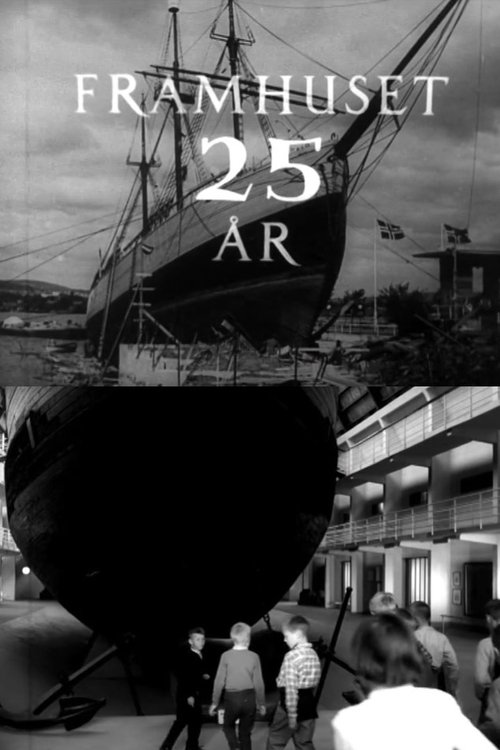
A film made for the 25th anniversary of the Fram Museum. The museum is home to the ship Fram, which was used by Roald Amundsen, Fridtjof Nansen, and Otto Sverdrup on their legendary polar expeditions. // Oslofilm was a series of public information films about life in and around Oslo, produced between 1940 and 1980. Funded by the state, the films offer valuable insight into postwar Norwegian society. A wide range of Norwegian filmmakers contributed to the productions, resulting in a rich variety of styles and expressions. Several of the films also possess notable cinematic qualities, standing out as more than just informational material. The Oslofilms represent a unique and important chapter in Norwegian film history.
Oslofilm: Framhuset 25 år
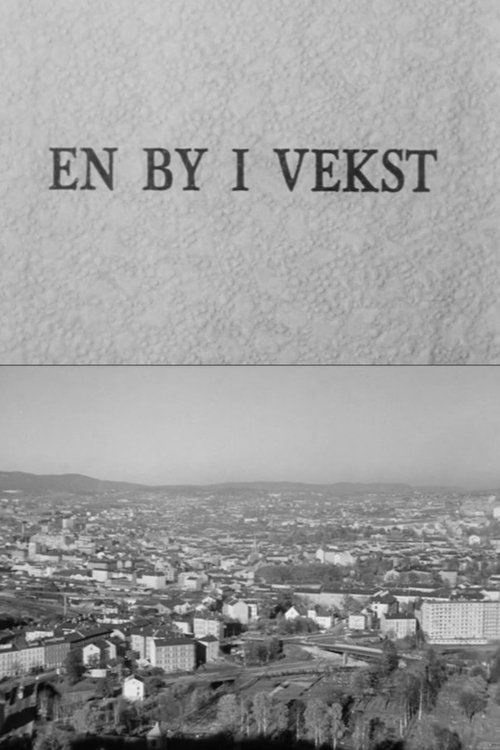
About urban development in Oslo in the 1950s. On the outskirts of the city, new districts are built with housing, schools, businesses, and transport links. In the city center, older areas are demolished, such as the buildings in Vika. ***** Oslofilm was a series of public information films about life in and around Oslo, produced between 1940 and 1980. Funded by the state, the films offer valuable insight into postwar Norwegian society. A wide range of Norwegian filmmakers contributed to the productions, resulting in a rich variety of styles and expressions. Several of the films also possess notable cinematic qualities, standing out as more than just informational material. The Oslofilms represent a unique and important chapter in Norwegian film history.