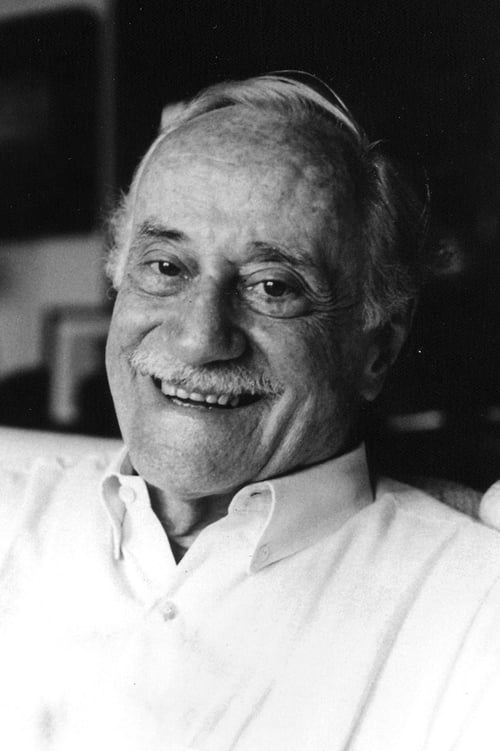
Paulo Autran
Acting
Biography
Paulo Paquet Autran (Rio de Janeiro, September 7, 1922 — São Paulo, October 12, 2007) was a Brazilian theater, film and television actor. His accomplishments during his life earned him the nickname, "Lord of the Stage".
Known For

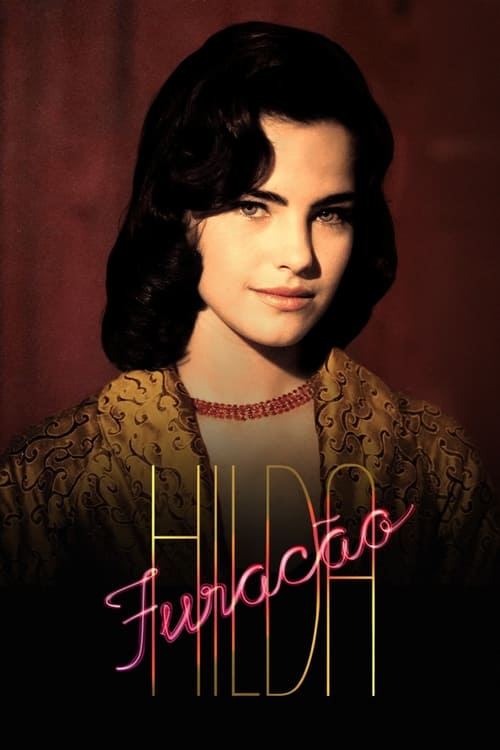
After breaking off her engagement on her wedding day and going directly to a prostitution house, a young model becomes the city's most famous harlot, known as "Hilda Hurricane", in the 50's Brazil. She could do fine if it wasn't for Malthus, a young novice said to be a saint, for whom she falls in love. However, the boy is kept under the strict, severe doctrine of Father Nelson, a conservative priest intolerant even to every minor sin. Things start getting harder when Roberto, Malthus' old friend and a communist reporter (the actual author of the story), tries to interview Hilda and disclosure the real reasons behind her radical change of mind. In the meantime, the middle-classes are terrified by the "leftist threat" in Brazilian politics.
Hilda Hurricane

No description available.
Os Imigrantes

Cousins Charlô and Otávio once had a romance, but today they detest each other. However, fate plays a trick on them: they will receive a large inheritance, on the condition that they live together.
Guerra dos Sexos

No description available.
Pai Herói

After becoming a widower, businessman Aparício Varela takes over as president of Tecelagem Abdala and decides to win back the great love of his life, Rebeca.
Sassaricando

Created by his son Leonardo, this portrait of Adolfo Celi reconstructs his personal and artistic journey between Italy and Brazil. Through interviews, film clips, testimonials, photos, and extraordinary footage from the Celi family's personal archive, we will revisit the places that shaped his life.
Adolfo Celi, a Man for Two Worlds

Brasileiros e Brasileiras is a Brazilian telenovela shown in some schedules SBT between November 5, 1990 and May 14, 1991. Writing for the show was done by Carlos Alberto Sofredini and Walter Avancini, who also directed it. The show was a co-production of the Miksom.
Brasileiras e Brasileiros

Eldorado, a fictitious country in America, is sparkling with the internal struggle for political power. In the eye of this social convulsion, the jaded journalist Paulo Martins opposes two equally corrupt political candidates: a pseudopopulist and a conservative. In this context, Paulo is torn between the madness of the elite and the blind submission of the masses. But, in this complex tropical reality, nothing really is what it seems to be.
Entranced Earth

Documentary about the birth of bossa-nova, in Brazil, and the major stars of this musical style.
Coisa Mais Linda - Histórias e Casos da Bossa Nova

In Nordestina, a small town lost in the Brazilian badlands, young Karina dreams of becoming an actress and leaving to explore the world. Before losing his love, Dona Nazaré’s son, Antônio, takes the first step in a kamikaze crusade to bring the world to Karina. For that, Antônio leaves town and announces, in a TV show that he will set off on a sensational adventure: a trip into the future, starting from Nordestina’s square. A story where dreams contradict reality, geographical and political conditions threaten to block life, and love plays the part of the transforming element.
The Machine
A young woman from the country becomes involved with a Syrian man in a city caught in the midst of a political game.
Gabriela, Cravo e Canela

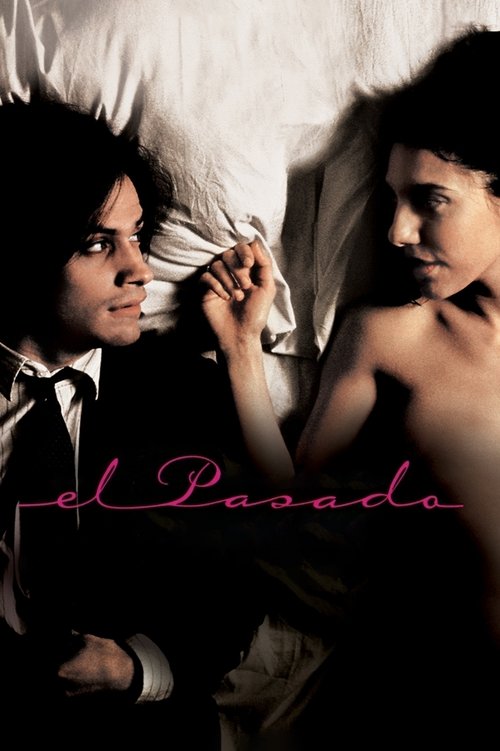
After 12 years, Sofía and Rímini decided to separate. While Rímini finds it easy to move on and start a new life, Sofía stays stuck in the past and constantly harasses him. She reappears again and again on Rímini's horizon to reconquer him, torture him or redeem him.
The Past

"Portraits and excerpts from Brazilian films from all times. Actors, directors and images that affirm cinema."
Celebração - 100 Anos do Cinema Nacional

Follows the story of Opinião, a theatre group created in 1964 during the early Brazilian dictatorship period to oppose the government through artistic performances. Considered the first left-wing response to the dictatorship, the group gathered now famous Brazilian artists such as Nara Leão, Maria Bethânia, João do Vale and Millôr Fernandes.
Memórias do Grupo Opinião

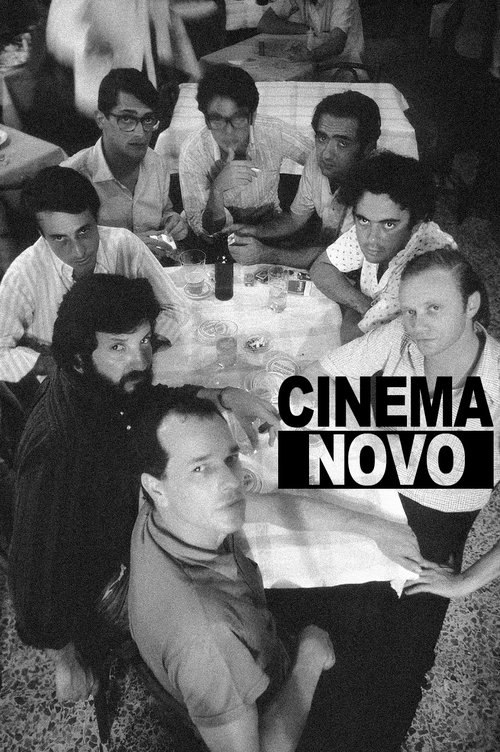
Documentary about Brazilian filmmaker Glauber Rocha, one of the most important names in the Cinema Novo, with interviews with some of his friends and colleagues.
Glauber Rocha - The Movie, Brazil's Labyrinth

For this behemoth, Bressane took his opera omnia and edited it in an order that first adheres to historical chronology but soon starts to move backwards and forward. The various pasts – the 60s, the 80s, the 2000s – comment on each other in a way that sheds light on Bressane’s themes and obsessions, which become increasingly apparent and finally, a whole idea of cinema reveals itself to the curious and patient viewer. Will Bressane, from now on, rework The Long Voyage of the Yellow Bus when he makes another film? Is this his latest beginning? Why not, for the eternally young master maverick seems to embark on a maiden voyage with each and every new film!
The Long Voyage of the Yellow Bus

A boy is left alone in a Jewish neighborhood in the year of 1970, where both world cup and dictatorship happen in Brazil.
The Year My Parents Went on Vacation
In a specialized, hermetic drama about love won and lost, not necessarily by the same individuals, novice director Christine Laurent has focused on the backstage melodramas of an opera company. The conductor for an upcoming performance of the Marriage of Figaro has his mind and heart on other matters -- an entrancing diva who keeps him enraptured with her presence and voice. In the meantime, he finds fault with his cast members who cannot, of course, measure up to the woman of his dreams. As singers encounter one problem or another, it is clear that something has to be done about the conductor. Director Laurent designed costumes for both theater and opera, giving her some insight into the venue.
Vertiges

Swindler in jail devises a scheme to blackmail the family of recently deceased people, threatening to tell supposedly incriminating facts about their dead relatives' lives.
Uma Pulga na Balança
Helena, married to decorator Bruno, is a woman dissatisfied with the futility of social life. She rekindles her relationship with her former boyfriend, Clóvis, and discovers how difficult the struggle for happiness is by seeing the example of the less fortunate. After saving herself from the rough seas on the beach, Helena finds herself possessed by a mystical fear. On New Year's Eve, while the people celebrate Iemanjá, Helena and Bruno throw a lavish party. Their employee, Luiz, is arrested as a suspect in the death of a woman found on the beach. Having a disagreement with her husband, Helena leaves the party and throws herself into the sea. She is saved by Umbanda followers and welcomed by Bruno, who tries in vain to comfort her.