Chikage Awashima
Acting
Biography
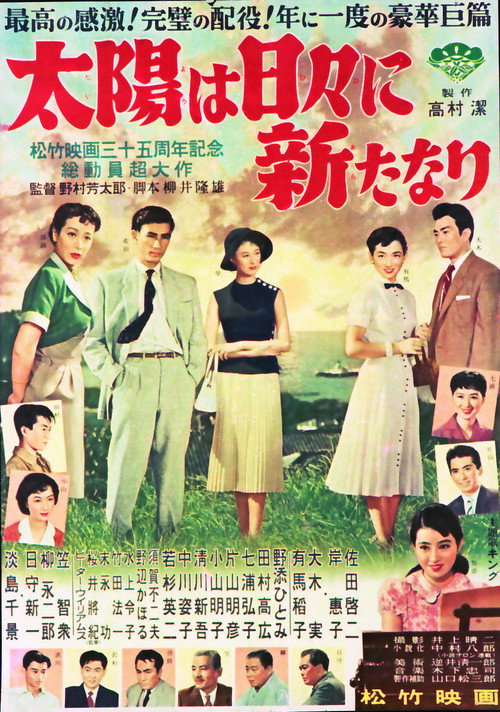
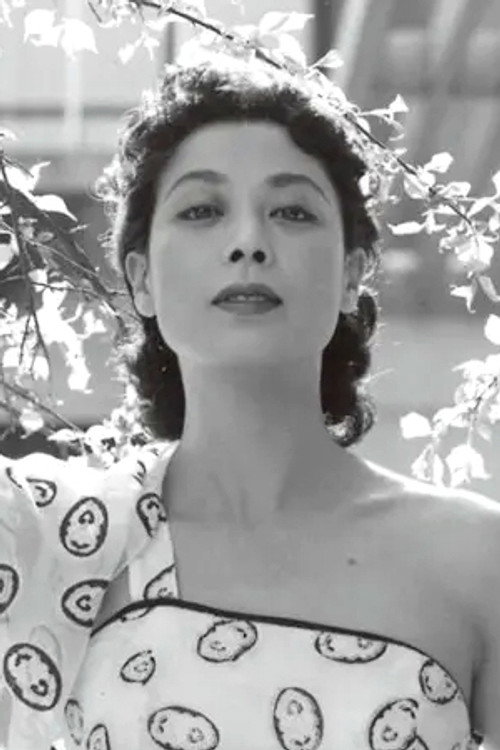
Chikage Awashima (淡島 千景, Awashima Chikage, born Keiko Nakagawa, 24 February 1924 – 16 February 2012) was a Japanese film and stage actress. Her stage name drew inspiration from Japanese poetry, and her legacy continues to resonate within the world of entertainment. A graduate from Takarazuka Music and Dance School and member of the Takarazuka Revue, Chikage Awashima entered the Shochiku film studios and made her film debut in 1950. She appeared in films of numerous prominent directors like Yasujirō Ozu, Mikio Naruse, Keisuke Kinoshita, Tadashi Imai and Heinosuke Gosho. She received the Blue Ribbon Award twice and the Mainichi Film Award twice for her performances. Awashima retired from stage in 2009. She died on 16 February 2012, aged 87, from cancer.
Known For

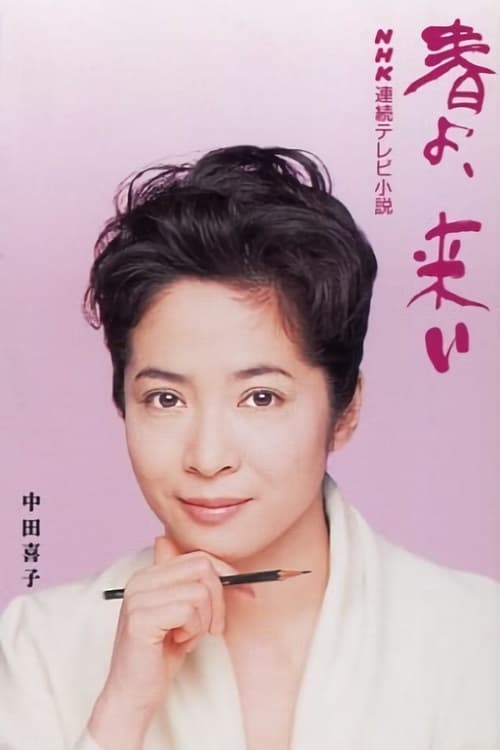
A successful screenwriter looks back on her life when she learns her husband has cancer. A year-long series, starring Narumi Yasuda.
Haru yo koi

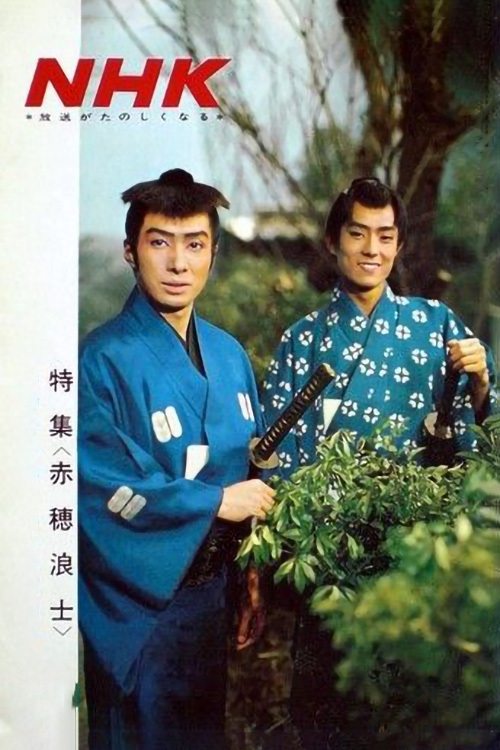
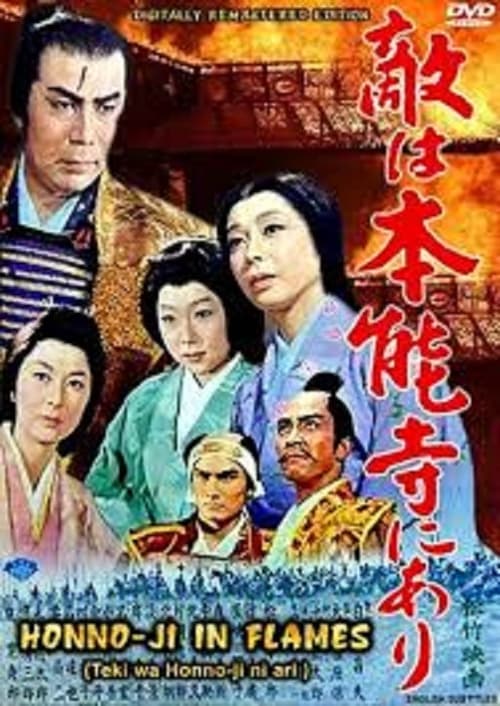
"Ako Roshi" is a group of 47 former retainers of Lord Asano. Lord Asano was forced to commit suicide after attempting to kill Lord Kira. Once the retainers hear about their Lord's death, they sacrifice their lives to regain the honor of their former master.
Akō Rōshi

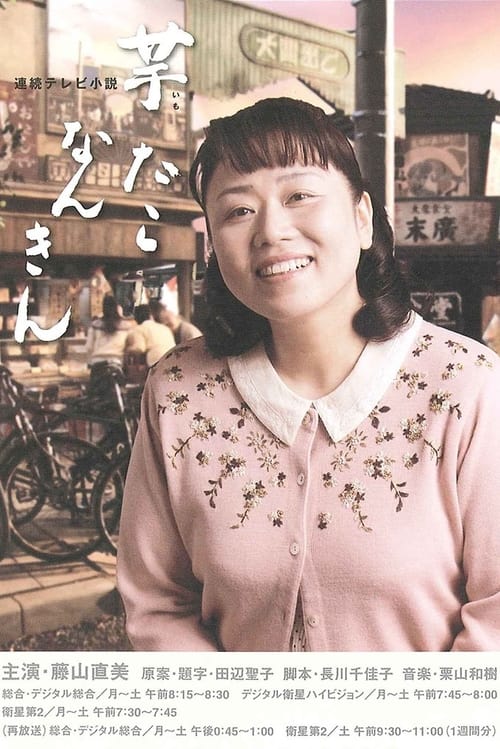
The series takes place in 1962 Osaka. Hanaoka Machiko, 37, is single and works at a hardware store in Osaka City while doing literary work. One day, she falls ill due to overwork and falls in love with Tokunaga Kenjiro, the doctor who examines her. Kenjiro and Machiko marry. But Kenjiro, who lost his first wife to illness, lives not just with his five children, but his brother, sister, and parents. In a comical and heart-warming way, the drama depicts Machiko's struggle with the new family while pursuing her career as a novelist.
Imo Tako Nankin

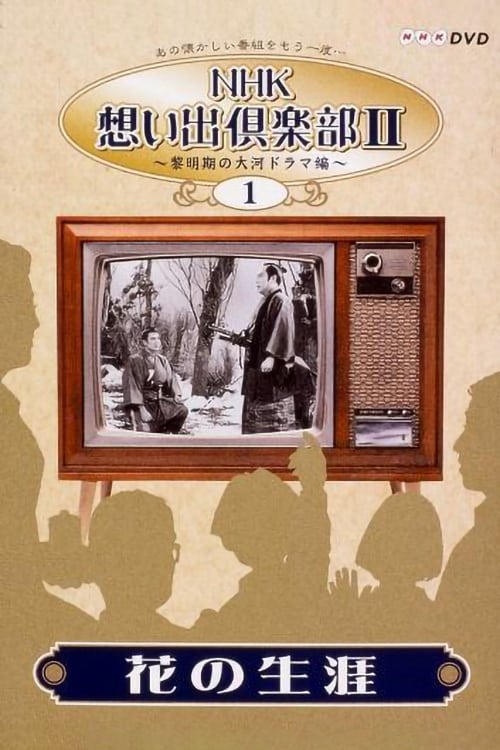
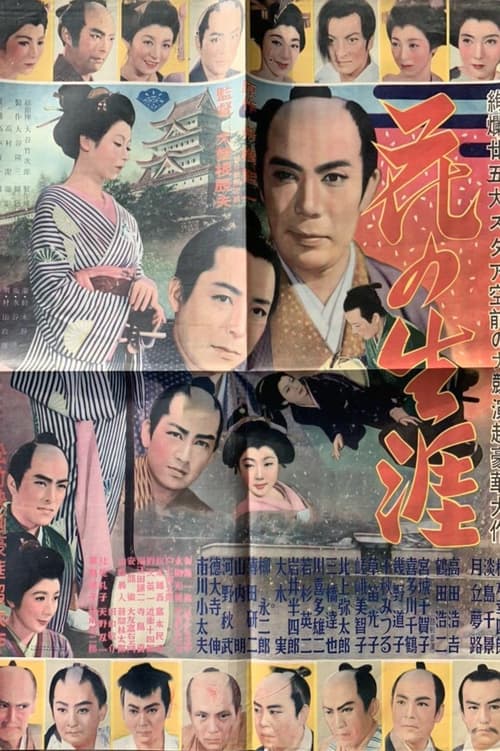
The story chronicles the life of Ii Naosuke.
Life of a Flower

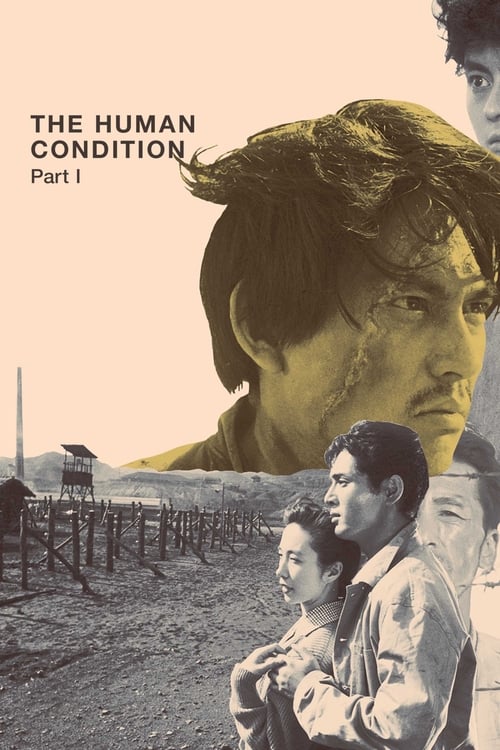
After handing in a report on the treatment of Chinese colonial labor, Kaji is offered the post of labour chief at a large mining operation in Manchuria, which also grants him exemption from military service. He accepts and moves with his newlywed wife Michiko, but when he tries to put his ideas of more humane treatment into practice, he finds himself at odds with scheming officials, cruel foremen, and the military police.
The Human Condition I: No Greater Love

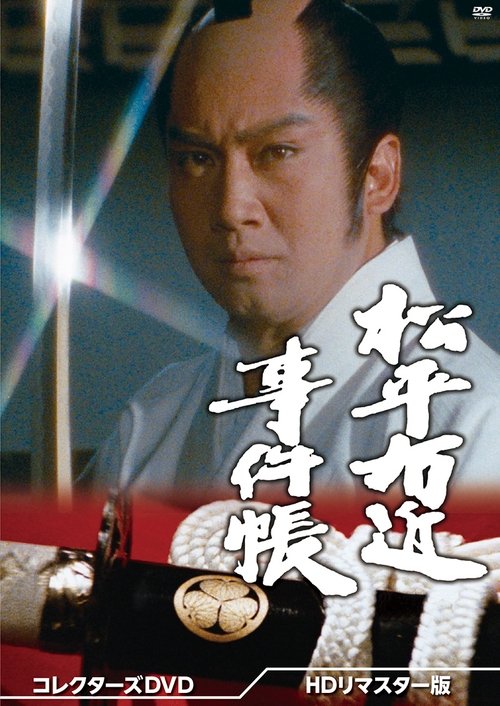
In this gripping period drama, Matsudaira Ukon, the younger brother of the 11th Tokugawa Shogun Ienari, lives in the city as Yabutaro, a doctor in the Ukiyo Koji district, while fighting the evil that has infested the city of Edo.
Matsudaira Ukon Jikencho

A sensuous movie based on a literary work. Hitomi Kuroki stars as the film’s heroine.
Metamorphosis

A human drama that unfolds around a Japanese restaurant-inn
Omoi Bashi

A story about the lives of four sisters and their manipulative mother who must come to terms with each of their decisions in life.
Four Sisters

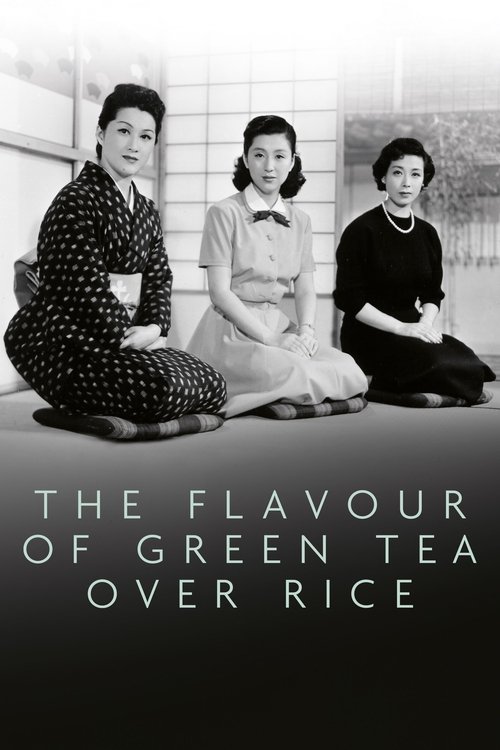
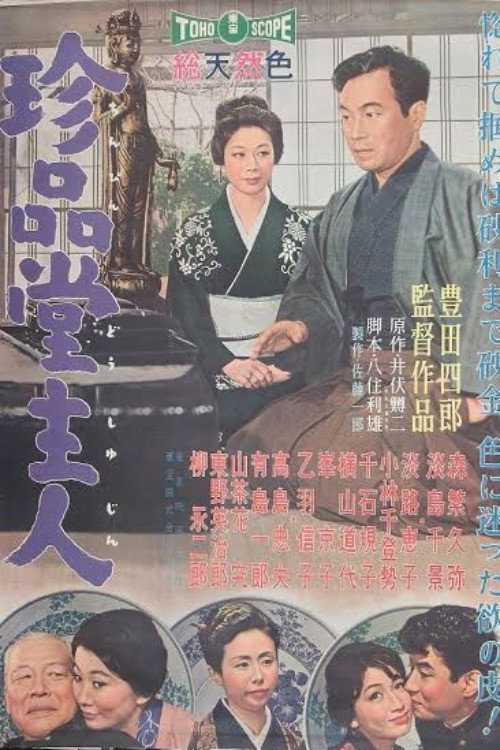
The arranged marriage between a capricious woman from Tokyo high society and a quiet rustic man is tested by a marital crisis.
The Flavor of Green Tea Over Rice

A war widow with a young boy manages a farm with her bossy mother-in-law. When a reporter comes to interview her, the two begin an affair. He turns out to be married and won't leave his wife. Her older brother tries to marry off his children and hang on to/ extend his farm through an advantageous marriage in the face of threatened land confiscation and the desire of his children to get comfortable urban jobs instead of the backbreaking work in the paddy fields under parental control.
Summer Clouds

In postwar Tokyo, Noriko lives with her extended family. Although she enjoys her career and her social life, her more traditional family worries about her single marital status at the advanced age of 28. 40-year-old business associate Takako proposes, Noriko's family press her into accepting, but when her widowed childhood friend Kenkichi returns to the neighborhood, she finds her heart leading in another direction.
Early Summer

Set in the postwar turmoil, Akasaka no shimai paints a vivit portrait of the life of three sisters who struggle to live in Tokyo.
The Akasaka Sisters: Soft Touch of Night

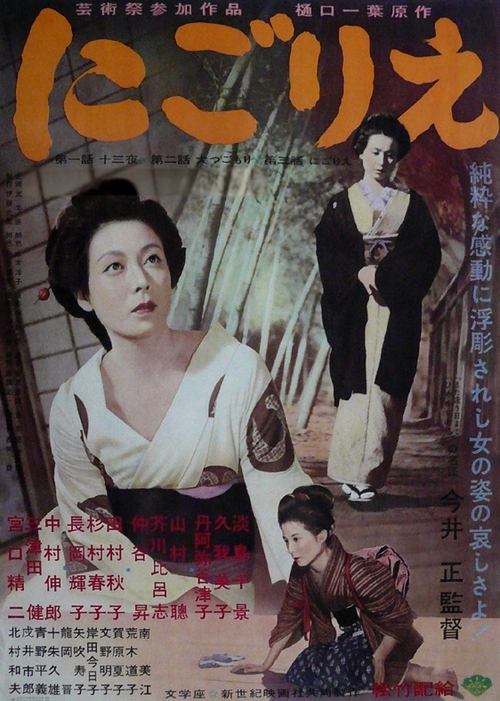
Ichikawa's 1956 adaptation of Nihonbashi was the first to take the work of Kyoka Izumi— until then regarded as a writer of common tragic melodramas—and re-evaluate it as a tanbi-ha work of decadence, aestheticism, and intrigue. Ichikawa's film presents the tragic plot of the young geisha who is unable to enact her love for a man publicly in any way other than a histrionic story of torment, a heart-rending tale of lovers being crushed by fate. Instead, Ichikawa shows the contest of wills that transpires as two geisha, Oko and Kiyoha fight for the top spot in Nihonbashi, the pinnacle of the Tokyo geisha world. Nihonbashi is an elegant, if steely, exposition of manners. The young doctor, Shinzo Katsuragi, is the object of affection for both women, but appears to be more the choice reward for the plotting and thieving of these two early modern superwomen, than a lover they swoon over.
Bridge of Japan

During the 1200's, legendary Buddhist monk Nichiren returns from his studies to lead Japan out of moral crisis and prepare to fight Mongol invaders by creating a new form of Buddhism. He runs afoul of the existing Buddhist sects and their government supporters and is persecuted. Can Nichiren persevere before the Mongol fleet reaches Japanese shores?
Nichiren and the Great Mongol Invasion

A young salaryman and his wife struggle within the confines of their passionless relationship while he embarks on an extramarital affair.
Early Spring

The real mother of the two children of a respectable university professor is not his wife, but his mistress, the hostess of a Ginza bar the family frequents.
The Other Woman

Police officer Ohno Makoto discovers a lady covered in blood at Shinobazu Pond in Ueno. Feeling sorry for her, he gives her the temporary name "Koike Shinobu" and lets her live at the tofu shop run by his parents. Even though she has not regained her memory, Makoto is gradually drawn to Shinobu's brave personality. At that time, a mysterious man named Yamane began to appear around Shinobu. Yamane is actually a detective who is pursuing the culprit of a murder that occurred in Nagano. The victim was Shinobu's father, and Shinobu's stepmother has already been arrested, but Yamane is convinced that Shinobu is the real culprit and targets her. Makoto takes Shinobu on a journey to find the real culprit.
Red Storm

A Christmas Eve power outage provides a collection of troubled Tokyo denizens the opportunity to come clean on the misdeeds of their past.
Until the Lights Come Back

Stuck in a fishing village in Hokkaido, Tadao's grand-daughter Haru is desperate to visit Tokyo, a trip Tadao is reluctant to make.