Ineko Arima
Acting
Biography
Ineko Arima (born April 3, 1932) is a revered Japanese film actress. With a career spanning from 1957 to the present, Arima has graced the silver screen under the guidance of legendary directors like Yasujirō Ozu and Kon Ichikawa. Her notable filmography includes roles in Late Chrysanthemums, Black River, Tokyo Twilight, Equinox Flower, and Love Under the Crucifix, showcasing her remarkable talent. Beyond film, she has also made her mark on television, notably in NHK Taiga dramas like Ten to Chi to and Tokugawa Yoshinobu. Arima's contributions have been recognized with honors in Japan, including the Medal with Purple Ribbon (1995) and the Order of the Precious Crown (2003).
Known For

No description available.
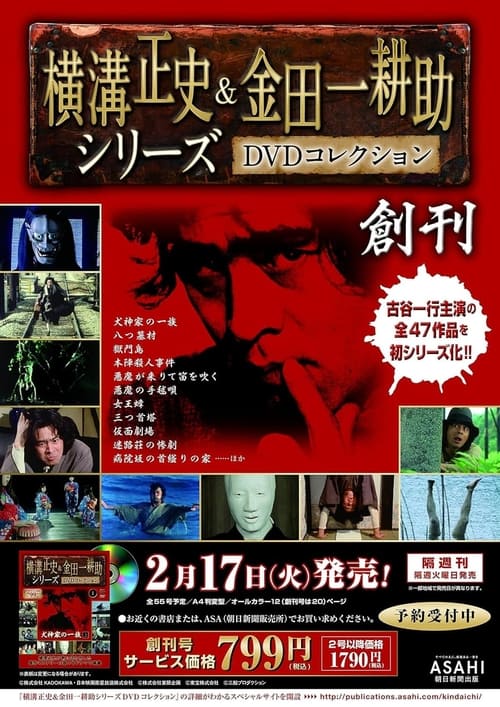
Furuya Ikkou's Great Detective Kindaichi Kousuke Series

No description available.
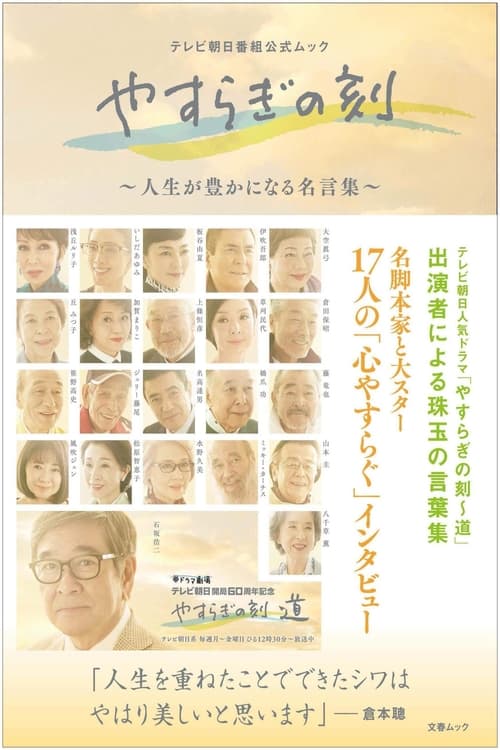
Yasuragi no Toki: Michi

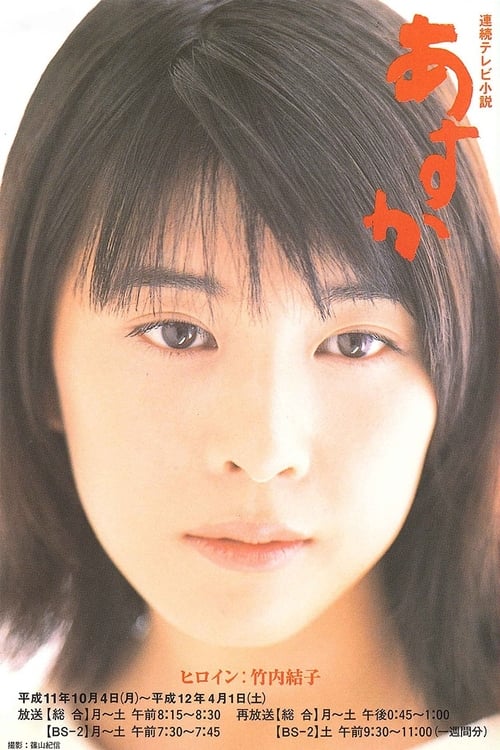
The 61st NHK Asadora Drama is Asuka. Set in Kyoto in the home of a traditional Japanese candy-maker, Asuka is the story of one young girl's dream to one day walk in her father's shoes and become a top candy-maker in the male-dominated world of wagashi (Japanese confectionery). Asuka grows to be a healthy, adventurous young girl with a deep curiosity and, a desire to become a candy-maker like her father. This NHK drama is one of the best in years with an excellent cast, a well-developed story based on extensive research into the traditional worlds of candy making and the tea ceremony in Kyoto, and beautiful scenery and settings in Kyoto and the surrounding areas.
Asuka

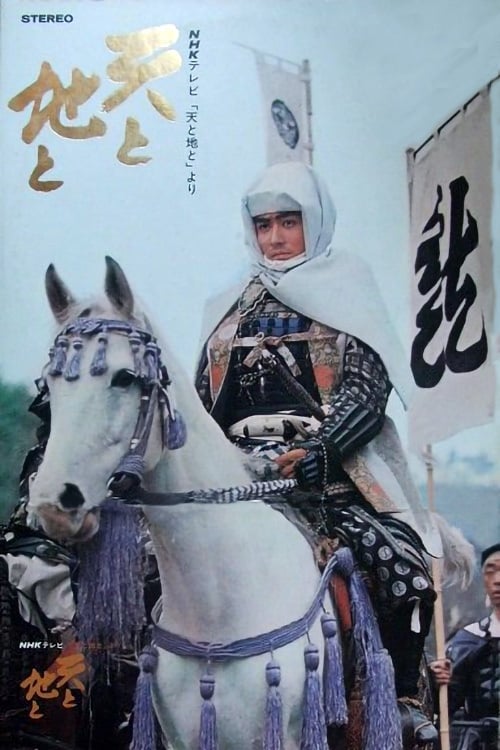
The story chronicles the life of Nagao Kagetora.
Heaven and Earth

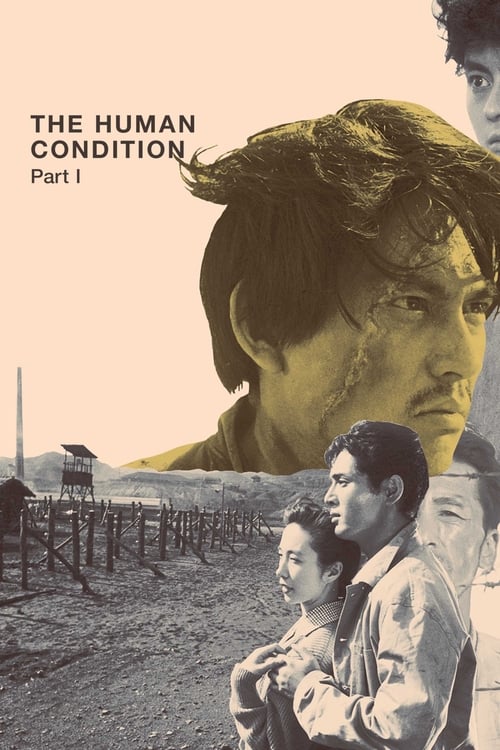
After handing in a report on the treatment of Chinese colonial labor, Kaji is offered the post of labour chief at a large mining operation in Manchuria, which also grants him exemption from military service. He accepts and moves with his newlywed wife Michiko, but when he tries to put his ideas of more humane treatment into practice, he finds himself at odds with scheming officials, cruel foremen, and the military police.
The Human Condition I: No Greater Love

The drama is set in an retirement home named "Yasuragi no Sato La Strada" where only those who had worked in the TV entertainment industry such as actors, writers, musicians and artists are allowed to live at. Kikumura Sakae, who used to be a popular scriptwriter, lives among the former stars and the problems they face are presented in a humorous manner.
Yasuragi no Sato

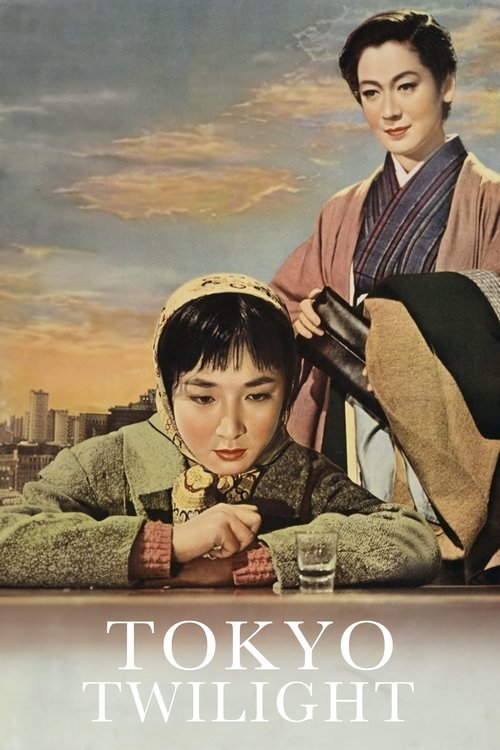
Two sisters find out the existence of their long-lost mother, but the younger cannot accept the fact that she was abandoned as a child.
Tokyo Twilight

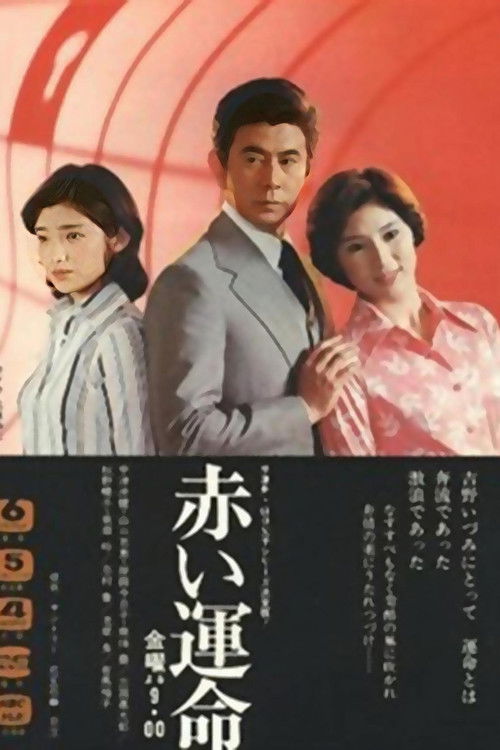
The story of two girls switched in an orphanage.
Akai Unmei

The Ooku of Edo Castle was a mysterious existence that could not be seen from the outside for 300 years in Tokugawa. Love and hate, and fierce power struggles were fought among the women day and night.
Ooku

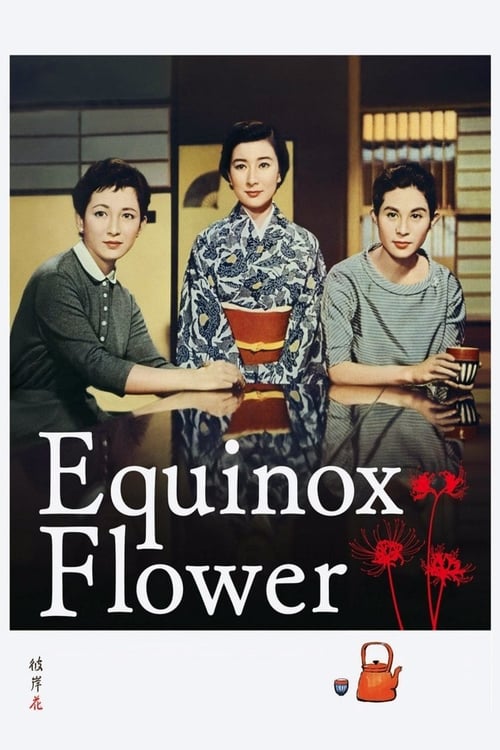
Wataru's outwardly liberal views on marriage are severely tested when his daughter declares her love for a coworker and is adamant to live her own way, instead of agreeing to an arranged marriage. Outwitted by his female relatives, Hirayama stubbornly refuses to admit defeat.
Equinox Flower

What is the life of a Geisha like once her beauty has faded and she has retired? Kin has saved, and become a wealthy money-lender, spending her days coldly collecting debts. Even her best friends, fellow Geisha Tomi, Nobu, and Tamae, are now indebted to her. For all of them, the glamour of their young lives has passed; Tomi and Tamae have disappointing children. Kin has two former lovers who still pursue her; one she wants to see, and the other she doesn't. But even the one she remembers fondly, when he shows up, proves less than satisfactory.
Late Chrysanthemums

A botanist woos the secretary of an industrialist whose company threatens the local water supply.
Fountainhead

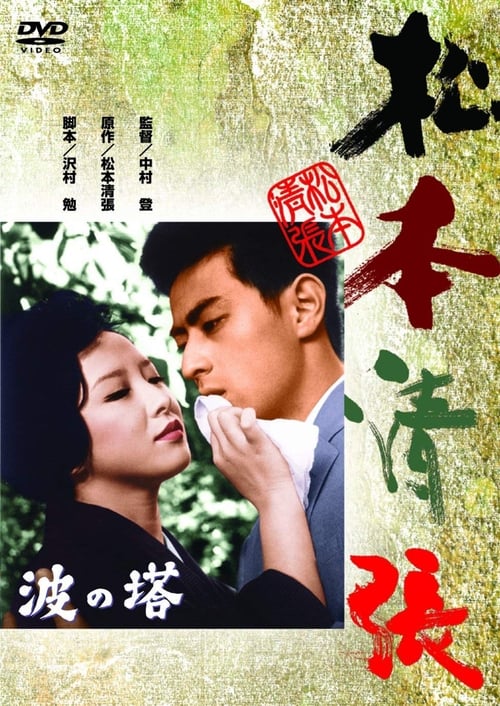
A love triangle develops between a benevolent student, his innocent girlfriend, and a cruel petty criminal, all as a point of diagnosis of a social disease that had Japan slowly succumbing to lawlessness during the post-War era.
Black River

A tea master and his daughter Ogin are both Christians in feudal Japan. Ogin falls in love with a married feudal prince who shares her faith. When the Shogun bans Christianity, the situation worsens.
Love Under the Crucifix

After a salary-man's fiancée attempts suicide, he recounts his gruesome family history which saw generations of his ancestors suffer and sacrifice themselves for the sake of their cruel lords.
Bushido: The Cruel Code of the Samurai

One day a company executive learns that his younger brother, whom he recommended, embezzled company funds. To save the situation he withdraws his life savings and gives money to his younger brother. He then suddenly disappears…
The Radish and the Carrot

In this intricately layered Japanese film, the nature of actresses and what they gain from acting is explored. The lives of three actresses are laid bare, and scenes from their lives are woven in and out of interviews with each of them. Each of them has experienced a traumatic event which contributes to their particular enjoyment of becoming someone else in dramatic roles.
Confessions Among Actresses

Japanese drama
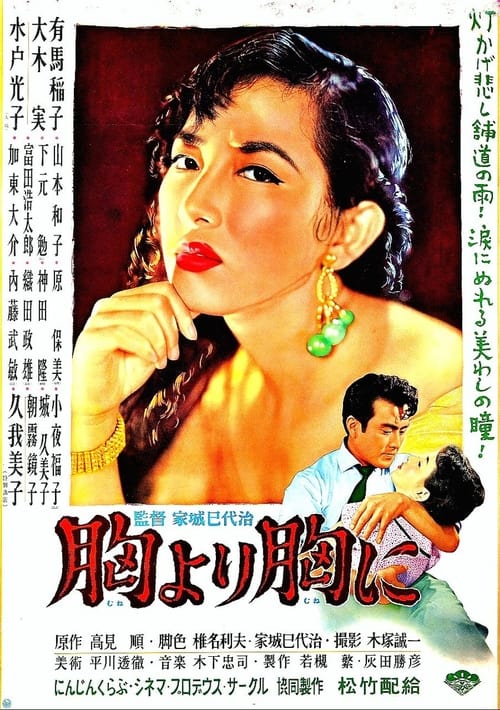
Mune yori mune ni

Five longtime friends get back together, but are disappointed to find that their bonds are not as strong as they once were.
Farewell to Spring

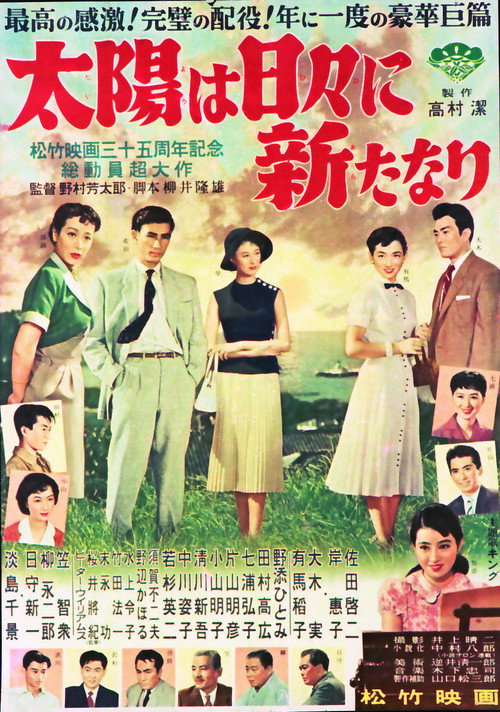
Young Setsuko Fujino begins a new job at Tokyo Chemical Company. She likes her boss, Ippei Hitachi, and enjoys serving him tea, despite the fact that her fellow workers think the women employees should not have to act in such a servile manner. When the women go on strike over the issue, Setsuko finds herself caught in the middle. When the heir to the company, Ryosuke Tanabe, proposes marriage to Setsuko, she is honored, but realizes that her real affection is for Hitachi.