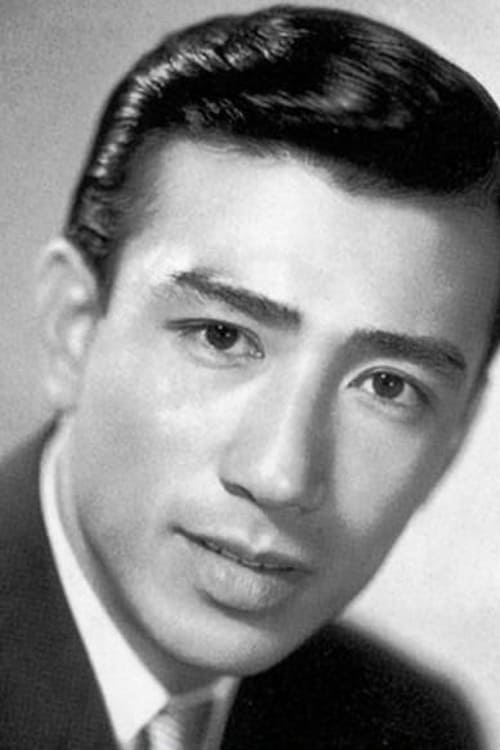
Keiji Sada
Acting
Biography
Keiji Sada was a Japanese actor. He won the award for Best Actor at the 7th Blue Ribbon Awards for Anata Kaimasu (I Will Buy You) and Taifū Sōdōki (Typhoon). He was the father of the actor Kiichi Nakai. Sada is primarily known for starring in Ozu films, especially in the 1950s and most famously Good Morning (1959). He also was a supporting actor in two films of Masaki Kobayashi's Human Condition trilogy. Sada was born in Kyoto in 1926. While a student, he roomed at a boarding house owned by the actor Shuji Sano, and on graduation was offered a position at Shochiku Studios. He was paired with Kinuyo Tanaka for his debut appearance, Keisuke Kinoshita's Phoenix. Sada was killed in a car crash in 1964. His wife and children were unharmed. He was 37.
Known For
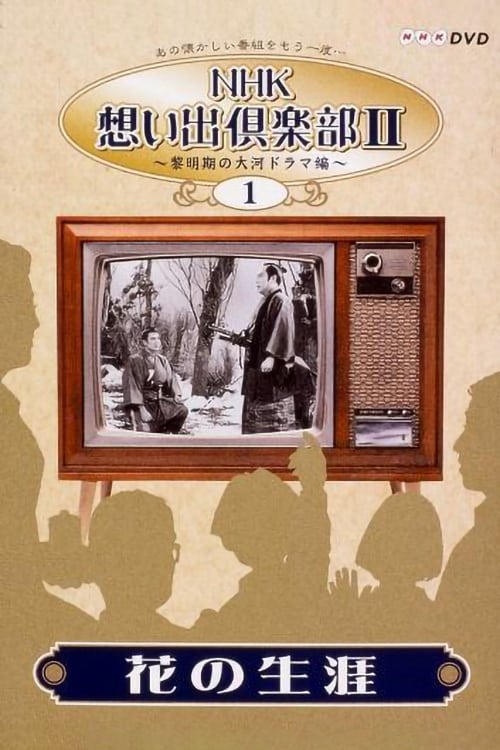
The story chronicles the life of Ii Naosuke.
Life of a Flower
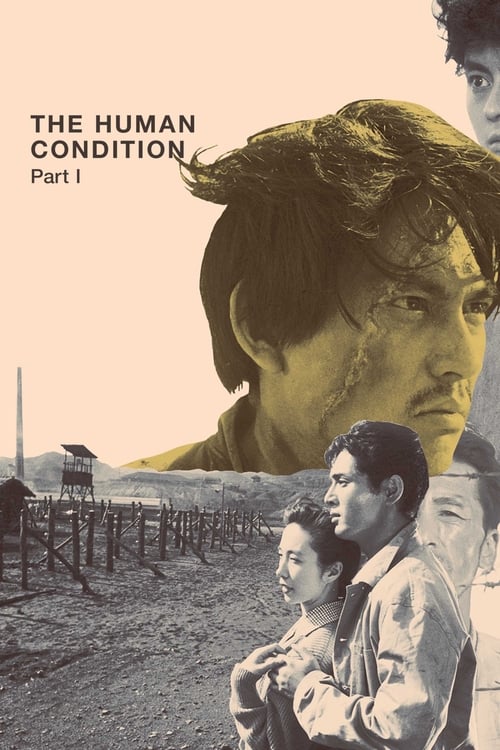
After handing in a report on the treatment of Chinese colonial labor, Kaji is offered the post of labour chief at a large mining operation in Manchuria, which also grants him exemption from military service. He accepts and moves with his newlywed wife Michiko, but when he tries to put his ideas of more humane treatment into practice, he finds himself at odds with scheming officials, cruel foremen, and the military police.
The Human Condition I: No Greater Love
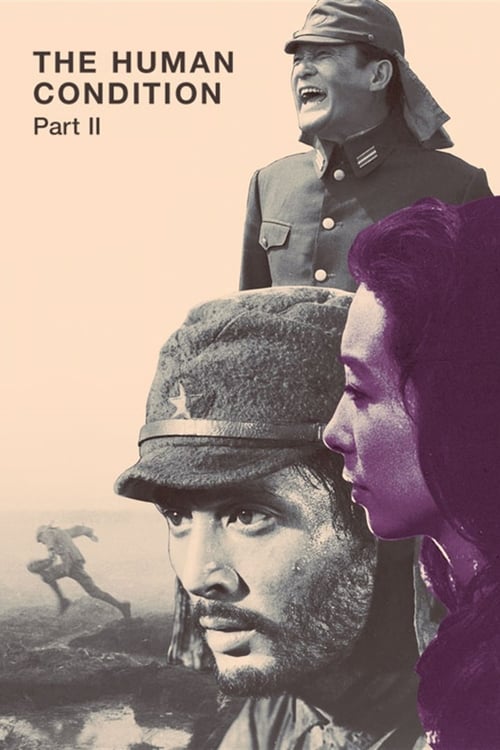
Kaji, sent to the Japanese army labeled Red, witnesses cruelties in the army and revolts against the abusive treatment against a fellow recruit. He also sees his friend Shinjô defecting to the Russian border, and he ends in the front to fight a lost battle against the Russian tanks division.
The Human Condition II: Road to Eternity
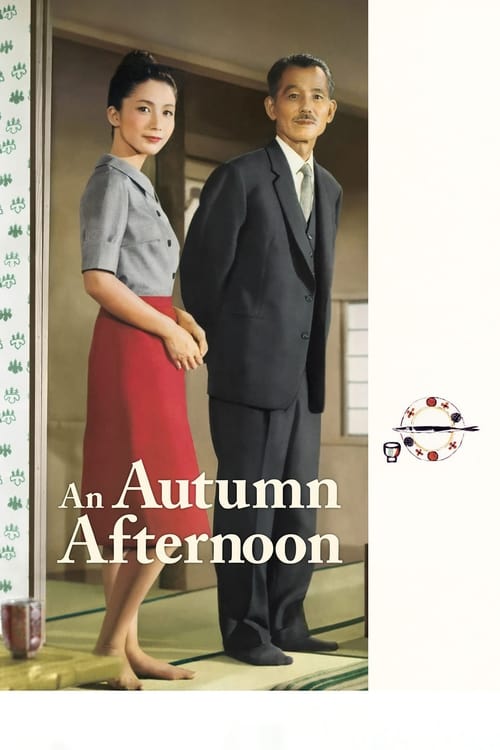
Widower Shuhei Hirayama's caretaker is his 24-year-old daughter, Michiko. Gradually, he comes to realize that Michiko should not be obliged to look after him for the rest of his life, so he arranges a marriage for her.
An Autumn Afternoon
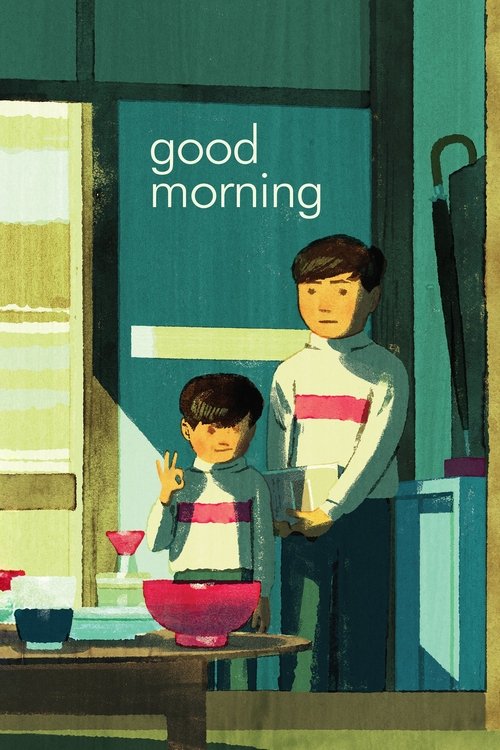
A lighthearted take on director Yasujiro Ozu’s perennial theme of the challenges of intergenerational relationships, Good Morning tells the story of two young boys who stop speaking in protest after their parents refuse to buy a television set. Ozu weaves a wealth of subtle gags through a family portrait as rich as those of his dramatic films, mocking the foibles of the adult world through the eyes of his child protagonists. Shot in stunning color and set in a suburb of Tokyo where housewives gossip about the neighbors’ new washing machine and unemployed husbands look for work as door-to-door salesmen, this charming comedy refashions Ozu’s own silent classic I Was Born, But . . . to gently satirize consumerism in postwar Japan.
Good Morning

Five longtime friends get back together, but are disappointed to find that their bonds are not as strong as they once were.
Farewell to Spring
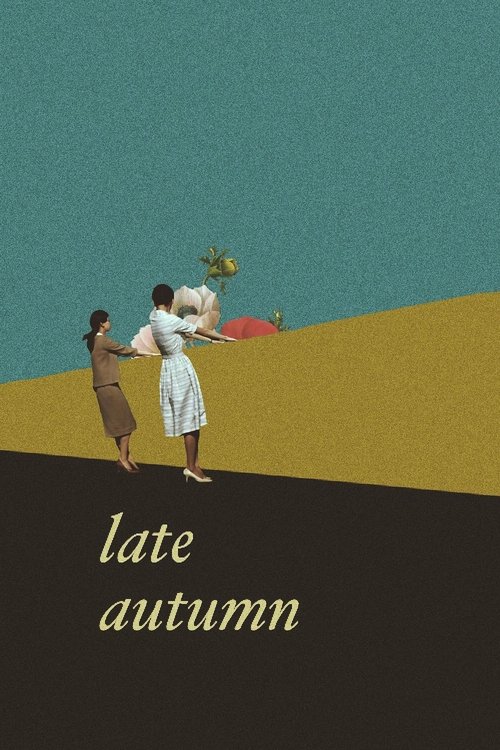
A woman and her daughter are each forced to contend with an increasing pressure to marry, particularly from three men who knew her late husband.
Late Autumn
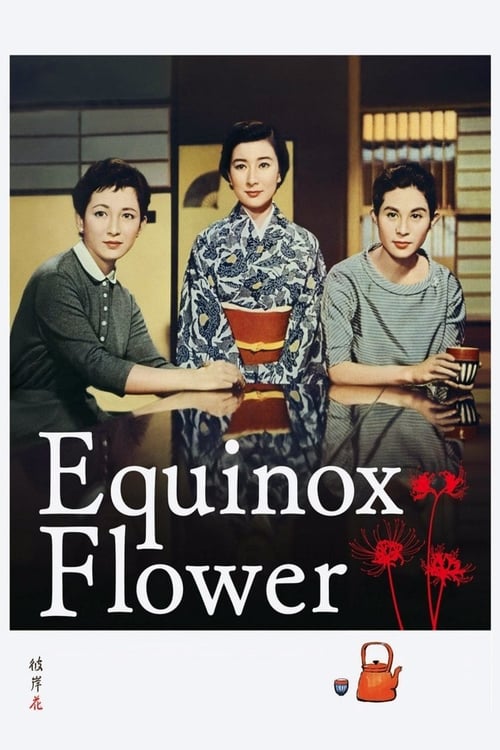
Wataru's outwardly liberal views on marriage are severely tested when his daughter declares her love for a coworker and is adamant to live her own way, instead of agreeing to an arranged marriage. Outwitted by his female relatives, Hirayama stubbornly refuses to admit defeat.
Equinox Flower
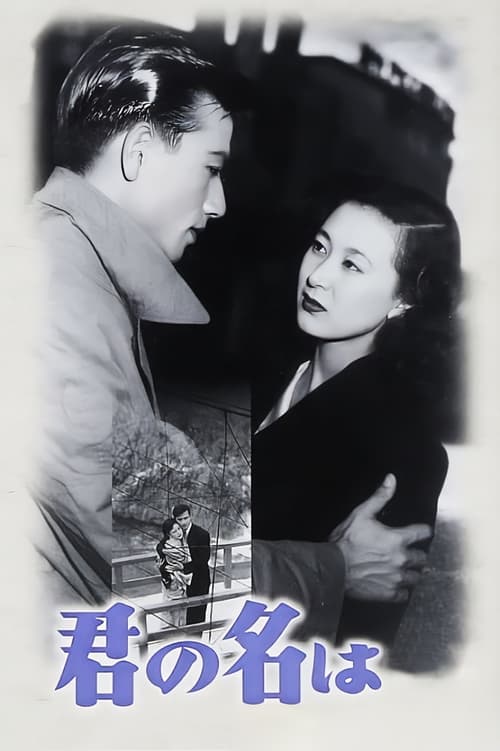
Machiko Ujiie and Haruki Atomiya first meet and fall in love on Ginza’s Sukiyabashi Bridge during the Great Tokyo Air Raid in March 1945. Machiko and Haruki pledge to meet again at the bridge in six months but part without asking each other’s names.
Always in My Heart
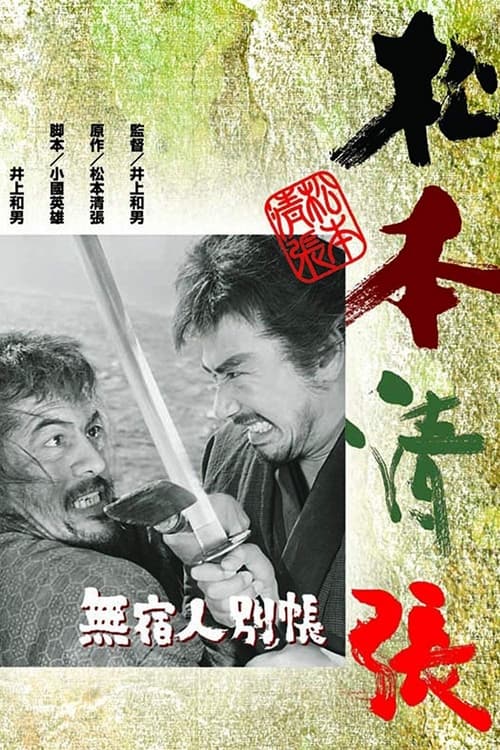
This suspense drama set in the mid 1700's depicts the plan of the Tokugawa rulers to send a number of homeless men to a remote island Sado to perform forced labor. Living conditions on the island are terrible and the men soon become rebellious. Based on a short story by Seichō Matsumoto.
Escape from Hell
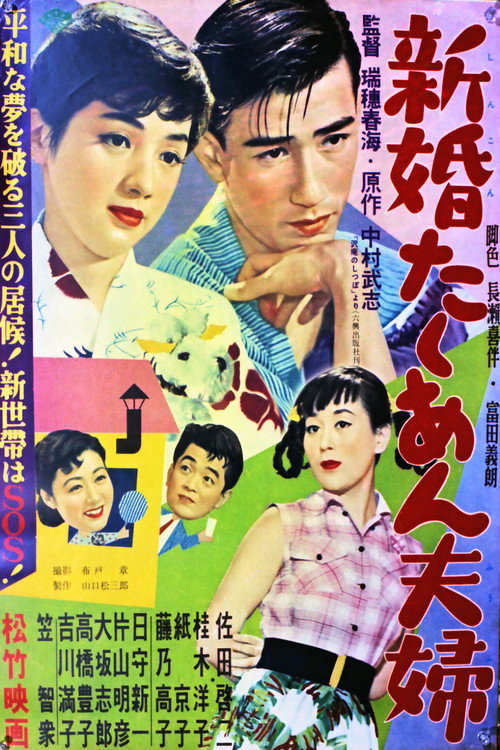
No description available.
新婚たくあん夫婦
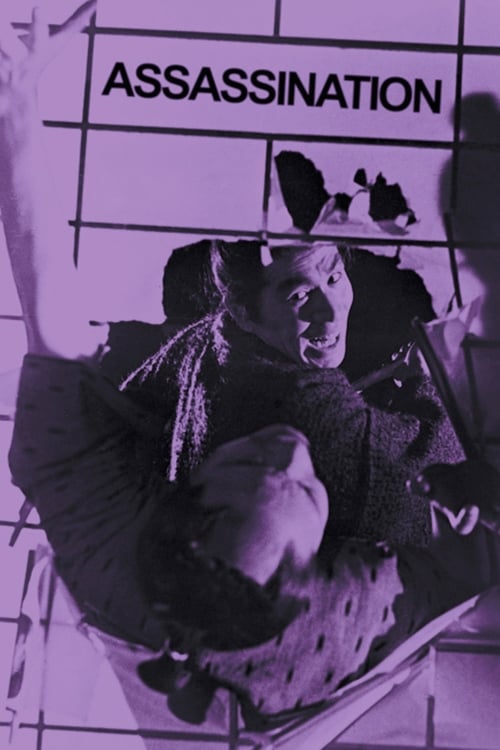
In 1863, when American warships approach Japan, an enigmatic ronin becomes an important figure in a complex game of power between the Shogunate and the empire.
Assassination
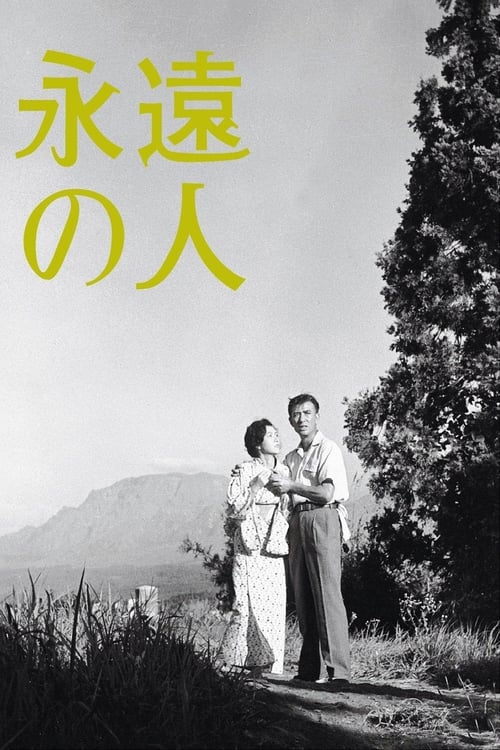
A young woman is forced by circumstance into a loveless marriage while still in love with another. This episodic tale follows their story through three decades of bitter conflict which engulfs their children and those around them.
Immortal Love
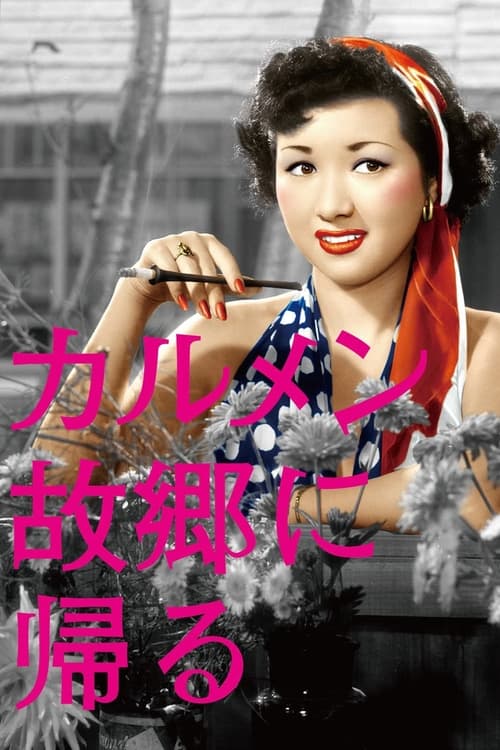
A rural village elder plans an event on the return of a farmer's daughter from the city, unaware that she has become a Westernized burlesque artist.
Carmen Comes Home
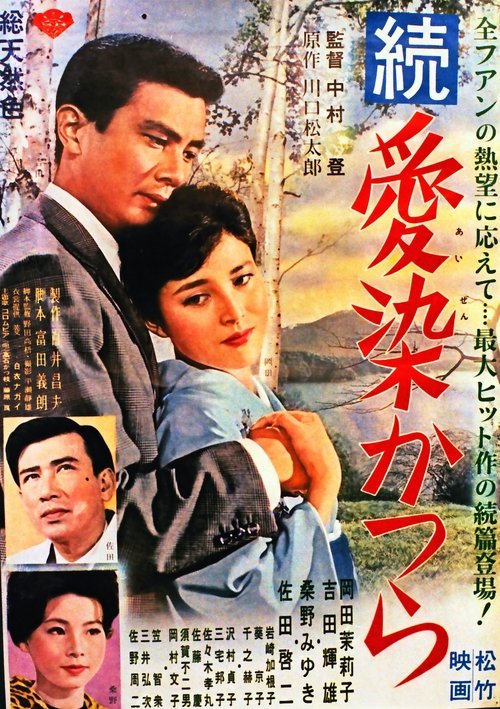
1962 Japanese movie
Zoku aizen katsura
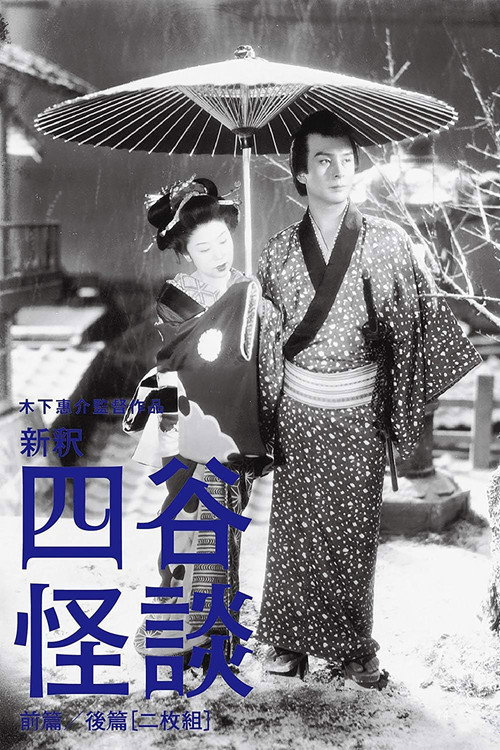
Iemon Tamiya is an impoverished masterless samurai who craves a better life, which he cannot have because of his marriage to Oiwa, who is completely devoted to her husband.
Yotsuya Ghost Story Part 1
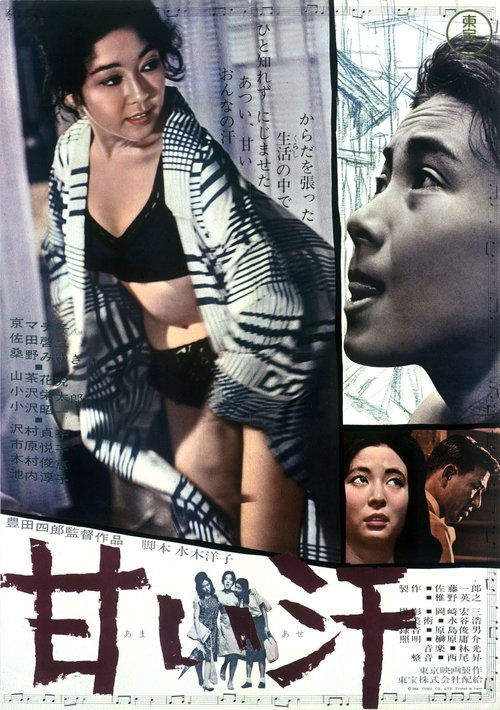
This film by Toyoda depicts the hard life of an unmarried mother in Tokyo. Umeko (Machiko Kyo), at 36, is working in a bar, struggling valiantly to keep her family together. Her 17-year-old daughter Takeko becomes increasingly upset by her mother's constant drinking and yakuza boyfriend, and runs away from home. Kyo's performance was highly praised.
Sweet Sweat
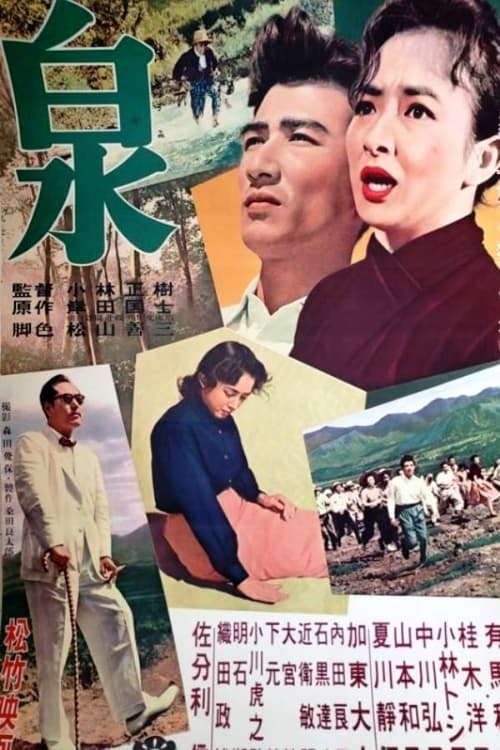
A botanist woos the secretary of an industrialist whose company threatens the local water supply.
Fountainhead
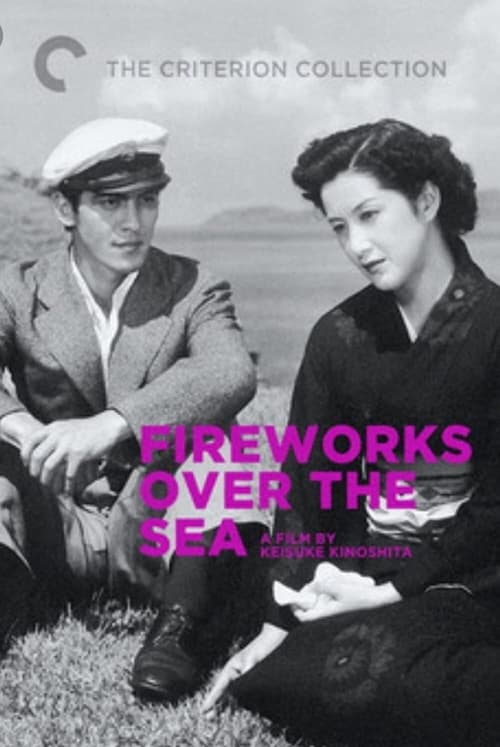
A fishing union depends on two brothers to make up the losses caused by the dishonest captains they replaced.
Fireworks Over the Sea
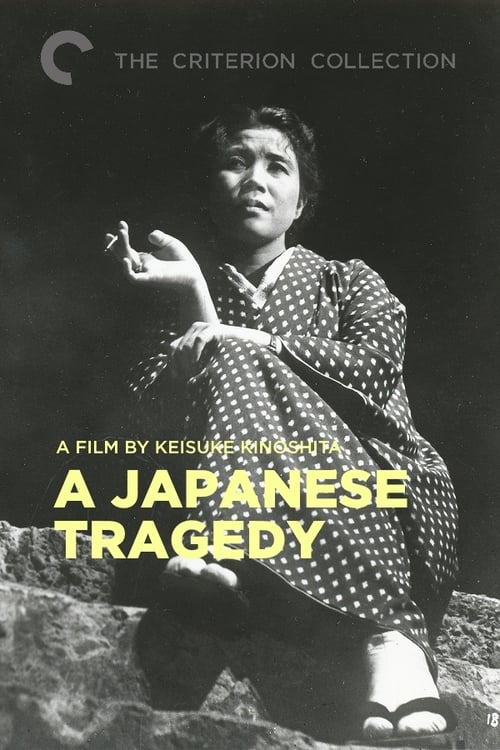
At the close of the war in Japan, a widowed mother makes every possible sacrifice to bring up her ungrateful son and daughter who are unimpressed with their poor standard of living at home. They gradually reject her in search of the material comforts that working as a maid cannot provide. The mother's despair becomes interminable.