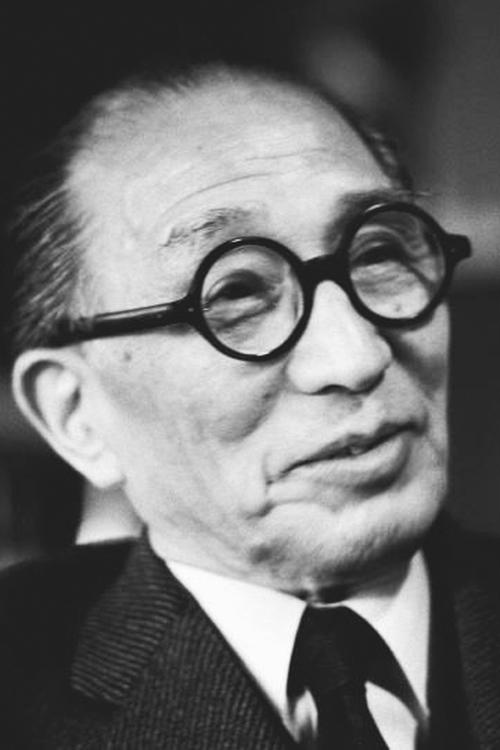
Teinosuke Kinugasa
Directing
Biography
Teinosuke Kinugasa (衣笠 貞之助 Kinugasa Teinosuke) (1 January 1896 – 26 February 1982) was a Japanese actor and film director. He was born in Kameyama, Mie Prefecture and died in Kyoto. Kinugasa won the 1954 Palme d'or at Cannes for Jigokumon (The Gate of Hell). Kinugasa was among the pioneers of Japanese film, but began his career as an actor specializing in female roles (onnagata) at the Nikkatsu studio. When Japanese cinema began using actresses in the early 1920s, he switched to directing and worked for such producers as Shozo Makino before going independent to make his best known film, A Page of Madness (1926). On February 26, 1982, Kinugasa died at the age of 86. Description above from the Wikipedia article Teinosuke Kinugasa, licensed under CC-BY-SA, full list of contributors on Wikipedia.
Known For
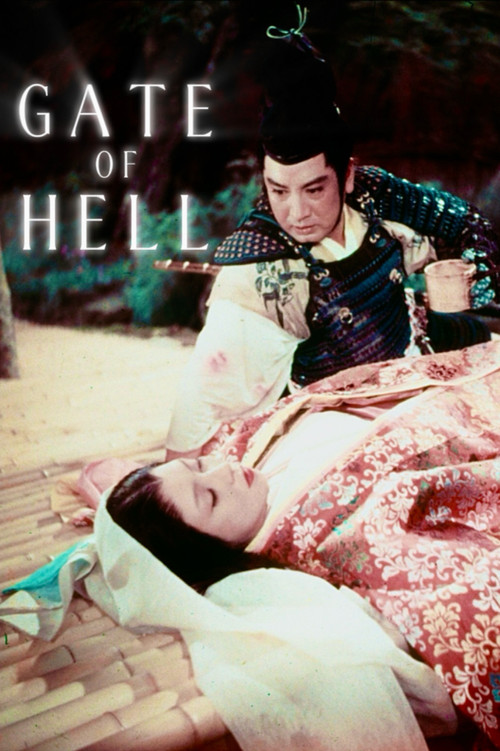
Japan, 1159. Moritō, a brave samurai, performs a heroic act by rescuing the lovely Kesa during a violent uprising. Moritō falls in love with her, but becomes distraught when he finds out that she is married.
Gate of Hell

A man takes a job at an asylum with hopes of freeing his imprisoned wife.
A Page of Madness
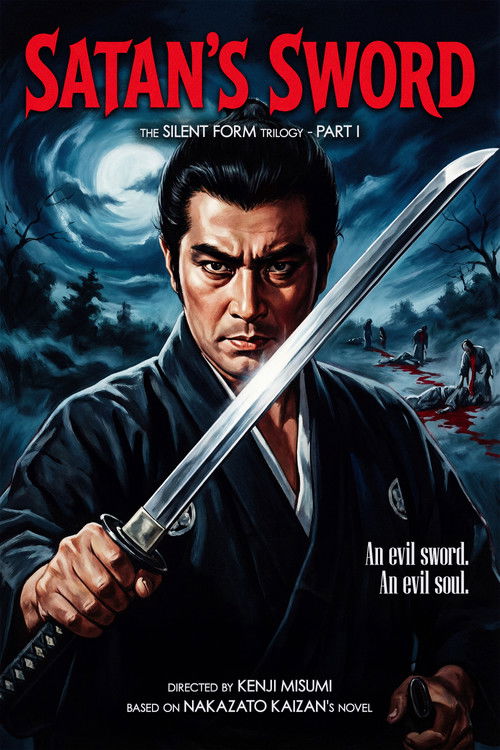
The Dai-bosatsu toge trilogy is based on Kaizan Nakazato's unfinished long series of novels (41 books, written from 1913 to 1941). Set in the last period of the Tokugawa Shogunate, Daibosatsu Toge tells the story of Ryunosuke Tsukue, a nihilistic swordmaster who doesn't hesitate to kill anyone, bad or good.
Satan's Sword
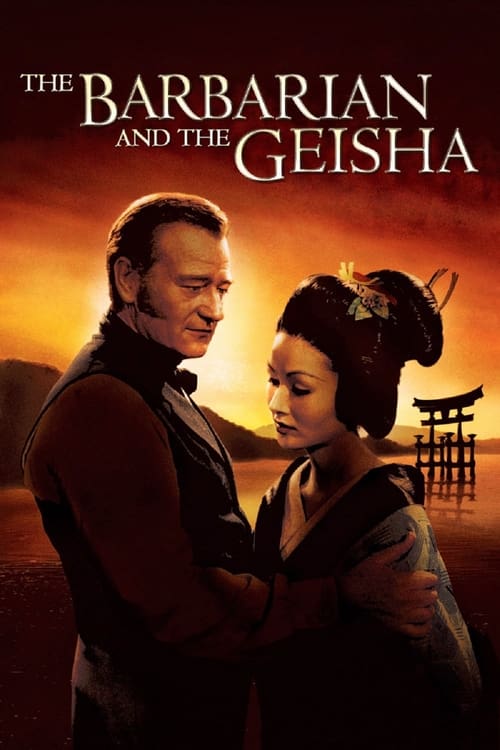
Townsend Harris is sent by President Pierce to Japan to serve as the first U.S. Consul-General to that country. Harris discovers enormous hostility to foreigners, as well as the love of a young geisha.
The Barbarian and the Geisha
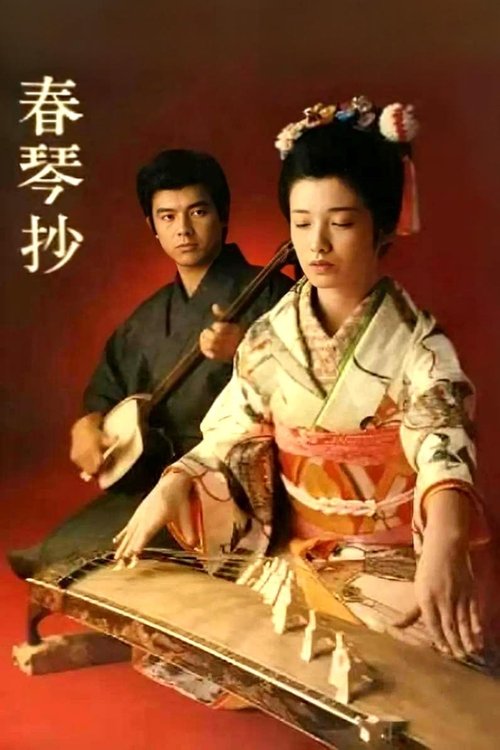
Okoto is blind since childhood. Her young servant Sasuke is in love of her. One day Koto is badly scarred on her face. In order to preserve the memory of her once beautiful face, Sasuke takes away his own sight.
A Portrait of Shunkin
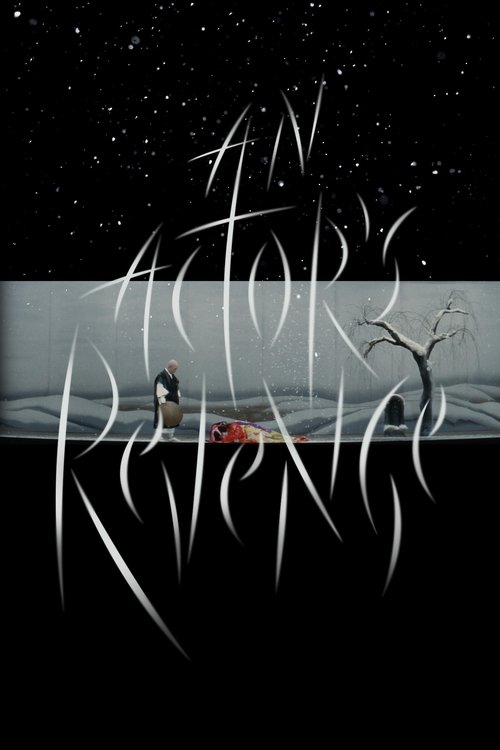
In Edo Japan, a kabuki actor seeks revenge against the three men who drove his parents to their deaths years ago.
An Actor's Revenge
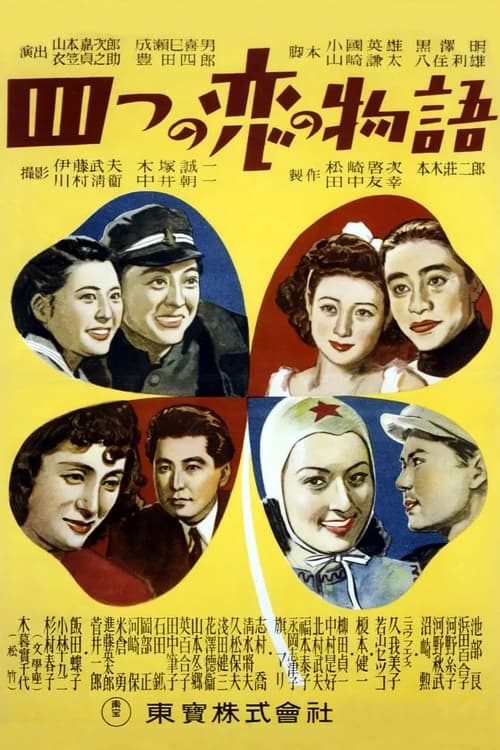
Omnibus of love stories from 1947 directed by famous directors, featuring big stars.
Four Love Stories
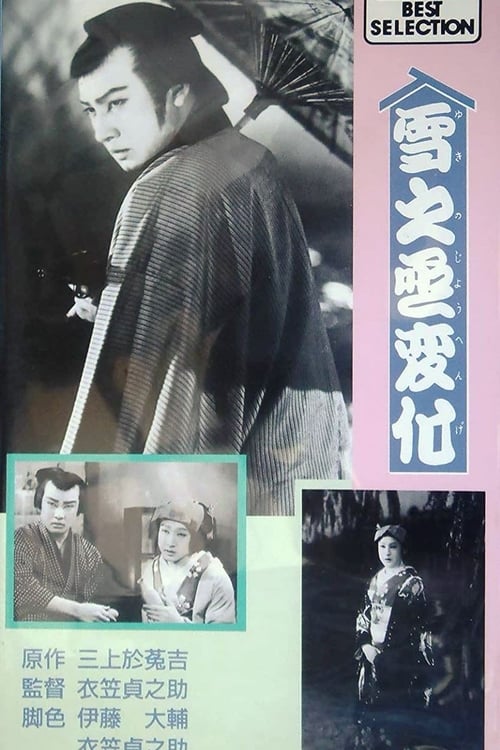
An onnagata (female impersonator) of a Kabuki troupe avenges his parents' deaths. Remade in 1963 as Yukinojô Henge.
An Actor's Revenge
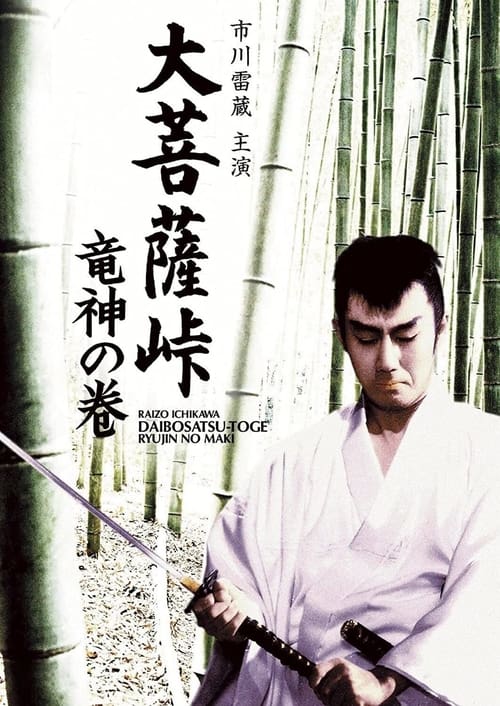
The sequel to Daibosatsu tôge (1960) and the second of the trilogy follows the adventures of Ryunosuke Tsukue after he is blinded.
Satan's Sword: The Dragon God
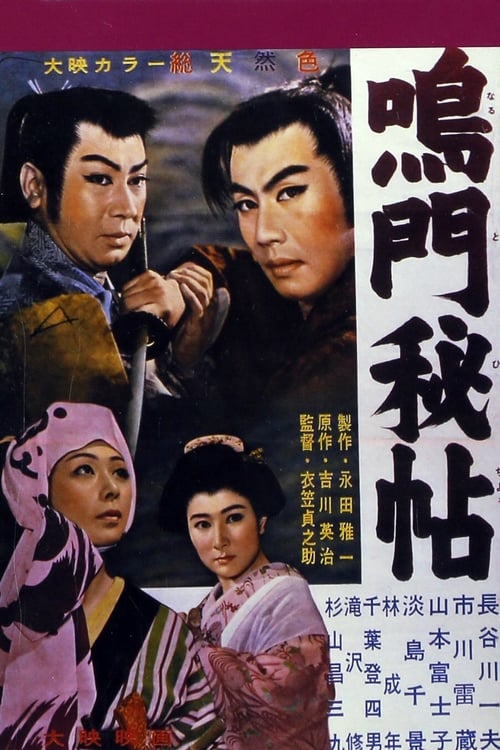
From the pen of Yoshikawa Eiji comes this exciting story. The Naruto Strait separates Tokushima from the islands of Awaji and Honshu. On Tokushima the mad lord dreams of conquest and forges a bloody revolt against the Tokugawa shogunate. A mysterious swordsman named Noriyuki Gennojo has crossed Naruto’s waters to uncover the Awa clan’s secrets. He puts his life on the line after finding a testament of Awa’s secrets, written in blood by a dying man. Joining Noriyuki are a female ninja who loves him, and the beautiful daughter of an enemy who’s sworn to kill him. Awa’s defenders willl stop at nothing to prevent the blood-soaked letter from reaching the shogun.
Secret of Naruto

A story loosely based on the affair between Empress Kōken-Shōtoku and the monk Dōkyō, set during the Nara period (710–794 A.D.).
Bronze Magician
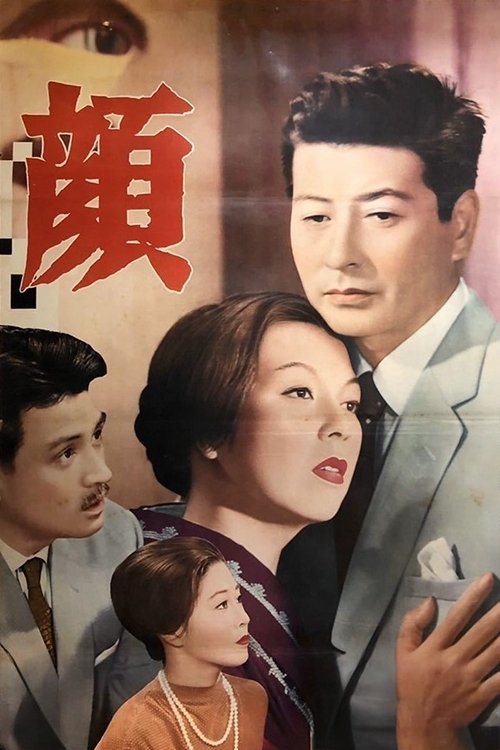
A girl marries her elderly employer but in reality is in love with his son.
The Beloved Image
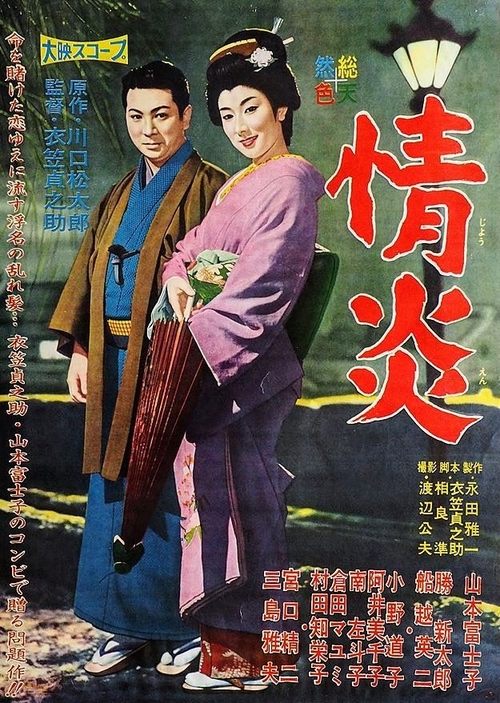
1959 Japanese movie
Jōen
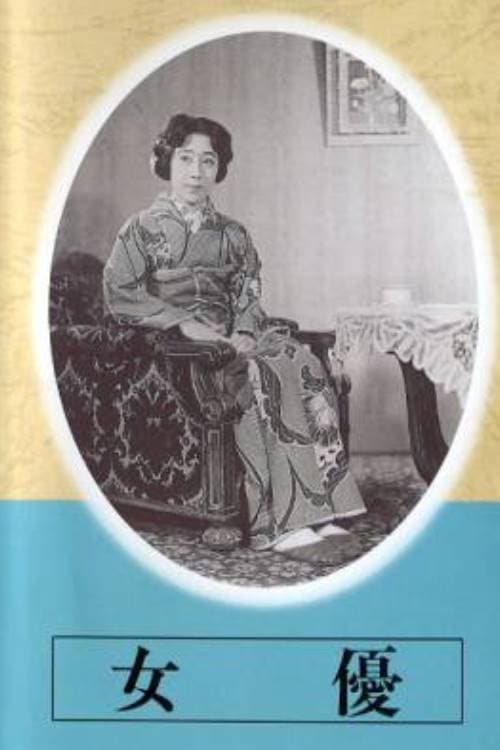
During the late Meiji period, at the beginning of the twentieth century, Sumako, a country girl, becomes a great actress with the help of Hogetsu, a scholar who brought European realism to the Japanese stage. The relationship leads to the end of his marriage and the breakup of his Arts Society.
Actress
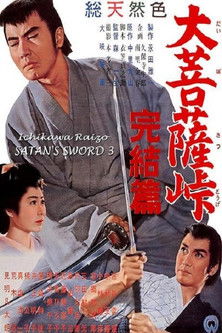
Disguised as a beggar monk, Ryunosuke is harassed along the road by the rowdy members of a country dojo or fencing school malingering outside their fencing hall. The third film in the Satan's Sword trilogy.
Satan's Sword III: The Final Chapter
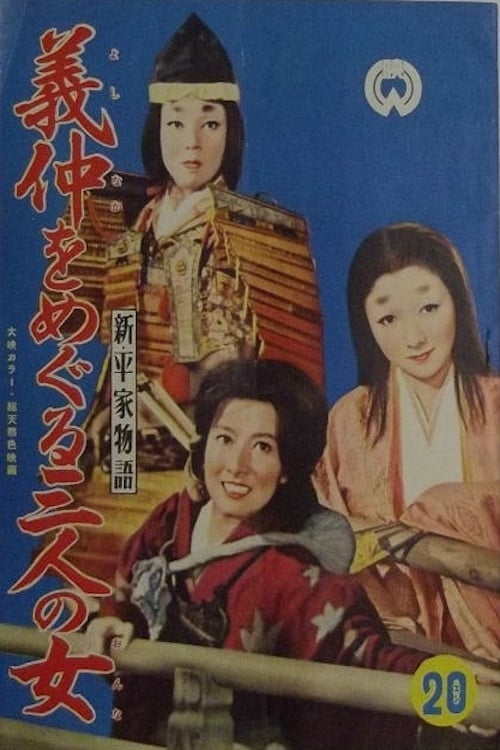
The story of Yoshinaka during the tumultuous period of warring related to us in the Heike Monogatari. Close in setting to Kinugasa’s famous Gate of Hell (1953).
Three Women Around Yoshinaka
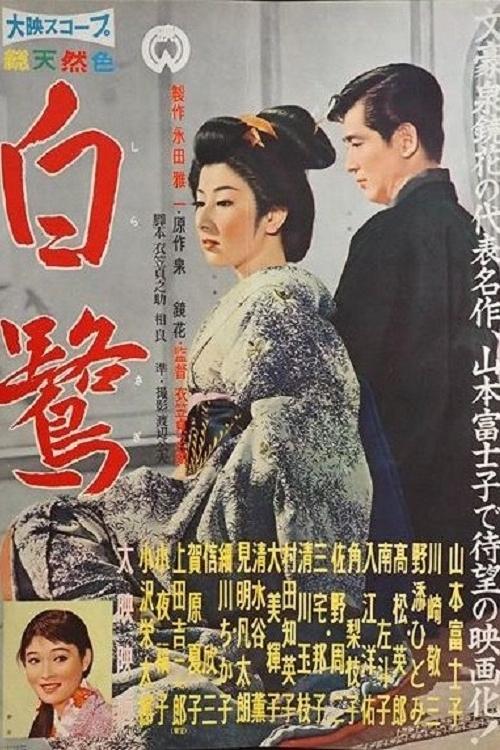
The story follows Oshino, a geisha who is trying to start a new life with a lover who is a painter. However, her past filled with debts and pimps catches up to her.
The Snowy Heron
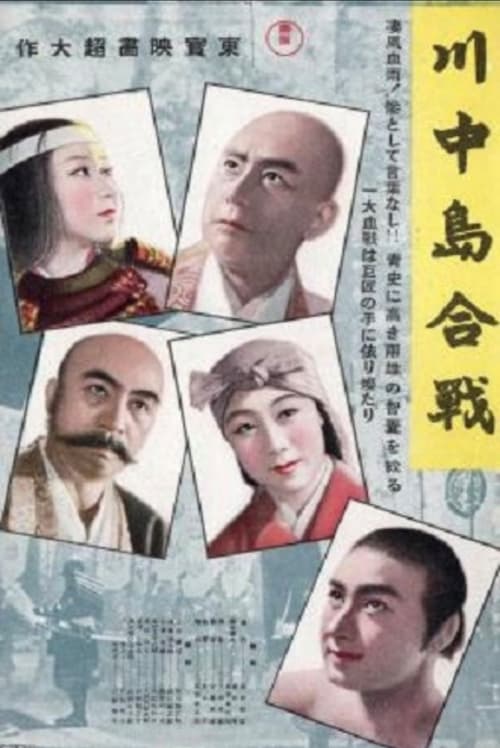
This epic depicts the battle between Uesugi Kenshin and Takeda Shingen. The focus of the story is the struggle by the unit leader in charge of the main supply wagons and the supply troops to transport materiel to the Uesugi army. To this are added episodes involving an itinerant woman.
The Battle of Kawanakajima
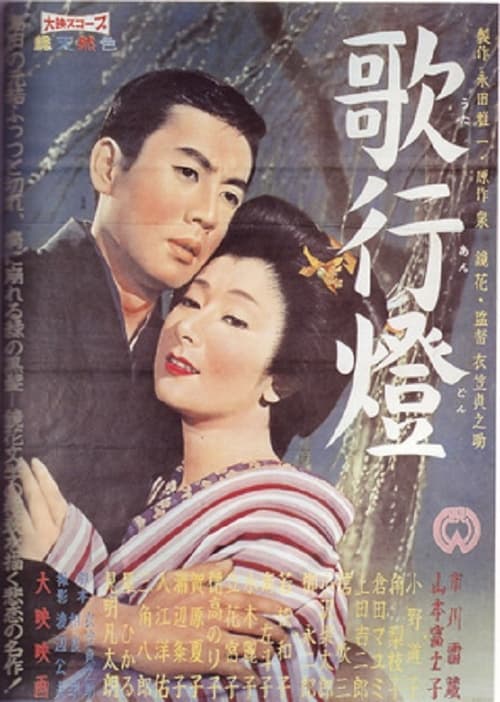
The title of the film reflects the custom of writing poems and lyrics on paper lanterns. The film tells about the difficult relationship between the actors of the Japanese classical theater No, friendship, hatred and love…
The Song Lantern
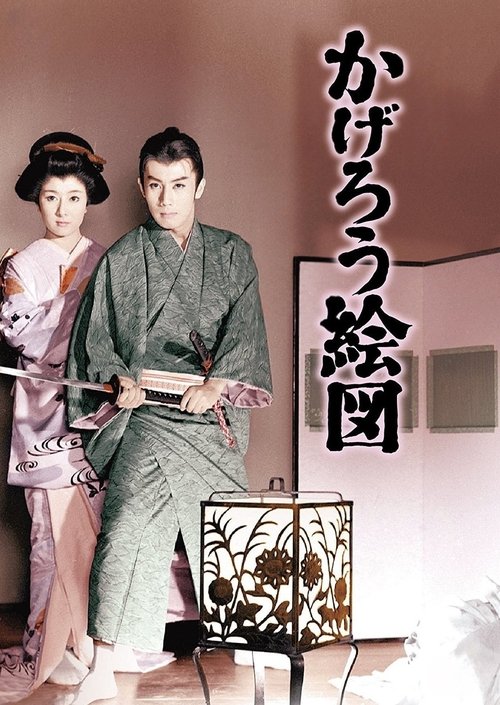
Historical and political detective. The main characters are drawn into court intrigues, and the investigation of corruption in the administration of the shogun Ienari Tokugawa comes to the fore in the plot. Based on the novel of the same name by Matsumoto Seicho.