Acting
No description available.
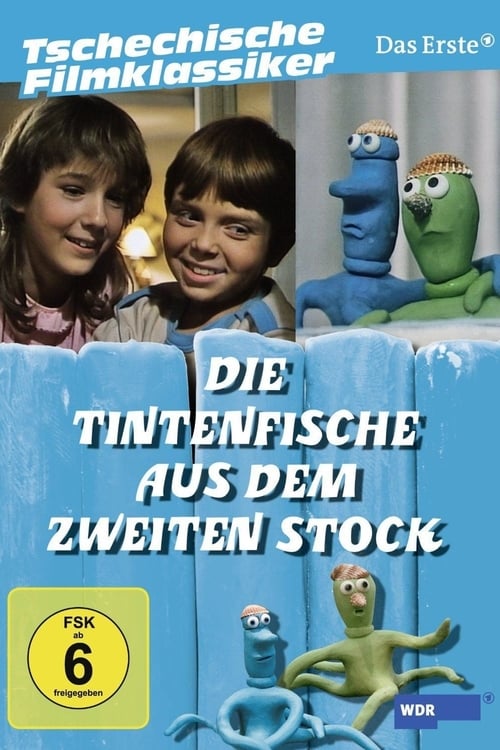
While on vacation with their bickering parents in Portugal, Eva and her little brother Johnny find two strange clots of clay on a polluted beach, who can speak and move on their own. They create two octopuses out of the blue and green material and take them home to Prague, soon discovering that their new pets attract electricity and other disasters.
Sanitka was a Czech television, drama series, first broadcast in 1984 and eleven episodes were made. It starred Jaromír Hanzlík, Tomáš Juricka and Zlata Adamovská among others.
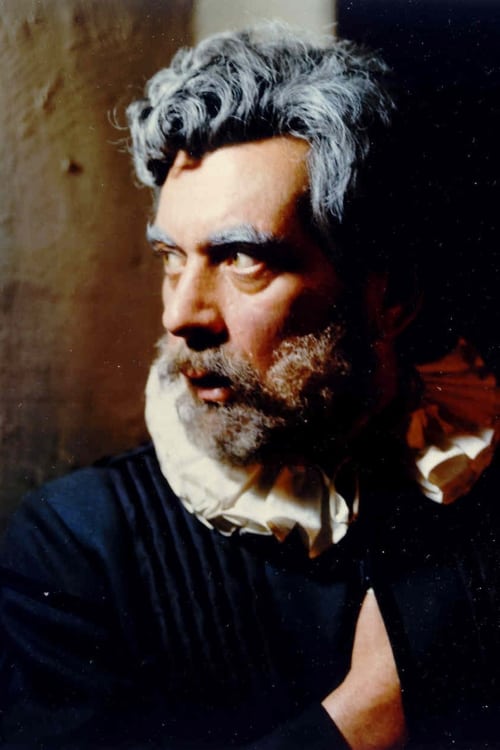
Series about the life of Renaissance anatomist, scholar and politic Johannes Jessenius. Already legendary series today, was produced by Czechoslovak Television Bratislava, directed by Slovak director Miroslav Luther in the first half of 80's in Barrandov Studios in Prague. The story and screenplay of the series wrote Czech writer Vladimír Körner. Five-episodes epic historical narration is a biographical story of distinguished Renaissance scholar, anatomist and politic of Slovak origin, Johannes Jessenius (Ján Jesenský, 1566–1621). It displays his life from the first studies and successes. In 1594 he became professor of surgery and anatomy on Wittenberg University, which he had attended years before. From that moment, his life went through social and personal wins and losses, to the sad end on the Prague Old Town Square gallows, among 27 noblemen, knights and burgenses, after lose Bohemian Revolt in 1621. His destiny was coupled with key events of Czech history in the break of 16th and 17th century, when Renaissance and European humanism slowly fade out.
Life of Czechoslovak soldiers in a military unit for the so called "politically unreliable" - the Technical auxiliary battalions, aka "the black barons". Although it might seem like a political satire and it's mostly funny, it shows the reality and the absurdity of military service under the communist regime. Based on a novel by Miloslav Svandrlik.
Funny banter about love, sex, social status, and other ideals, while a new railway employee is trained and sent on his first run as driver.
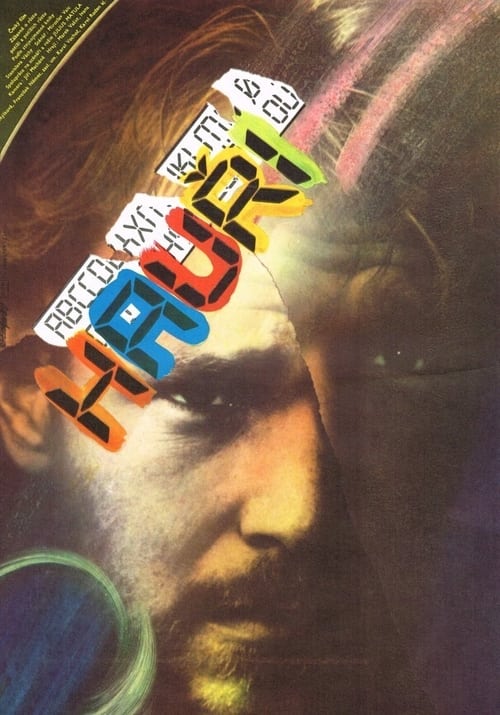
Building themes, however modified, permeated the nationalised cinema throughout its existence. This time, director Július Matula has focused on a young engineer who, with high hopes, accepts a position in a famous agricultural cooperative. However, he soon discovers that behind the proclaimed phrases there is in fact hypocrisy and protectionism. The authors criticise the fact that incompetence is often covered up, that shortcomings end up being cleverly camouflaged, that the social mood favours the mediocre and the adaptable. The hauers present a statement that is courageous, so to speak, within the limits of the law, and call for increased work consciousness.