Directing
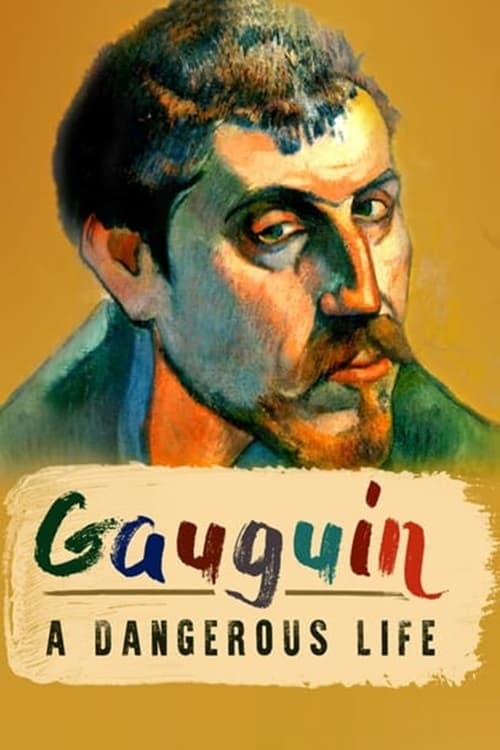
Gauguin’s vivid artworks sell for millions. He was an inspired and committed multi-media artist who worked with the Impressionists and had a tempestuous relationship with Vincent van Gogh. But he was also a competitive and rapacious man who left his wife to bring up five children and used his colonial privilege to travel to Polynesia, where in his 40s he took ‘wives’ between 13 and 15 years old, creating images of them and their world that promoted a fantasy paradise of an unspoilt Eden in the Pacific. Later, he challenged the colonial authorities and the Catholic Church in defence of the indigenous people, dying in the Marquesas Islands in 1903, sick, impoverished and alone.
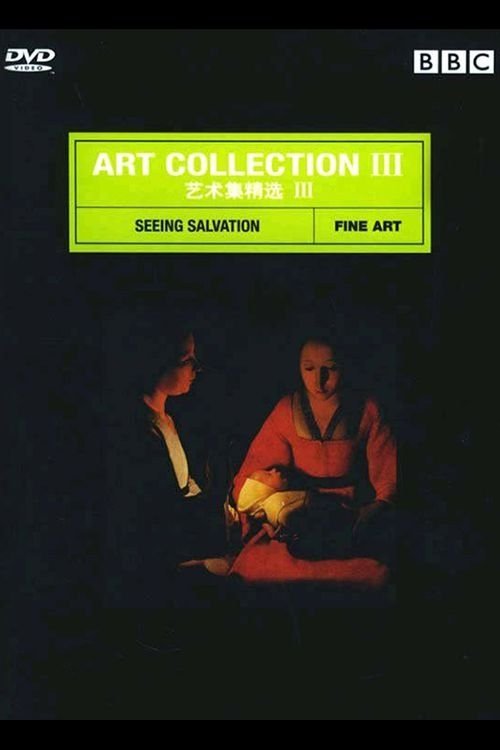
Christianity has produced some of the greatest works of art of all time, in which believers and non-believers alike can explore the great themes of life and death. It is the language in which Leonardo and Michelangelo, Dali and Rembrandt speak to us all about love and suffering, loss and hope. To mark the year 2000, these four programmes, written and presented by Neil MacGregor, Director of the National Gallery, London, consider how artists over two millennia have tackled the extraordinarily difficult task of representing Christ. Without contemporary accounts of Jesus' appearance, artists through the ages have been free to create many images of him - images that sometimes reflect the spiritual world of the artist and other times the desires of the patron or the needs of the spectator. Seeing Salvation is a four part series surveying the historical representations of Jesus Christ in Western European art and sculpture over the centuries since Roman Times.
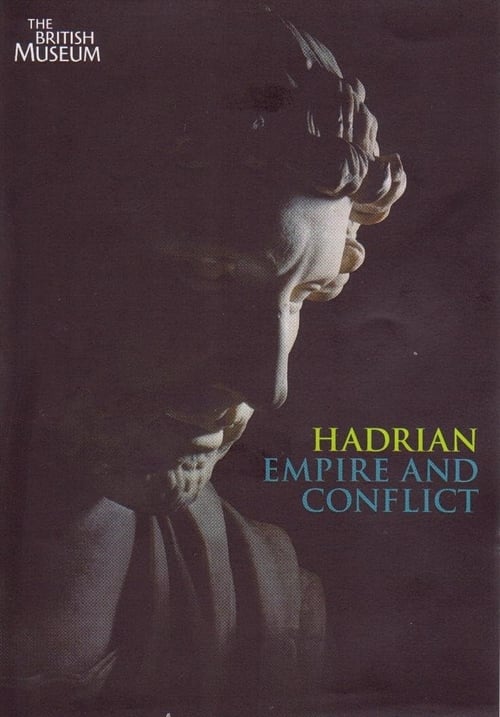
Documentary released to coincide with the British Museum's exhibition dedicated to the man who ruled the Roman Empire from 117 to 138 AD. The programme explores the life, achievements, passions and legacy of the emperor who was both soldier and poet and responsible for that most famous construction - Hadrian's Wall. The documentary was produced in conjunction with the exhibition Hadrian: Empire and Conflict at the British Museum 24 July - 26 October 2008.
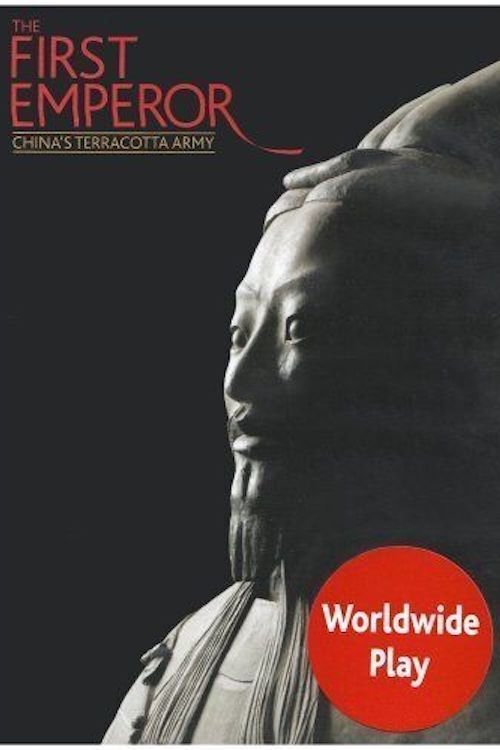
Presented by the British Museum this is the story of the most famous army in the world. A triumph of early mass production and craftmanship, they were dreamt up by a man whose face we will never know; a figure who remains a more shadowy presence than that of his constructed warriors. And yet, Qin Shihuangdi was one of the greatest military leaders in history. Based on the latest research and including location photography at key sites in China, this film sheds new light on the achievements, ambitions and legacy of this enigmatic and intriguing ruler - an emperor who wished to reign for all eternity.
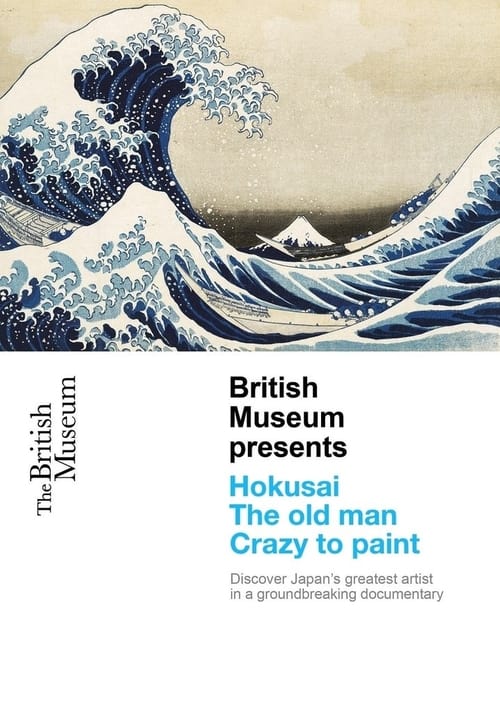
This fascinating new cinema event, British Museum presents: Hokusai, is a groundbreaking documentary and exclusive private view of the forthcoming British Museum exhibition Hokusai: beyond the Great Wave. Filmed in Japan, the US and the UK, the film focuses on Hokusai’s work, life and times in the great, bustling metropolis of Edo, modern Tokyo. Introduced by arts presenter Andrew Graham-Dixon, and featuring artists David Hockney, Grayson Perry and Maggi Hambling, this is the first UK biography of Japan’s greatest artist. Using extraordinary close-ups and pioneering 8K Ultra HD video technology, Hokusai’s paintings and prints are examined by world experts who are at the forefront of digital art history.
Widely acclaimed as one of history's most influential figures in the photographic field, Henri Cartier-Bresson, now in his 90th year, gives a revealing interview about his life, work, ideas and beliefs to coincide with three major London exhibitions. Contributors include fellow photographers Eve Arnold and Lord Snowdon, art historian Ernst Gombrich and Lord Healey.