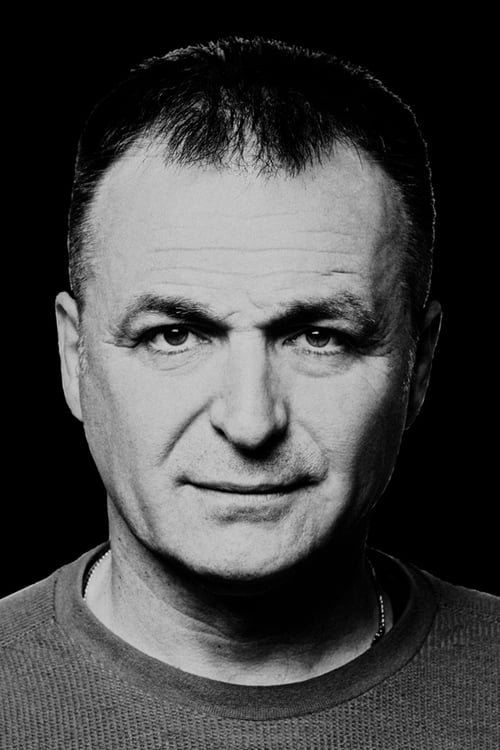
Branislav Lečić
Acting
Biography
From Wikipedia, the free encyclopedia Branislav Lečić (born 25 August 1955 in Šabac, Serbia, FPR Yugoslavia) is a Serbian actor, and politician. He graduated from the Faculty of Dramatic Arts of the University of Belgrade as an actor in 1978. Original founder of the "My Serbia" Movement, he is the President of the Christian Democratic Party of Serbia. He has been very successful in theater, where he received several prizes. He's one of the founders of several of the most important theater groups that influenced theater of the former Yugoslavia. A member of the Yugoslav drama theater (Jugoslovensko dramsko pozorište) from 1980. He is divorced and a father of two. Besides acting, he also took part in political life, being the leader of "Plišana revolucija" (Plush Revolution), during the reign of Slobodan Milošević. After the victory of the DOS in the 2000 presidential elections, he was named the Minister of culture in the government of the late Zoran Đinđić. After Čedomir Jovanović left Democratic Party (Serbia), Lečić followed, and became one of the founders of LDP. Soon afterwards, he left LDP, and founded the "Moja Srbija" (My Serbia) Movement, taking part in Serbian elections in 2008. In early 2010 he and his party merged into the Christian Democratic Party of Serbia. After the death of its founder and long-term leader Vladan Batić due to prolonged and progressive cancerous illness, Lecic was elected DHSS party president. Lečić appears in Boris Malagurski's documentary film The Weight of Chains (2011). Description above from the Wikipedia article Branislav Lečić, licensed under CC-BY-SA, full list of contributors on Wikipedia.
Known For

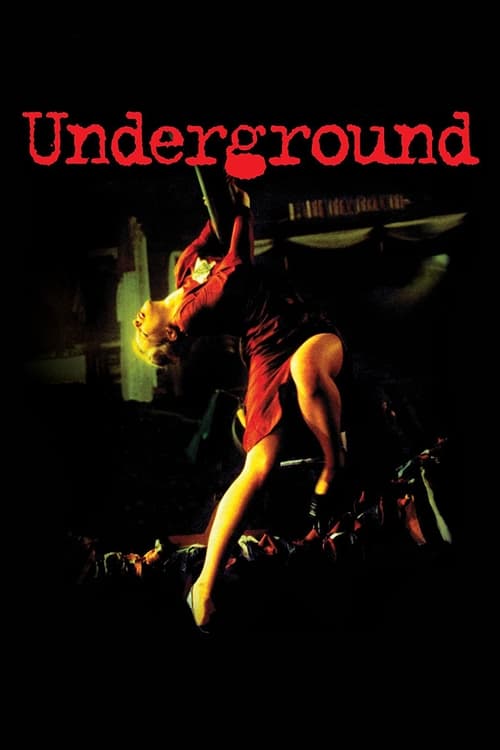
Black marketeers Marko and Blacky manufacture and sell weapons to the Communist resistance in WWII Belgrade, living the good life along the way. Marko's surreal duplicity propels him up the ranks of the Communist Party, and he eventually abandons Blacky and steals his girlfriend. After a lengthy stay in a below-ground shelter, the couple reemerges during the Yugoslavian Civil War of the 1990s as Marko sees the opportunity to exploit the situation.
Underground

It follows the two lead characters, Svaba and Ekser, as they try to make a living on the streets of Belgrade through the life of petty crime. Making matters worse is the fact that Shvaba owes a lot of money to a local big-shot criminal. And just when things seem lost for the two men, Shvaba's mother inherits a house in Baranda - a village near Belgrade no one's ever heard of. As Shvaba and Ekser happily rush to Baranda, hoping to sell the house and solve all their problems, the villagers are equally happy to see them, thinking that two businessmen from Belgrade are finally taking an interest in their village...
The Storks Will Return

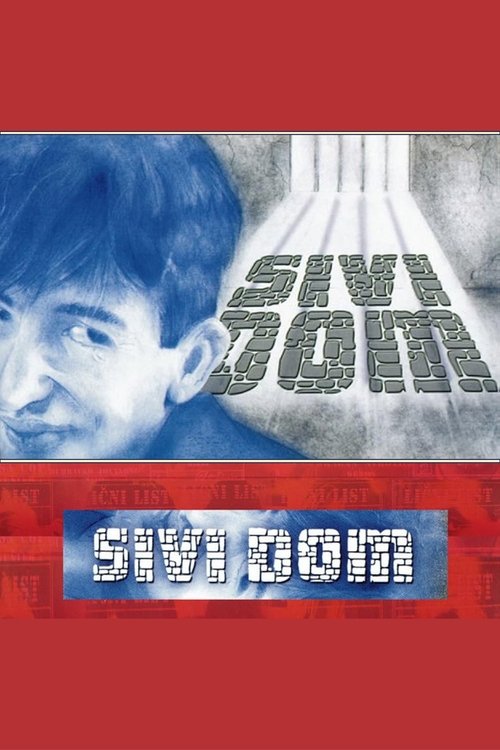
A moving story about the residents of correctional facility, rejected by parents and environment. Going through a strict regimen of life in the home, they are constantly trying to reverse the fate in their favor. Although they were given a chance to change, their actions always return to the beginning. Constantly on the border between personal whims and once-in-a-lifetime opportunity to become humans, they remain as wolves who find hard to change their mood. What finally remains is a perpetual dilemma whether their fate is innate, or is it forced by the communities in which they grew up...
Grey Home

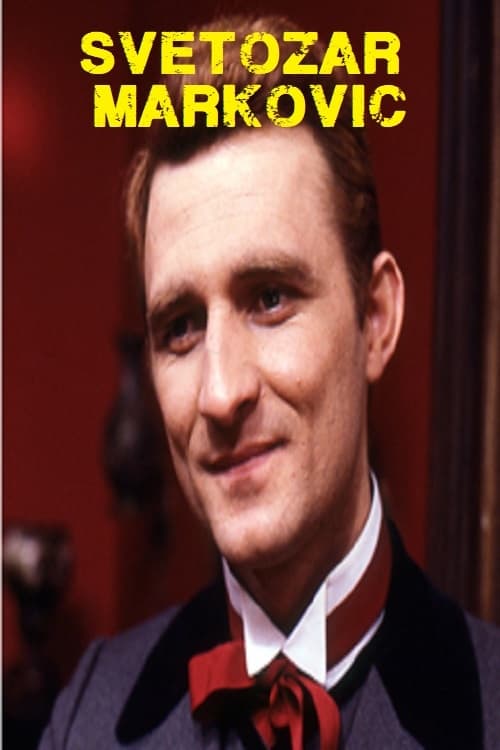
A biopic of an influential Serbian political activist, literary critic and philosopher. Svetozar Markovic developed an activist anthropological philosophy with a definite program of social change, which set foundations for socialist ideals in his homeland.
Svetozar Markovic

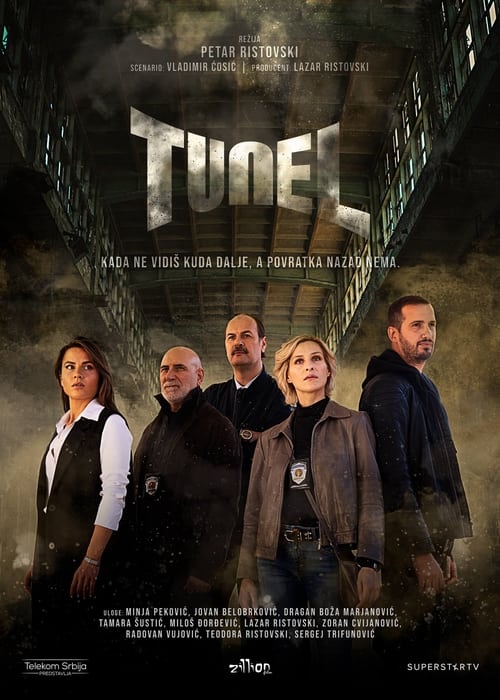
A tense psychological drama based on police reports depicts the work and lives of members of the negotiating group of the Ministry of Interior Affairs of Serbia, whose work takes place on the border between life and death
Tunnel

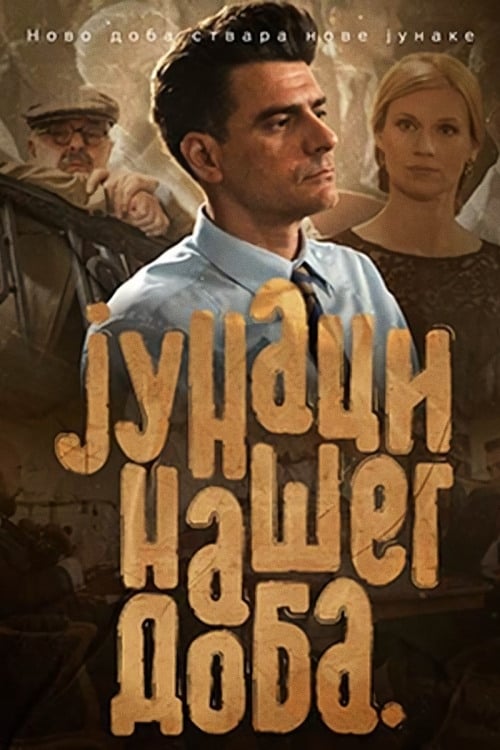
A well-educated family man realizes that his life is in crisis. Could the next generation do better?
The Heroes of Our Time

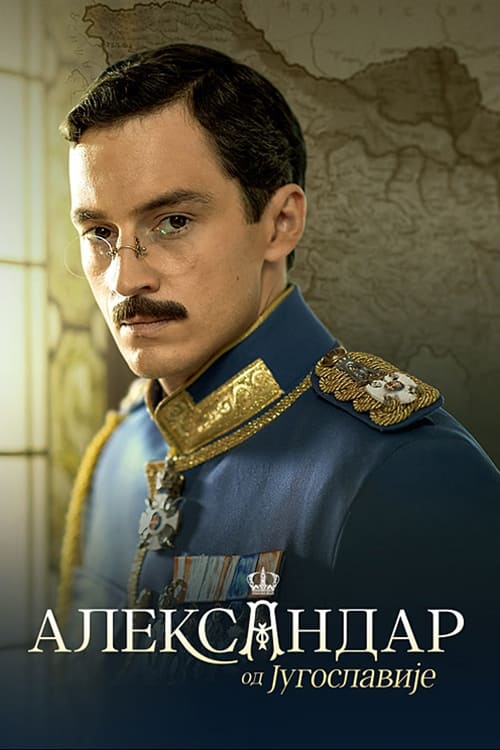
The series covers the period from the entry of King Alexander into liberated Belgrade after the end of the First World War until the assassination in Marseilles.
Alexandar of Yugoslavia

Black marketeers Marko and Blacky manufacture and sell weapons to the Communist resistance in WWII Belgrade, living the good life along the way. Marko's surreal duplicity propels him up the ranks of the Communist Party, and he eventually abandons Blacky and steals his girlfriend. After a lengthy stay in a below-ground shelter, the couple reemerges during the Yugoslavian Civil War of the 1990s as Marko sees the opportunity to exploit the situation. An extended television version of Emir Kusturica's Palme d'Or winning Underground.
Once Upon a Time There Was a Country

Vuk Karadžić, is а Yugoslavian historical drama television series which depicts the life and work of Vuk Stefanović Karadžić, a Serbian linguist and major reformer of the Serbo-Croatian language.
Vuk Karadžić

A Croatian crime television mini-series by Roman Majetic. The plot begins with the assassination of the Croatian Prime Minister and follows efforts to uncover the perpetrators, with the help of police and other security services from neighboring Serbia and Montenegro.
Conspiracy

The story of a forced march of the first proletarian shock brigade during World War II.
The Igman March

After WWI, two friends, awarded officers return to their lives in peacetime. One of them becomes a commander of the gendarme's, while the other gets into conflict with the authorities and gets imprisoned, but escapes soon. A former hero becomes an outlaw hunted by the police.
The Outlaw

Luka Banjanin is an unemployed young man living with his parents in Belgrade. He hangs out with few devoted friends who, like him, are yet to find place in a society that discarded young intellectuals. He plays saxophone and dreams about going to Oktoberfest, the annual beer festival in Munich, but he's being unable to get passport because of a smaller drug incident he had in the past. Totally careless about his long-term girlfriend, he suddenly falls for a mysterious woman who seems to appear in the same places as him, and then vanishes as quickly as possible. Believing that he's at the wrong place at the wrong time, Luka wanders from one misadventure to another, gradually losing the contact with reality and living out his own Oktoberfest in his mind.
Oktoberfest

The story evolves around the Arian sect. During the III century AD they have seriously shaken the very foundations of Christian world. It is also known that in this region they had a stronghold between towns of Sirmium and Belgrade. "Labyrinth" is not only the story about our times, but a story of our roots.
Labyrinth

Silent Gunpowder (Serbo-Croatian: Gluvi barut) is a Yugoslavian war film Based on a novel by Branko Ćopić and set during World War II, the film tells the story of a Serbian village in the mountains of Bosnia and its villagers who found themselves divided along two opposing ideological lines, represented by the Chetniks and the Partisans. These two opposing sides are personified in the Partisan commander Španac and a former Royal Army officer Radekić. Španac sees Radekić as the cause of villagers' resistance to the new, Communist, ideology and so the main plot axis is the conflict between them. At the 1990 Pula Film Festival, the film won the Big Golden Arena for Best Film, as well as the awards for Best Actor in a Leading Role (Branislav Lečić), Best Film Score (Goran Bregović). The film was also shown at the 1991 Moscow International Film Festival, where both Branislav Lečić and Mustafa Nadarević won the Silver St. George Award for their performances.
Silent Gunpowder

A story about friendship between two boys coming from different social backgrounds, but with the equally bitter family experiences.
Blackbird

In 1389, the Serbian prince Lazar Hrebeljanović refused to submit to the Turkish Sultan Murat, who was invading Serbia with a large army, in order to continue conquering Europe through it.
Battle of Kosovo

The story of three boys who, fascinated with seventh art magic, decide to escape from their remote village straight to Hollywood. In the same time, a local policeman frantically organizes a reception for the president of the state. His "strictly controlled" citizens, under the influence of events in Cuba, in 1962. start dividing in two parties, resolved to succeed where Khruschev and J.F.K. have failed.
Three Tickets to Hollywood

Till recently a University professor, a bohemian writer, a member of Belgrade's intellectual circles and a passionate opponent of the Milosevic's regime meets the man, unknown to him, but who knows every tiny detail of his life. Man tells him a story and plot unfolds unimaginably.
The Professional

Works and private lives of 800 female employees in the textile factory named "Star".