Andrea Ritterbusch
Directing
Known For
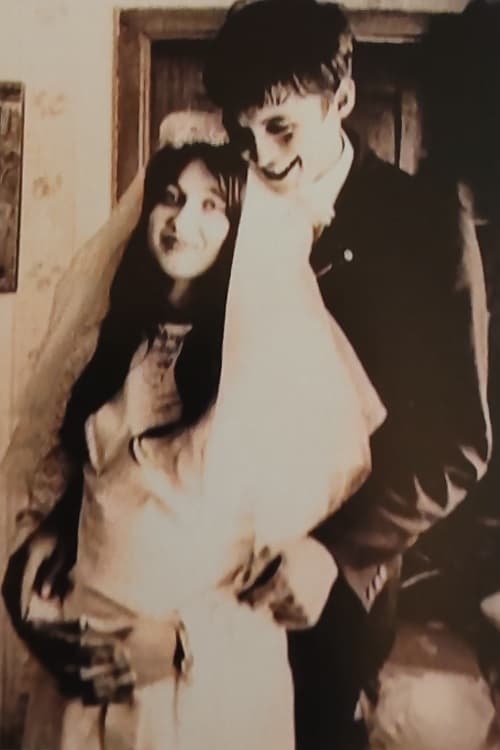
The film sheds light on the topic of the high divorce rate among young people in the form of journalistic statements and scenes as well as analytically reflected statements and statements of experience by sociologist Dr. Ursula Hempel, divorced and single mother of two adolescent children, and her cousin, a puppeteer who is also divorced.
...dann antworten Sie mit JA!
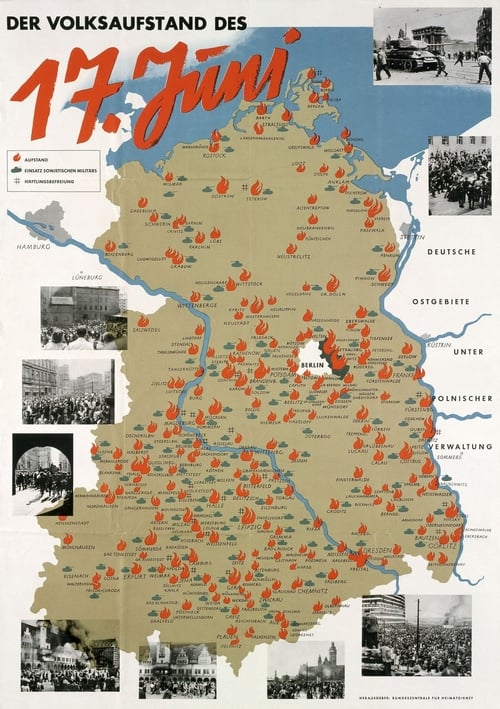
"GDR The uprising of June 17, 1953" - : Since its founding, the German Democratic Republic (GDR) has repeatedly struggled with domestic political problems. While the standard of living of the population in the western part of Germany steadily increased, it stagnated in the GDR . A one-sided, industry-oriented reconstruction policy, coupled with rapid militarization, weighed on the country's economy, which was already under pressure from Soviet reparations demands. A majority of the population did not identify with the socialist system, which accordingly stood on shaky ground.
DDR: Der Aufstand vom 17. Juni 1953
Two young singers rehearse Eisler's "Ernste Gesänge", his last work, in which the prompt for the film's title can also be found. What is decisive in this film is the encounter with Eisler and his music, the consistency with which he thought about art and people. You can hear tape recordings of Hans Bunge in conversation with Hanns Eisler.
Komm! Ins Offene, Freund! oder Gegen die Dummheit in der Musik
East German short film directed by Andrea Ritterbusch