Writing
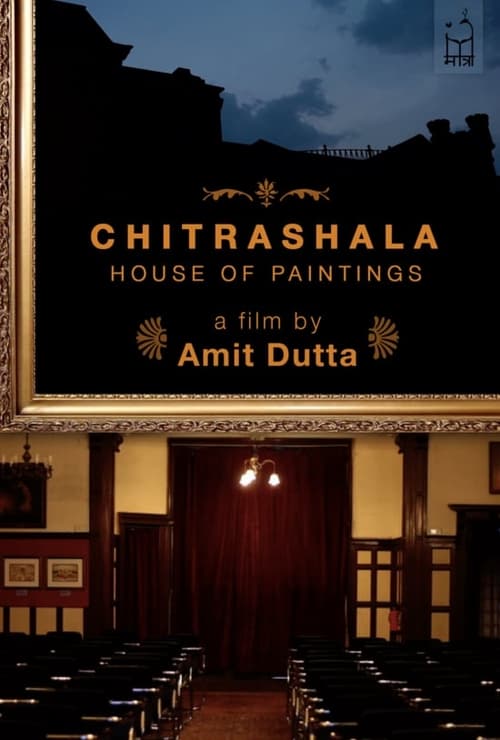
When a gallery of paintings becomes emptied of its spectators, the curtains raise within the paintings.
Led by mysterious sounds and footprints, a painter wanders within a surreal space of the forest, his own paintings and oneiric spaces.
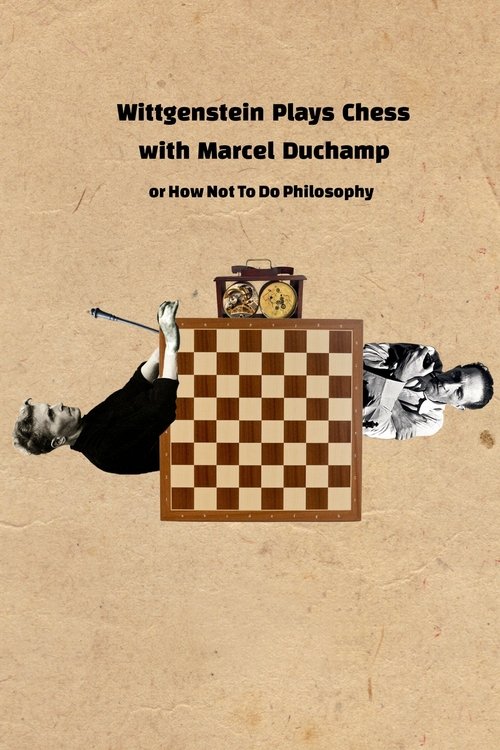
The project attempts to push the boundaries of cinema by juxtaposing it with ideas from philosophy, visual art, chess, mathematics, geometry, linguistics and psychology
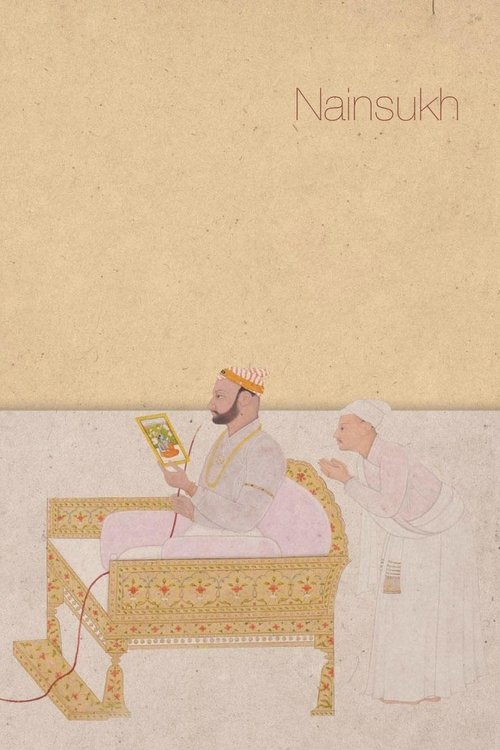
The 18th-century Indian painter Nainsukh of Guler receives a poetic, visually stunning tribute from a young Indian filmmaker employing an arresting pictorial language. Shot in the region where Nainsukh produced his most celebrated work, this is a meditative and meticulous recreation of the world of an artistic genius.
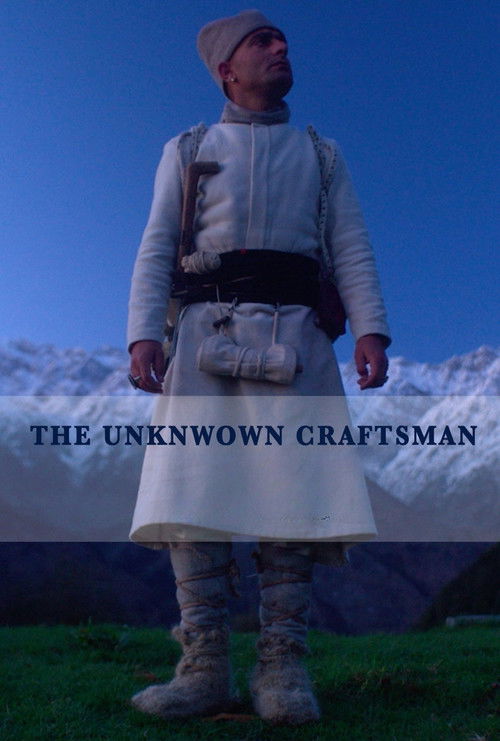
Towards the end of the eighth century, an architect journeys across the lower Himalayas in search of the perfect site for constructing a temple, not merely as a place of worship but as a monumental record crystallizing the collective accomplishment of a civilization.
A nostalgic tale about childhood bazaars, scents and smells.
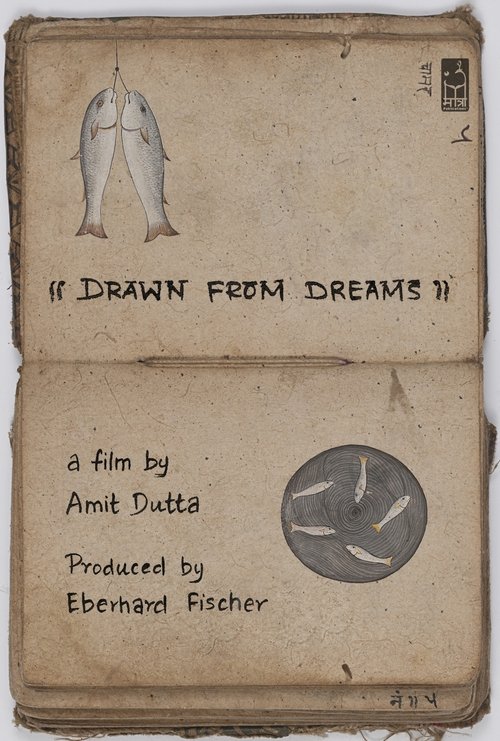
An eighteenth-century notebook from the Western Himalayan Hills has recorded in it dreams as omens. Scenes from the waking memory of the artist seem to have enlivened dreams from a bygone era. Coming from the family ateliers of the master painter Nainsukh of Guler, this journal of dreams is interesting not only for its ethnographical documentation but also for the excellent artistic qualities of the illustrations, underlined delightfully with sound and rhythm by the director Amit Dutta.
A thespian rehearses a Sanskrit play from 2nd century CE. The footage is robbed of sound. The inter-titles try to tell the story.