Acting
No description available.
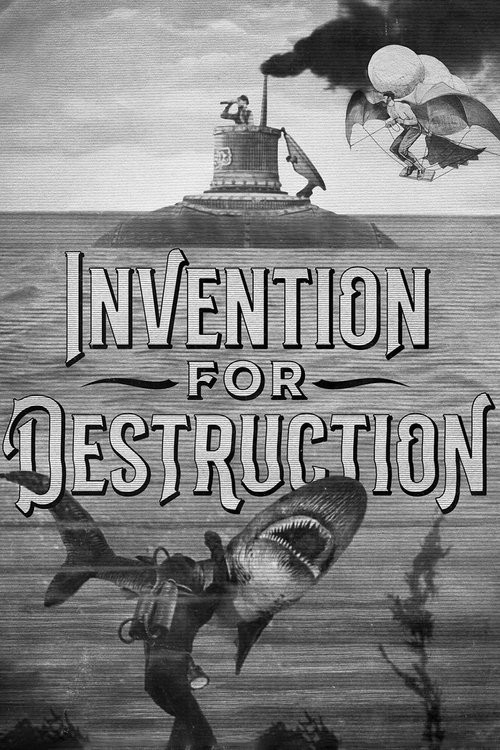
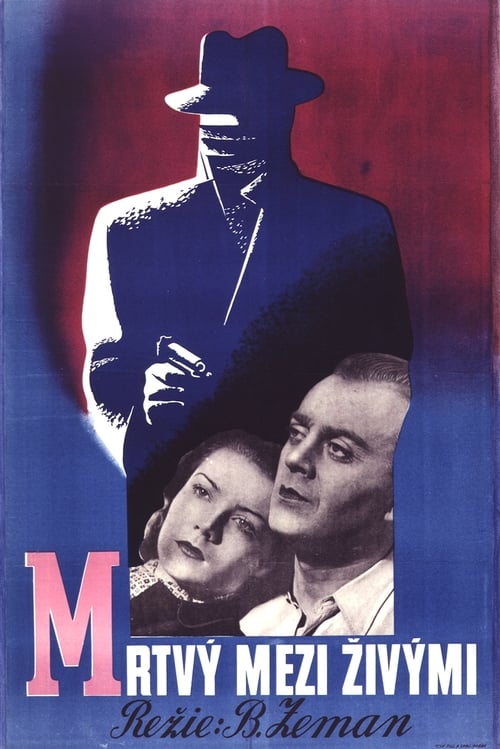
As the world progresses into the industrial age, a professor studying the "nature of pure matter" is spirited away by a would-be dictator and connived into building a super-bomb, as a young reporter and a girl rescued from the sea attempt to warn him of their mutual kidnapper's intentions to dominate the world with a new and more-deadly-yet weapon.
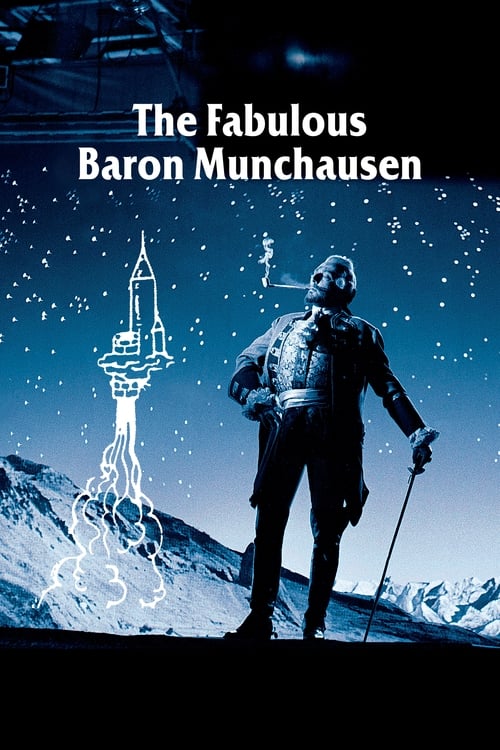
A 20th century man lands on the Moon and discovers that Baron Munchausen has beaten him to it, accompanied by Cyrano de Bergerac and the characters from Jules Verne's novels about the conquest of the satellite.
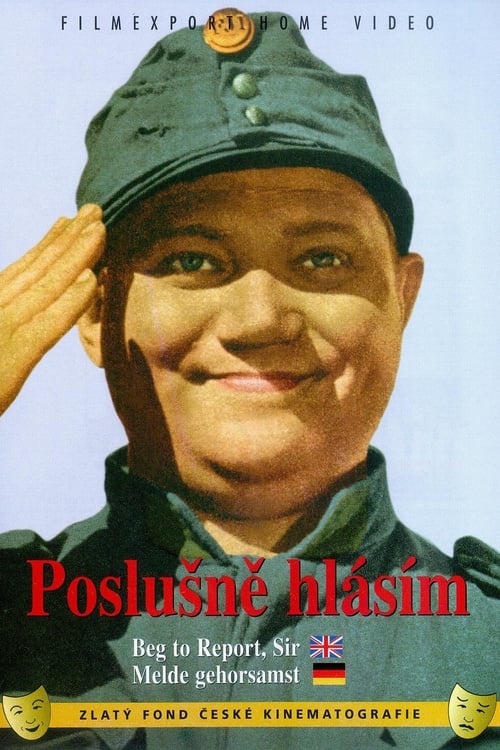
A comedy based on the novel of Jaroslav Hašek's The Good Soldier Svejk happens during the World War I. I Dutifully Report: In the introduction to the second part of the film adaptation of Hašek's novel The Good Soldier Švějk presents his main character Josef Švejk. With the distinctive traditional Czech cartoon character of a soldier Svejk, this time you meet on the way to the front and eventually right in the firing line. You can look at his famous train events, and also probably the most famous episode of the novel, Švejk's Budějovice anabasis. Don't miss the scene with the secretly bought cognac, the episode with Svejk as a fake Russian prisoner of war, including the court scene, and the scene in which lieutenant Dub is caught in a brothel. Despite the criticism, Steklý's adaptation is undoubtedly the most famous and memorable at present.
A significant event in the life of the Ostrava assemblers. Private matters take a backseat as preparations are being made to fit the high-rise chimney with an extension for burning kycht gases. The challenging installation is to be carried out by helicopter and the first attempts have not been successful...
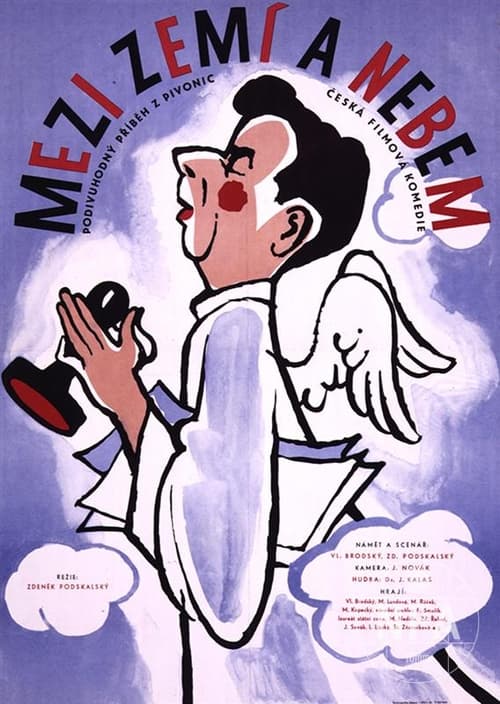
Working in the city office is a bitter clerk who believes he has only 14 days to live and so he bravely stands up to his bureaucratic director.
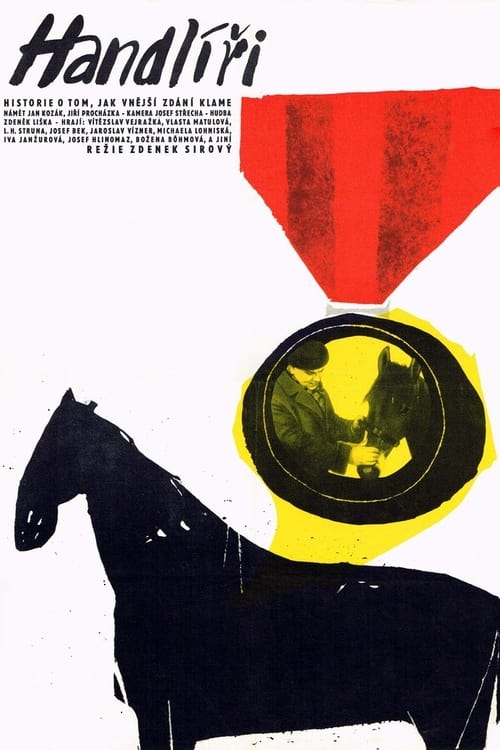
JZD Hořičky is one of the best cooperatives in the district. Its chairman, who knows how to get advice and money wherever he can, is supported by the district secretary - even at the expense of others. The cooperatives will reject high state honours as undeserved... An unconvincing attempt at a critical film from the present day.
In southern Moravia, in the native village of Velka Samota, a ministry official returns from Prague to lift the declining JZD he helped establish.
A tragicomic tale of the wondrous adventures of two medieval Sitnian knights who venture into the twentieth century with the intent to banish the devil and set the world to rights.
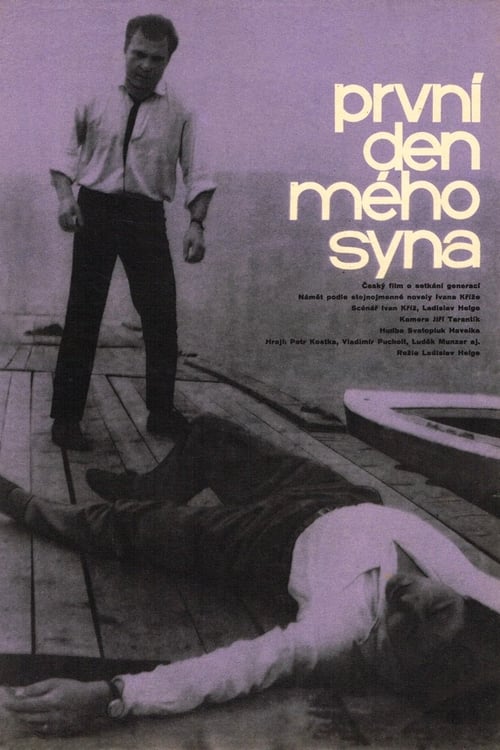
Thirty-year-old worker Oldřich Olejník is a pub and wine bar worker, because he is celebrating the birth of his son. It is no wonder that he ends up in the detention center. This is how he meets seventeen-year-old Jirka Kouba. The troubled young man, who was nicknamed Žluťásek because of the color of his favorite T-shirt, left his job after numerous conflicts. His father disappeared for no apparent reason and his mother could not cope with it. Therefore, Žluťásek spends most of his time in a gang led by the bankrupt actor Ancek. Oldřich, in whom paternal qualities have awakened for understandable reasons, begins to take an interest in and care for Žluťásek. In addition to breaking through Žluťásek's initial distrust, this will also mean getting to know Ancek and his dubious gang...
Human bravery can take many forms, just as ideas about it can. Small-town public opinion begins to despise a postal clerk because he gave cash to robbers who didn't hesitate to shoot. The result is a successful study of a man whose previous certainties begin to crumble due to a fateful event.
People in Czechoslovakia perceive the events of February 1948 differently. This movie tells how they behave depending on their views, beliefs and character.
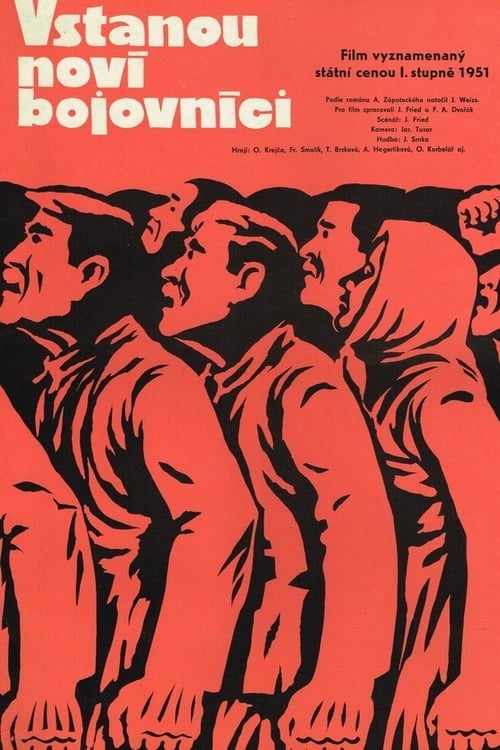
The leader of the emerging organized labor movement in the 1880s, Ladislav Zápotocký-Budečský, is exiled to his native village, where he works as a tailor and continues to raise social awareness among members of the working class.
A student commits suicide out of unhappy love to a married man; story is recounted in retrospective by a "judge" who asks the audience to decide who is the guilty party.
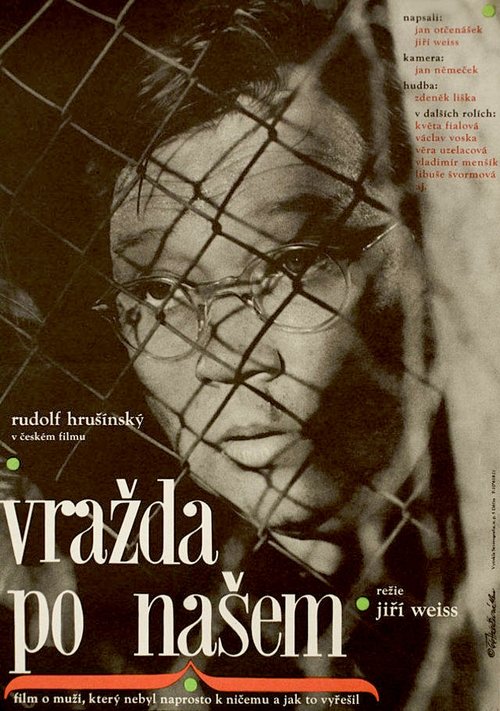
The protagonist (Rudolf Hrusinsky) is a dull, fat, shy government clerk indulging in voyuerism and ego fantasies. In love with another clerk (Kveta Fiolova), he is urged on in his pursuit by a commiserate executive. The story is told in a flashback sequence as the cuckolded Hrusinsky attempts suicide by gassing himself in his bathtub. The "Murder" of the title is not a murder as such, rather the murder that Hrusinsky remembers planning upon discovering his wife's unfaithfulness with his supposed friend and advisor. Both plots failing in his mind, he loses himself in fantastic reveries of his funeral and of hypocritical mourners. ' Deciding (perhaps) that this is not the way out either, he gives up the attempt and imagines a life of reconciliation and eventual affluence.
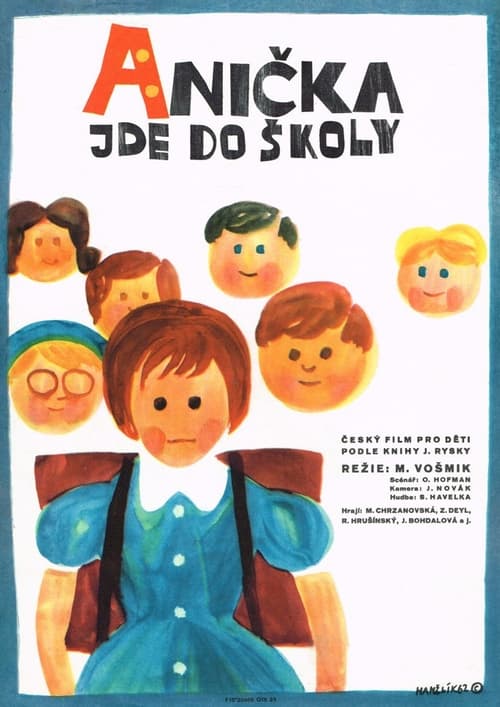
Six-year-old Anička Čejková has moved with her parents from the village to a new housing estate in Prague. For now, she and her father are alone, but her mother is due to return from the hospital soon with her newborn Ondřej. Anička gets lost during her first walk around the neighborhood, but a nice young woman helps her. She is teacher Řeháková, in whose class 1. And soon Anička will start. The first-graders like the school, and when Anička confides in them that her mother will be back soon, they decide to give her a festive welcome.