Chuck Kleinhans
Directing
Known For

Portraits of Chuck’s cats and friends, as well as a self-portrait.
Shirley & Bruce

While making a hot dog in a restaurant, David Obermeyer reflects on class and labor.
Dictatorship of the Proletariat
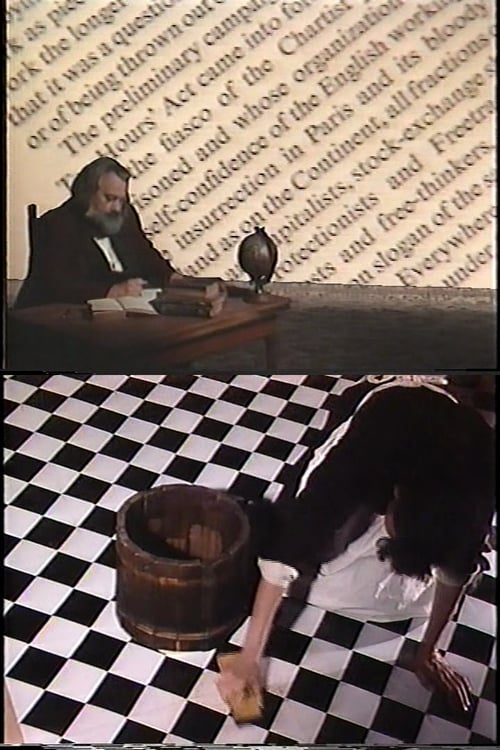
Kipnis describes this tape as "an appropriation of the aesthetics of both late capitalism and early Soviet cinema—MTV meets Eisenstein—reconstructing Karl Marx for the video age.” She presents a postmodern lecture delivered by a chorus of drag queens on the unexpected corelations between Marx’s theories and the carbuncles that plagued the body of the rotund thinker for over thirty years. Marx’s erupting, diseased body is juxtaposed with the “body politic", and posited as a symbol of contemporary society proceeding the failed revolutions of the late 1960s. Seeking a parallel between the body of the state and women’s bodies, Kipnis brings to light the manner in which women’s bodies have been used as the site of displacement for social and political anxiety, with the state of the nation currently reflected in a female body plagued by anorexia and bulimia, traversed by pornography, manners, and regulations on abortion. From Video Data Bank.
Marx: The Video
No description available.
Fred Barney Taylor, A Portrait
No description available.
Bill Kleinhans, A Portrait

The film is composed primarily of a series of zooms inside an apartment in Logan Square accomplished by running or walking with the camera, and also features two cats and footage of the blizzard of 1979.
Pedestrian Wavelength
Footage of neo-Nazi Frank Collin speaking in front of a swastika is mutilated with bleach, scratches and markers, and intercut with footage of a baboon.
Nazi Leader
Super-8 film by Chuck Kleinhans examining masculinity in popular culture.
Bad Boy
No description available.
Back Porch
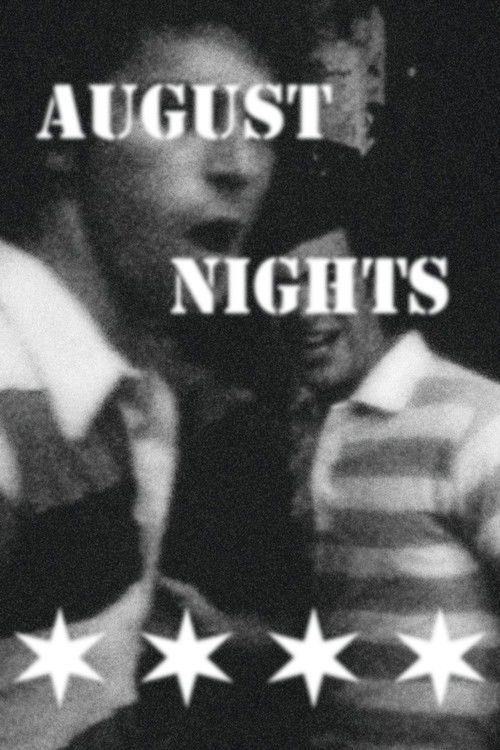
Scenes of Chicago summertime nightlife in three different parts of the city: downtown at Rush & Division streets, a concert at Grant Park's Petrillo Music Shell, and Logan Square.
August Nights
Underexposed scenes from a backyard barbecue likely at the home of JoAnn Elam and Joe Hendrix, featuring members of the "Logan Square Rhinos" — a group of small gauge filmmakers that included Elam and filmmaker Chuck Kleinhans. Elam's husband Hendrix is seen grilling chicken while Elam (in a red "VOTE" shirt) talks in the yard with her mom and brother. Kleinhans' fellow Jump Cut co-founder John Hess can be seen helping at the grill.
Rhino BBQ
Short experimental film featuring a large animated Coca-Cola billboard, shot from different distances, frame rates, and exposures. "The Pause That Refreshes" was first introduced as a marketing slogan for Coca-Cola in 1929.
The Pause That Refreshes
The first half of the film features neon signs and scenes of Chicago night life. The second half of the film depicts scenes around Kleinhans' home in Logan Square during the infamous "Blizzard of 1979."
Blizzard of 79
Chuck Kleinhans and Liz Schillinger's documentary about the annual Jerry Lewis Labor Day Telethon.