Acting
Aucune description disponible.
Ayant perdu sa place au sein de l'élite sociale, une veuve se remarie et fonde une famille.
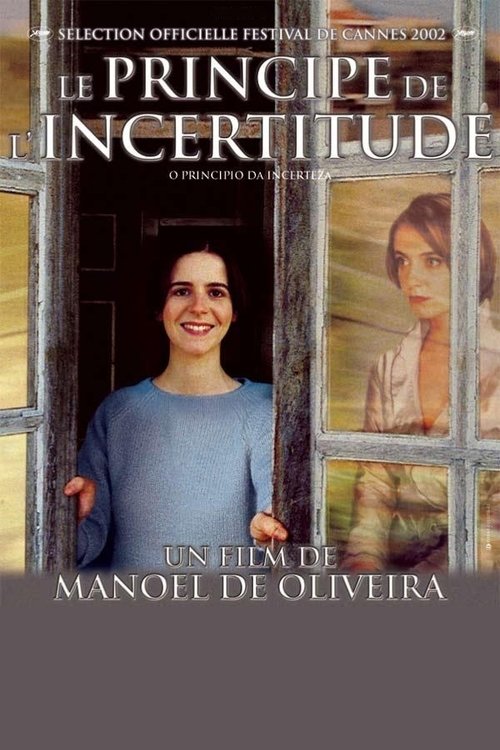
Rosa Maria est une jeune enseignante d'histoire à l'Université de Lisbonne. Avec sa fille Maria Joana, elle part en croisière en Méditerranée et doit ensuite retrouver son mari à Bombay. Le bateau fait escale dans différentes villes, autant de lieux que Rosa Maria ne connaît qu'à travers les livres et qui sont pour elle l'occasion de les découvrir réellement. Au cours de cette croisière, la jeune femme va faire la connaissance de plusieurs personnages, trois femmes et un homme, le capitaine du navire, tous de nationalités différentes. Pendant les repas pris ensemble, chacun parle sa langue maternelle et parvient à se faire comprendre des autres, cette micro-société recréant en quelque sorte une tour de Babel.
Michael, chercheur, investit avec sa séduisante femme Hélène un ancien couvent portugais pour trouver dans des livres présents la confirmation que Shakespeare est juif espagnol. D'étranges gardiens, amateurs de tarot, les recoivent tandis que le diabolique régisseur Baltar intrigue de manière à approcher Hélène qui n'est, d'après ce qu'elle dit, pas insensible à son charme et à ses savoirs sur la mystérieuse et puissante forêt qui les entoure. Pendant ce temps, Baltar a réussi à ce que Michael soit fasciné par la belle et jeune Piedade, l'archiviste qui l'aide à mener ses recherches livresques. Touchée dans son orgueil, Hélène va à son tour manigancer pour se venger de la jeune femme en usant des services de son admirateur et licencieux Baltar.
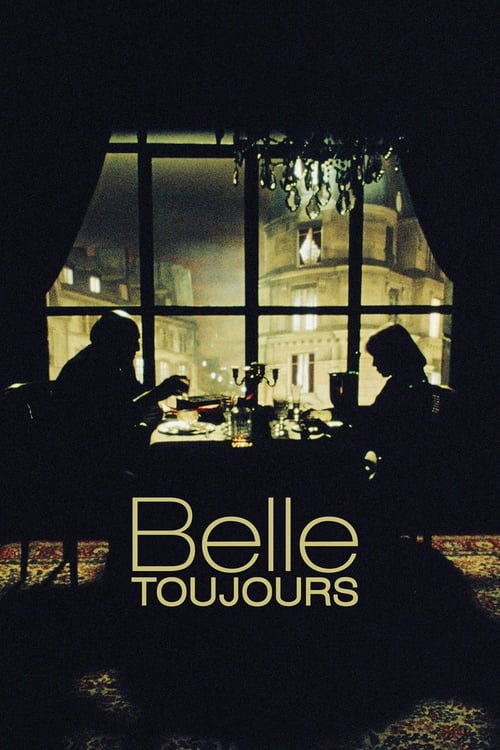
Deux des personnages étranges du film de Luis Buñuel, Belle de jour retraversent - trente-huit ans après - le mystère d'un secret que seul le personnage masculin détient et dont la révélation est essentielle au personnage féminin. Ils se croisent à nouveau. Elle essaie à tous prix de l'éviter. Mais lui insiste et tente de la convaincre de le revoir en lui promettant de révéler le secret qu'il est seul à connaître. Ils prévoient un dîner en tête à tête dans un hôtel chic. Durant tout le dîner, elle, aujourd'hui veuve, est dans l'attente qu'il dévoile ce qu'il a réellement dit à son mari alors paralysé à la suite d'une balle tirée par un de ses amants. Le climat est tendu...
Ema, pour s’évader de sa vie terre a terre, se réfugie dans la poésie et le romantisme. Ses amours successives ne voilent pas sa désillusion progressive et, comme Emma Bovary, la conduisent a la mort.
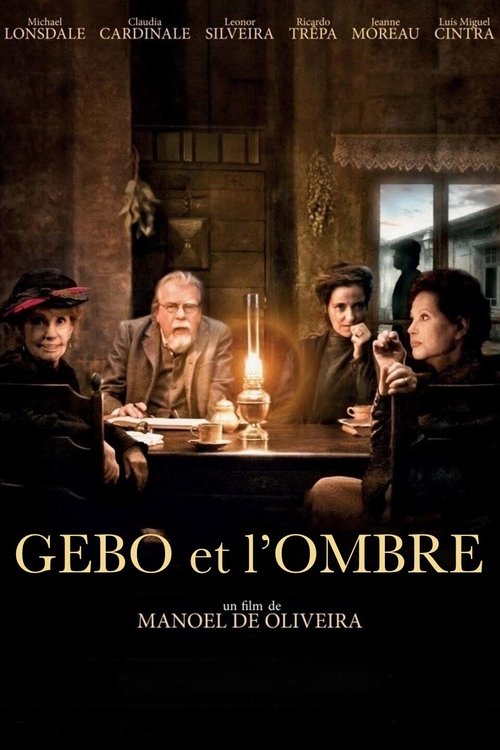
Malgré l’âge et la fatigue, Gebo poursuit son activité de comptable pour nourrir sa famille. Il vit avec sa femme, Doroteia, et leur belle-fille, Sofia, mais c’est l’absence de leur fils, João, qui occupe les esprits. Gebo semble cacher quelque chose à son sujet, en particulier à Doroteia, qui vit dans l’attente passionnée de leur enfant. De son côté, Sofia attend également le retour de son mari, tout en le redoutant. De manière soudaine, João réapparaît, tout bascule.
Luciano va sortir de prison pour un crime qu'il n'a pas commis. Son frère lui permet de trouver un emploi chez Alfreda, une riche propriétaire d'une villa somptueuse. Cette femme dans ce faste et cette vastitude est en fait en perdition psychologique : cet état tourne à l'obsession d'une croyance pour la Vierge qu'elle aimerait voir apparaître, entendre, comme si nos miroirs pouvaient devenir magiques en nous offrant une réalité supplémentaire. Ou quand la croyance et l'absolu se sondent, se mirent, s'épuisent.
À Lisbonne, Macário tombe amoureux d'une jeune fille. Après de nombreuses péripéties : lutte contre son oncle qui s'oppose au mariage, exil provoqué par les problèmes d'argent, trahison d'un ami, il conquiert le droit de l'épouser. Mais durant les préparatifs du mariage, Macário découvre les étranges pratiques de sa future femme. C'est cette histoire, celle de ses chagrins, que Macário livre à une inconnue lors d'un nouveau voyage.
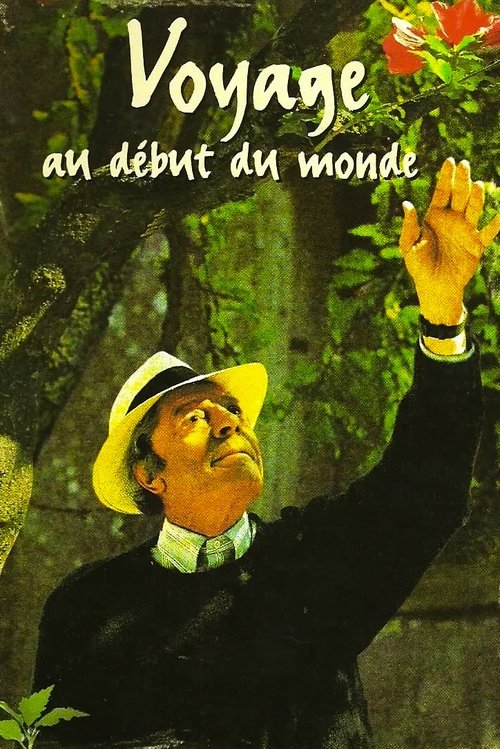
Depuis les années 1940, Manuel Luciano a entrepris de découvrir la véritable identité de Christophe Colomb. Dans ses multiples voyages entre le Portugal et les Etats-Unis, toujours accompagné de sa femme, l'autre grande passion de sa vie, il a été le témoin de nombreux changements dans le temps et dans l'espace. Aujourd'hui, il est sur le point de dévoiler les mystères du célèbre explorateur. Il a juste besoin de faire un dernier voyage dans la maison qui a vu naître Christophe Colomb...
D'origine portugaise, Alfonso est venu au Portugal pour jouer dans un film qui se tourne dans le nord du pays. Désireux de connaître le village qu'avait quitté son père soixante ans plus tôt, il part, accompagné de Manoel, son metteur en scène, de Judite et Duarte, ses collègues de travail. Au cours du trajet s'entrecroisent deux récits : celui de Manoel évoquant sa propre enfance et celui que fait Afonso des tribulations de son père.
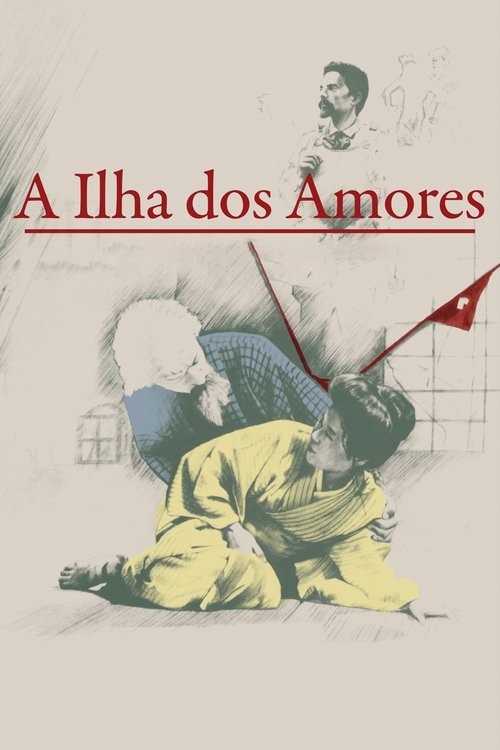
Entre amours et poésie, l'itinéraire intellectuel et sentimental de l'écrivain portugais Wenceslau de Moraes, qui passa la moitié de sa vie en Extrême-Orient.