
Ali Akika
Directing
Biography
Ali Akika, born February 15, 1945 in Jijel, Algeria, is an Algerian director, screenwriter, producer and film critic. He has lived in France since 1965, first studying political economy at university and then becoming a teacher. Also a film critic, he collaborates with various film magazines (under the name Ali Mocki, he notably published several articles on Algerian cinema in Cahiers du cinéma in 1973-75). By directing, with five other members of the “Cinéma-Vincennes” group, “L’Olivier: Who Are the Palestinians?”, he combines humanist utopia with political testimony, listening to immediate history. He will then direct several short films and then documentaries which provide an overview of the living conditions of immigrants and the prevailing racism as well as the countries of the South. • 1975: L’Olivier (feature documentary film awarded at the 1978 Carthage festival), collective film • 1978 : Voyage En Capital (feature film, fiction), co-written, co-directed and co-produced with Anne-Marie Autissier • 1980: Larmes De Sang (feature film, documentary), co-written, co-directed and co-produced with Anne-Marie Autissier • 1981: Iran A Spring In Winter (feature film, documentary) • 1986: Shiwana Namibia (people of Namibia) (medium-length film, documentary) • 1995: Algeria Unveiled (medium length film, awarded at the Montreal festival) • 1996: Les Laboreurs De La Mémoire (medium length film, documentary) • 2000: Children of October 61 (mid-length film, on the massacre of Algerians on October 17, 1961) • 2003: Jean Sénac, Le Forgeron Du Soleil (medium length film, documentary) • 2008: Isabelle Eberhardt Ou La Fièvre De L'Errance, 52 min, documentary on the legendary writer of Russian origin who lived in Algeria in El Oued via Algiers, Béchar, Kénadza and finally in Aïn Séfra where she is buried .
Known For
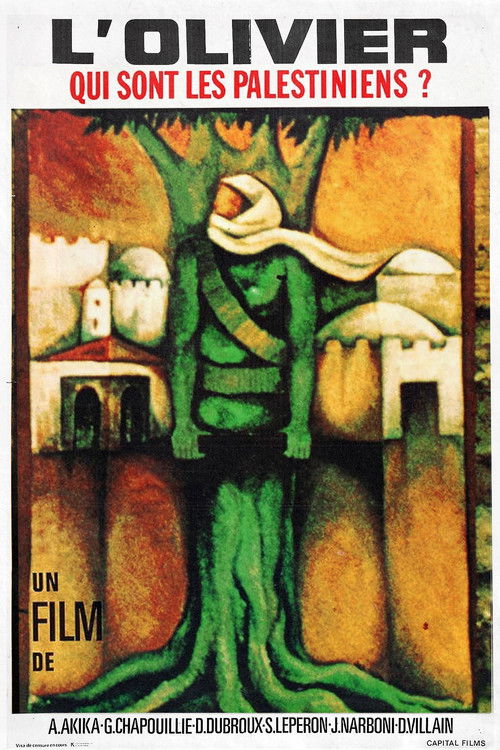
Filmed between 1973 and 1975, L’Olivier was produced by the Vincennes Cinema Group. This activist collective of teachers and filmmakers, formed on the occasion of this film, attempts to explain the Palestinian problem through interviews. The Olivier was one of the first films to attempt to give substance to what was still largely ignored in the West: the existence of the Palestinian people and their fight to recover their rights. L'Olivier responds to a concern: the already weak support of French public opinion for the Palestinian cause diminished following the Munich operation of 1972. Structured in such a way as to tell the Palestinian story and explain the state of the struggle at the time, the film appeals to global militant solidarity and, in particular, to European political commitments.
The Olive Tree
A documentary film about Algerian women
Larmes De Sang
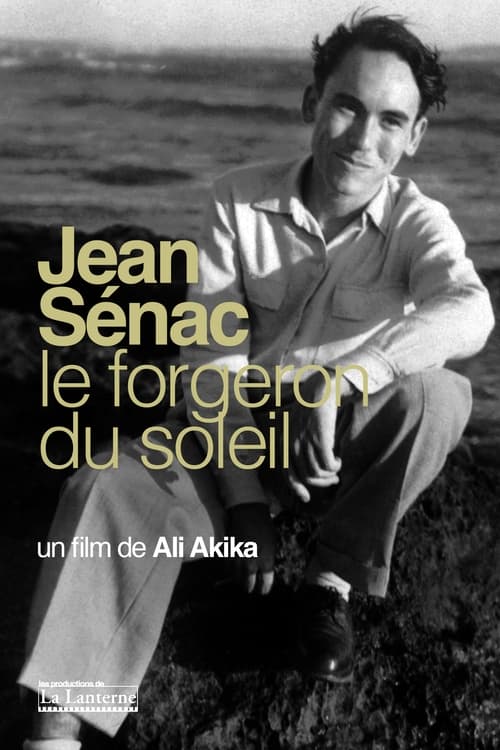
By ending the life of Jean Senac on August 30, 1973 in Algiers, his assassins believed they would silence him forever. They were wrong since his voice is a little louder every day. Witnesses to these craze: the publication of the complete works of this great poet, the countless conferences and radio broadcasts devoted to him and finally the production of films such as "Jean Sénac, the blacksmith of the sun". The moving and overwhelming testimonies of those who knew him, the unpublished film archives, the generous voice of the poet on the radio, the discovery of his travels in the territories of poetry and politics make this film a precious document on the life of Jean Senac.
Jean Sénac, The Blacksmith of the Sun
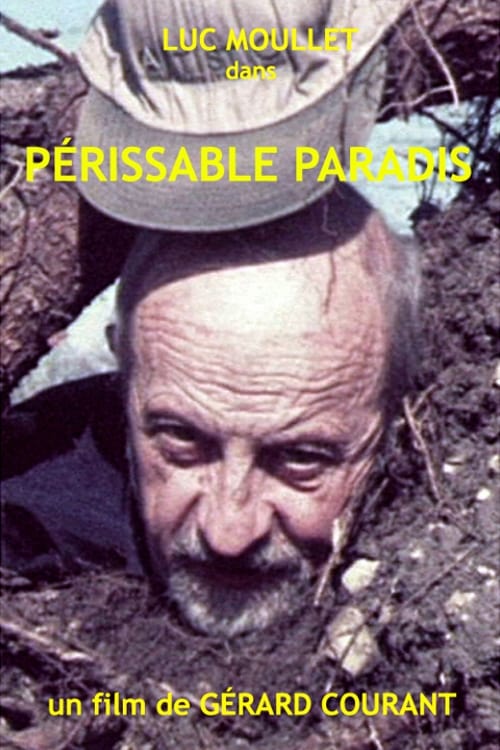
15 years through Le Bois de Vincennes - The "before" and "after" 1999 storm destructions.
Périssable Paradis
No description available.
Enfants d’octobre
On a flight from Algiers to Paris, an Algerian worker returning to his job meets a young Algerian woman born in France, who is visiting that country for the first time. They lose sight of each other and then meet again. Each of them lives in a different world and has to face problems specific to their circumstances. The film is a portrait of intersecting struggles in the context of the late 1970s in France, celebrating solidarity, friendship, the strength of the collective, resistance, and dialogue.