Paul Tilzey
Directing
Known For
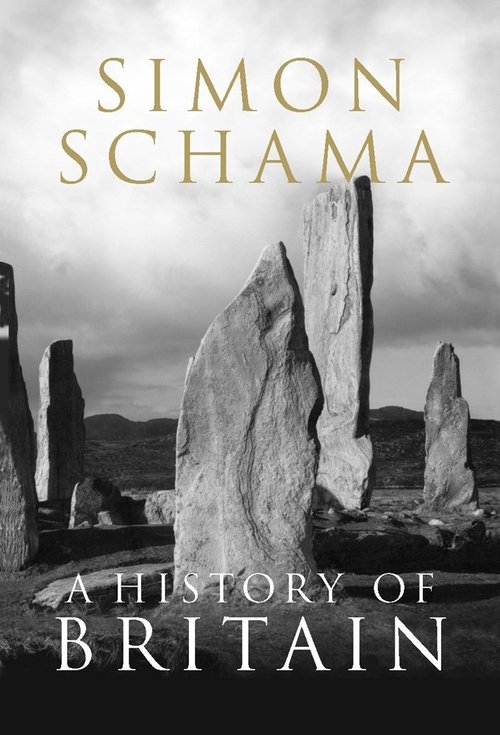
Stretching from the Stone Age to the year 2000, Simon Schama's Complete History of Britain does not pretend to be a definitive chronicle of the turbulent events which buffeted and shaped the British Isles. What Schama does do, however, is tell the story in vivid and gripping narrative terms, free of the fustiness of traditional academe, personalising key historical events by examining the major characters at the centre of them. Not all historians would approve of the history depicted here as shaped principally by the actions of great men and women rather than by more abstract developments, but Schama's way of telling it is a good deal more enthralling as a result. Schama successfully gives lie to the idea that the history of Britain has been moderate and temperate, passing down the generations as stately as a galleon, taking on board sensible ideas but steering clear of sillier, revolutionary ones. Nonsense. Schama retells British history the way it was--as bloody, convulsive, precarious, hot-blooded and several times within an inch of haring off onto an entirely different course. Schama seems almost to delight in the goriness of history. Themes returned to repeatedly include the wars between the Scots and the Irish and the Catholic/Protestant conflicts--only the Irish question remains unresolved by the new millennium. As Britain becomes a constitutional monarchy, Schama talks less of Kings and Queens but of poets and idea-makers like Orwell. Still, with his pungent, direct manner and against an evocative visual and aural backdrop, Schama makes history seem as though it happened yesterday, the bloodstains not yet dry.
A History of Britain
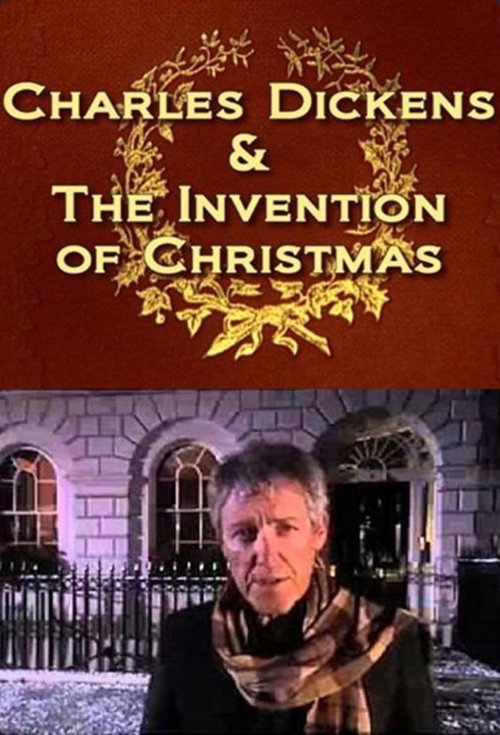
Griff Rhys Jones reveals how Dickens created the idea of a traditional family Christmas through one of his best-known books, A Christmas Carol.
Charles Dickens and the Invention of Christmas
Frank Lloyd Wright is an American icon - its most famous modern architect, and probably its most prolific - over 400 buildings in a 60-year career. Frank Lloyd Wright: Murder, Myth & Modernism is a dramatic, surprising and entertaining portrait of a master builder whose most enduring edifice is his own legend.
Frank Lloyd Wright: Murder, Myth and Modernism
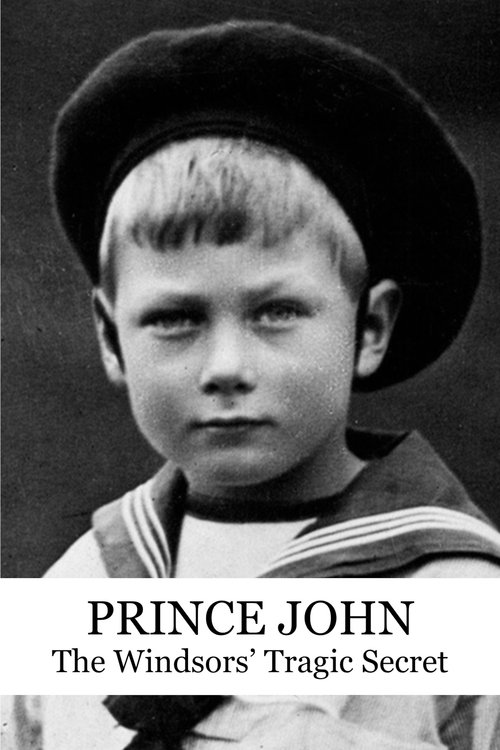
Documentary chronicling the life of Prince John, who was born in 1904 as the youngest child of George V and died in 1919 after a severe epileptic seizure
Prince John: The Windsors' Tragic Secret
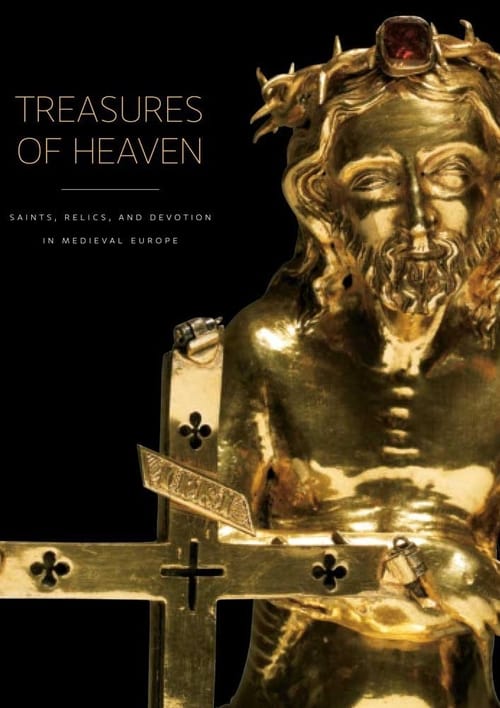
Andrew Graham-Dixon explores the ancient Christian practice of preserving holy relics and the largely forgotten art form that went with it, the reliquary. Fragments of bone or fabric placed inside a bejewelled shrine, a sculpted golden head or even a life-sized silver hand were, and still are, objects of religious devotion believed to have the power to work miracles. The documentary features interviews with art historian Sister Wendy Beckett and Neil MacGregor, director of the British Museum.
Treasures of Heaven
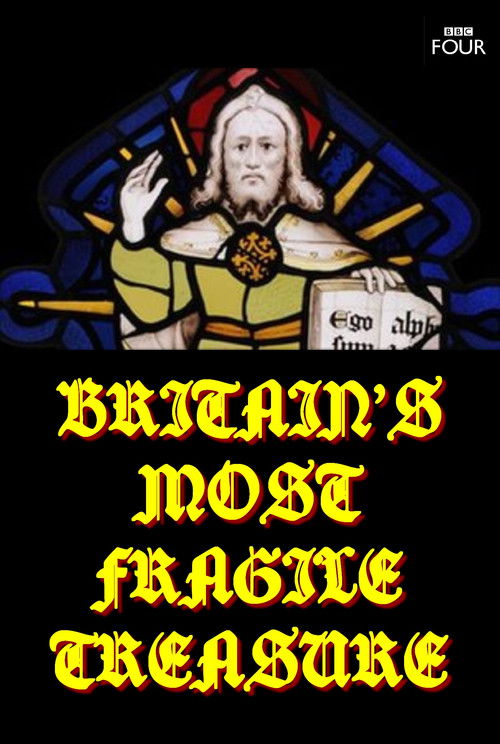
Historian Dr Janina Ramirez unlocks the secrets of a centuries-old masterpiece in glass. At 78 feet in height, the famous East Window at York Minster is the largest medieval stained-glass window in the country and it was the creative vision of a single artist - a mysterious master craftsman called John Thornton, one of the earliest named English artists. The East Window of York Minster is far more than a work of artistic genius, it is a window onto the medieval world and the medieval mind - telling us who were once were and who we still are, all preserved in the most fragile medium of all.
Britain's Most Fragile Treasure

The ten greatest spy movies as analyzed and voted for by the real life spies themselves.
The World's Greatest Spy Movies
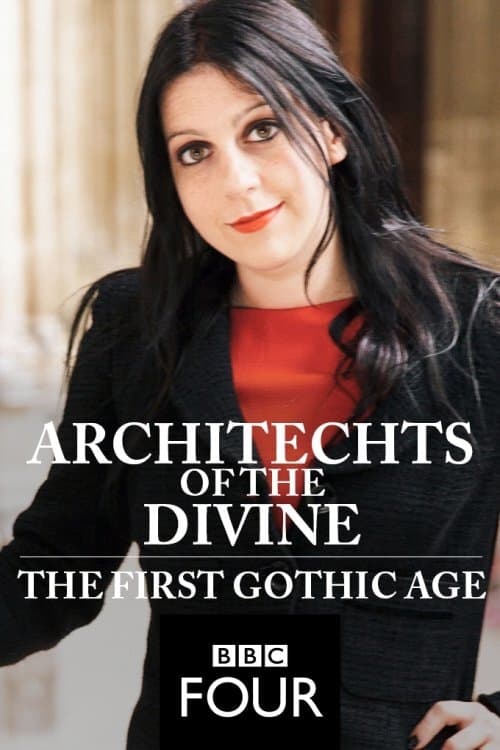
Medieval historian Dr Janina Ramirez looks back to a time when British craftsmen and their patrons created a new form of architecture. The art and architecture of France would dominate England for much of the medieval age. Yet British stonemasons and builders would make Gothic architecture their own, inventing a national style for the first time – Perpendicular Gothic – and giving Britain a patriotic backdrop to suit its new ambitions of chivalry and power. From a grand debut at Gloucester Cathedral to commemorate a murdered king to its final glorious flowering at King’s College Chapel in Cambridge, the Perpendicular age was Britain’s finest.