Paul Espinosa
Production
Biography
Paul Espinosa is an award-winning filmmaker and anthropologist who has worked at the intersection of social justice, media culture and Latino history over the last 40 years. He is the President/CEO of Espinosa Productions, a film and video company specializing in both documentary and narrative films focused on the U.S.-Mexico border region. Espinosa holds a BA from Brown University and a PhD from Stanford University where he explored connections between media and anthropology. He is Professor Emeritus and a founding faculty member in the School of Transborder Studies at Arizona State University and is a frequent guest lecturer at colleges and universities around the country. Espinosa has worked with the public television stations in San Diego and Dallas as a Senior Producer and Executive Producer. His films have been screened at festivals around the world and have won many awards including eight Emmys. Espinosa has shared his expertise, experience and social activism at many universities and community centers across the Americas. He has been honored with Paul Espinosa Film Festivals in Phoenix, Albuquerque, El Paso, and San Diego. The National Association of Hispanic Journalists inducted him into the NAHJ Hall of Fame and the California Chicano News Media Association honored him with a Lifetime Achievement Award. He received the Outstanding Latino Cultural Award in Performing Arts from the American Association of Hispanics in Higher Education; the Domingo Ulloa Cultural Worker Award from California Rural Legal Assistance in recognition of his contributions to public understanding of the experiences of Mexican origin peoples in the United States; and he was honored with the Hispanic Heritage Month Resolution presented on the floor of the U.S. House of Representatives in Washington DC. Espinosa is a Board Member of the Media Arts Center of San Diego and is a member of the National Association of Latino Independent Producers. He previously served on the Boards of the National Alliance for Media Arts and Culture (NAMAC) National Board, the Arizona Latino Arts & Culture Consortium, the Media Arts Center of San Diego (as President and Founding Board Member), the California Council for the Humanities, the Arizona Humanities Council and the Association of Independent Video and Filmmakers National Board (as Treasurer).
Known For

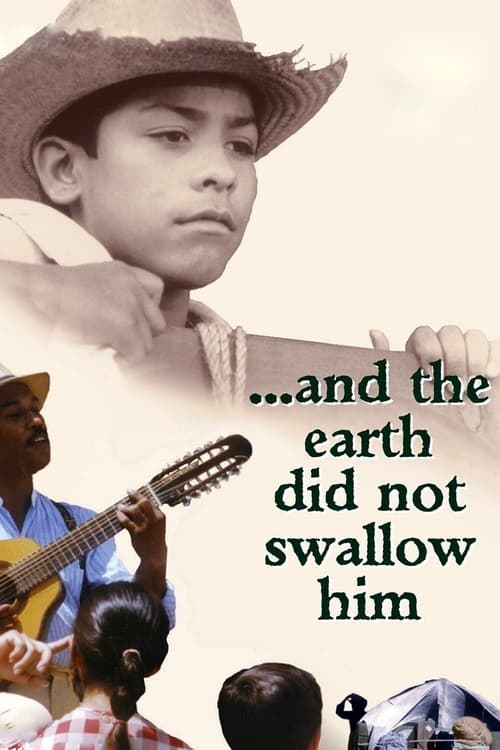
Twelve-year-old Mexican-American Marcos (Jose Alcala) recalls the hardships of the previous year, reflecting on the arduous trek his migrant-worker family made from Texas to the Midwest during harvest season. Along the way, Marcos learns plenty about the harsh realities of bigotry and the power of family in America of the 1950s. The coming-of-age Chicano drama is based on Tomas Rivera's semiautobiographical 1971 novella.
...And the Earth Did Not Swallow Him

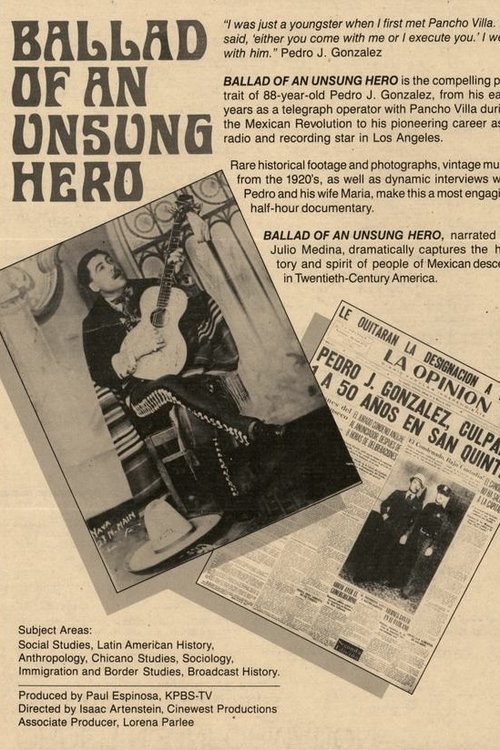
Using rare historical footage, vintage musical recordings, and interviews with 88-year-old Pedro J. Gonzalez and his wife, this film chronicles Gonzalez’s long and colorful life, from his early days with Pancho Villa during the Mexican Revolution, to his career as a popular radio personality in Los Angeles in the 1930s, to the controversial court case that sent him to San Prison, a victim of the repressive forces operating against the Chicano/Mexicano community during that period.
Ballad of an Unsung Hero

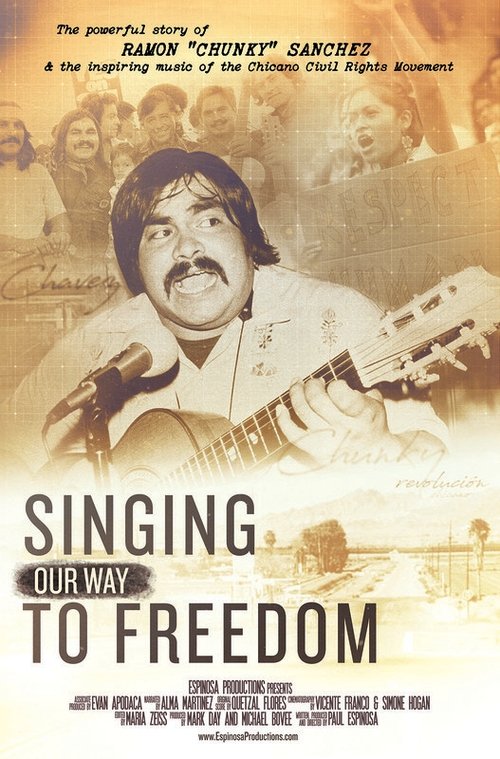
"Singing Our Way to Freedom" is a vibrant, multilayered look at the life of Chicano musician, composer and community activist, Ramon “Chunky” Sanchez. The film chronicles Chunky’s life from his humble beginnings as a farmworker in Blythe, California to receiving one of the nation’s highest musical honors at the Library of Congress in Washington DC in 2013.
Singing Our Way to Freedom

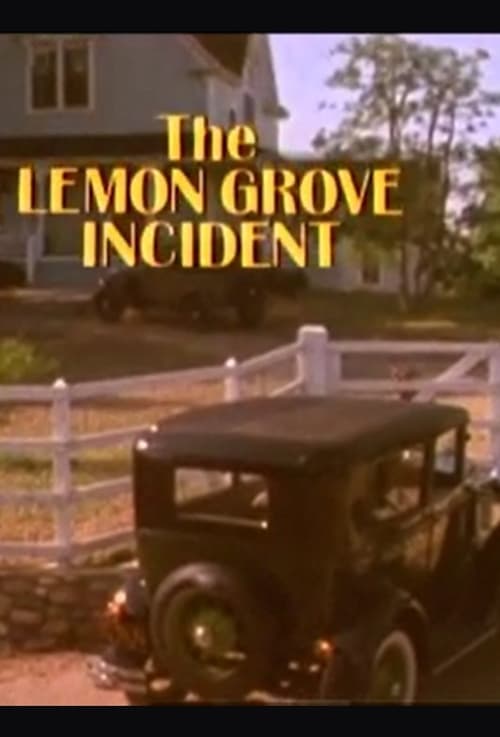
On Jan. 5, 1931, Mexican-American students were barred from attending their local elementary school. The parents took the school district to court.
The Lemon Grove Incident
This documentary recounts the 50-year story of Mexican American miners and their struggle to shape the course of Arizona history between 1903 and 1947. The program profiles the rise and fall of the sister cities of Clifton-Morenci, where the mining of copper ore governed the lives of all the inhabitants. Using archival footage and the testimony of witnesses, the film examines the minero’s struggles for equal pay and fair working conditions.
Los Mineros
Follows directors journey to discover the life and times of Antonio José Martínez, an activist priest dedicated to the enlightenment ideals of representative democracy and public education in 19th century New Mexico.
Searching for Padre Martinez
For most of the 20th century, to think of immigration was to think of Ellis Island and the bittersweet stories of generations of immigrants whose lives were touched as they passed through that landmark location. Usually overlooked in the national story of immigration has been our southwestern border. Millions of immigrants passed through this border on their way to becoming Americans. Many made the harrowing journey over well-worn paths, following the steps of hundreds of thousands of travelers before them.
The Pass of the North

Just before dawn on March 9, 1916, a band of Mexican revolutionaries loyal to General Francisco “Pancho” Villa crossed the border into the United States and attacked the town of Columbus, New Mexico. Within a matter of hours, seventeen Americans and 67 Mexicans lay dead. The next day, President Woodrow Wilson announced the formation of the Punitive Expedition under the command of General John “Blackjack” Pershing. Within three months over 150,000 U.S. National guardsmen and Army regulars would be mobilized, in what was the largest troop deployment in the United States since the Civil War. “The Hunt for Pancho Villa” recounts the events that brought the U.S. and Mexico to the brink of war in the early part of this century.
The Hunt for Pancho Villa
Richard Montoya, Herbert Siguenza and Ric Salinas are theater artists who form the Latino comedy troupe called Culture Clash. Their style resembles the best vaudevillians of this country and Latin America. This story explores the development of their theater piece Bordertown, commissioned by the San Diego Repertory Theatre. Utilizing behind the scenes footage and interviews with Montoya, Siguenza, and Salinas, we examine how they shape Bordertown and offer their own interpretation of the region. They interviewed more than 100 people in San Diego and Tijuana and developed multiple characters whose lives are represented on the stage. Some of these characters are unusual choices, like Shamu, Sea World’s killer whale and a married couple representing the U.S. and Mexico.
Culture Clash
A documentary portrait of four families who have lived without legal documents in the United States for many years, exploring their everyday reality, from constant worry about being apprehended by the U.S. Immigration and Naturalization Service, to being taken advantage of by many who capitalize on their vulnerability. Using the voices of the families themselves, the program provides a human view of their family life and their hopes for the future, particularly under the amnesty provisions of the 1986 Simpson-Rodino immigration bill signed into law by President Ronald Reagan.
In The Shadow Of The Law
A documentary profile of growing tensions between migrant worker camps and affluent homeowners in north San Diego County, one of the richest and fastest-growing areas in the United States. Here, sharing the same valleys, are homeowners concerned about property values and sanitation, and migrant workers, living in conditions which most Americans expect only in the Third World. This program chronicles the life and death of the Green Valley camp, home to thousands of workers over the last ten years, many of them legalized under the 1986 immigration bill.
Uneasy Neighbors
The story of indigenous women from Oaxaca, Mexico who migrate to the Mexico-United States border in search of work and a better life for themselves and their children. Mexicans from the state of Oaxaca have been immigrating to the U.S. for generations, sending 10,000 migrants a year to the United States since 1946. Women – both those left behind in Oaxaca and those who travel to the U.S. – have a story to tell that has been heard by few.