Directing
A story of Belarusian children that are enrolled in a special school. The orphans live in gymnasium shelter under poor conditions and high-school students are showing interest in life in Soviet.
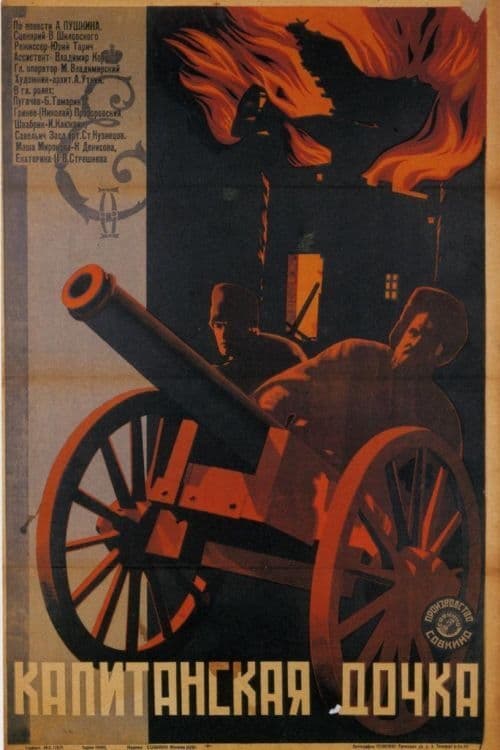
An adaptation of Pushkin's historical novel about the Pugachev's Rebellion in 1773–1774.
The movie's opening sequence takes place in 1921, towards the end of Russia's civil war, as the Red Army are vanquishing the last Menshevik forces of the White Guard along the western frontier.
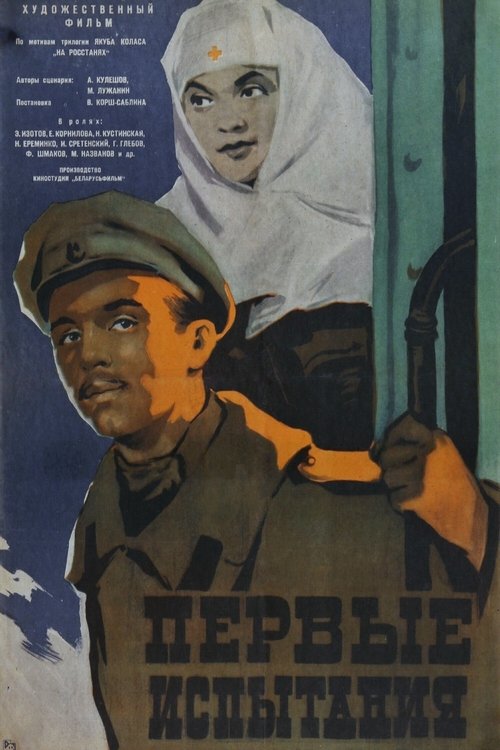
It depicts the story of several Russian soldiers during the World War I and the Russian revolution.
No description available.
About the first steps of Soviet diplomacy at the international conference in Genoa in 1922.
On the detention of fascist saboteurs and border violators by the collective farmers of Soviet Byelorussia. The main heroine, the actual "daughter of the Motherland", is the chairman of the kolkhoz, and has detained eight trespassers. But the main enemy may be lurking from within the borders.
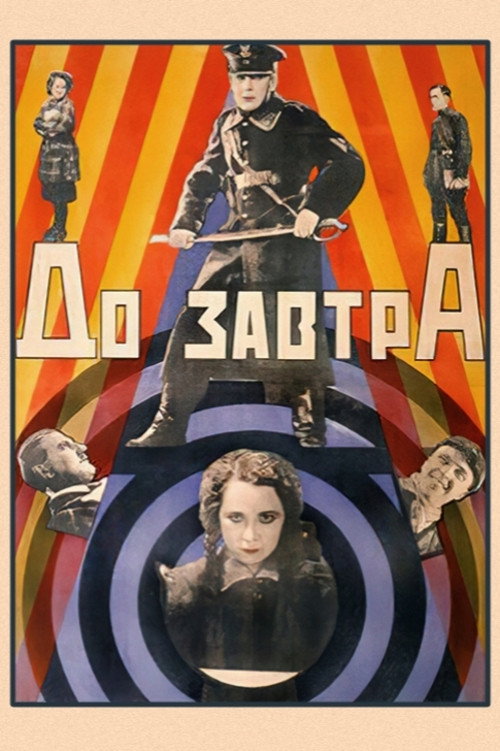
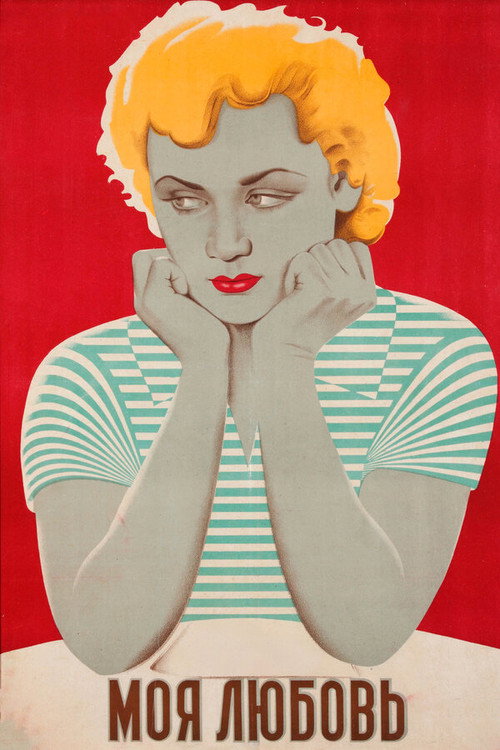
When Shura's sister dies, Shura starts taking care of her newly orphaned niece. Her fiancee, Grisha thinks the child may be Shura's own, and his suspicions estrange them. This leaves the way clear for a shy neighbor who has loved her from afar to gain points as a potential mate. Stenberg's design is simple and effective - a strongly-colored portrait of the pensive heroine at a table that provides space for the title and limited credits.
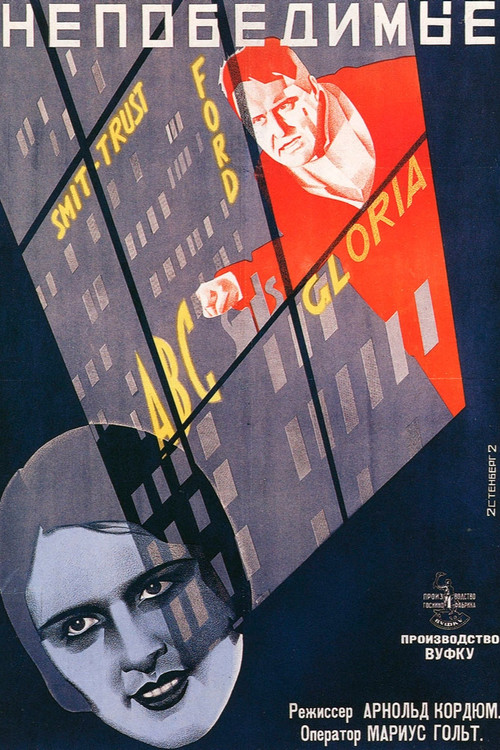
Lost movie based on the novel The Immortal by Lawrence H. Desberry. The board of the industrial syndicate headed by Thomas Deleston, makes a decision to prolong the working day. The worker Paul Notan calls people for political struggle. Deleston’s pro-fascist organisation Patriot Union attacks the workers. Paul is killed. His younger brother Joseph takes his place. Strikers have street battles with the fascists. But forces are unequal…
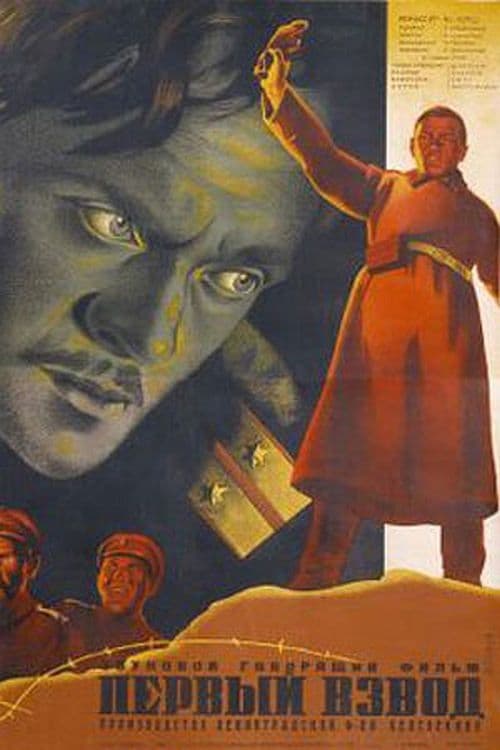
Follows the story of the 26 Artillery Division of the Soviet Red Army.
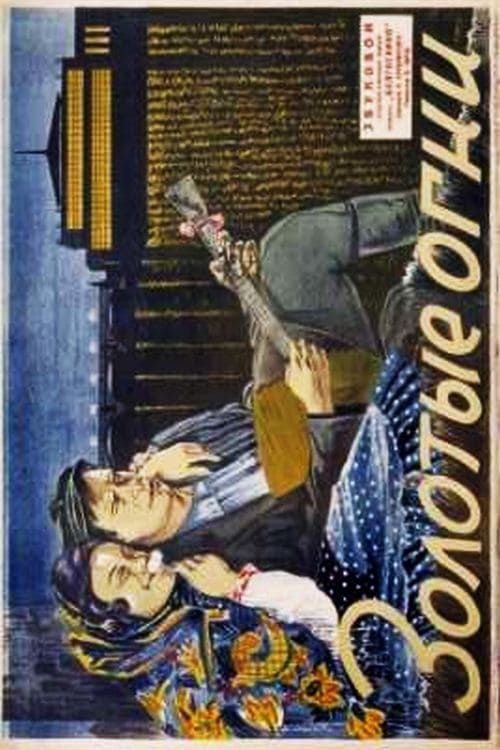
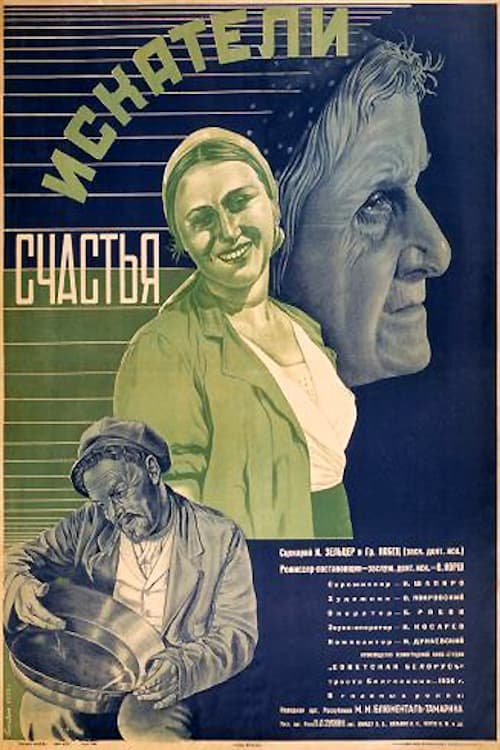
During the 1920s, many impoverished Jews searching for a better life made their way to Birobidzhan, the Soviet Jewish Autonomous Region on the Chinese border. This melodrama tells the story of a Jewish family's immigration to Birobidzhan and their experiences as settlers on a collective farm in the area.
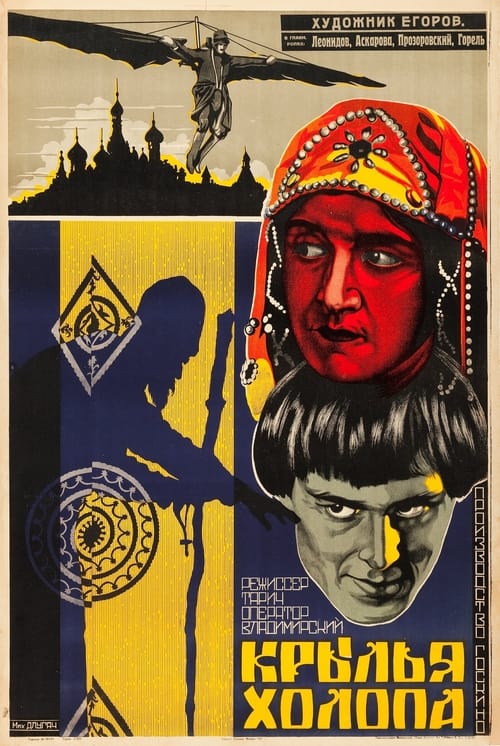
This SovKino production was a major early experiment in Soviet historical film about the oprichnina period of Muscovite history, combining the costumed drama and Gothic thrills of the genre with historical materialist commentary on the dialectical collision of scientific progress and patriarchal religious tyranny under Tsar Ivan the Terrible. It follows a self-taught inventor from the serf class Nikishka, whose efforts to build a flying machine incite accusations of witchcraft. Nikishka and his beloved Fima are persecuted by the feudal lord Kurlyatev, who took their village in a petty land squabble. They’re rescued when Kurlyatev’s lands are taken by the Tsar in his autocratic campaign against the feudal system. Ivan puts Nikishka to work in his linen mill, where the young serf is coveted by Tsarina Maria Temryukovna, who the Tsar’s been ignoring in favor of his cupbearer Feodor. A series of harrowing intrigues wind a bloody dance through bedchamber, feast hall, cathedral and dungeon.
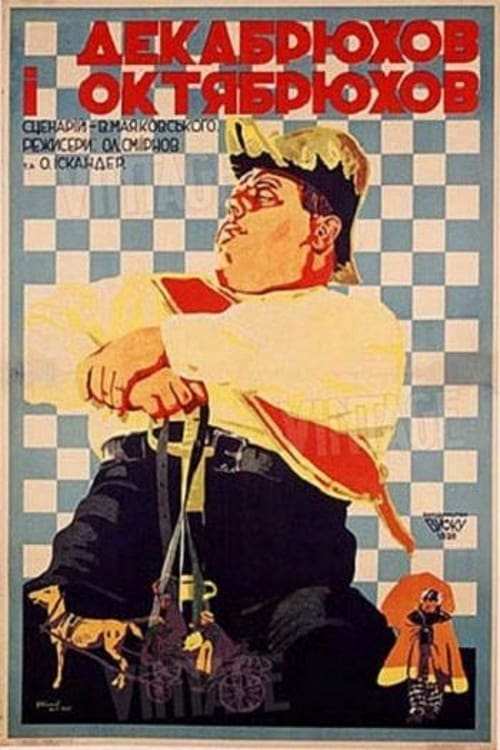
The bourgeois wedding of Dekabryukhova is interrupted by the machine-gun fire of revolution. He flees abroad, leaving his wife. Oktyabryukhov stays and adapts to the new life. At the end of the picture there is an attempt at universal reconciliation and the poet's tormenting theme "three-way love". Dekabryuhov returns to his homeland. His wife is already married to Oktyabryukhov. Having learned about it, Dekabryukhov tries to leave, but the newlyweds force him to stay.
A young Belarussian man joins Soviet partisans in order to fight Polish occupational forces in Belarus.
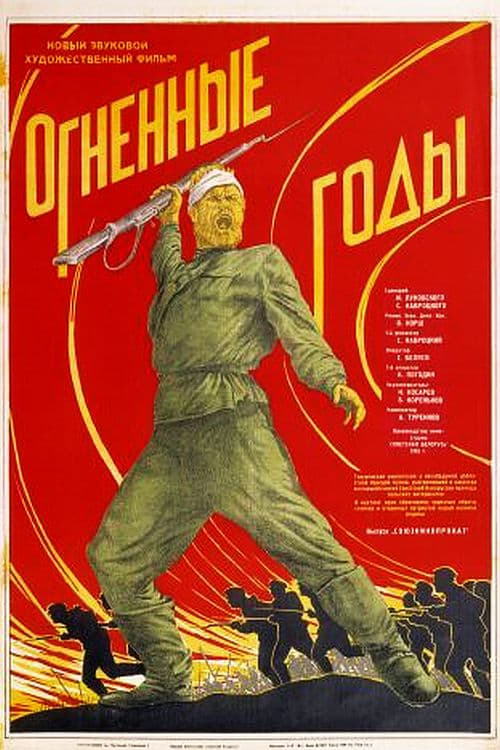
The events take place on the eve of the Great October Socialist Revolution. At the center of the film’s narrative is the судьба of a revolutionary grenadier regiment that played an important role in securing the victory of Soviet power in Belarus.
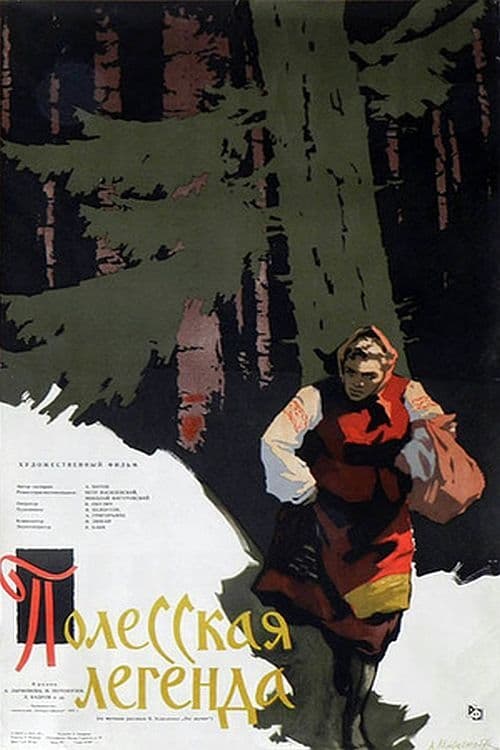
The young teacher Lobanovich, who has just graduated from the seminary, comes to the remote Polessky village of Telshino to teach the peasant children to read and write. In the heads of seminarians persistently hammered into the idea that the Tsar-father endlessly cares about the common people, and the people respond to him sincere filial gratitude. Arriving in the village, the teacher saw a different picture. The Poleshuk people are beaten down, driven, living in mud, darkness, tightly entangled in a network of prejudices and superstitions....
A symbolical telling of the history of the Belarusian people, their centuries-old struggle for liberation.
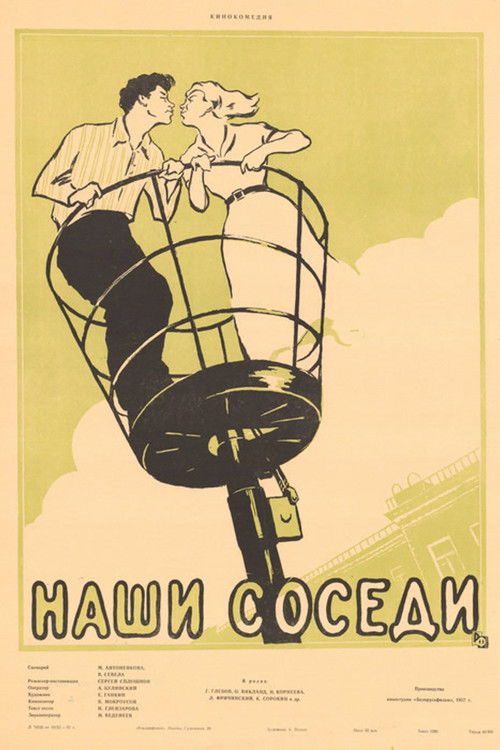
Aspiring engineer got his room in communal apartment in a new house. At first his neighbors aren afraid that young and single guy will bring endless parties with him. But the more time goes on the more he seems to be a decent man.
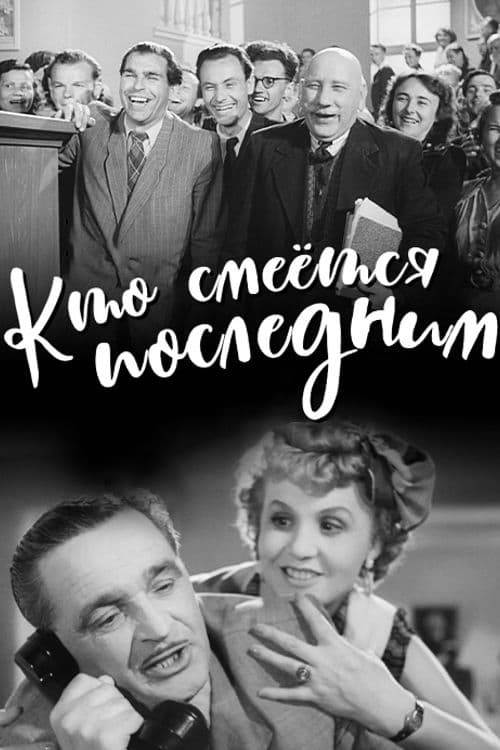
Intrigues are growing in the research institute...