Tito de Pinho
Sound
Known For
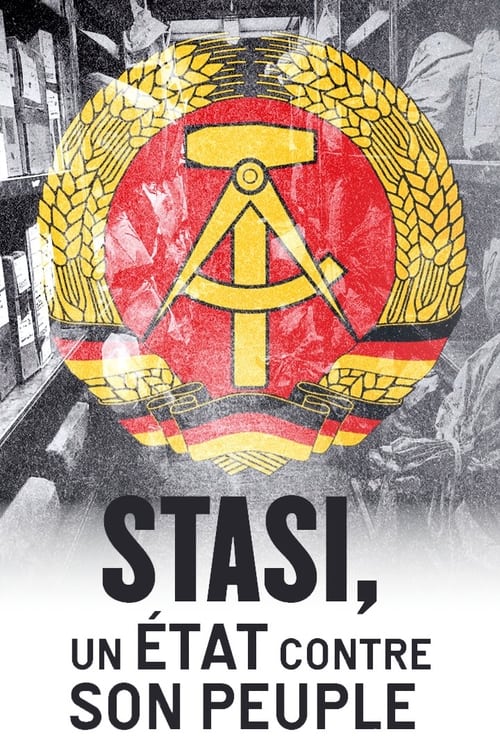
After the fall of the Berlin Wall, thousands of documents were hastily shredded by the dreaded GDR political police. 16,000 bags filled with six million pieces of paper were found. Thanks to the meticulous work of technology, the destinies of men and women who had been spied on and recorded without their knowledge could be reconstructed.
Stasi: A State Against Its People
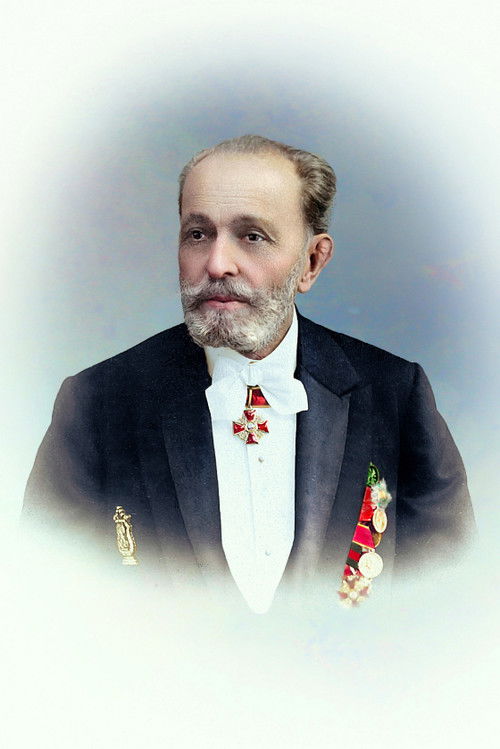
When he arrives in Saint Petersburg, at the age of 29, Marius Petipa is just an obscure dancer who fled western Europe to escape his debts. He is far from imagining that his engagement in the troupe of the Russian Imperial Ballet, then rather mediocre, will reveal him, forty years later, as one of the greatest choreographers in the history of dance. It is within the Bolshoi Kamenny theaters, then Mariinsky, in a still provincial capital where three productions a year are enough to satisfy an undemanding audience, that this native of Marseille will invent a new art of ballet, over the course of sixty of creations, between 1862 (La fille du pharaon) and 1895 (Le lac des cygnes).
Marius Petipa, le maître français du ballet russe
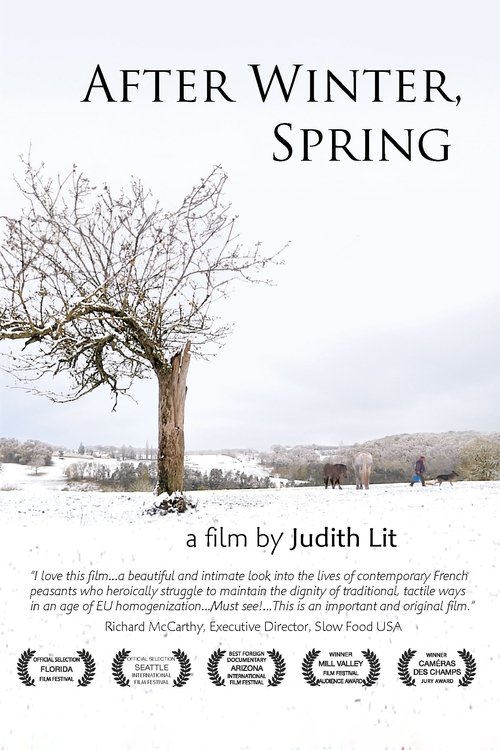
Family farmers in southwest France practice an ancestral way of life under threat in a world increasingly dominated by large-scale industrial agriculture.
After Winter, Spring

Near Munich, in Bavaria, Germany, is the Schleißheim Palace, where French filmmaker Alain Resnais shot his film Last Year at Marienbad in 1960. Nearby is the Dachau concentration camp, where thousands of people were killed between 1933 and 1945. An essay about the present and the past, beauty and horror, life and death.
Last Year in Dachau
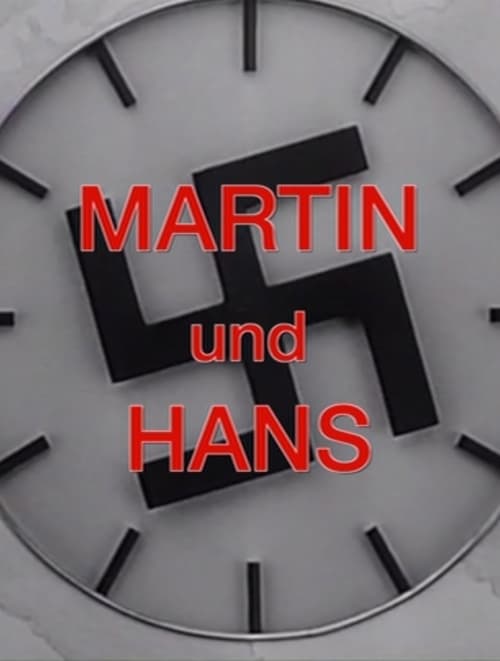
A fictional biography of Hollywood actors Martin Kosleck and Hans Heinrich von Twardowski, both of whom fled Hitler-era Germany to live a long-lasting relationship.
Martin und Hans
No description available.
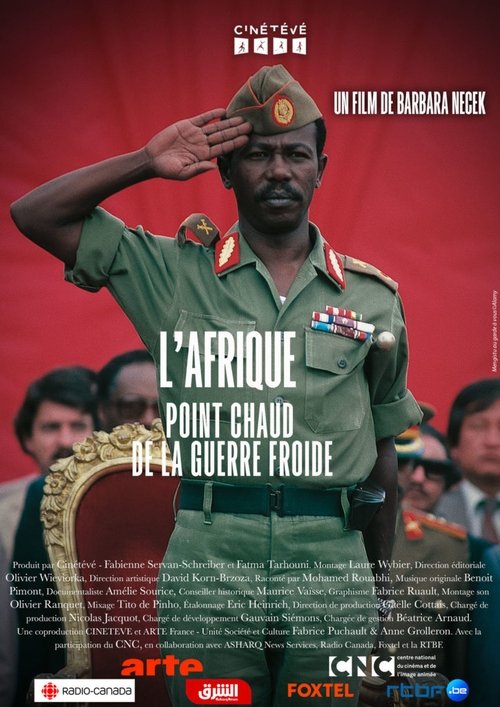
Afrique, point chaud de la guerre froide
No description available.
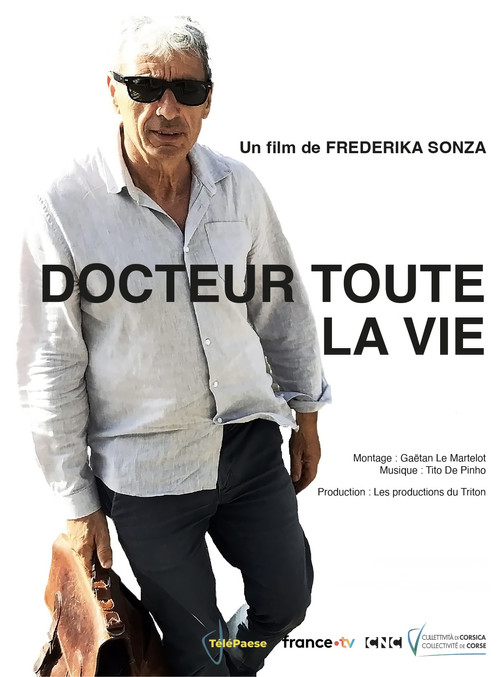
Docteur, toute la vie
No description available.
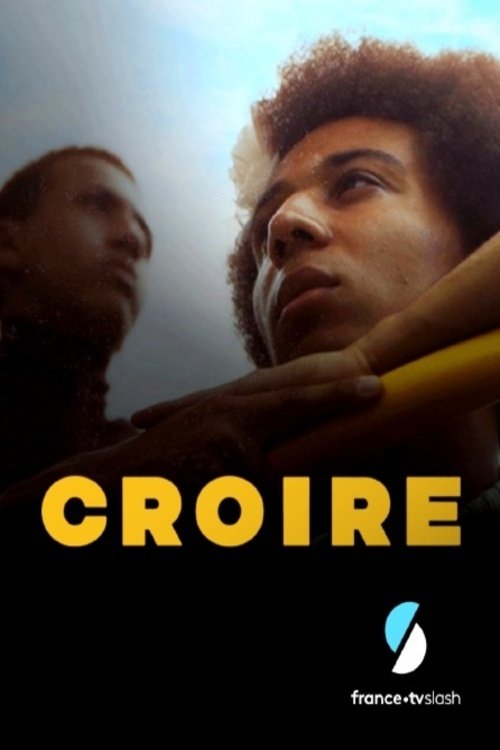
Croire
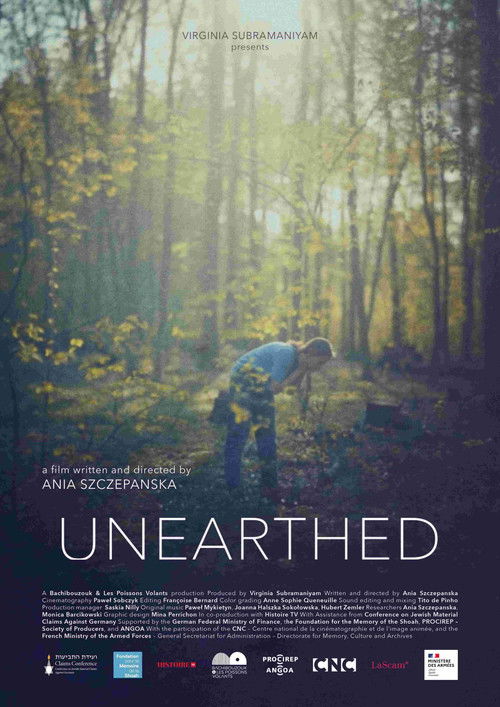
In 1967, extensive archaeological excavations took place near the Auschwitz-Birkenau concentration camp, during which over 16,000 objects belonging to deportees were uncovered. The excavations became the subject of a 14-minute documentary film, shot on location by director Andrzej Brzozowski. Ania Szczepańska followed in the footsteps of this film and the entire event with her film Unearthed, which she worked on for 14 years. Her documentary follows the author’s search for the circumstances surrounding the making of the film, and the significance of the excavations themselves.