Flore Kosinetz
Writing
Known For

French adaptations of the stories by Agatha Christie.
The Little Murders of Agatha Christie

Legend has it that Queen Hatshepsut, Egypt's first female pharaoh, sent ships to the land of Punt. Cheryl Ward sets out to recreate the voyage, in search of this mythical land.
The Pharaoh Who Conquered the Sea
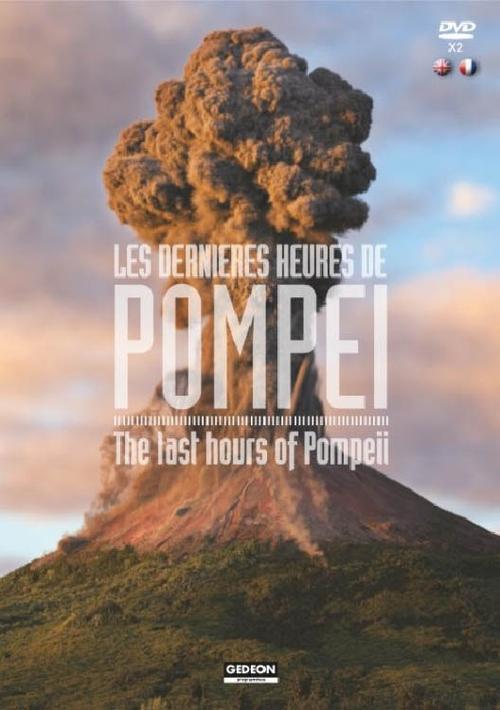
On 17 October 79 AD, the city of Pompeii was buried under lava after the sudden eruption of Mount Vesuvius. Today, the mythical site has yet to reveal all its secrets. A new excavation campaign is being conducted, the most significant in 70 years and one of the major archaeological investigations of the twenty-first century. The film unveils the sumptuous frescoes and mosaics that adorned the excavated villas and uses historical reconstructions in natural settings to show, hour by hour, how the city and its inhabitants were buried under a mantle of ash.
The Last Hours Of Pompeii
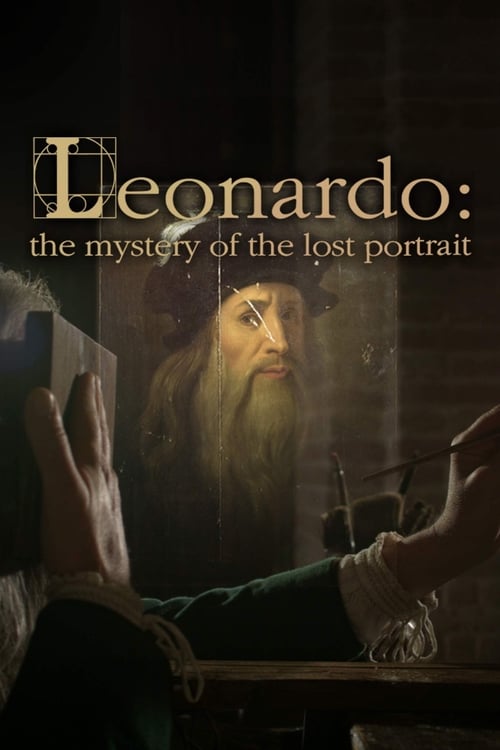
Leonardo da Vinci is not just the most famous and most admired of all painters - he is an icon, a superstar. Yet, the man himself remains elusive. Accounts during his lifetime describe a man too handsome, too strong, too perfect to be accurate. But in 2009, the chance discovery in the South of Italy of an ancient portrait with strangely familiar features takes the art world by storm. Could this be an unknown self-portrait by Leonardo da Vinci? Controversy erupts among the experts. The implications of such a discovery have far-reaching consequences for our understanding of the work of this great Renaissance master.
Leonardo: The Mystery of the Lost Portrait
No description available.
Léonard de Vinci : La Manière moderne
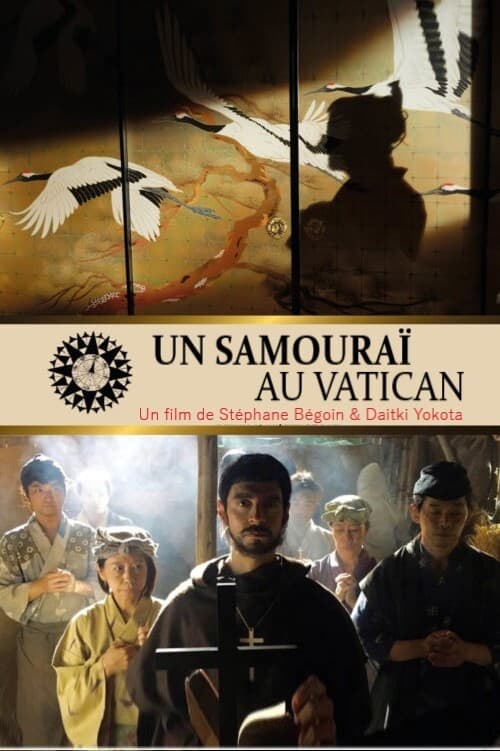
Why do 600 inhabitants of the small southern Spanish town of Coria del Río bear the surname "Japón"? It is the legacy of an unusual expedition that took place 400 years ago: In October 1613, the samurai Hasekura Tsunenaga boarded the galleon "San Juan Bautista" on behalf of the ruler Date Masamune in Sendai, Japan. In addition to merchants, warriors and Spanish sailors, the Spanish Franciscan monk Luis Sotelo, who spoke fluent Japanese, also embarked. The legation wanted to obtain permission from the Spanish King Philip III and Pope Paul V to open a new sea route to India alongside the spice route; in return, Christian missionaries were to be sent to Japan. When he set off, Hasekura Tsunenaga had no idea that the journey would take seven years. Who was this Japanese samurai? What is known about his motives and what is known about the actual background to the expedition?