Acting
Lavish adaptation of Wilhelm Hauff′s fairy tale: Young charburner Peter Munk dreams of joining the upper class. He makes a deal with the sinister Holländer-Michel, who offers to trade Peter′s human heart for one made of stone. Once he has the "cold heart" in his body, Peter eventually strikes a fortune and enjoys great wealth, but at the same time, he becomes a bitter and emotionless man – and, having lost all traces of humanity, even murders his wife Lisbeth. Only then does Peter Munk finally realize what has become of him, and he decides to regain his real heart from Holländer-Michel.
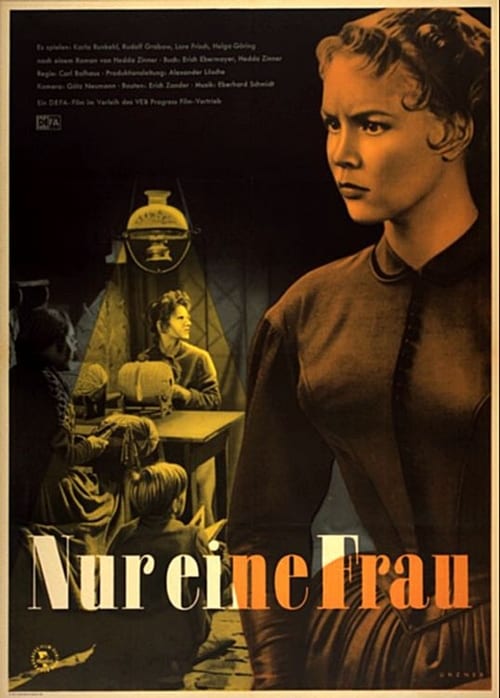
The film tells the life story of Louise Otto Peters, who in the middle of the XIX century in Germany for the first time raised a voice of protest against the unfair treatment of women and their labor. She created the first "women's newspaper" in Germany. The daughter of a famous lawyer, Louise could have easily arranged her life by marrying the wealthy Baron Rodern. But she chose a different purpose in life - to fight for equal rights for women. Through her articles and public speeches, she won the authority and respect of ordinary people.
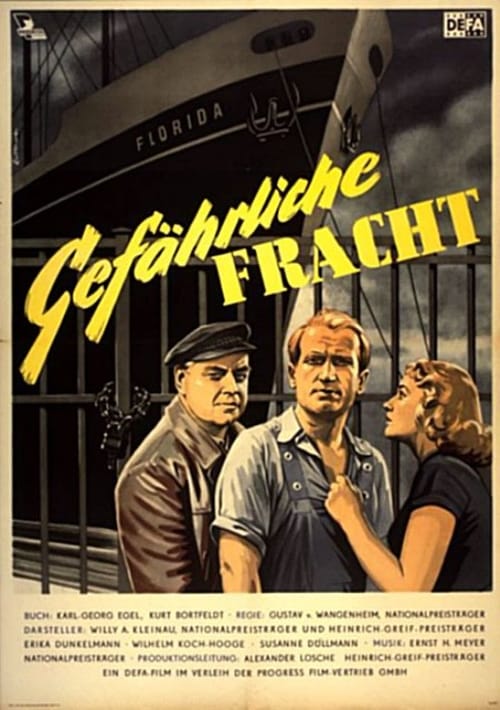
During the unloading of the freighter "Florida", West German dock workers discover napalm bombs instead of the specified precision machines - and a deceptive maneuver by the American occupying forces: the workers had already refused to unload the ship in France, where it was named "Chicago". It was refloated on the voyage to Germany. The German dockers also went on strike. Among them was Hein Jensen, who found it particularly difficult to take part. He had just found work again with difficulty. He needs the money because he wants to get married. His bride Helga has just given birth. When the Americans try to blackmail him into changing his colleagues' minds, he knows where his place is. The strike turns into a huge peace demonstration.
No description available.
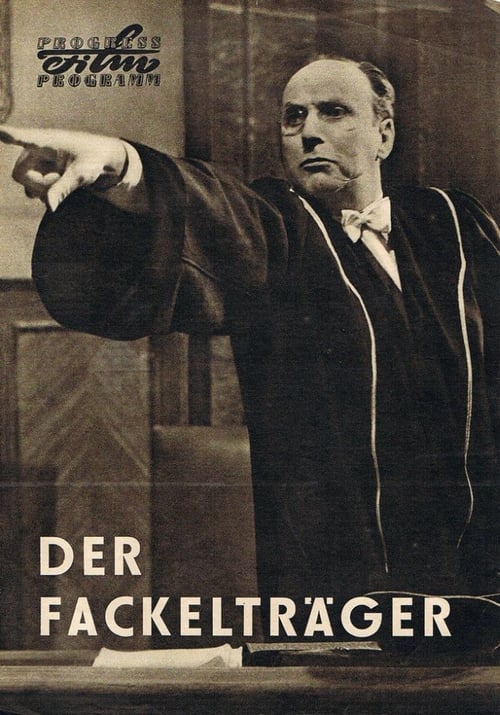
Senior public prosecutor Sänger from West Berlin has only one goal in mind: to finally be appointed to the Federal Court of Justice.