Writing
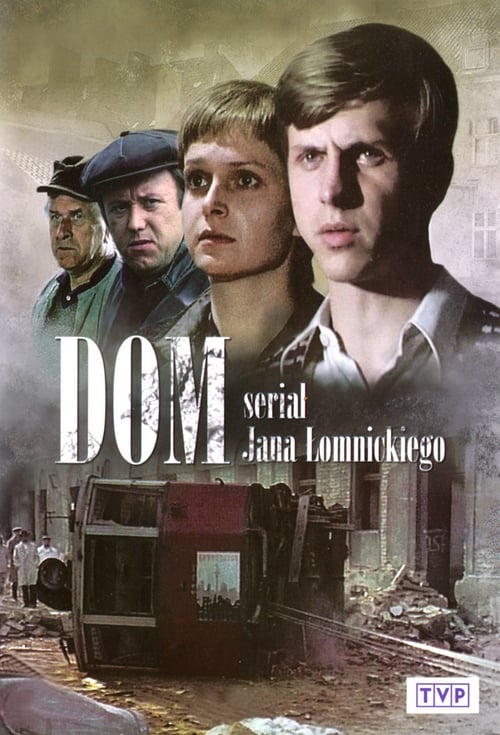
The story of the residents of a tenement house on Złota Street in Warsaw from 1945 to 1980.
No description available.
In 1945, as Stalin sets his hands over Poland, famous painter Wladislaw Strzeminski refuses to compromise on his art with the doctrines of social realism. Persecuted, expelled from his chair at the University, he's eventually erased from the museums' walls. With the help of some of his students, he starts fighting against the Party and becomes the symbol of an artistic resistance against intellectual tyranny.
On September 1st, 1939, Nazi Germany invades Poland, unleashing World War II. On September 17th, the Soviet Red Army crosses the border. The Polish army, unable to fight on two fronts, is defeated. Thousands of Polish men, both military and government officials, are captured by the invaders. Their fate will only be known several years later.
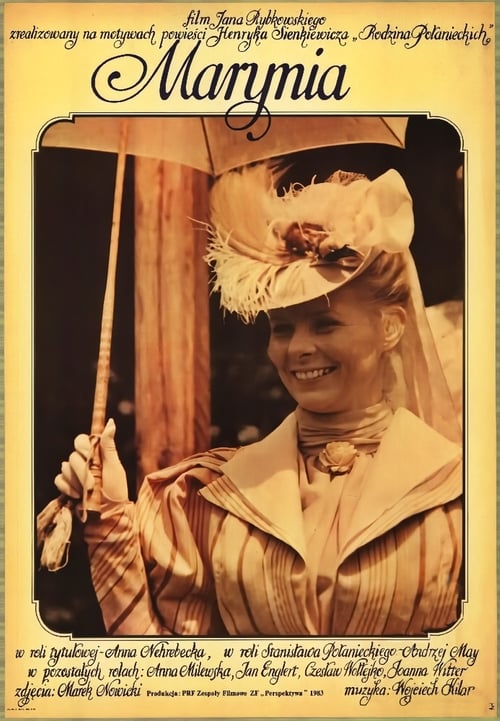
Stanislaw Połaniecki comes to Krzemień, the family estate of the Pławicki family, demanding the return of a loan taken 20 years ago as collateral for a mortgage. There he meets Marynia, Plawicki's daughter, and the seed of affection is born between them. Emilia, who befriends both of them, persuades Połaniecki to propose to Marynia. However, it turns out that the maiden's father does not have the money to repay the debt. Upset, Stach leaves without saying goodbye. Krzemień's mortgage debt is sold to a friend, who buys the property. Plawicki and his daughter leave for Warsaw.
Three children strike a deep friendship after a chance encounter during World War 2.
The reminiscences of a Russian pilot, shot down over Poland during the war, of his first great love there.
The main characters are the same two quarreling peasant families introduced in "Sami swoi" (Our Folks). The action of the film starts 18 years later. The old quarrels have been forgotten, but new problems keep popping up. They have no successors to inherit the farms. They invent a tricky and clever plan. The young granddaughter is to take over both of the farms after her marriage. Both Kargul and Pawlak have no rest until they carry out the plan. In the end, after numerous adventures and obstacles their cunning intrigue is fulfilled - the young marry and the land remains in the family's hands.
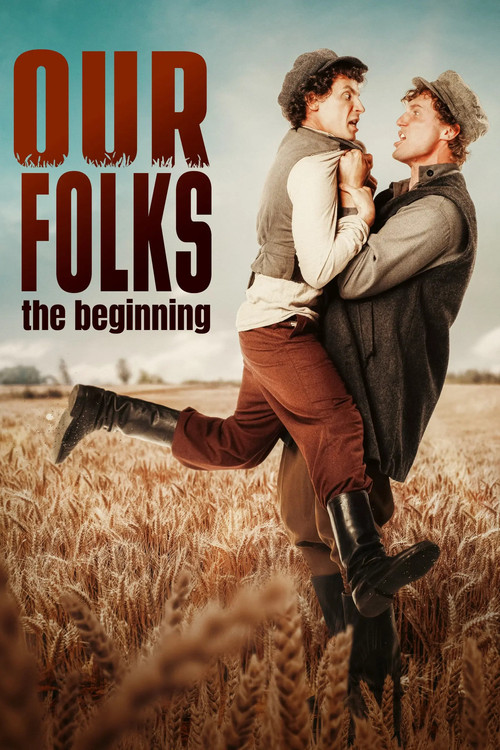
Pawlak and Kargul – the protagonists of the cult-favourite trilogy “Our Folks” – had been neighbours in a village in Podolia before they ended up in the Recovered Territories. Even then, it was one explosive neighbourhood.
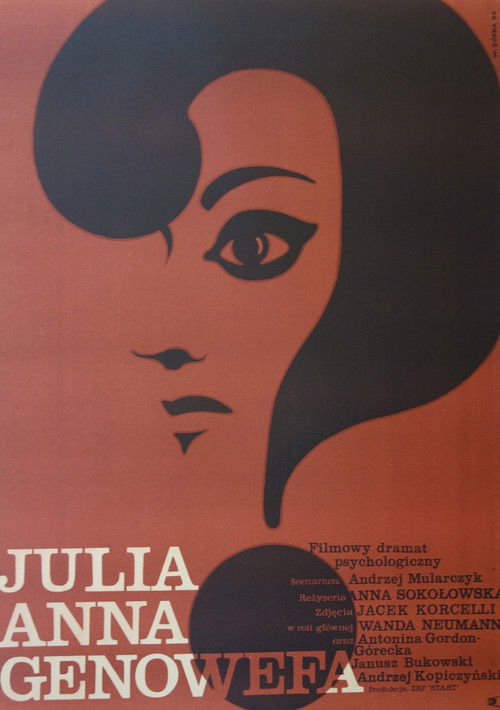
25-year-old Anna works in the laboratory of the Lodz textile factory. She lives with her mother and recently married husband. Her life collapses when a stranger appears, looking for a daughter who has disappeared during the war.
A car mechanic takes a hitchhiker.
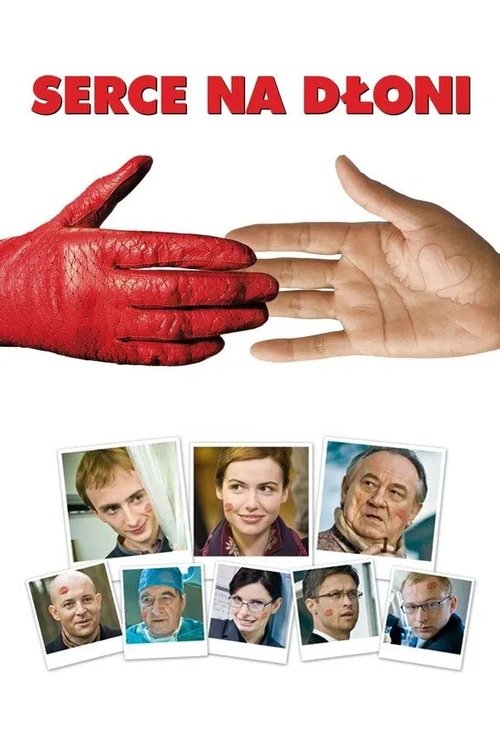
A businessman, spoiled by the good life, learns that he suffers from a serious heart condition. He can only survive by finding a donor immediately. In the hospital, he accidentally meets a young man whose grief and job loss have taken away all his will to live. He is suicidal, so he is the perfect donor, and they must find a way to help him leave this world...
Sports officials are trying to decide the result of a football match before it starts. The stake is to stay in the top league.
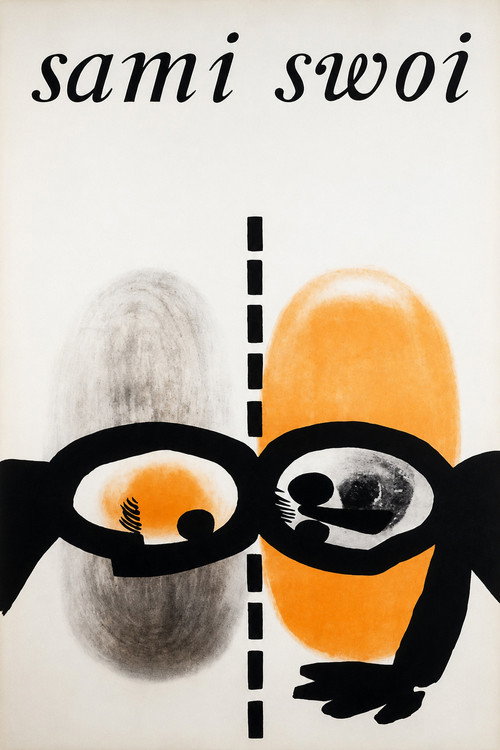
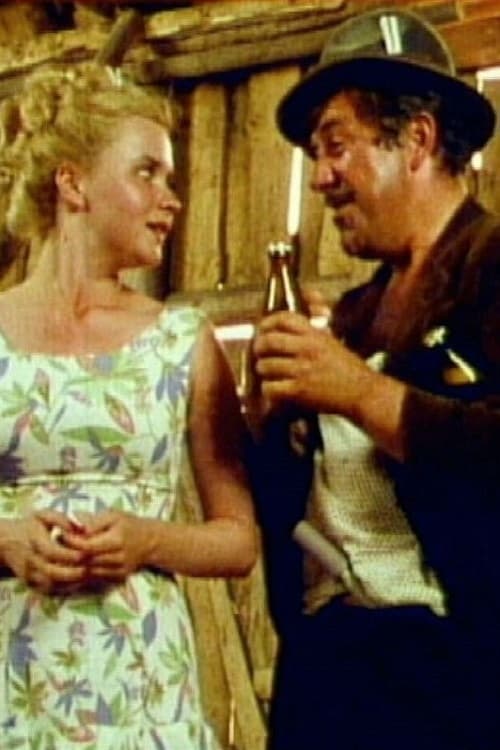
Two quarreling peasant families, who were forced to leave their lands after the war, are settled by accident on two neighboring farms.
A popularity-hungry young journalist writes a sensationalist article on a supposed teen suicide club.
Two young boys living in a small town in the east of Poland try to survive the war by working as projectionists in a local cinema. They provide entertainment to Poles, Germans and Russians alike.