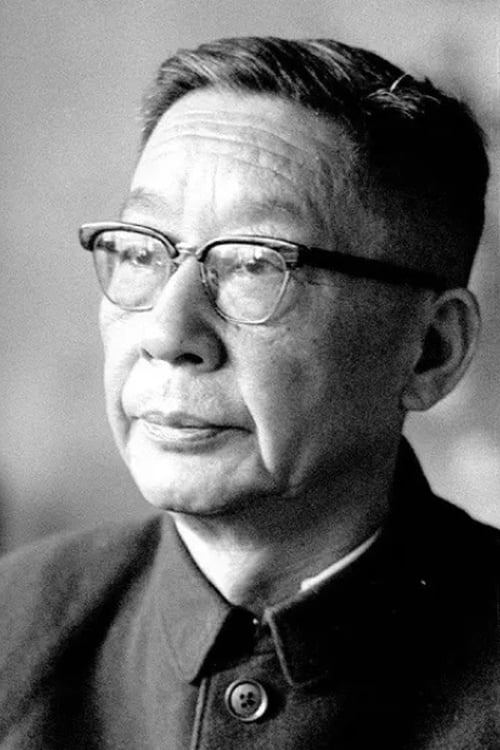
Lao-She
Writing
Known For
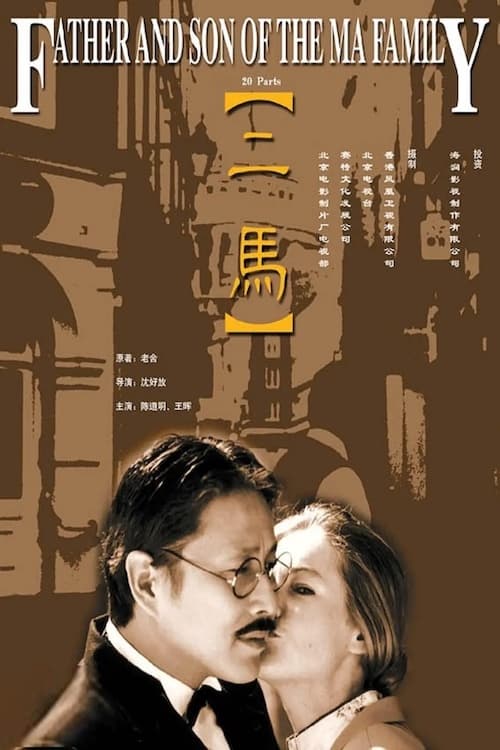
Ma Ze Ren and his son Ma Wei arrive in London after the death of his older brother in order to carry on the family's small antique business.
Father and Son of the Ma Family
No description available.
Divorce
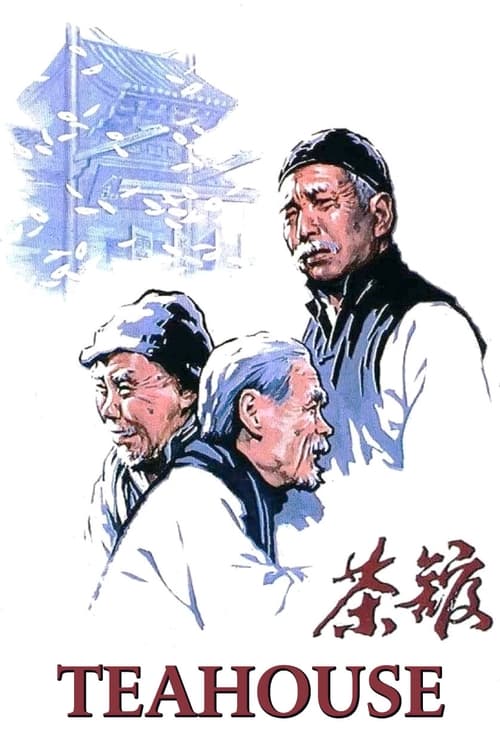
An old teahouse in Beijing serves as the stage for a drama that unfolds over several tumultuous decades of modern Chinese history, from the waning days of the Qing dynasty to the eve of the People's Republic.
Teahouse
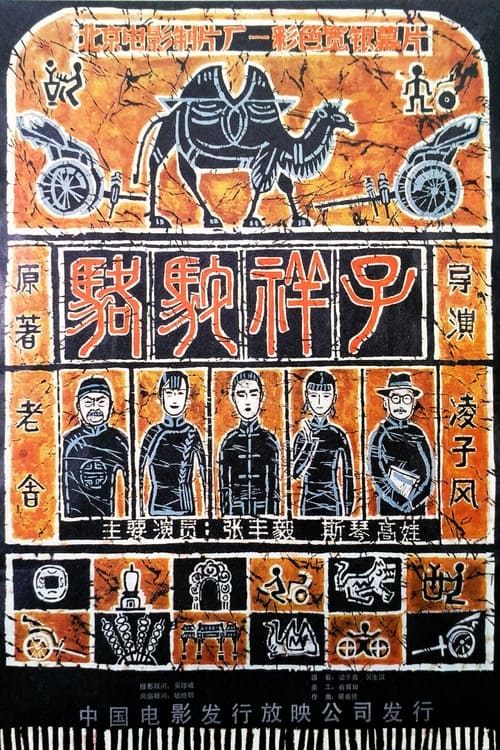
Xiang Zi is a rickshaw boy who has always had a desire to excel and a thirst for freedom. He married Hu Niu who died of dystocia later. After her death, another girl, Xiao Fuzi, falls in love with Xiang Zi but they are separated by poverty. Xiang Zi works very hard in order to change his life, only to find that Xiao Fuzi is dead just as he begins to be hopeful for their future. Finally, Xiang Zi, an unflinching man, surrenders to that dark society.
Rickshaw Boy
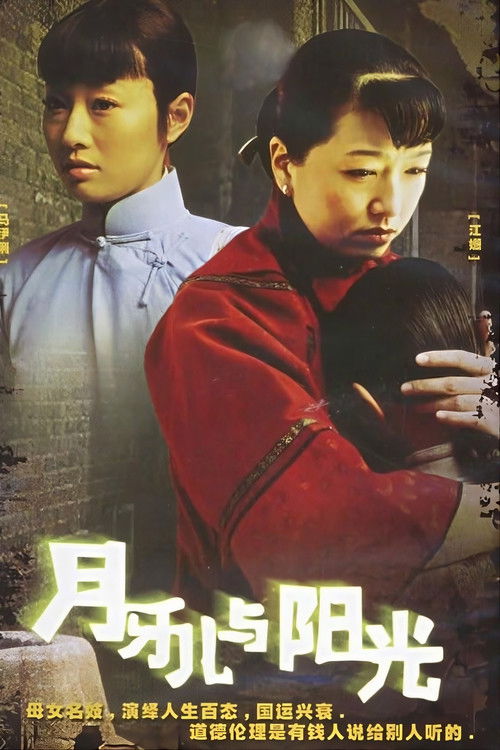
The story of Zhang Xiao Yue and Luo Can Yang, who end up in the same prison cell and reminisce in boredom. When Zhang Xiao Yue's father passed away, her family lost their only means of livelihood, unable to pay off their debts. Around the same time, Luo Can Yang's father is holding a banquet to celebrate his promotion, and Xiao Yue and her mother are hired as helpers by the Luo family. A series of complex relationships and conflicts unfold as a result, all seeming to revolve around Xiao Yue, her mother, and Can Yang. Both women struggle to stay true to themselves or find some small pieces of personal happiness in a society that considers them tools for men to use rather than as human beings.
The Moon and the Sunshine
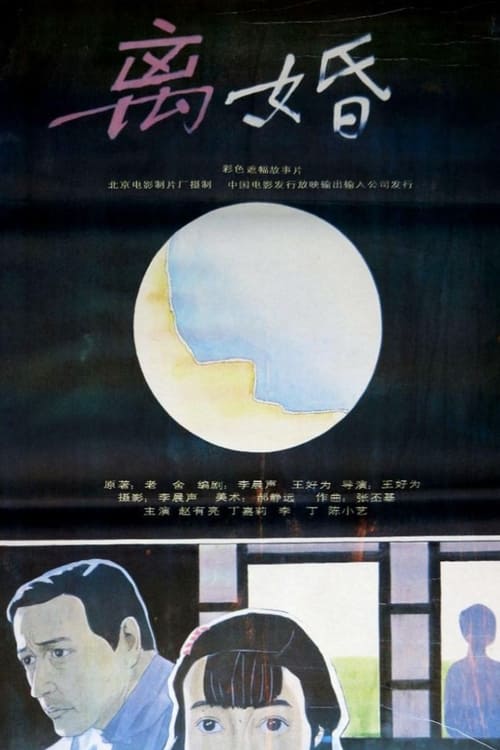
This movie made in the 1990's emphasize the urgent need of the legal reform regarding the divorce law, just like the Huge Battle of Divorce (1992), and the difference is that the hidden theme of this movie is concentrated on the settlement after the divorce while the Huge Battle of Divorce (Li Hun Da Zhan) concentrated on the process.
After Divorce

Teahouse, written by Lao She and co-directed by Jiao Juyin and Xia Chun, premiered in 1958 and has been staged more than 700 times at the Beijing People’s Art Theatre to date. It represents the highest achievement of New China’s spoken drama and has become the "treasure of the theatre" for BPAT. Embodying the artistic style of the Beijing People’s Art Theatre, Teahouse not only laid the foundation for its realist creative approach but also pioneered a distinct performing school of BPAT, making it a classic work in the nationalization of Chinese spoken drama.The cinematic theatre production Teahouse is a high-definition filmed version. An all-star cast including Liang Guanhua, Pu Cunxin, Yang Lixin, He Bing, Wu Gang, Gong Lijun and Feng Yuanzheng brings to life the rise and fall of the "Old Yutai Teahouse" over half a century. Retaining the authentic performing style, the film showcases the exquisite acting skills of these performing artists.
Teahouse

Shot in stylish black-and-white, this three-act fable, set in wartime Chongqing, focuses on the indifferent rich, the head clerk on a farm, and some young intruders. Based on a 1943 short story, the film was directed by noted screenwriter Mei Feng.
Mr. No Problem
No description available.
春节大联欢
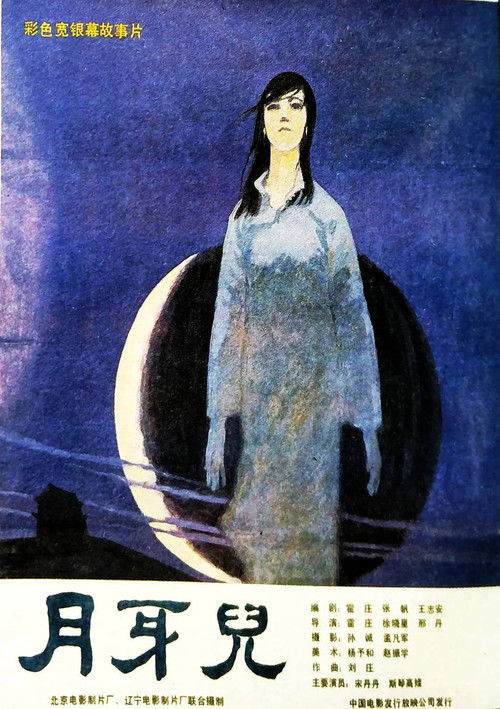
A young woman in the 1920s has a hard life and learns sympathy for her own mother's situation.
Moon Crescent

Fifty years of modern Chinese history (1900-1950), including wars, revolutions and corrupt politics, as seen through the life and times of a simple Beijing policeman and his family.
This Life of Mine
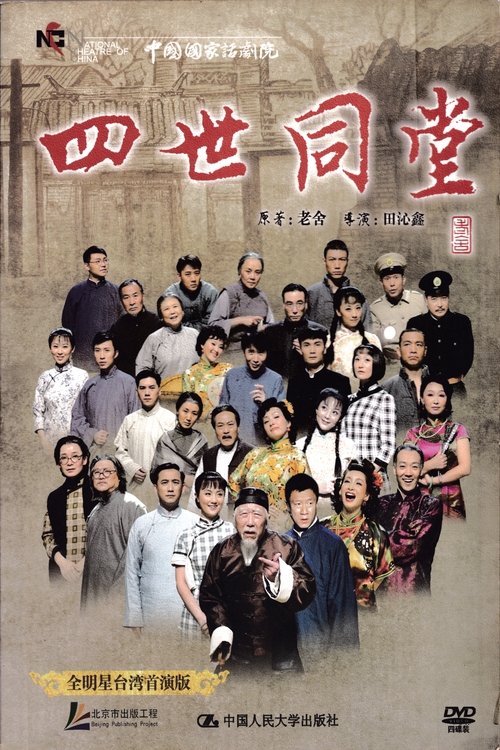
No description available.
四世同堂 全明星台湾首演版

Hong Kong adaptation of Lao She's novel RICKSHAW BOY.
What Price Love
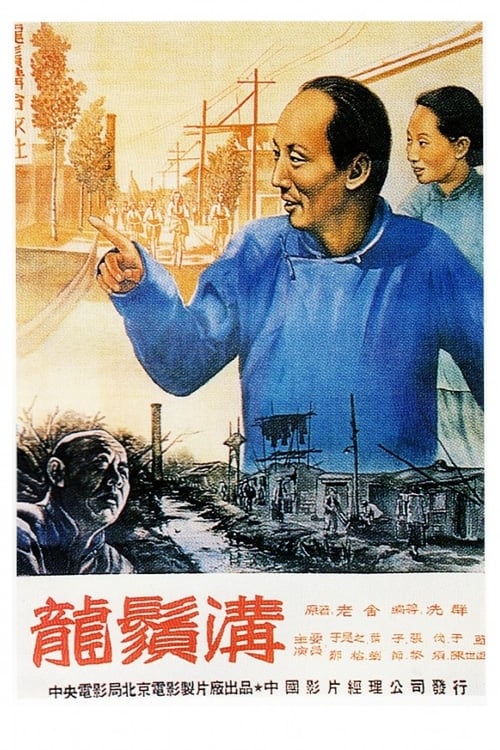
No description available.
Dragon Beard Ditch
No description available.
龙须沟
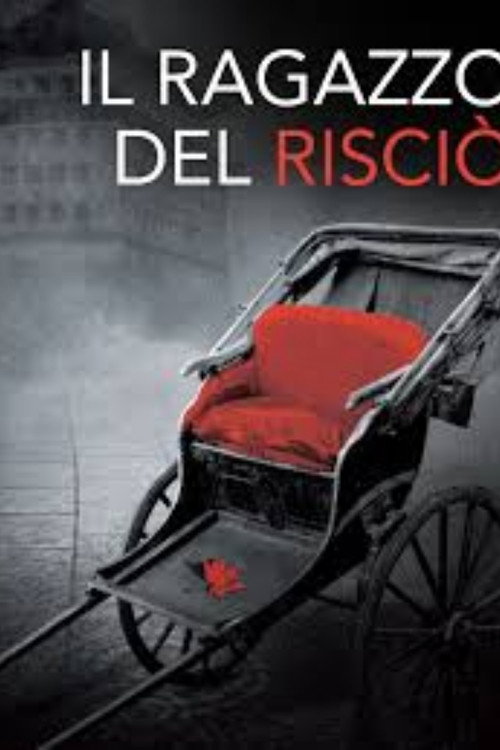
From the Teatro Regio in Turin: “The Rickshaw Boy” by Guo Wenjing, directed by Yi Liming. Conducted by Maestro Zhang Guoyong.