Hubert H. Humphrey
Acting
Biography
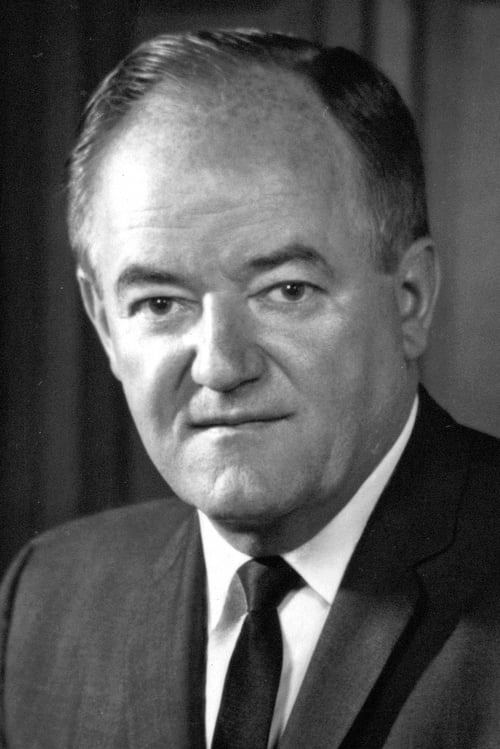
Hubert Horatio Humphrey Jr. (May 27, 1911 – January 13, 1978) was an American pharmacist and politician who served as the 38th vice president of the United States from 1965 to 1969. He twice served in the United States Senate, representing Minnesota from 1949 to 1964 and 1971 to 1978. As a senator he was a major leader of modern liberalism in the United States. As President Lyndon B. Johnson's vice president, he supported the controversial Vietnam War. An intensely divided Democratic Party nominated him in the 1968 presidential election, which he lost to Republican nominee Richard Nixon. Born in Wallace, South Dakota, Humphrey attended the University of Minnesota. In 1943, he became a professor of political science at Macalester College and ran a failed campaign for mayor of Minneapolis. He helped found the Minnesota Democratic–Farmer–Labor Party (DFL) in 1944; the next year he was elected mayor of Minneapolis, serving until 1948 and co-founding the liberal anti-communist group Americans for Democratic Action in 1947. In 1948, he was elected to the U.S. Senate and successfully advocated for the inclusion of a proposal to end racial segregation in the 1948 Democratic National Convention's party platform. Humphrey served three terms in the Senate from 1949 to 1964, and was the Senate Majority Whip for the last four years of his tenure. During this time, he was the lead author of the Civil Rights Act of 1964, introduced the first initiative to create the Peace Corps, and chaired the Select Committee on Disarmament. He unsuccessfully sought his party's presidential nomination in 1952 and 1960. After Lyndon B. Johnson acceded to the presidency, he chose Humphrey as his running mate, and the Democratic ticket won a landslide victory in the 1964 election. In March 1968, Johnson made his surprise announcement that he would not seek reelection, and Humphrey launched his campaign for the presidency. Loyal to the Johnson administration's policies on the Vietnam War, he received opposition from many within his own party and avoided the primaries to focus on winning the delegates of non-primary states at the Democratic National Convention. His delegate strategy succeeded in clinching the nomination, and he chose Senator Edmund Muskie as his running mate. In the general election, he nearly matched Nixon's tally in the popular vote but lost the electoral vote by a wide margin. After the defeat, he returned to the Senate and served from 1971 until his death in 1978. He ran again in the 1972 Democratic primaries but lost to George McGovern and declined to be McGovern's running mate. From 1977 to 1978, he served as Deputy President pro tempore of the United States Senate. From Wikipedia, the free encyclopedia
Known For

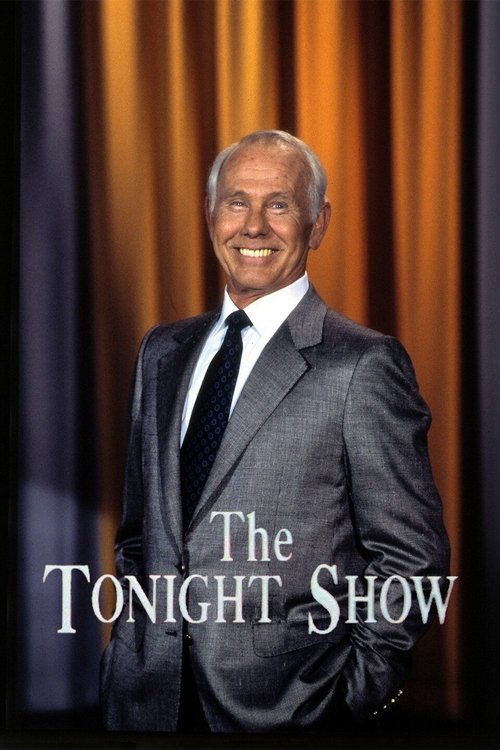
The Tonight Show Starring Johnny Carson is a talk show hosted by Johnny Carson under The Tonight Show franchise from 1962 to 1992. It originally aired during late-night. For its first ten years, Carson's Tonight Show was based in New York City with occasional trips to Burbank, California; in May 1972, the show moved permanently to Burbank, California. In 2002, The Tonight Show Starring Johnny Carson was ranked #12 on TV Guide's 50 Greatest TV Shows of All Time.
The Tonight Show Starring Johnny Carson

The Mike Douglas Show is an American daytime television talk show hosted by Mike Douglas that originally aired only in the Cleveland area during much of its first two years on the air. It then went into syndication in 1963 and remained on television until 1982. It was distributed by Westinghouse Broadcasting and for much of its run, originated from studios of two of the company's TV stations in Cleveland and Philadelphia.
The Mike Douglas Show

America's popular television News magazine in which an ever changing team of CBS News correspondents contribute segments ranging from hard news coverage to politics to lifestyle and pop culture.
60 Minutes

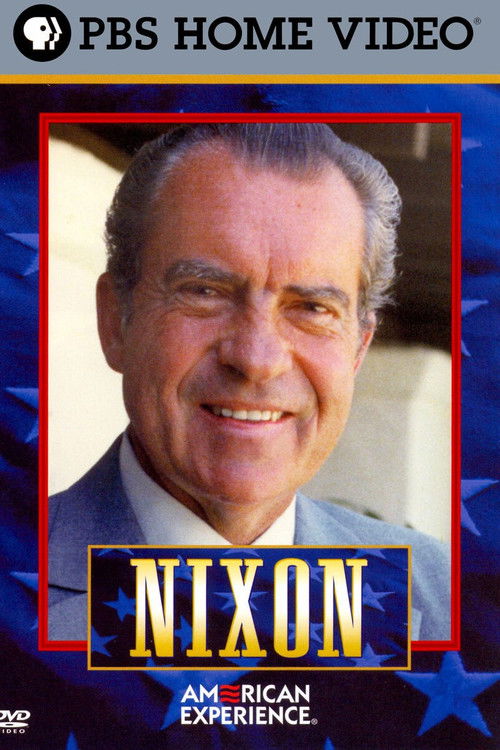
TV's most-watched history series brings to life the compelling stories from our past that inform our understanding of the world today.
American Experience

The Dick Cavett Show has been the title of several talk shows hosted by Dick Cavett on various television networks.
The Dick Cavett Show

From executive producers Kevin Spacey and Dana Brunetti, CNN Original Series "Race for the White House" captures the drama of how a high-stakes presidential election can turn on a single issue and so much more.
Race for the White House

"Trinity and Beyond" is an unsettling yet visually fascinating documentary presenting the history of nuclear weapons development and testing between 1945-1963. Narrated by William Shatner and featuring an original score performed by the Moscow Symphony Orchestra, this award-winning documentary reveals previously unreleased and classified government footage from several countries.
Trinity and Beyond: The Atomic Bomb Movie

A presentation of key events in the life of civil rights activist Martin Luther King Jr. Beginning with the 1955 bus boycott in Montgomery, Alabama, MLK is followed through major steps in his struggle to promote racial equality. Including footage of King's stirring speeches, it is a fitting tribute to his legacy, and features clips narrated by a wide range of celebrities, including Harry Belafonte, Paul Newman Charlton Heston, Ruby Dee, Burt Lancaster, Anthony Quinn, Walter Matthau, Ben Gazzara, Clarence Williams III, Joanne Woodward, and James Earl Jones.
King: A Filmed Record... Montgomery to Memphis

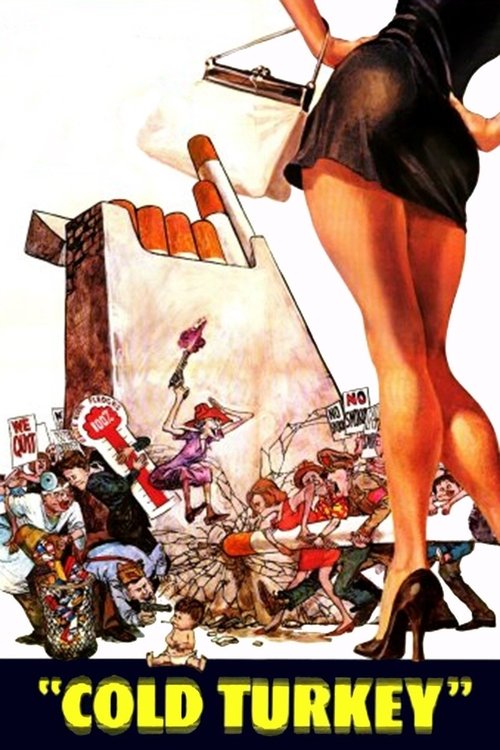
Reverend Brooks leads his small Iowa town in a contest to stop smoking for a month. But some tobacco executives don't want them to win, and try everything they can to make them smoke. If townspeople don't go nuts from wanting a cigarette, or kill each other from irritation and frustration, they will win a huge prize.
Cold Turkey

A look at the role of the Buckeye State in the 2004 Presidential Election.
...So Goes the Nation

This video, The Road to Mass Incarceration, by Greenhouse Media summarizes criminal justice policy decisions dating back to the 1960s. Although the effects often took decades to manifest, each of these policy shifts increased the rate of incarceration in the U.S. The video ends with many of the architects of these changes, Democrats and Republicans alike, admitting the failure of these policies and suggesting that it is time for real change.
The Road to Mass Incarceration

A look at the daily business of U.S. President John F. Kennedy, with a focus on some of the political issues he faces six weeks into his term. Preserved by the Academy Film Archive in 2007.
Adventures on the New Frontier

On April 5, 1968, soul legend James Brown performed a concert in Boston that many say shielded that city from the kinds of devastating riots that ripped other cities apart after the assassination of Martin Luther King, Jr.
James Brown - The Night James Brown Saved Boston

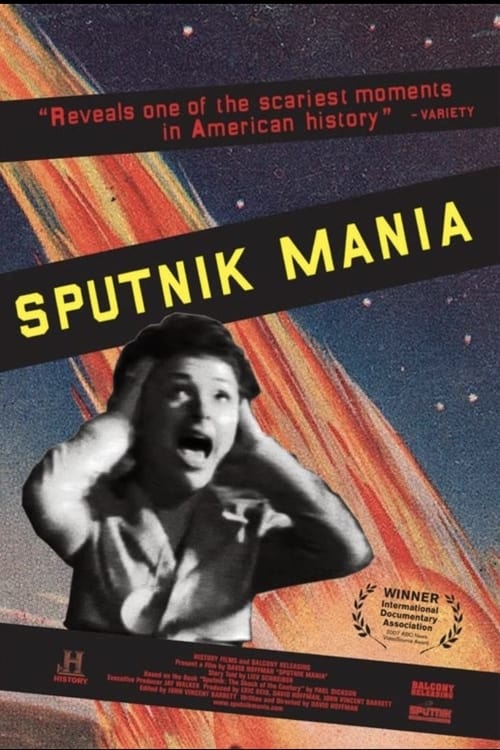
Fifty years ago, at the height of the Cold War, the USSR launched Sputnik, the first satellite to orbit the earth, bringing America to its knees in awe - then fear. Initially thrilling as a marvel of science, Sputnik was soon viewed by America a weapon of mass destruction.
Sputnik Mania

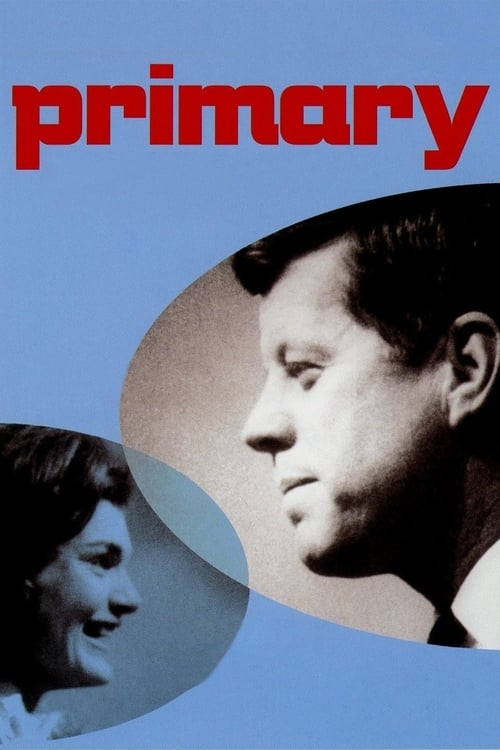
Primary is a documentary film about the primary elections between John F. Kennedy and Hubert Humphrey in 1960. Primary is the first documentary to use light equipment in order to follow their subjects in a more intimate filmmaking style. This unconventional way of filming created a new look for documentary films where the camera’s lens was right in the middle of what ever drama was occurring. Preserved by the Academy Film Archive in partnership with The Film Foundation in 1998.
Primary

Never before seen Super 8 home movies filmed by Richard Nixon's closest aides - and convicted Watergate conspirators - offer a surprising and intimate new look into his Presidency.
Our Nixon

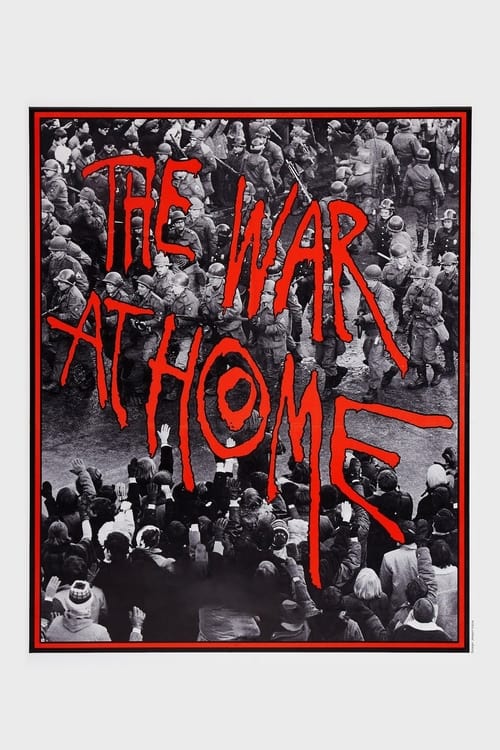
Documentary film about the anti-war movement in the Madison, Wisconsin area during the time of the Vietnam War. It combines archival footage and interviews with participants that explore the events of the period on the University of Wisconsin–Madison campus.
The War at Home

An essay film exploring the thirteen United States Presidents that have led the country through war and conflict from 1950 to 2025.
Spartamerika
American Experience looks at the 1968 Democratic National Convention in Chicago where Vice President Hubert Humphrey won his party's nomination for president amid massive civil unrest and violence perpetrated by Chicago Police and anti-Vietnam War protesters.
Chicago 1968

"This film traces the 1968 presidential election, from the earliest primary campaigning in New Hampshire to President-Elect Nixon's morning-after victory speech. The film touches on important election events and issues, and adheres to the main theme of Americans' personal involvement in choosing political leaders" (US National Archives).