Đức Hoàn
Directing
Biography
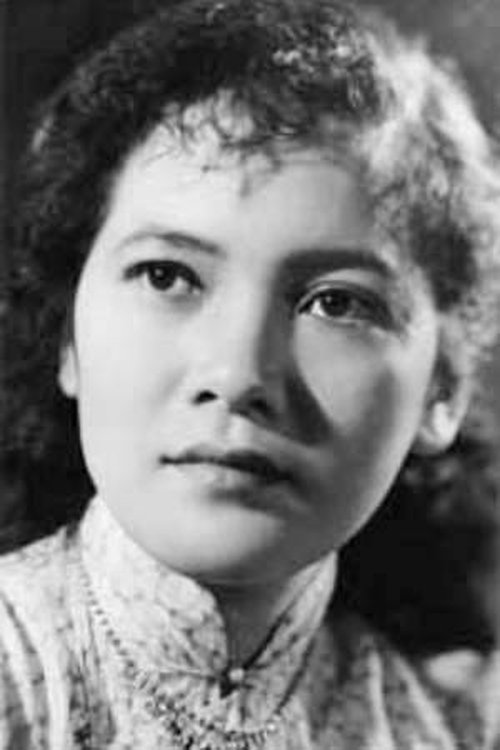
Merited Artist Nguyễn Thị Đức Hoàn (1937 - 2003) was a Vietnamese film director, screenwriter and actress. One of the very first female directors in Vietnamese cinema, and the second after Bạch Diệp to garner significant commercial and critical success, she was initially discovered by Phạm Trọng Quỳ at the age of 17 while working as a Chinese interpreter. Advised by the veteran cinematographer to go into acting, she took up a training course at the National Theatre under the guidance of Soviet director Anatoly Vasiliev and later joined the Studio as a voice actor specialising in foreign movies dubs. In 1961, she was chosen for the role of Mị in "Vợ chồng A Phủ" by director Mai Lộc. The performance earned her a Silver Lotus Award at 2nd Vietnam Film Festival in 1973, and the success of "Vợ chồng A Phủ" catapulted her into the limelight. The actress continued to be the top-billed star in other critically acclaimed hits of the 60s, "Đi bước nữa" (1963) and "Bình minh trên rẻo cao"(1966). At the height of her acting career, in 1967 Đức Hoàn left for Russia to study film directing at Moscow State University; she transitioned to directing and scriptwriting full-time upon her return to Vietnam. She was renowned for her meticulous, realist directorial approach which emphasises the collaboration of actors in the creative process and champions more naturalistic dialogues. Her works often deal with the matter of guilt, betrayals, and the clash between desires versus the real world. She passed away on April 2, 2003 in Hanoi, at the age of 66.
Known For

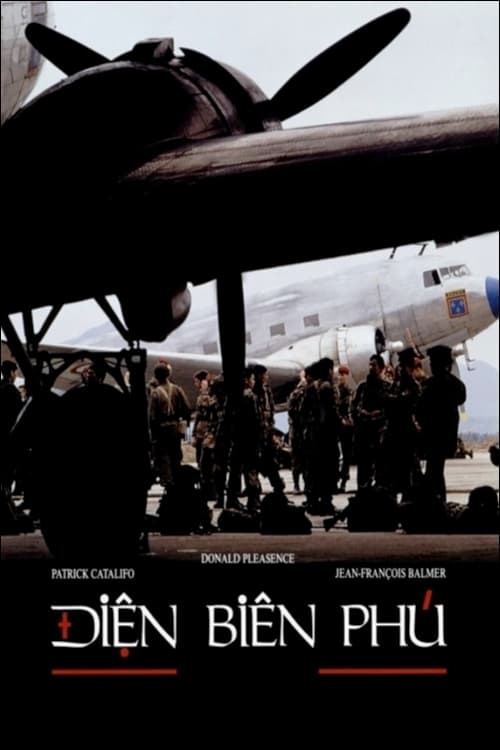
Vietnam, 1954. An American reporter finds himself in the middle of the battle of Điện Biên Phủ, between the French army and the Vietminh.
Diên Biên Phu

To pay off her family’s debts, Mị is forced to marry the son of her Hmong village’s ruthless patriarch. When the constant abuse and beatings become unbearable for the young girl, she plans to escape with a stranger held captive by her husband.
A Phu and His Wife

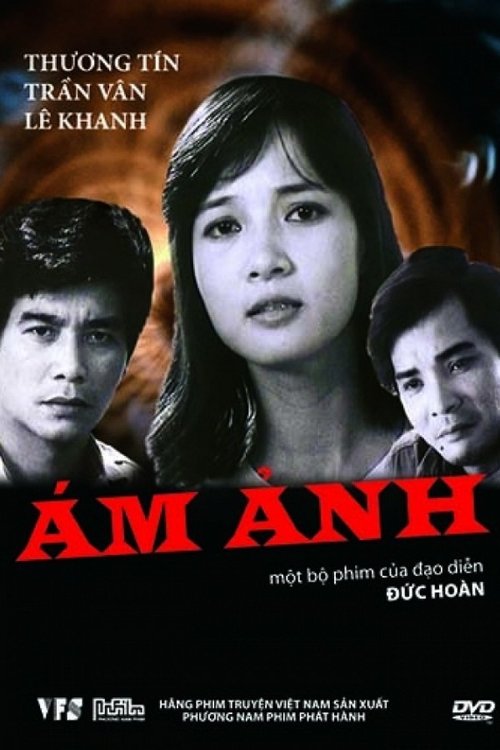
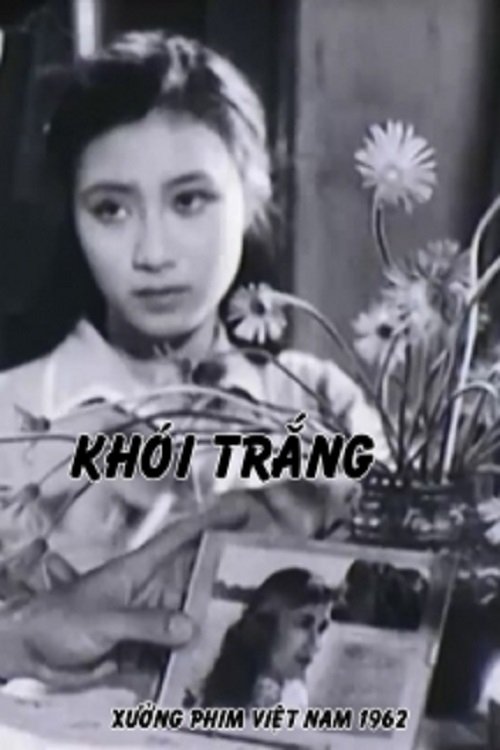
During the war, a woman learns that her husband is an army deserter.
Obsession

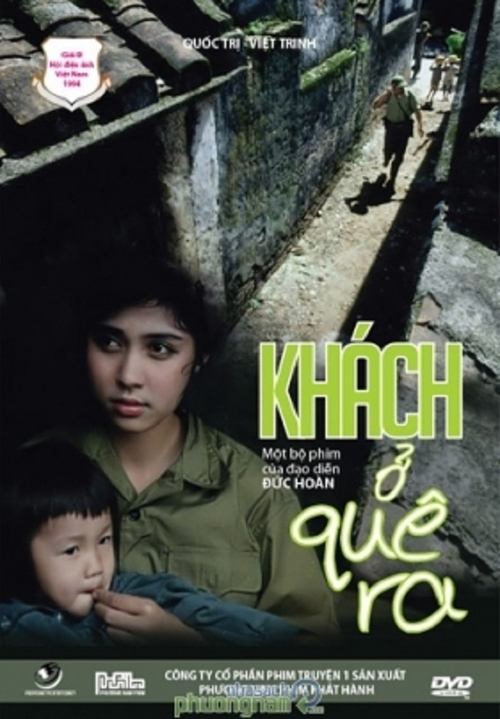
A woman running from her past meets a poor farmer who offers to marry her and raise her newborn as his own. After marrying they struggle to make a happy life together as their family grows and the war rages around them.
A Visitor from the Countryside

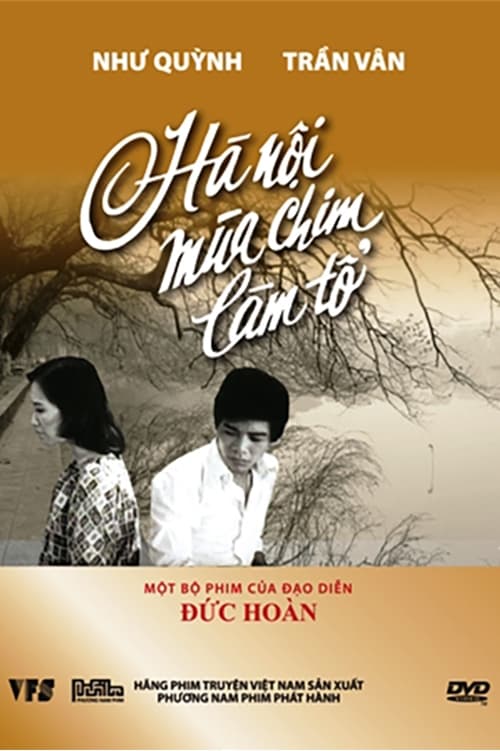
Hanoi of 1978, milkwood pine flowers in autumn, and the anxiety of idealistic youths navigating postwar life. A young couple struggle to be together as individual happiness gets in the way.
Nesting Season in Hanoi

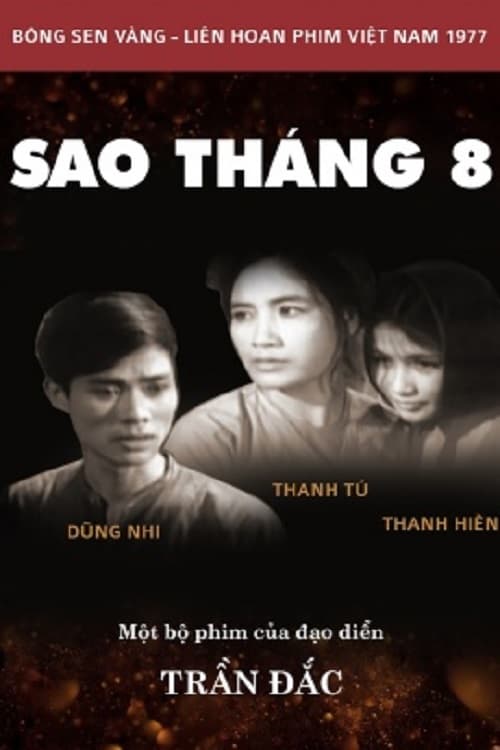
The plot of the film revolves around revolutionary soldiers who come from different classes, but all share the same patriotism. They had to overcome many life-and-death challenges and enormous adversities in order to mobilise the masses to prepare for an uprising and seize power from the Japanese fascists, in a situation where the country fell into the tragedy of famine.
August Star

After a streak of betrayals in love, a scholar harbours a disdain for women and vows to stay away from their “venomous nature”. However, he soon grows increasingly obsessed with a prostitute he encountered one night, and falls deeply in love with her against the prejudices of his social class.
Tempestuous Fate

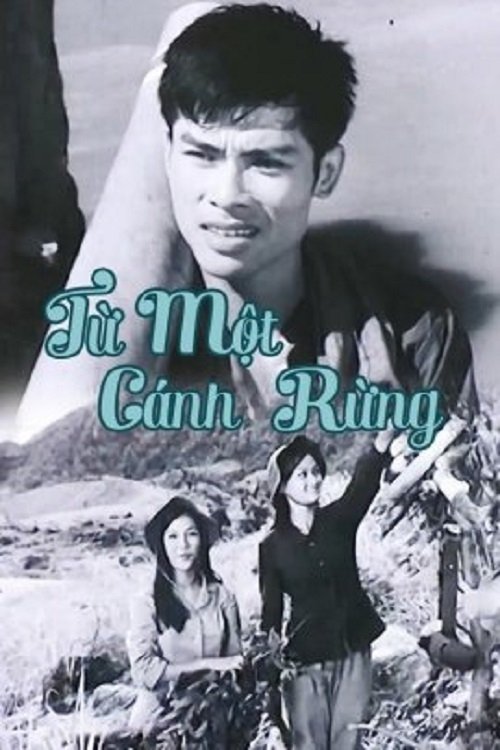
Two classmates volunteer to work in logistics across the forests of Trường Sơn mountains.
From The Same Forests

No description available.
The Sun Rises on the High Plains

A young wife awaits the return of her husband from the war. But when he arrives, mutilated and sick, she is repulsed.
Love and Distance

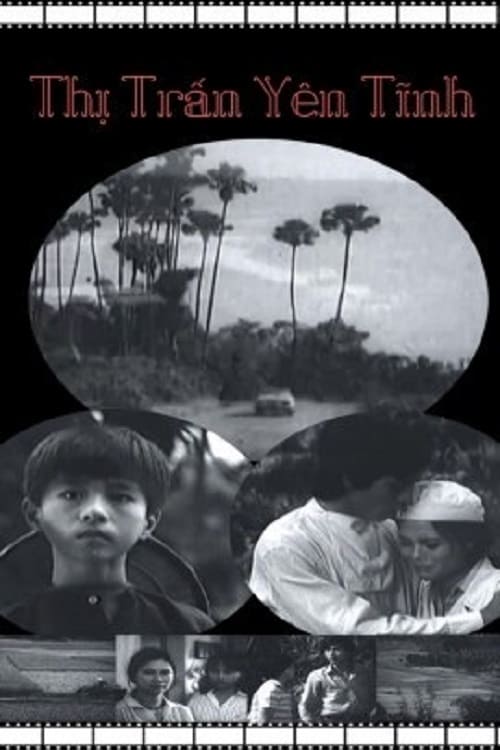
A government minister from Hanoi has a car accident on the way to a wedding in a remote village. The county hospital does not have the authority to operate on a minister. The county commissioner would like the operation done in the county for the prestige it would bring, but will not authorize it without the approval of the whole county committee. The hospital director has filled his quota, so does not want to take the risk of an operation. Since a telephone call to Hanoi has to be booked two days in advance, the minister's wife cannot be contacted, nor can a helicopter be arranged to move the minister to Hanoi.
A Quiet Little Town

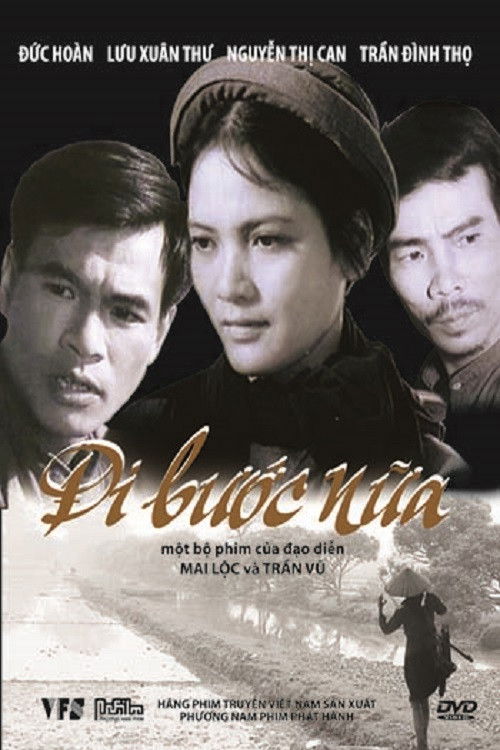
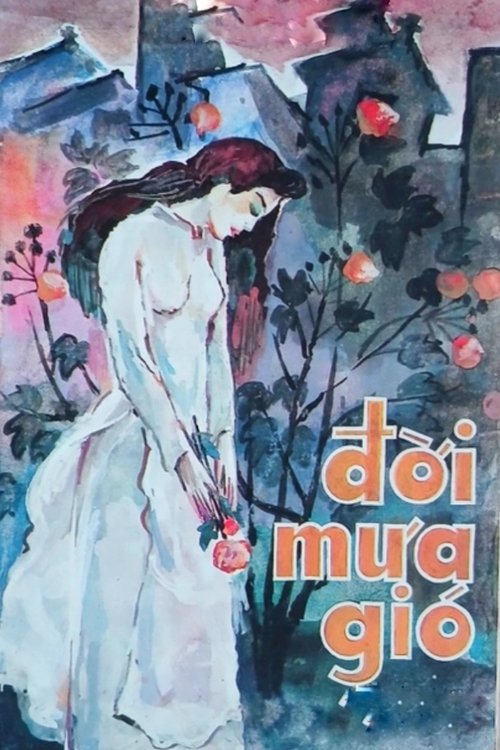
The story in the film is about the love between a man and a woman from the same village, Hoan and Can, who have two children together. But this love affair encountered many difficulties and pressure from family and social customs, forcing Can to leave his hometown and go to the mountains. As for Hoan, she was also prevented by her husband's family because they were afraid of having to redistribute their land. The film shows viewers the relationships and behaviors of Northern farmers in the context of the 1960s.