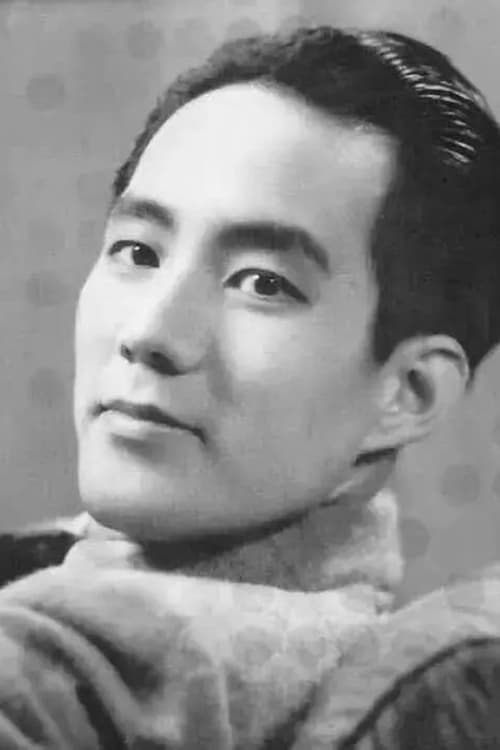
Shu Shi
Acting
Known For
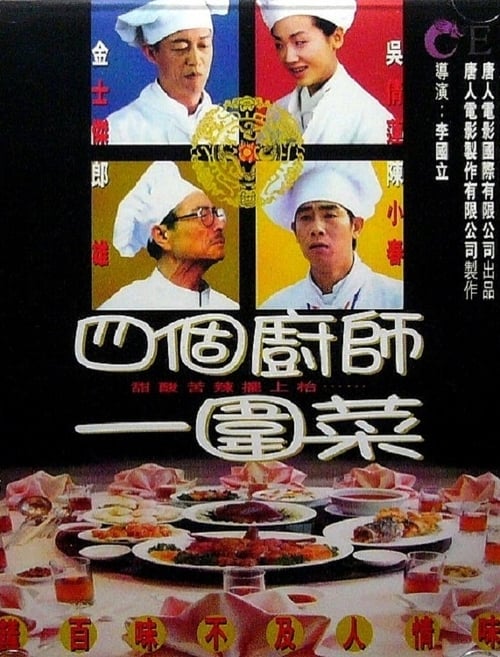
Fifty years after partners in a prestigious Shanghai restaurant split, others try to restore it to its glory.
Four Chefs and a Feast

The film focused on a conflict between Empress Dowager Cixi, her son Guangxi (the nominal emperor) and his wife, Zhen Fei.
Sorrows of the Forbidden City
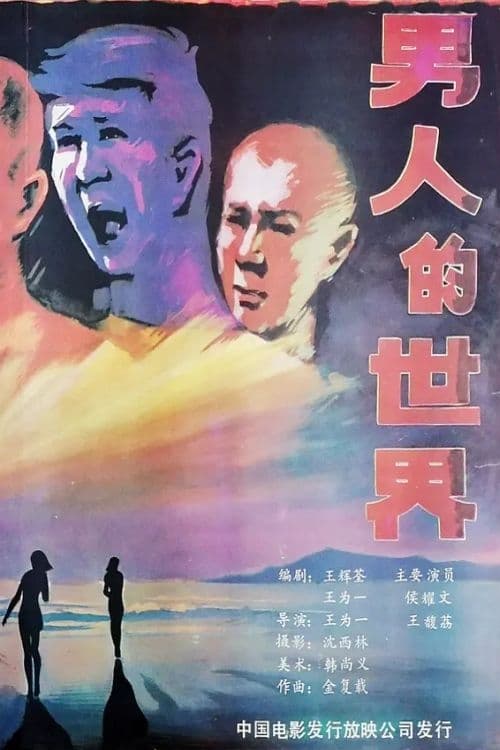
As most families only want to have boys, women end up becoming rare and precious.
Nan ren de shi jie
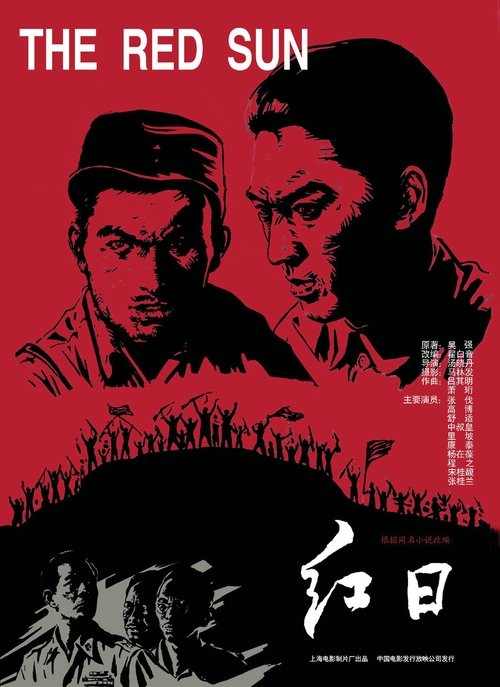
No description available.
The Red Sun
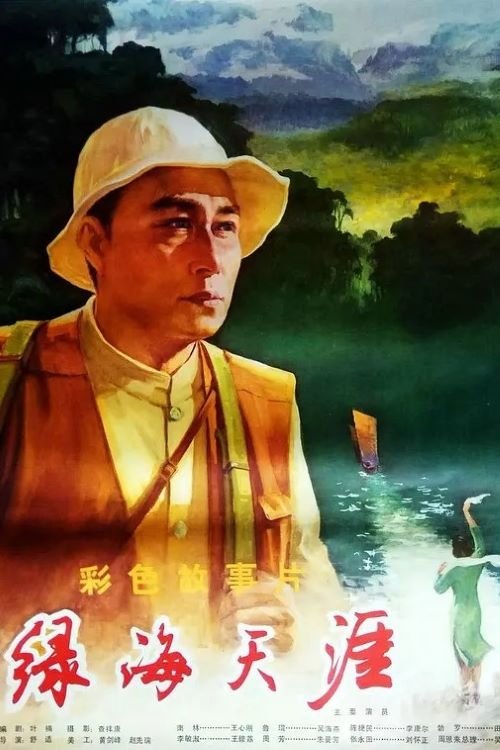
No description available.
绿海天涯
No description available.
Peach Blossom Lake
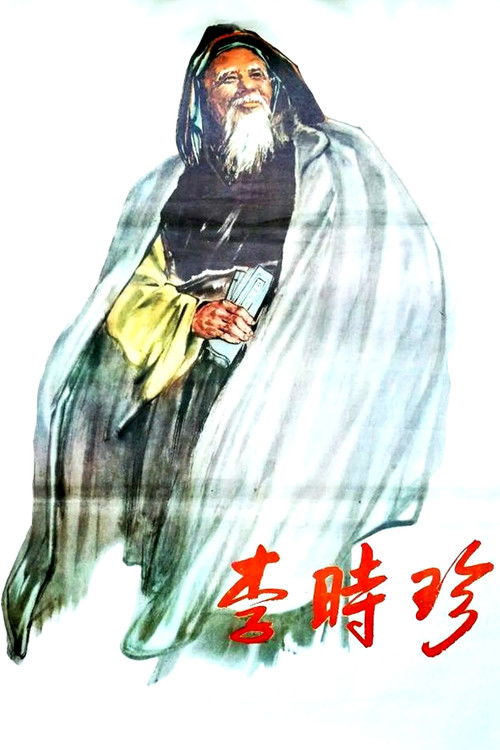
This biography film is based on the life of the real historical figure Li Shizhen.The story focuses on the social injustices suffered by Li as well as the difficulties he overcame in writing the famous Encyclopedia of Herbs.
Li Shizhen
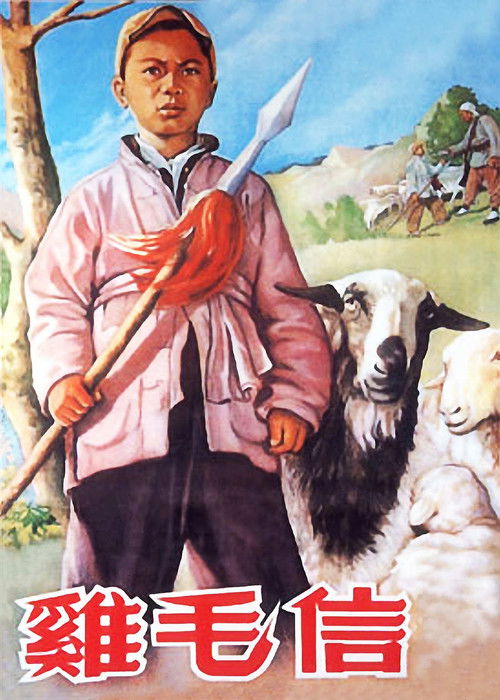
Twelve-year-old Hai Wa sends a secret letter containing Japanese military information to the Eight Route Army during the anti-Japanese war.
The Letter with Feathers
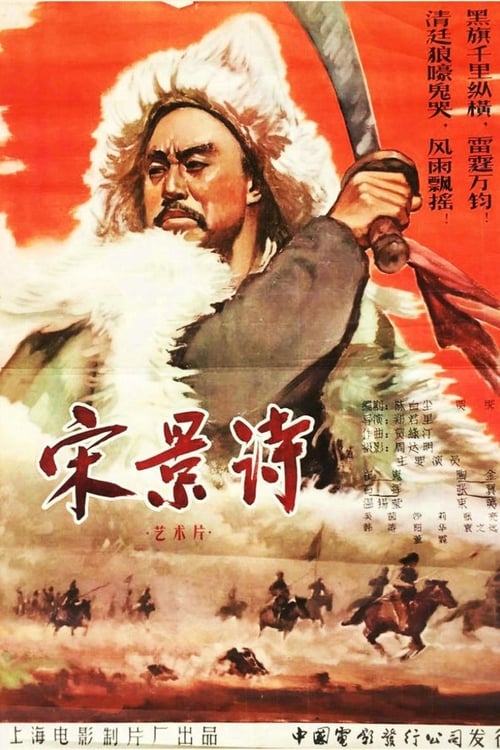
In the mid-19th century, at the height of the Opium War, the Chinese people rose up against the feudal system and the Manchu dynasty, which had capitulated to foreign invaders. ... With their heads bowed, peasants in chains trudge along, those who refused to give money to crush their rebellious brothers. Suddenly, their path is blocked. It is Song Jing-shi who has come to their rescue with his detachment. The freed peasants joined Song Jing-shi. This is how the core of the Black Flag Army was formed. The first historical film made in socialist China in the 1950s. The script is based on authentic material collected in villages in Shandong Province. Legends about the cruelty of Sen Gelinzin and the bravery of Sun Jing-shi, who is called the "Chinese Spartacus," still live on among the people.
Song Jing Shi
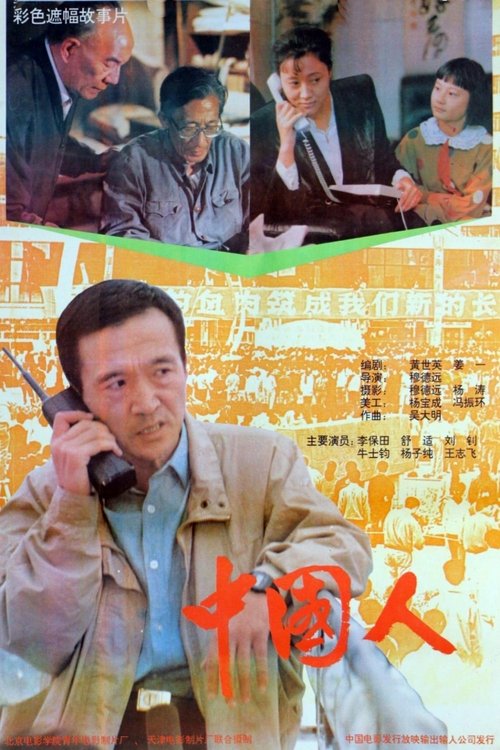
No description available.
Those Are Chinese
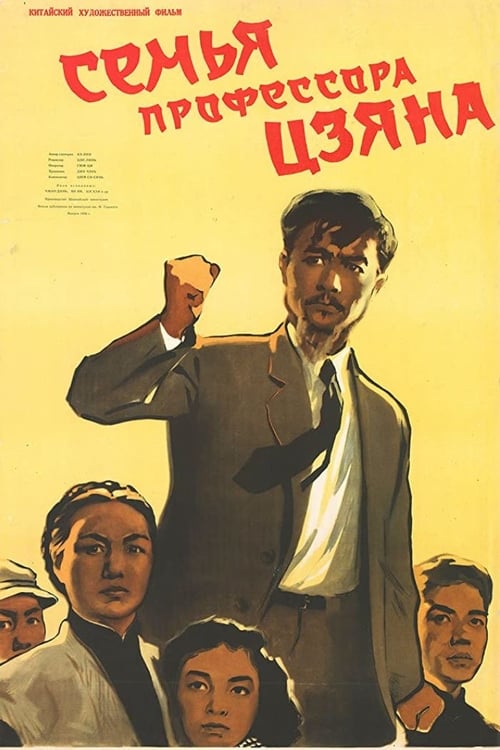
A professor of East China University and his family become supporters of the Communists after America supports the Nationalists.
For Peace
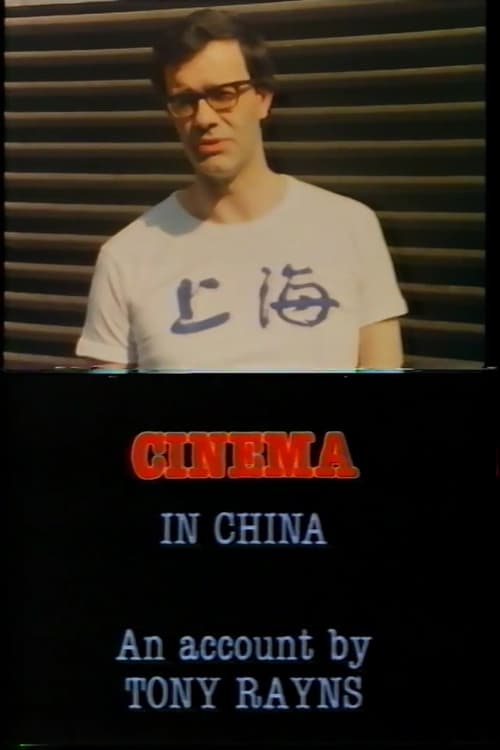
History of filmmaking in China from its beginnings in the 1920s to 1982, featuring Shanghai cinema of 1930s; the progressive filmmakers; the organisation of filmmaking under the post-war communist government; the impact of the Cultural Revolution; the work of Xie Jin.
Visions Cinema: Cinema in China - An Account by Tony Rayns
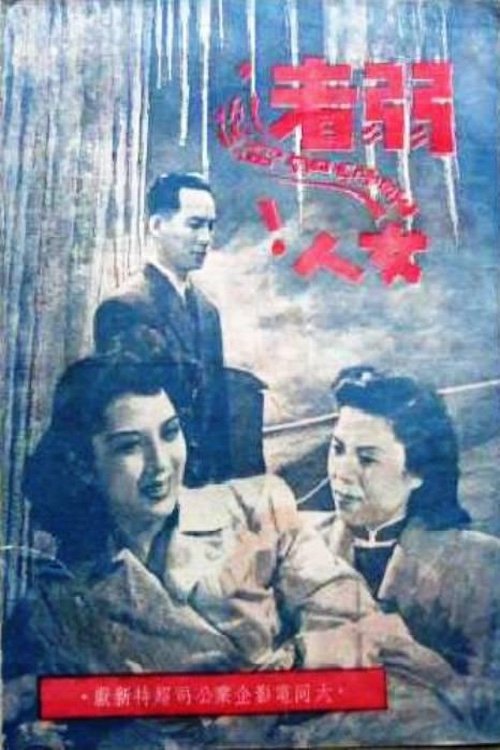
No description available.
姊妹劫
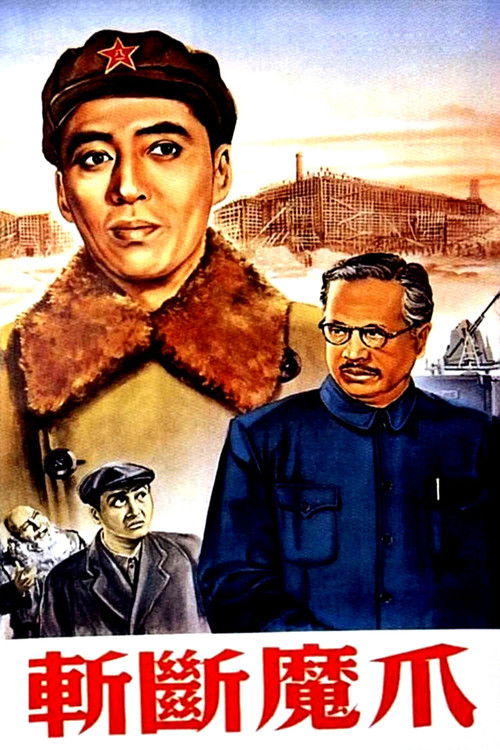
No description available.
Cut the Evil’s Claw
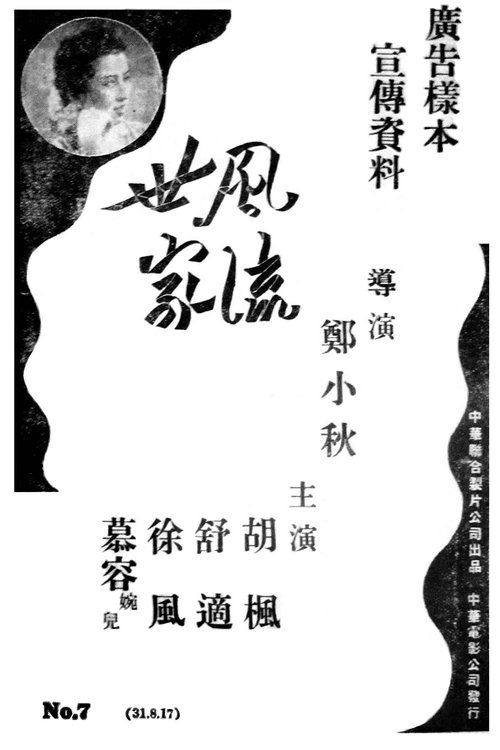
No description available.
A Distinguished Family
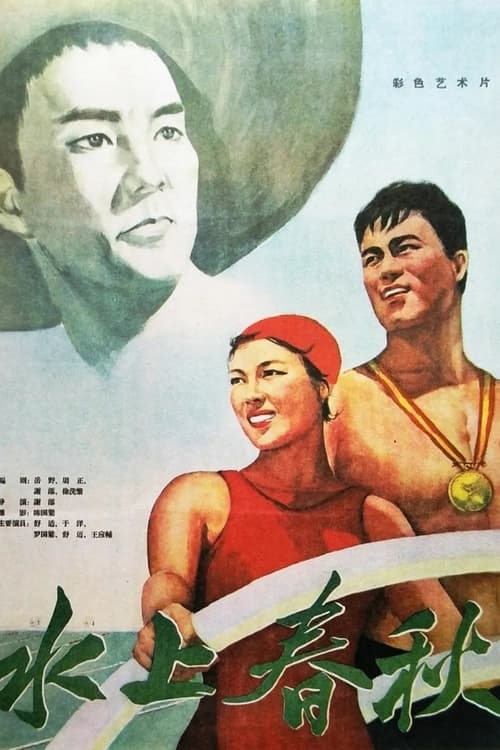
At a 1930s swimming match, a Chinese champion is forced to lose to his American rival. Later, the Chinese champion's son, another potential champion, is torn between the rigours of training and the lure of romance.
Days in the Water
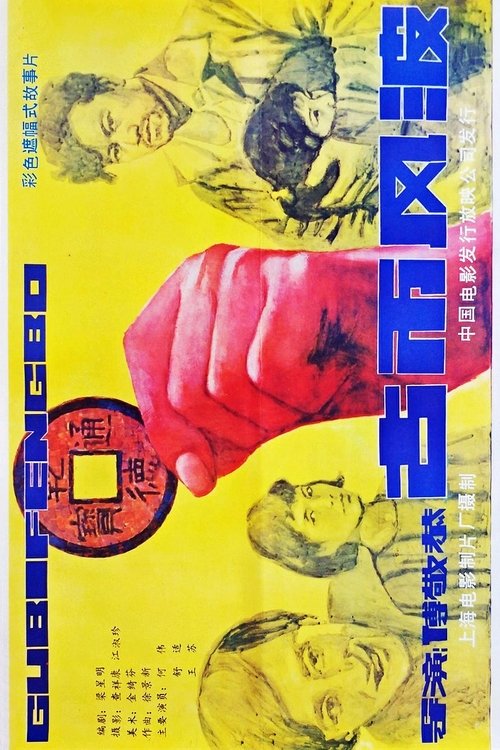
No description available.
古币风波
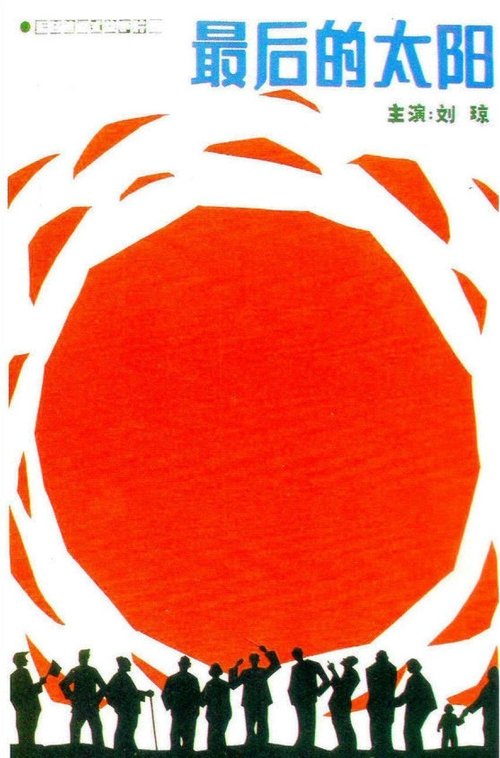
Three former comrades from a wartime propaganda troupe join to form a senoir choir, and are soon joined by their other comrades, who find that it is an uplifting experience in their old age.
The Sunset
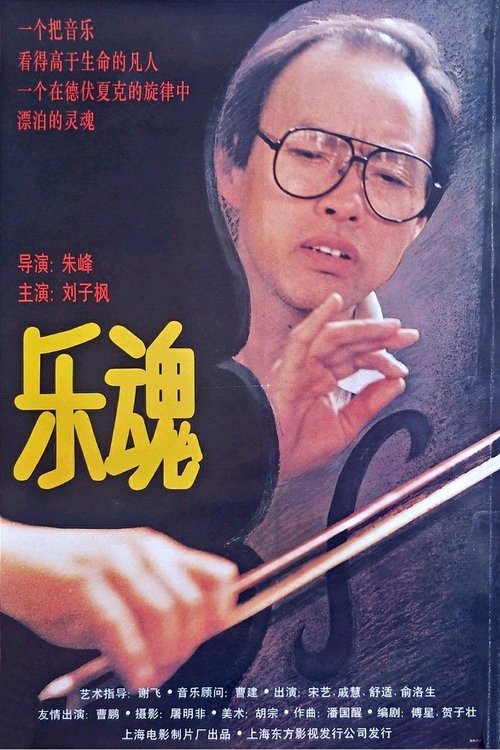
No description available.
乐魂

No description available.