FEEL IT.STREAM
Isaac Asimov

Isaac Asimov

Writing

Biography

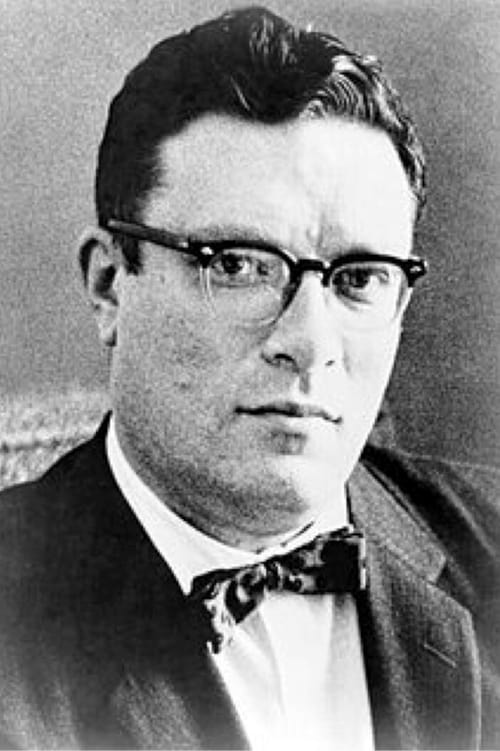
Isaac Asimov (born Isaak Yudovich Ozimov, January 2, 1920 – April 6, 1992) was an American author and professor of biochemistry at Boston University, best known for his works of science fiction and for his popular science books. Asimov was one of the most prolific writers of all time, having written or edited more than 500 books and an estimated 9,000 letters and postcards. His works have been published in nine of the ten major categories of the Dewey Decimal System (The sole exception being the 100s: philosophy and psychology, although he did write a foreword for The Humanist Way, which is published in the 100s). Isaac Asimov is widely considered a master of hard science fiction and, along with Robert A. Heinlein and Arthur C. Clarke, he was considered one of the "Big Three" science fiction writers during his lifetime. Asimov's most famous work is the Foundation Series; his other major series are the Galactic Empire series and the Robot series, both of which he later tied into the same fictional universe as the Foundation Series to create a unified "future history" for his stories much like those pioneered by Robert A. Heinlein and previously produced by Cordwainer Smith and Poul Anderson. He wrote many short stories, among them "Nightfall", which in 1964 was voted by the Science Fiction Writers of America the best short science fiction story of all time. Asimov wrote the Lucky Starr series of juvenile science-fiction novels using the pen name Paul French. The prolific Asimov also wrote mysteries and fantasy, as well as much non-fiction. Most of his popular science books explain scientific concepts in a historical way, going as far back as possible to a time when the science in question was at its simplest stage. He often provides nationalities, birth dates, and death dates for the scientists he mentions, as well as etymologies and pronunciation guides for technical terms. Examples include his Guide to Science, the three volume set Understanding Physics, Asimov's Chronology of Science and Discovery, as well as numerous works on astronomy, mathematics, the Bible, William Shakespeare's works and, of course, chemistry subjects. Asimov was a long-time member and Vice President of Mensa International, albeit reluctantly; he described some members of that organization as "brain-proud and aggressive about their IQs." He took more joy in being president of the American Humanist Association. The asteroid 5020 Asimov, a crater on the planet Mars, the magazine Asimov's Science Fiction, a Brooklyn, New York elementary school, and one Isaac Asimov literary award are named in his honor. Description above from the Wikipedia article Isaac Asimov, licensed under CC-BY-SA, full list of contributors on Wikipedia.​

Known For

The Mike Douglas Show
5.8

The Mike Douglas Show is an American daytime television talk show hosted by Mike Douglas that originally aired only in the Cleveland area during much of its first two years on the air. It then went into syndication in 1963 and remained on television until 1982. It was distributed by Westinghouse Broadcasting and for much of its run, originated from studios of two of the company's TV stations in Cleveland and Philadelphia.

The Mike Douglas Show

1961
Foundation
7.7

Follow a band of exiles on their monumental journey to save humanity and rebuild civilization amid the fall of the Galactic Empire.

Foundation

2021
No image
4.7

The BBC's flagship cinema review TV program featuring reviews of new releases, news items and interviews. The title of the program changes each year to incorporate the year of broadcast.

Film '72

1971
I, Robot
7.0

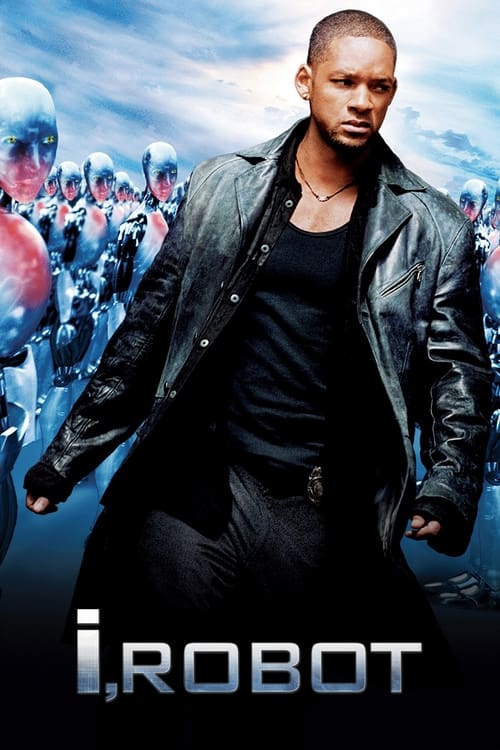
In 2035, where robots are commonplace and abide by the three laws of robotics, a technophobic cop investigates an apparent suicide. Suspecting that a robot may be responsible for the death, his investigation leads him to believe that humanity may be in danger.

I, Robot

2004
History 101
7.1

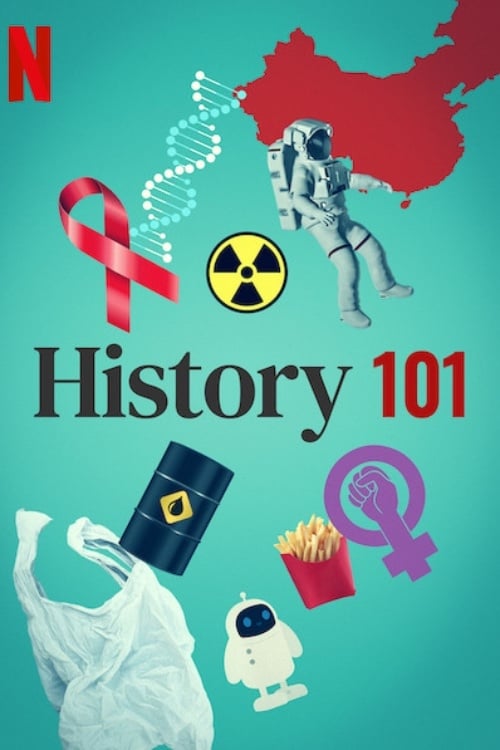
Infographics and archival footage deliver bite-size history lessons on scientific breakthroughs, social movements and world-changing discoveries.

History 101

2020
Out of the Unknown
7.1

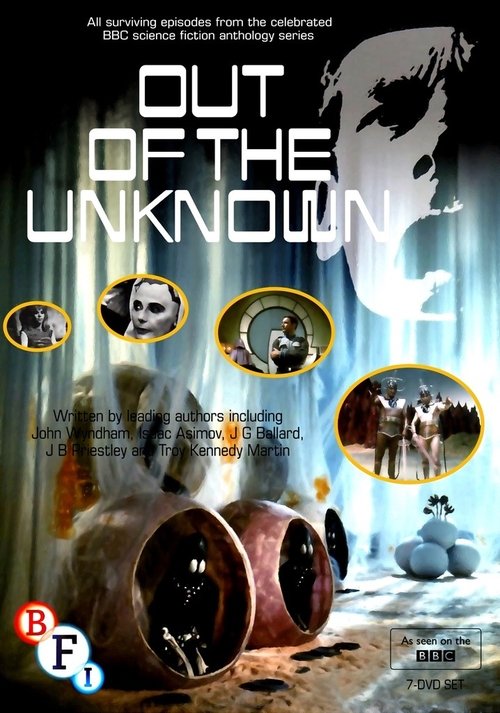
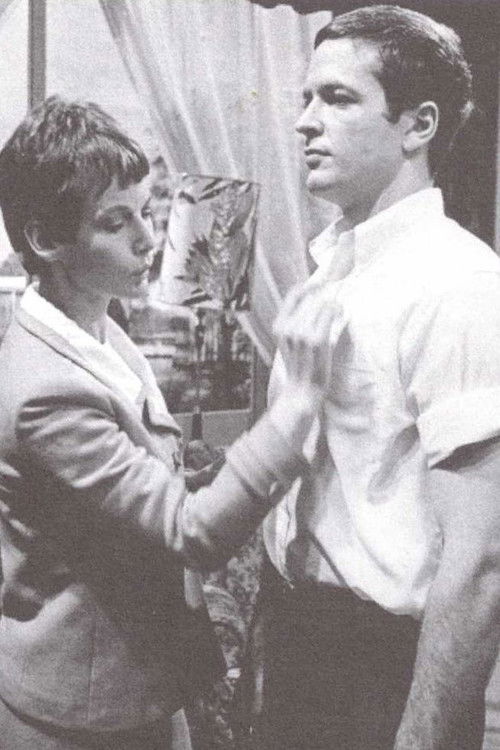
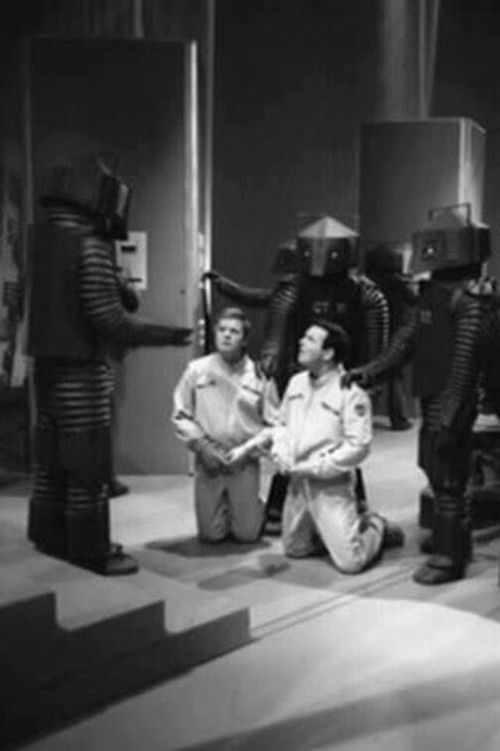
Out of the Unknown is a British television science fiction anthology drama series, produced by the BBC and broadcast on BBC2 in four series between 1965 and 1971. Each episode was a dramatisation of a science fiction short story; some were created for the series, but most were adaptations of already published stories. The first three years were exclusively science fiction, but that genre was abandoned in the final year in favour of horror and fantasy. A number of episodes were wiped during the early 1970s, as was standard procedure at the time.

Out of the Unknown

1965
The Real History of Science Fiction
7.0

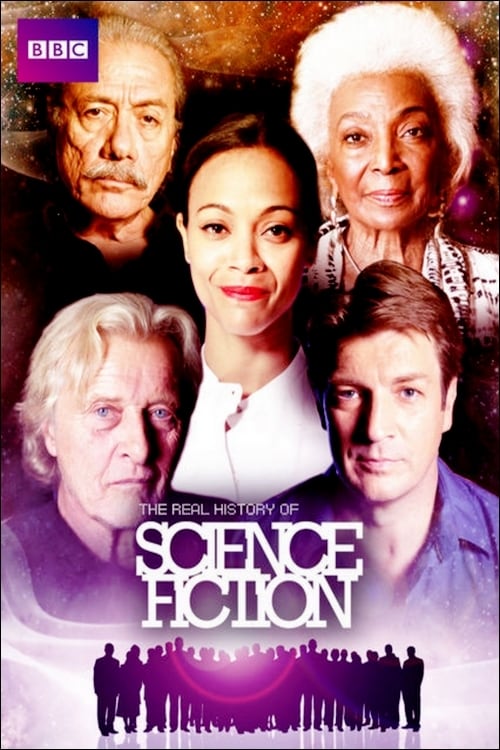
The series heads to the very frontiers of space and science to produce the definitive television history of science fiction, told through its impact on cinema, television and literature, with the help of filmmakers, writers, actors, and graphic artists. Each episode will explore one of the enduring themes of science fiction: time travel; the exploration of space; robots and artificial intelligence; and aliens.

The Real History of Science Fiction

2014
No image
8.0

Story Parade specialized in adaptations of modern novels. It was broadcast on June 5, 1964 and repeated on August 28, 1964. The teleplay was by Terry Nation (who invented "Blake's 7" and the Daleks in Dr. Who), and Elijah Baley was played by the late Peter Cushing. It also starred John Carson John Carson as R. Daneel Olivaw and Kenneth J. Warren. The master tapes of the program were erased, however a few clips from the production have turned up in various documentaries about Isaac Asimov's work.

Story Parade

1964
Bicentennial Man
7.3

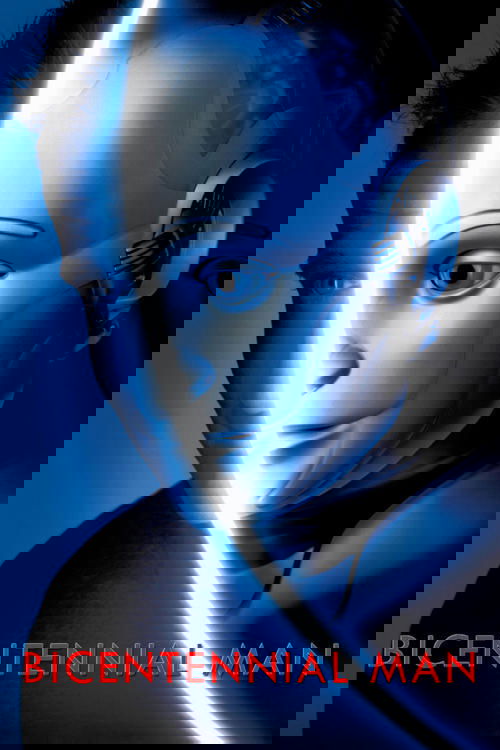
Richard Martin buys a gift, a new NDR-114 robot. The product is named Andrew by the youngest of the family's children. "Bicentennial Man" follows the life and times of Andrew, a robot purchased as a household appliance programmed to perform menial tasks. As Andrew begins to experience emotions and creative thought, the Martin family soon discovers they don't have an ordinary robot.

Bicentennial Man

1999
Star Trek: The Motion Picture
6.5

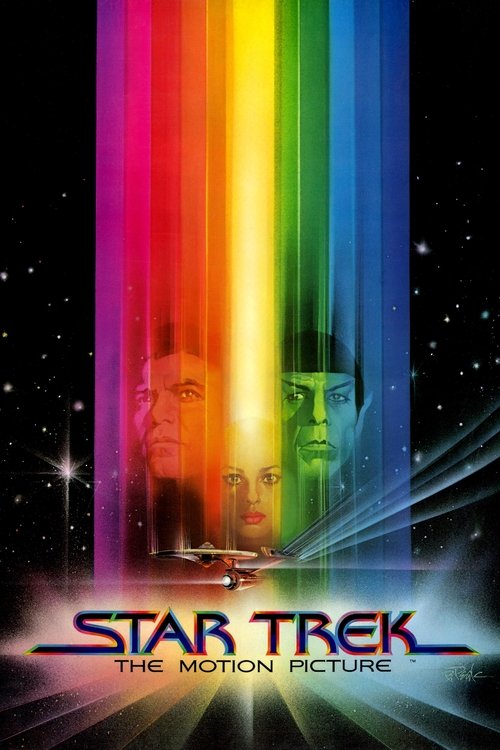
When an unidentified alien destroys three powerful Klingon cruisers, Captain James T. Kirk returns to the newly transformed U.S.S. Enterprise to take command.

Star Trek: The Motion Picture

1979
Out of This World
5.8

Out of This World is a British science fiction anthology television series made by ABC Television and broadcast in 1962. A spin-off from the popular anthology series Armchair Theatre, each episode is introduced by actor Boris Karloff. Many episodes are adaptations of stories by sci-fi writers including Isaac Asimov, Philip K. Dick and Clifford D. Simak. The series is generally seen as a precursor to the BBC science fiction anthology Out of the Unknown.

Out of This World

1962
Probe
7.6

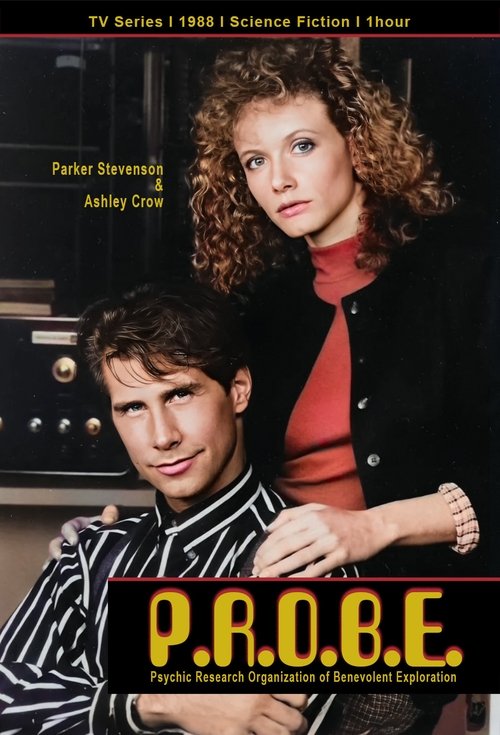
Probe is a 1988 American television pilot and subsequent TV series, created by television mystery writer William Link and noted science fiction author Isaac Asimov. It aired on ABC. Michael B. Wagner, a veteran television writer, wrote the two-hour pilot, and became Executive Producer for the series. The pilot and series starred Parker Stevenson as Austin James, a misanthropic genius who solved high tech crimes, and Ashley Crow as James' new secretary Mickey Castle. The show began as a mid-season replacement and was canceled after a two-month run of the pilot and six episodes. Entire episodes have made their way on the internet through video-sharing sites such as YouTube. Some episodes of the show revolved around Serendip, a company founded by Austin that he has no interest in running. Mickey, his Serendip-appointed secretary, plays Watson to Austin's Holmes.

Probe

1988
Televíziós Mesék Felnőtteknek
N/A

No description available.

Televíziós Mesék Felnőtteknek

1974
Rendezvous with the Future
7.0

Documentary series exploring the science behind the science fiction of the award-winning writer Liu Cixin, author of "The Three-Body Problem".

Rendezvous with the Future

2022
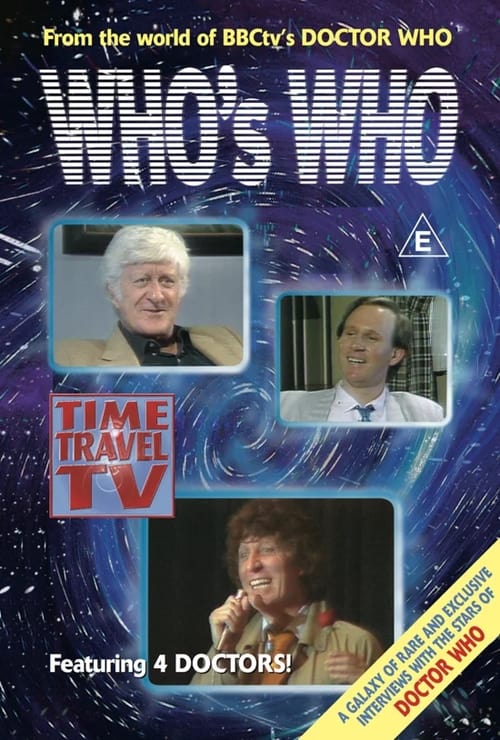
Doctor Who's Who's Who
N/A

Television documentary filmed at a Doctor Who convention, including interviews with directors, writers and actors.

Doctor Who's Who's Who

1985
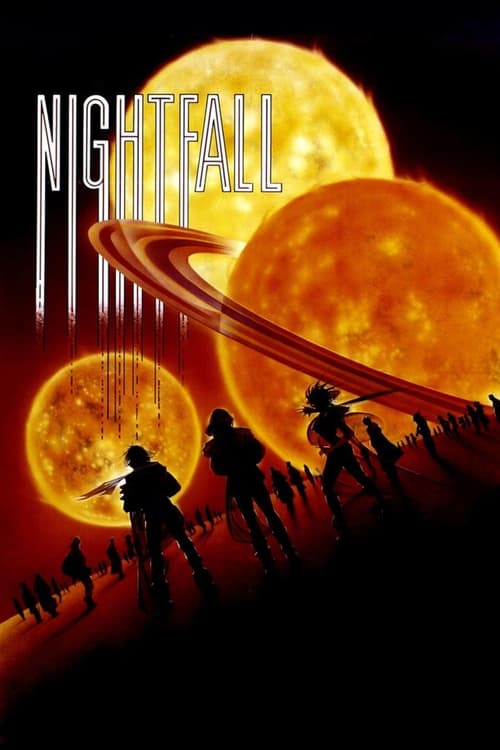
Nightfall
4.2

The people of the planet Aeon, blessed with three suns, have never experienced night. When an archeological excavation uncovers evidence of an ancient catastrophe, all signs point towards the impending darkness of the very Nightfall. Panic erupts as the suns slowly disappear one by one. Science struggles against superstition as the people race to comprehend the approaching Nightfall... the end of the world as they know it. Based on Isaac Asimov's classic story "Nightfall" voted "The Greatest Science-Fiction Story of All Time."

Nightfall

1988
The End of Eternity
5.9

Directed by Andrei Yermash, and written by Isaac Asimov, Budimir Metalnikov, and Andrei Yermash, «Konets vechnosti» is a 1987 Science Fiction film, starring Oleg Vavilov, Vera Sotnikova, Georgi Zhzhyonov, Sergei Yursky, Gediminas Girdvainis and Boris Ivanov.

The End of Eternity

1987
Nightfall
4.3

The people of the planet Aeon, blessed with six suns, have never experienced night. When an archeological excavation uncovers evidence of an ancient catastrophe, all signs point towards the impending darkness of the very first Nightfall. Panic erupts as the suns slowly disappear one by one. Science struggles against superstition as the people race to comprehend the approaching Nightfall... the end of the world as they know it. Based on Isaac Asimov's classic story "Nightfall," voted "The Greatest Science-Fiction Story OF All Time."

Nightfall

2000
Teach 109
8.0

In the future, surgeons practice their skill on androids designed to imitate patients, but Dr. Garrett sees this as pointless since she cares little about fake robotic patients. However, her latest patient Teach 109 changes her mind.

Teach 109

1990
The Android Affair
5.3

Karen Garrett, a promising young doctor, is assigned to perform a difficult operation on Teach, an advanced android who has never "blanked" (had his memory erased.) She soon realizes that Teach is much more than an assignment, and is drawn to his desire for a very human life. When Karen takes Teach into the outside world, they soon discover that there is something far more mysterious and dangerous than a medical experiment planned for them.

The Android Affair

1995