Editing
At a film festival, a filmmaker tries to figure out what the jury is looking for in order to win the award. But the fear of failure threatens to ruin more than just his career, while the search for recognition throws his own desires into crisis.
A recurring nightmare immerses the filmmaker into a visual research in the first person. Beginning with the 1955 bombing of Buenos Aires, the film elaborates a disturbing essay about violence. Combining a variety of different materials the director follows a line of thought that starts with his grandparents at World Wars I and II, and passes through Vietnam and the atomic weapons, reflecting about the kind of world we make for ourselves and for coming generations.
No description available.
In 1977, when she was four years old, Albertina Carri's parents vanished without a trace, victims of Argentina's brutal military junta. In this fresh and politically daring film, the young Argentinian filmmaker attempts to unravel the mystery, piecing together her memories and fantasies in a quest to understand her parents' untimely fate.
Sergio is returning to Buenos Aires after living in Spain for six years. Before returning, he captures various moments in the daily lives of seven Argentinians he met during his stay in Barcelona.
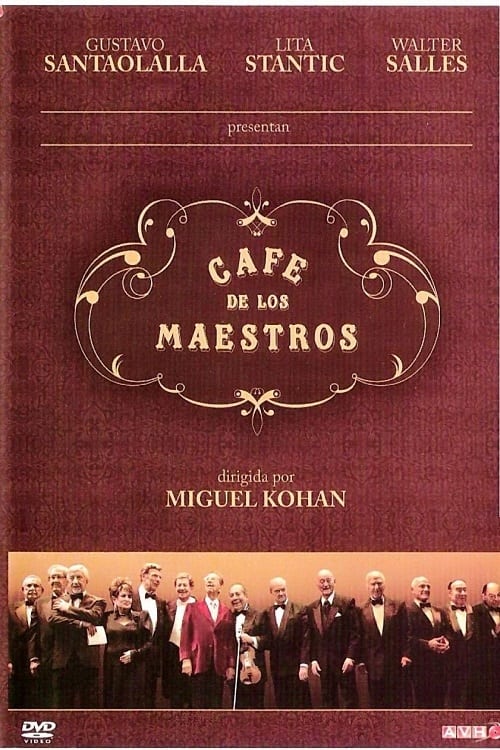
Coffee Masters is a documentary by Miguel Kohan, produced by Lita Stantic, Gustavo Santaolalla and Walter Salles. It tells the story of great tango of the old guard who, summoned by a rock musician, proposing a record to demonstrate its validity. This adventure, full of memories, humor and poignant moments, culminating with a presentation of the Masters at the Teatro Colon.
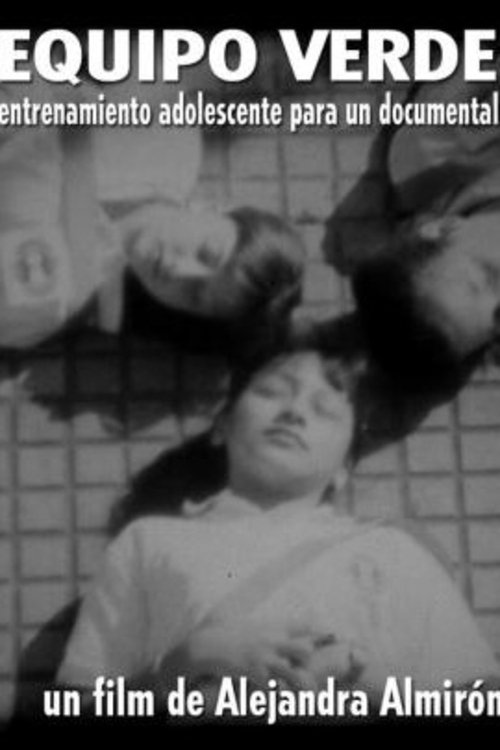
During the last military dictatorship, the secondary school sank into a fog of silences and complicities; and in that fog, the collective dream of many students was also lost. 1978, the perfect reminder of high school is the gymnastics playground and the Physical Education teacher. The Green Team was formed with those of us who didn't make the normal teams: Cristina, Elvira and myself. We were the first litter of young people without collective projects that followed the genocide, the design teens that the military longed for. Do we belong to a generation? Or did we just come later?
A personal film, an intimate journey into an unknown fiction: that of Leopoldo Federico, his music, and his bandoneon. The journey is none other than the one Pauls takes internally, delving into his hidden memories and experiences, searching in the traces of an infinite music for the figure and art of Federico, along with his way of understanding tango.
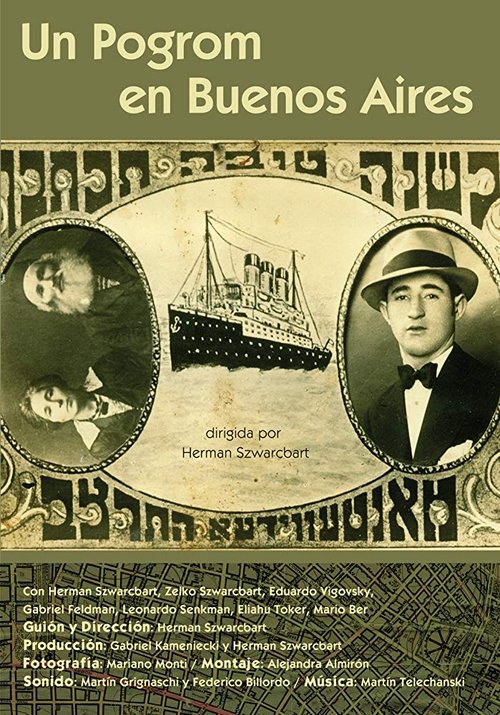
At the beginning of the 20th century, many Jews arrived in Buenos Aires escaping the misery and persecution they suffered in Europe. In 1919, during Tragic Week, a pogrom (persecution of Jews) occurred in the Once neighborhood. It has been said of this incident that "they were some well-off kids who went hunting for the Russian." This documentary begins with the questions that the director himself, whose grandfather arrived in Buenos Aires at the beginning of the 20th century, asks about the event and its implications. He also explores the causes and consequences of its limited coverage, the falsified data regarding the number of deaths, and the internal disputes within the Jewish community.
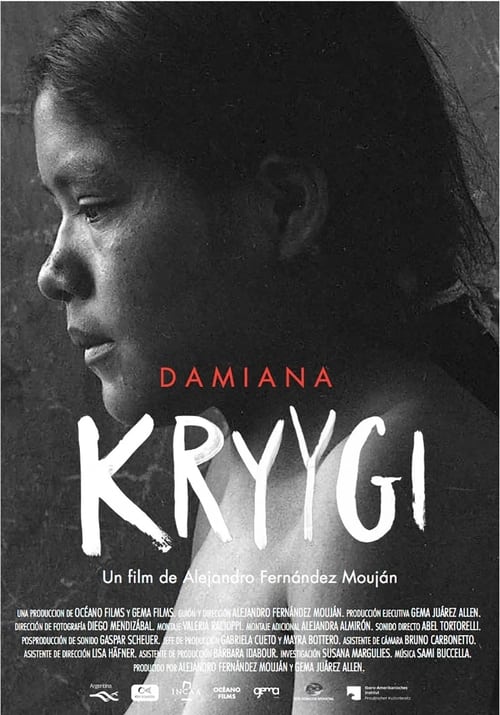
The year is 1896. In the dense jungle of Paraguay a three years old Ache girl survives a slaughter perpetrated by white settlers. The girl is named Damiana by her captors. Anthropologists from the La Plata Museum of Natural Sciences in Argentina take her as an object of scientific interest in the context of their racial studies. Later she is handed over to a family where she grows up as a maid. In 1907, at the age of 14, she is committed to a mental institution. There she is photographed naked just two months before her death from tuberculosis. Once dead her body is studied in La Plata and in Berlin. One hundred years later, an anthropology student identifies part of her remains in the La Plata museum. Her head is found soon after at Charite Hospital in Berlin.
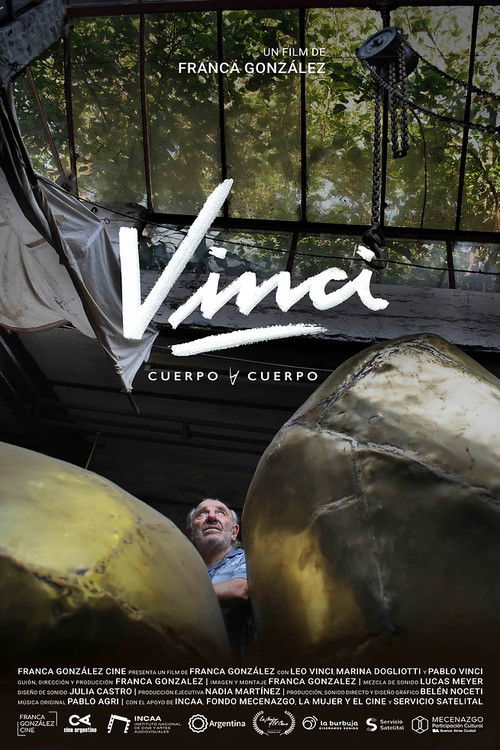
Between poetic observation and cinematographic portrait, this film delves into the universe of the sculptor Leo Vinci. At 92 years old, Leo plays at creating and transmuting the sacrifice of daily work into the sacred office of transforming the world with his hands.
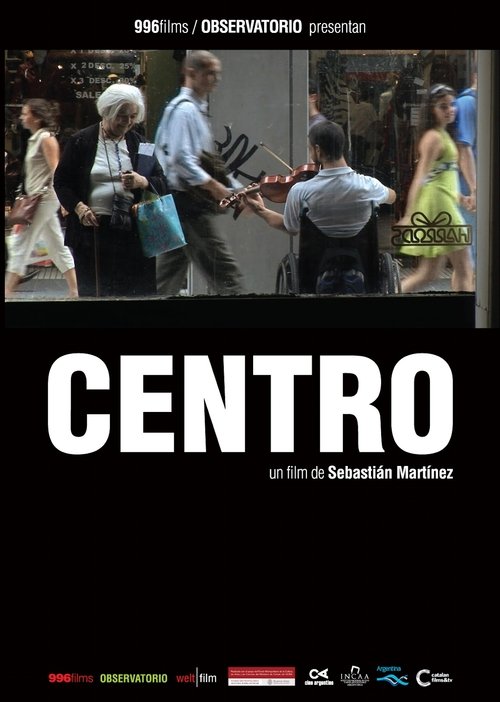
The city, the crowd, the individual. Everything unfolds on two pedestrian streets in the heart of Buenos Aires: Florida and Lavalle. Observational documentary about a critical space filled with dissonance, incompatibilities, and absurdity. A territory overflowing with voices, images, and cries for help. The center of vertigo and towering cosmopolitan buildings forms the labyrinth where the city screams and falls silent, reveals and conceals. Streets in agony speaking about us, their inhabitants.
Documentary about the group H.I.J.O.S. (Sons and Daughters for Identity and Justice against Oblivion and Silence).
Documentary that rescues the present and the heritage of murguero art in the city of Buenos Aires, through the testimony of the directors of four murgas from different neighborhoods (Boedo, Palermo, Saavedra, La Boca), in a journey that investigates life of the artists of the carnival and in the way of developing this street art with a presence of more than 60 years in the carnivals of the city.
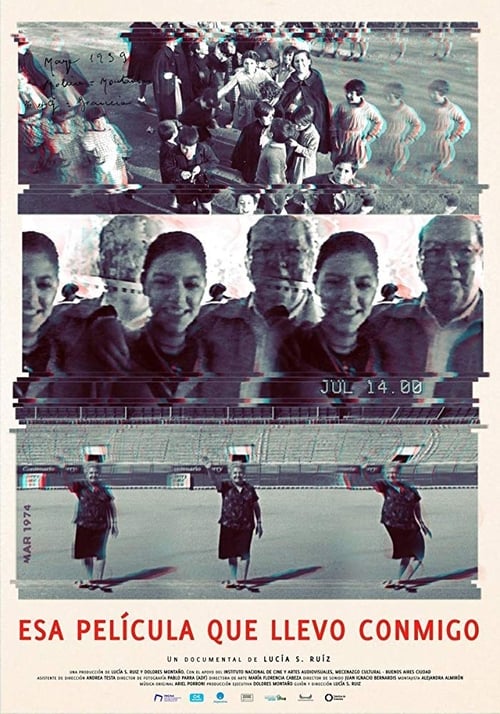
Sonia is a former militant of the Montoneros. In the 1970s she was a militant in the JP in the western suburbs of Greater Buenos Aires. She begins her journey to the West, to the past, searching and wondering what remains of that revolutionary practice in the very territory where it was tried and failed. But his initial intention fails and he finds, instead, other things: an unexpected balance and demand from the children of that unbeatable generation; the discovery that in the West there were almost no survivors left, due to a particular form of repression; and the most important thing: he discovers his profound need for reflection in order to bring to an end the most intense and tragic stage of his life.
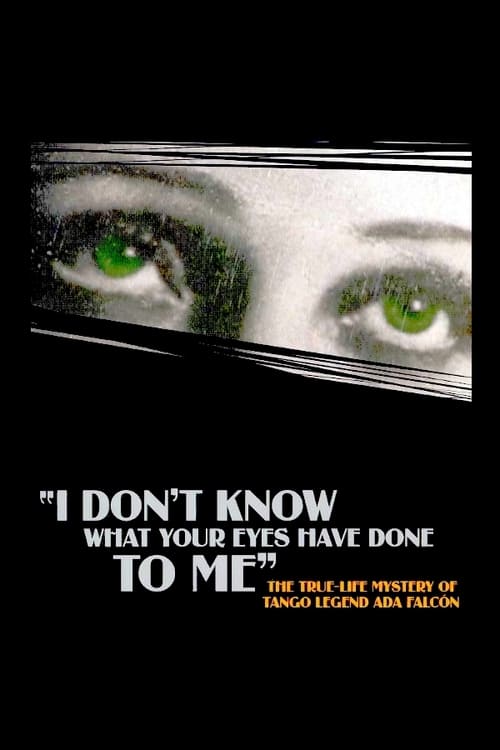
Argentinean singer and tango legend Ada Falcón disappeared without a trace in 1942 at the height of her career. This is the story of how she was located sixty years later, living in an unexpected way, in an unexpected place.
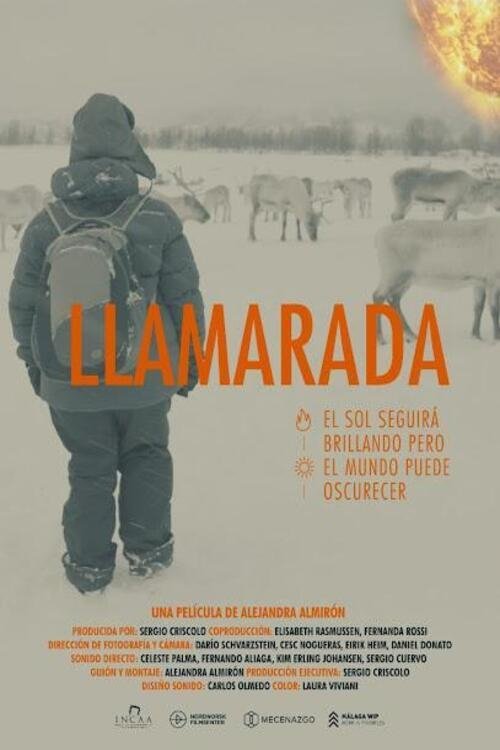
Llamarada wonders "what if a solar storm similar to the one that occurred in 1859, called the Carrington event, happened in our technology-dependent world today?" A personal and cinematographic journey, introspective and cathartic, of a film editor who suffers from power outages in Buenos Aires and who enters a future and near dystopia.
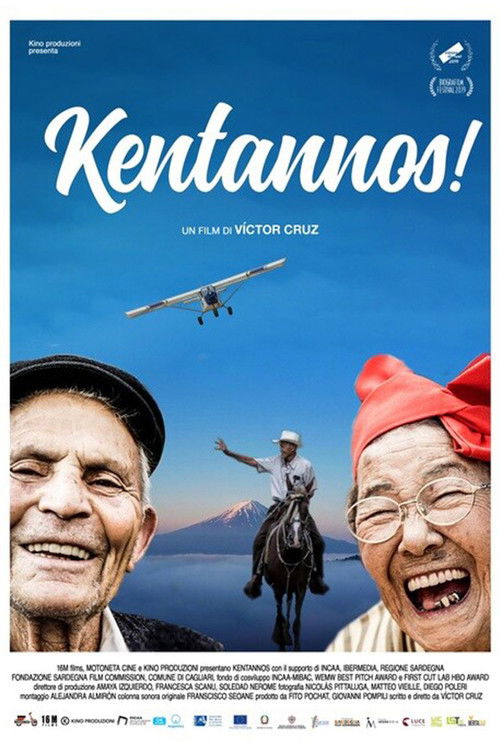
In Costa Rica, Panchita has just turned 109 and hopes for a visit from two of her children: Pablo, 93 years old, and Calixto, 88 years old. Sarita, who is 93, has no hesitation in confessing her love for Denis, a young policeman. Pachito’s daughter, fearing that something may happen to her 98-year-old father, tries to prohibit him from continuing horse-riding. In Sardinia, for his 93rd birthday, Adolfo wants to fulfil his dream of flying a plane. In Okinawa, Tomi, 93 years old, cannot recover from the death of her first son. Her friend Haru, who is 98, encourages her to return to the pop group formed of the island’s grandmothers.
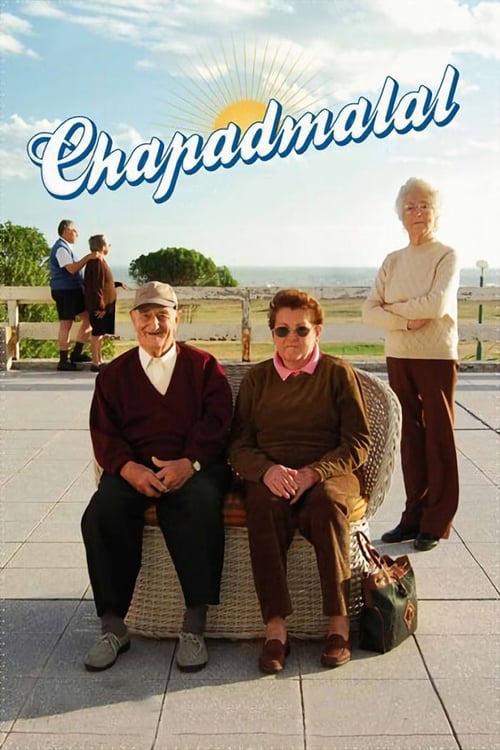
During 11 days and with a small group of collaborators, Alejandro Montiel registered the holidays of a group of elders at Chapadmalal, a traditional summer resort in Argentina.