Acting
This film discusses the effect on how major American films in Hollywood were influenced by the Eastern European Jewish culture that most of the major movie moguls who controlled the studios shared. Through clips of various films, the filmmakers illustrate the dominant themes like that of the outsider, the outspoken American patriotism, and rooting for the underdog in society.
Explores the life and career of cartoonist Art Spiegelman including the creation and ground-breaking impact of his Pulitzer Prize-winning graphic novel MAUS.
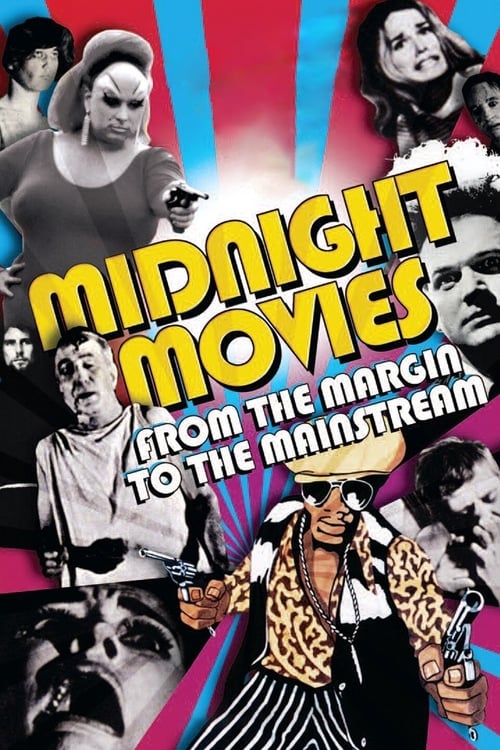
From 1970-1977, six low budget films shown at midnight transformed the way we make and watch films.
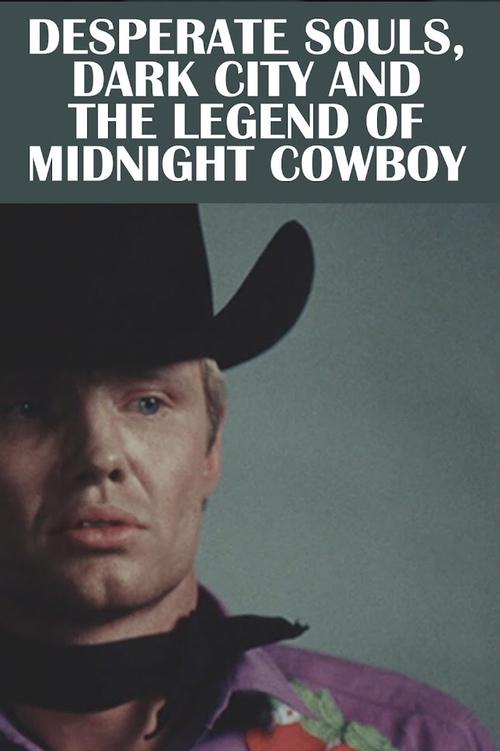
This is not a documentary about the making of Midnight Cowboy. It is about a humane and groundbreaking masterpiece and the flawed but gifted people who made it. It is about a troubled era of cultural ferment, social and political change, about broken dreams and strivers, then and now. It is about an era that made a movie and a movie that made an era.
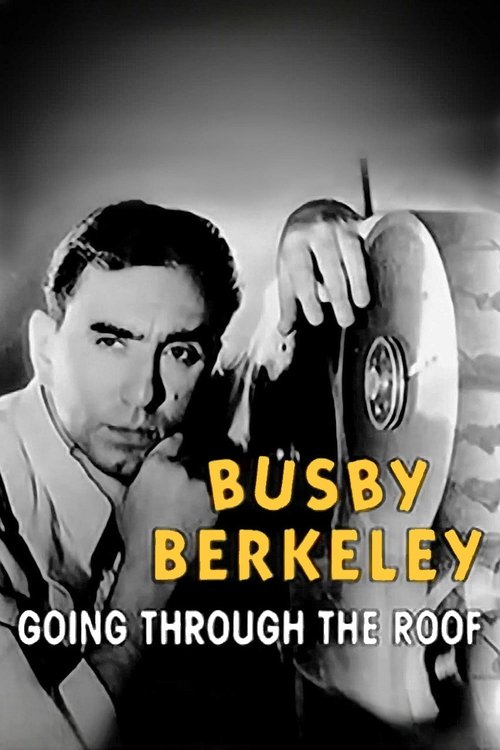
Documentary profile of legendary dance choreographer Busby Berkeley.
Film critic J. Hoberman discusses the best-selling 1962 novel by Eugene Burdick and Harvey Wheeler on which "Fail-Safe" is based, along with the pervasiveness of nuclear paranoia in films of the sixties.
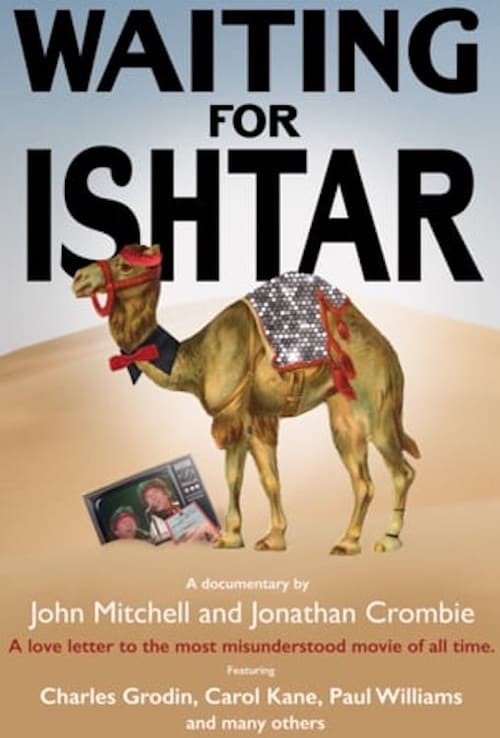
A conversation about guilty pleasures turns into one man's quest to find others on a library waiting list, while simultaneously examining the fate of the famous Hollywood bomb Ishtar (1987).
A structural work in which Frankenstein attempts to conquer the universe.
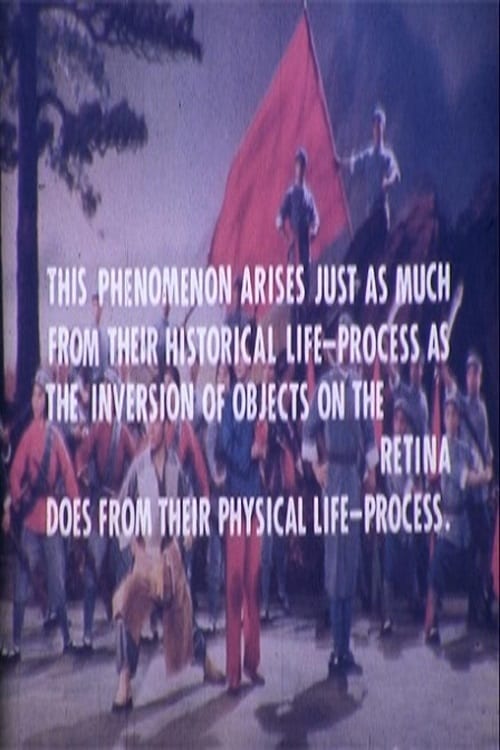
First, I wanted to make a kind of reflexively impoverished Busby Berkeley extravaganza. Second, I was interested in juxtaposing two cultural artifacts–which could be schematized as East/West, socialism/capitalism, propaganda/entertainment, as well as image/sound–and see how they reverberated. In other words, I wanted to make an essay out of things, as well as a communist musical. But the question arose–what was the ideology of such film play? Is MISSION TO MONGO aestheticized politics or political art? –J. H.
A sci-fi chapter thematically akin to FORBIDDEN PLANET, CUSTOMS & IMMIGRATION (a. k. a ANOTHER WORLD) is an angst-ridden as PANIC IN THE YEAR ZERO, as alienated as CREATION OF THE HUMANOIDS, as tacky as ATTACK OF THE CRAB MONSTER, as turgidly poetic as THE NEXT VOICE YOU HEAR & as baroquely conceptual as RED PLANET MARS.
"See the ‘60s end with a bang and a whimper. Cosmic journeys pass in what might be a single violent night. Fantasies fissure as urban guerrillas talk themselves to death while hallucinating acid freaks revolt (at least in their mind)." – J. Hoberman