Genrikh Ignatov
Directing
Biography
Genrikh Ignatov was born in Moscow in 1992. In 2014-2015 he attended lectures by Artur Aristakisyan at the Moscow School of New Cinema.

Known For

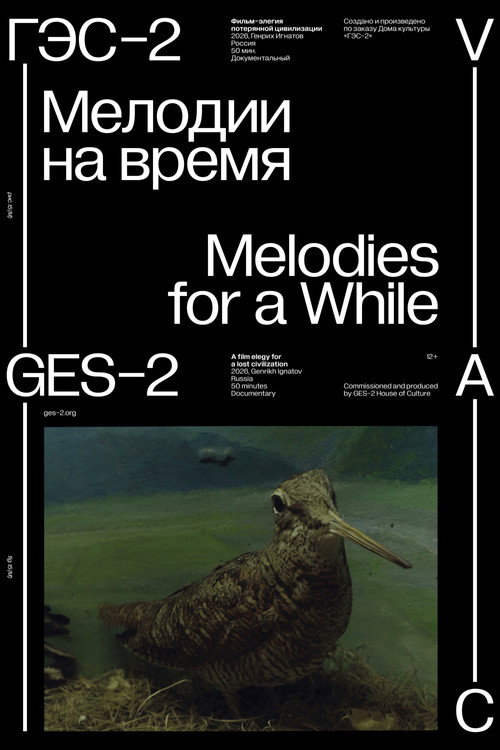
The main protagonists of this slow-paced film are abandoned or suspended spaces associated with the production, distribution, and viewing of cinema in various localities across North Ossetia. The discussion of the decline of the film industry also serves as a way of pointing to the ambiguous position in which the progressive modernist project found itself in the late twentieth and early twenty-first centuries. Ignatov proposes poetic ways of establishing new relations with this project in response to the need to reinvent the links between past and future. The abandoned spaces are brought to life by two visiting musicians playing the uadynz, traditional Ossetian flutes.
Melodies for a While

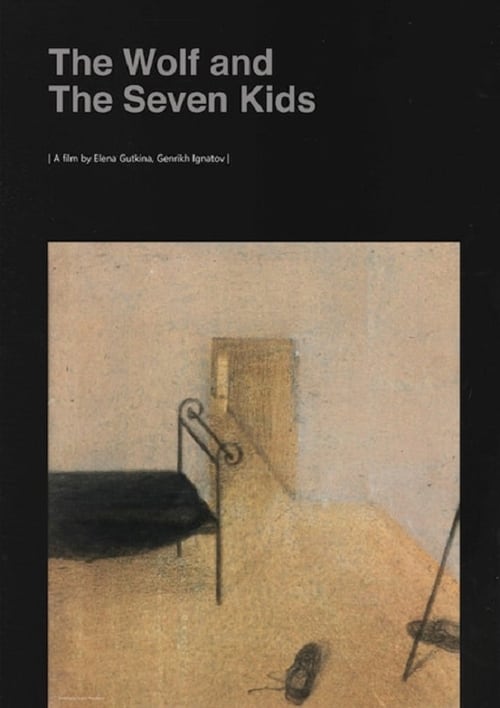
A father and son live alone in a cottage in the woods. They hardly ever go out. Each new day resembles the one before and is shaped by the son’s rituals, which the father tries to observe.
The Wolf and the Seven Kids

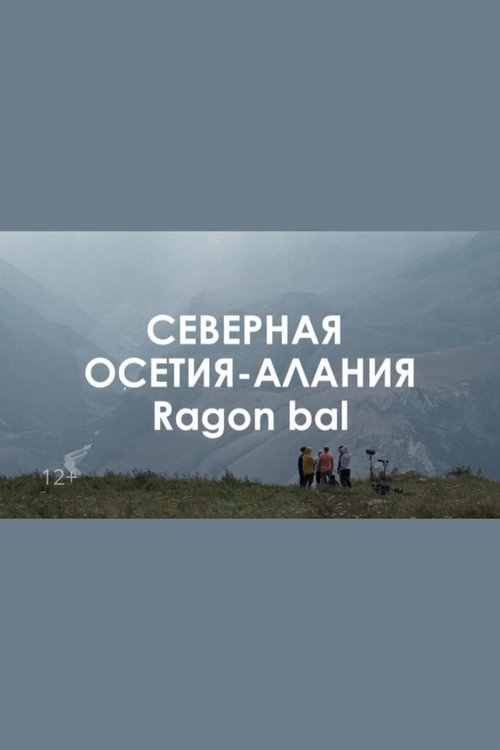
Ragon bal remake traditional ossetian music, they structure national identity in a new way. The band has no need in national clothes for their performances, because traditions already live inside the musicians. Ragon bal present the subculture of caucasian post-folk. This music exists in conditions of global world and is not mainstream, but it's difficult to imagine cultural context of the region without it.
Ragon bal: precious to my heart winds

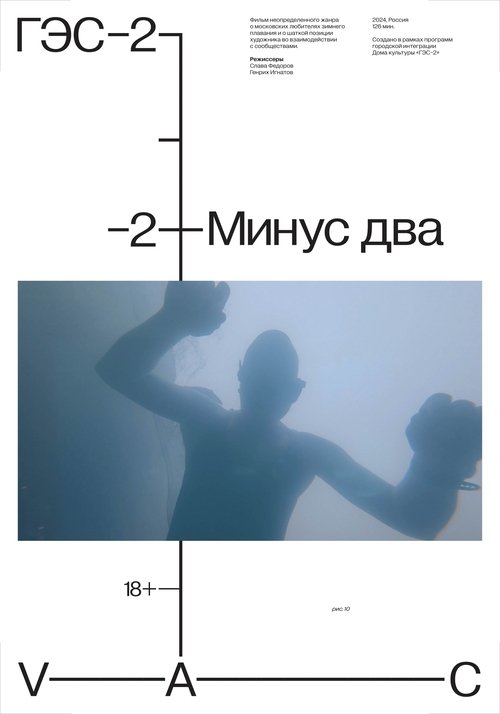
A couple of filmmaking friends decide to work together and choose "walruses" - lovers of winter swimming and tempering — as the theme of their new work. And although it is not so difficult to establish contact with them, questions about how deeply a person can penetrate into the community from the outside arise again and again, as well as about which way of representation would be the most appropriate. One thing clings to the other, and now, thanks to the walrus clubs in Strogino and Shchukino, new arguments about why to make a movie are surfacing.
Minus Two

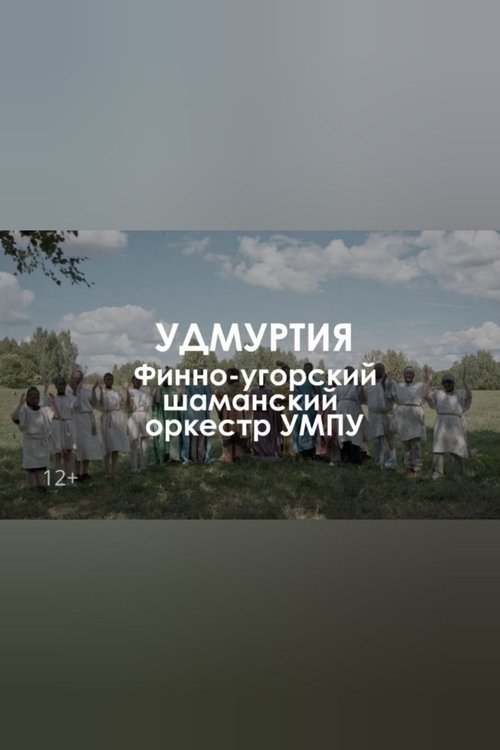
Ethnofuturist Artists from finno-ugric shaman orchestra UMPU make absolutely unique instruments by themselves. Their concerts are more than performance. It's ritual. Finno-ugric shaman orchestra UMPU work with mythology and symbols of their native culture. They are inventing new folklore.
Finno-ugric shaman orchestra UMPU: The tree of dreams
In Bulgaria, there is a tradition to inform about the passing of a person by means of a special announcement. Usually it is hung out in some public place - at a bus stop, on a fence or the front door of a house. Such a leaflet is called a Bulgarian street obituary. The camera turns out to be next to a Bulgarian family going through mourning, and spends one day in a local village.
Pit

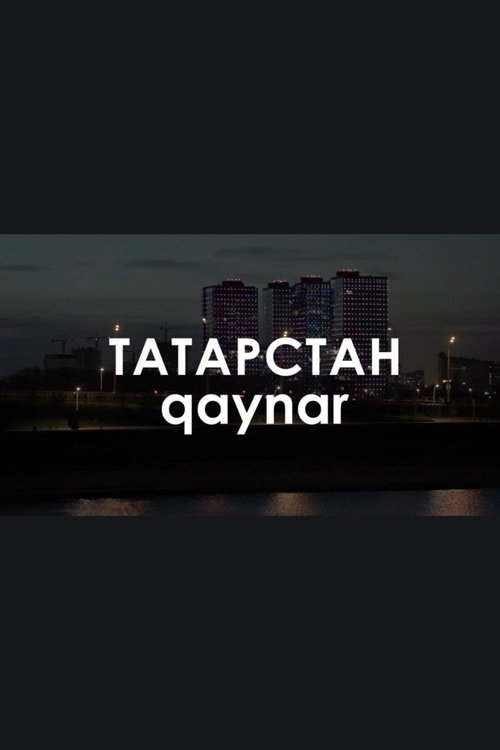
Thanks to the leader of qaynar Radif Kashapov the host of the film Lera will open Kazan from a new side. They will take a walk along the embankment of river Kazanka, visit the national library of the republic of Tatarstan, go deep into the history of old tatar sloboda, rehearse in studio and more.
qaynar: Here's a keepsake postcard for you

The group studies and performs karachay-balkarian folklore. Gollu is a traditional dance for vernal equinox. The band's name is a metaphor because just like spring is the time for revival, Gollu revive, reinterpret and develop traditional culture of their nation. The connecting thread of this film is legend about debate of person and devil. Fragments of the legend are followed by live performances and footages from archive shooting and all of that create a difficult metaphorical drama about journey from darkness to the light.
Gollu: Adam

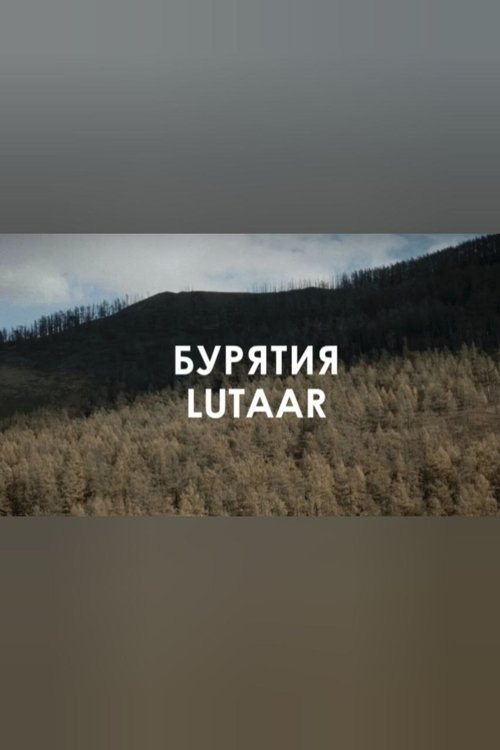
Meeting with the buryat rapper Bair Tarbaev and his project LUTAAR. Bair takes the host of the episode to his native ulus Sanaga, tells her all about nearby mountains' names and shows a religious service in datsan.We will see not only the beautiful buryat nature but Bair's parents house and his apartment-music studio as well.
LUTAAR: White day

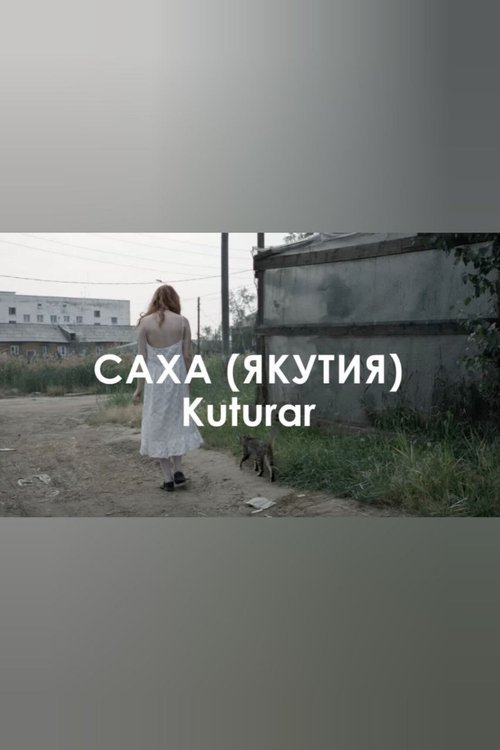
kuturar will guide the host of the episode Serafima through the overgrown after the fire forest and tell her about art inspiration and shamanism energy that invisibly appear in their music. Serafima will hang out at the kuturar concert on the rock festival "Kholbon" and travel on a boat to a scenic island on the river Lena, where a live performance of kuturar will be held and only crows will see it.
kuturar: Black raven

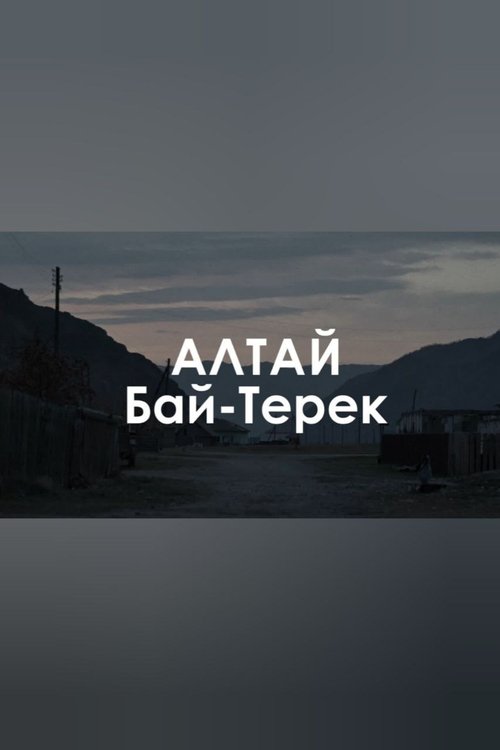
After getting into a hidden from tourists village Kyus Lera will be charmed by the powerful stream of the river Katun', endless green mountains and of course fascinating types of throat signing, which is practised by Kezer Danzheev and Ezendey Balbin: karkyra, koomey, sybysky. It feels like the sound takes listener from our middle world to the upper or lower worlds and brings to the condition of the original rhythmic dance.
Bai-Terek: The white horse is gone missing

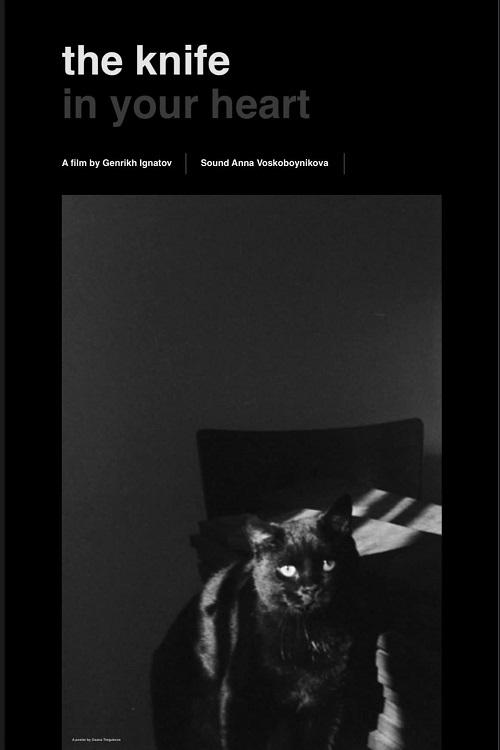
If we climb to the highest point of the city, we will find ourselves near the entrance to the ancient cemetery of the Holy Gates. There, between the white sculptures and slabs, the only inhabitants of this island of oblivion scurry about - cats. What are they able to see in the children's eyes looking at them from the tombstone?
The Knife In Your Heart

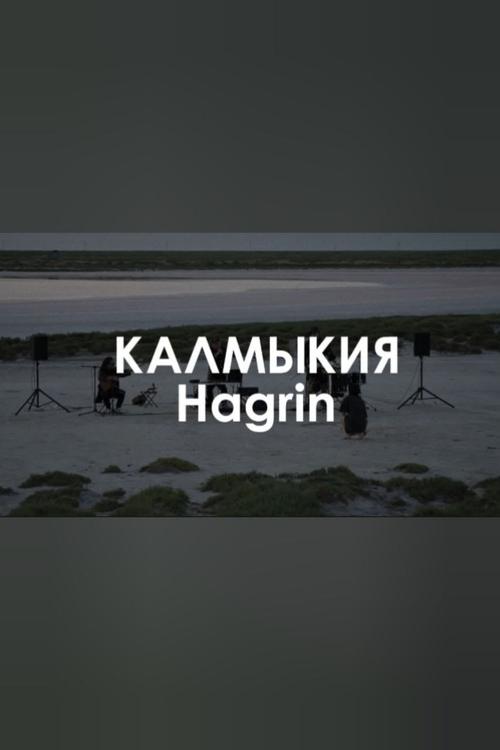
Meeting ethno-electropunk band HAGRIN from Kalmykia and going on a journey in Dark Steppe. But also it's a rave at the dawn, singing sands, burning water, kamlanie, mantras and beats. Journey begins with Kalmyk tale about wise Kooky, who wished to receive as a gift khan's left eye and instead gained everybody's recognition of her wisdom and married khan's son. Continue in the steppe, which is full of spirits. Here myths and legends become reality and something strange imagining in dawn's mist.
HAGRIN: The Khan's eye

Meditative observation of what is happening in the winter yard.
The Last Day Before Christmas Break

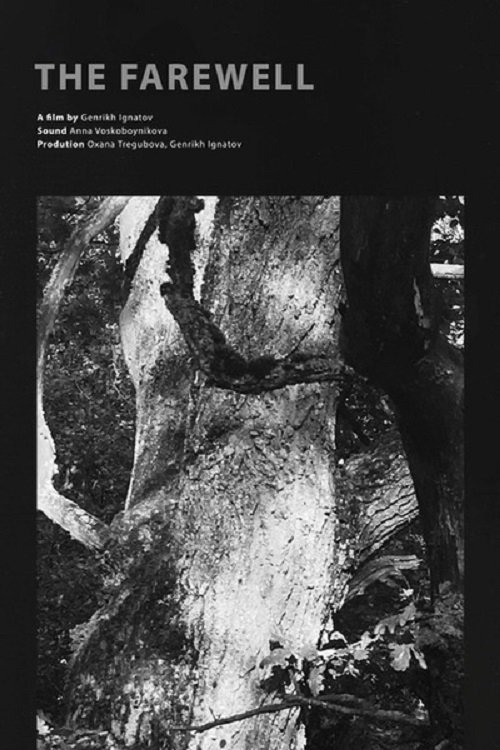
Everything freezes and listens: residents, houses, ancient chestnuts - the old residents of these places. What news does the wind bring them through the waters of the mountain river?
The Farewell

The host of the episode Serafima together with the Y EN will visit the repetition of their band in the studio located in Yoshkar-Ola then drive on a Zhiguli to the village Oshlamuchash, meditate during the boat trip and improvise on a birch bark with the guys. Also she will record new sounds and get familiar with ancient culture of mari nation, that always imperceptibly appears in ensemble's music.
Ensemble Y EN: Forest legends

This is meeting with vainakh underground from probably one of the most conservative region of North Caucasus. This is a story about young people for whom it's important not to loose connection with their culture and nation. This is a story about desire to change your region in a better way, however it's also about vacuum in Ingush community, understatement and feeling of the looking glass.
January Blues: Music

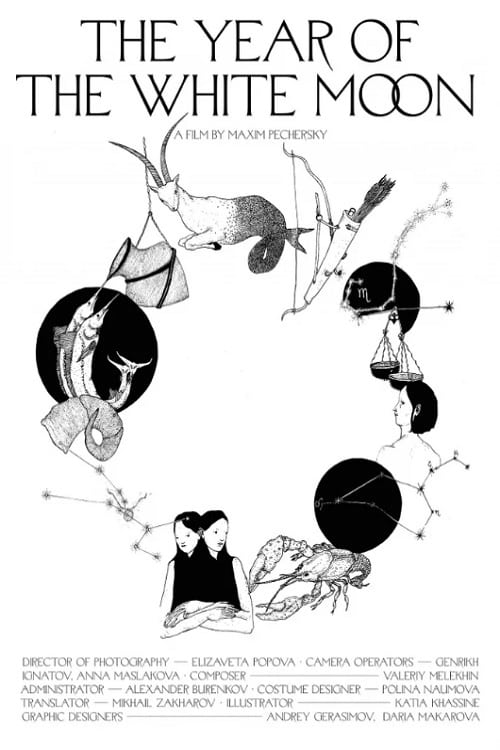
The film consists of records of mother's phone call conversation with her son. She lives in accordance with astrological predictions, he complains about problems with his boyfriend. She sings in karaoke, he travels all over the world, she is ill - he is silent. But in the White Moon Year the invisible karmic planet Selene will show them the way of Light and Grace, giving their lives a higher meaning. Tragicomedy about the conversation of two closest people who live far from each other and cannot really hear each other.