Vladimir Dovgan
Directing
Known For

KVN is a Russian humour TV show and competition where teams compete by giving funny answers to questions and showing prepared sketches. The programme was first aired by the First Soviet Channel on November 8, 1961. Eleven years later, in 1972, when few programmes were being broadcast live, Soviet censors found the students' impromptu jokes offensive and anti-Soviet and banned KVN. The show was revived fourteen years later during the Perestroika era in 1986, with Alexander Maslyakov as its host. It is one of the longest-running TV programmes on Russian Television. It also has its own holiday on November 8, the birthday of the game, which KVN players celebrate every year since it was announced and widely celebrated for the first time in 2001.
KVN Major League
No description available.
Talent
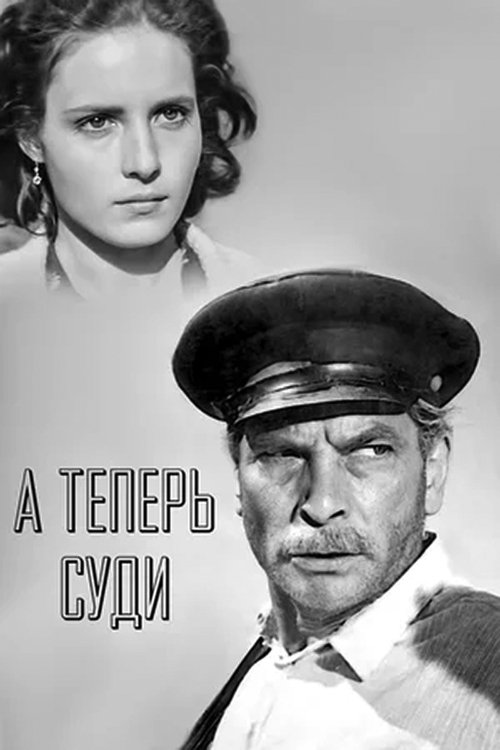
The fate of Illarion Groza was tragic. Many years ago, upon returning from the front, he learned that his wife had given birth to a daughter by an Italian officer, and he shot her with his machine gun. But even now, Illarion cannot forget his wife, forgive her betrayal, or justify his cruelty. And that is why his relationship with his daughter Yulka is so dramatic and tense... The artist Bogutovsky, who lives in the captivity of false pompous art, carries the burden of past years... After hearing Illarion's story, the writer Iskra destroys the manuscript of his play: life turns out to be much more complicated than he imagined.
Now Judge...
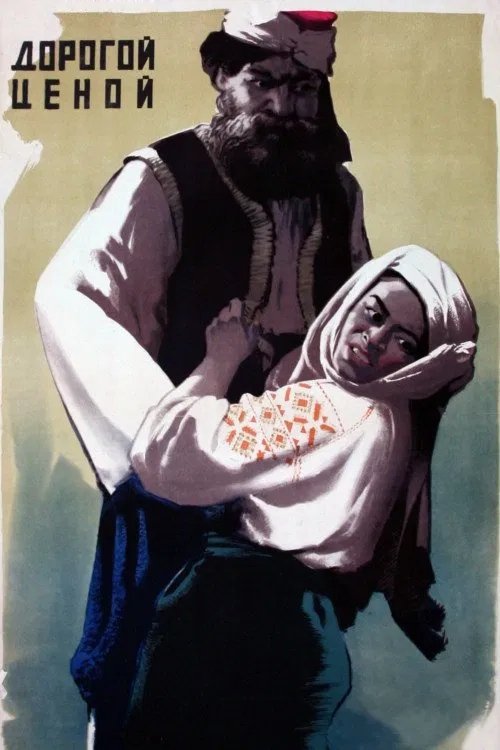
An adaptation of a story by a Ukrainian writer Mykhailo Kotsiubynsky that anticipates the Ukrainian "poetic cinema" of the '60s in its focus on star-crossed lovers and its celebration of nature. Set in the 1830s, the film follows two lovers on the run - a girl forced into marriage and her boyfriend, a serf who's being sought by the authorities - as they try to make their way to freedom.
The Horse That Cried
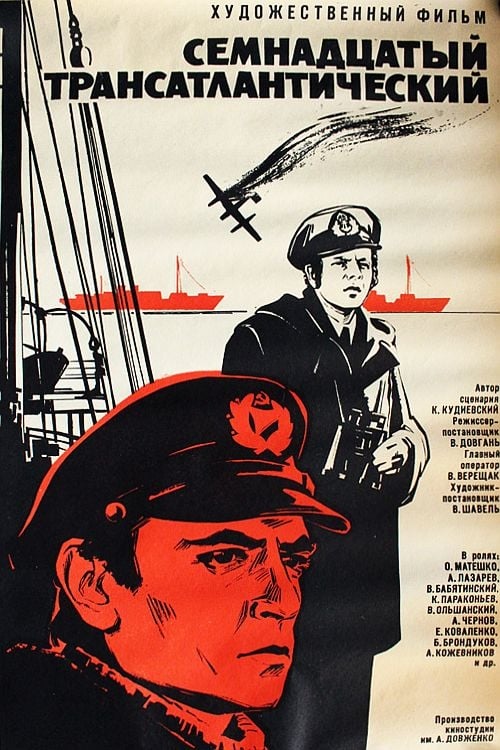
War drama depicting the tragical story of PQ-17 Arctic convoy in July 1942.
The Seventeenth Transatlantic
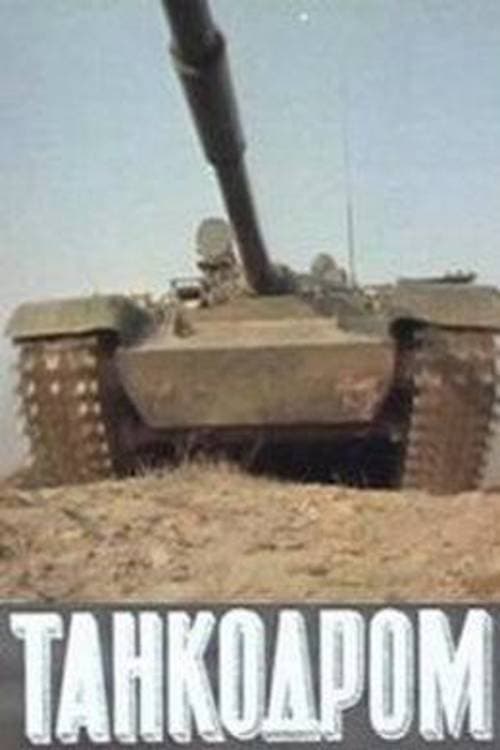
No description available.
Tankodrome
No description available.
Personal Life
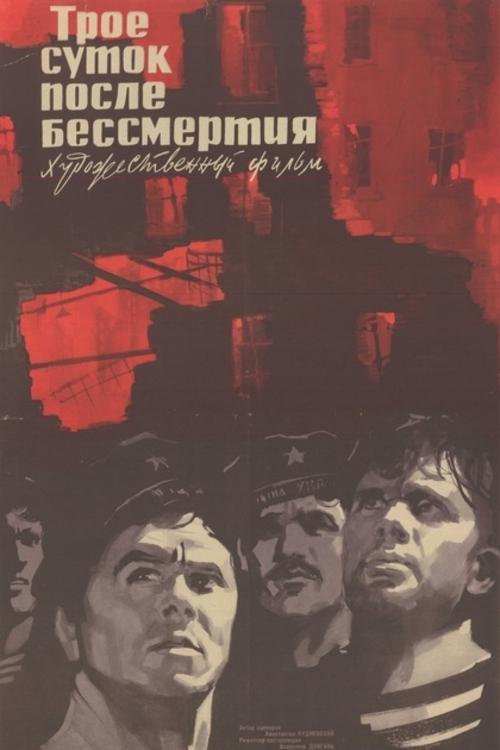
It is the 250th day of the defense of Sevastopol. On the outskirts of the bombed-out city, without radios and with only a handful of ammunition, 12 Soviet soldiers are holding out with their last ounce of strength. With them in the shelter are the wounded, women, and children. A report from Sovinformburo that Sevastopol has been abandoned by Soviet troops reveals the harsh truth to them—now they are alone with the enemy. Their only hope is to make their way to the sea, but at what cost will the valiant soldiers make their way out of this fiery hell over four heroic days?
Three Days After the Immortality
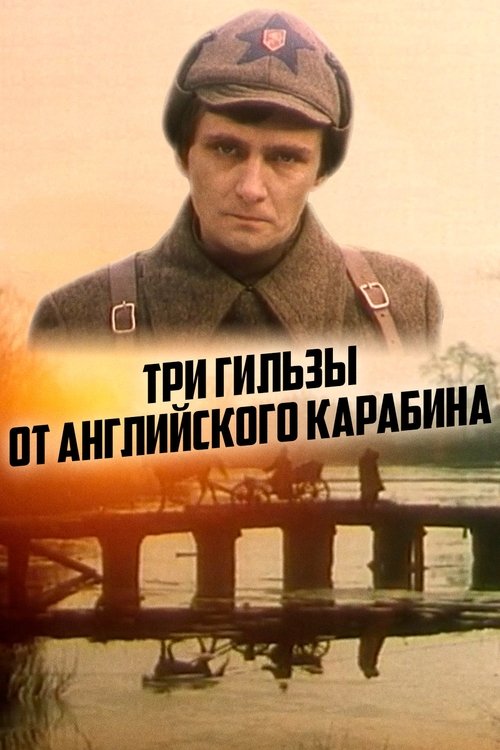
The film takes place on the territory of Ukraine. In the autumn of 1922, Volokh's gang committed another heinous crime. The investigation of the brutal murder of a rural teacher has been entrusted to district police officers led by Tikhon Globa.
Three Cartridges From an English Carbine
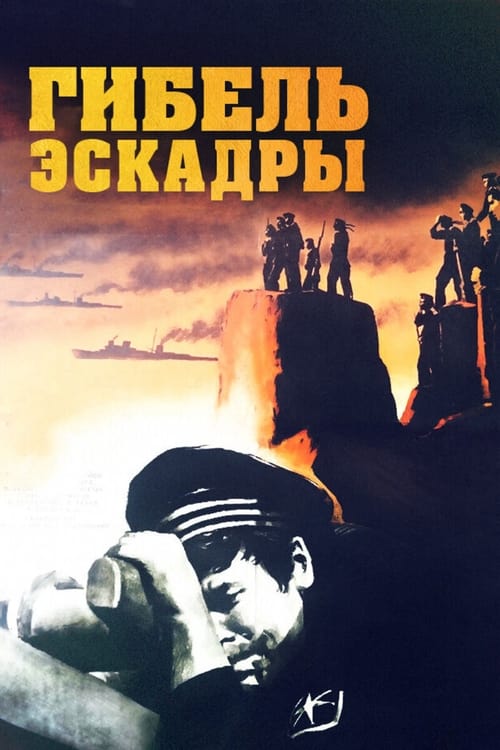
Summer 1918. There is a danger of ships being captured by Germany in the Black Sea Fleet. The Soviet government decides to destroy the fleet. The film tells about the intense struggle of the Bolsheviks against the forces of counterrevolution trying to disrupt the execution of the order.
Death of the Squadron
On organizing the delivery of weapons to the workers' detachments of Crimea to fight Wrangel. The action takes place during the Bolshevik coup.
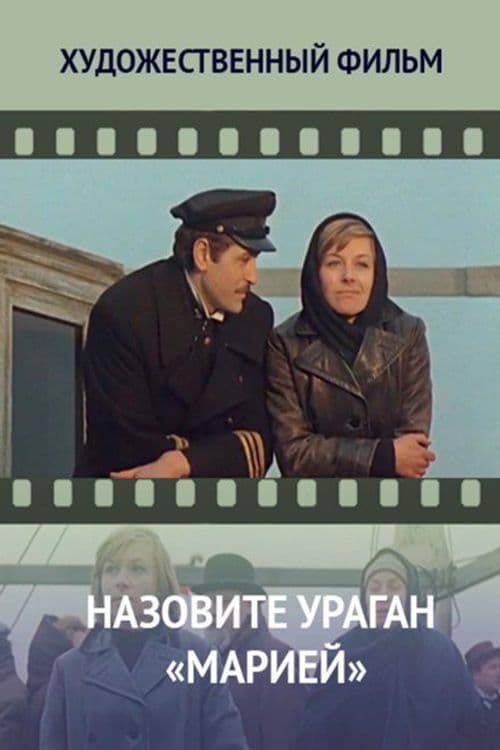
Name the Hurricane Maria

The divorce proceedings of the aging Medvedev couple, handled by Tatyana Mikhailovna Somova, make her reflect on her own loneliness, her conflict with her grown-up children, and her separation from her husband.
Family Circle

The story of the miraculous appearance of St. Savva Storozhevsky to the French general Eugène de Beauharnais, stepson of Napoleon.
Why is it snowing?
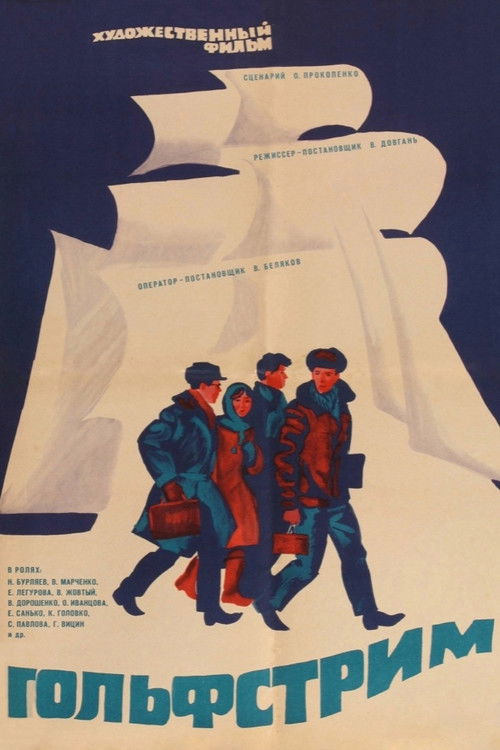
One day in the lives of tenth-grade students unfolds in different ways: some quarrel for the first time, some try to donate skin to people who have been burned, and some rethink their attitude toward an annoying neighbor who plays the piano when they discover that she is blind.
The Gulf Stream
A TV film based on O. Honchar's short story "Sunflowers" is a lyrical narrative about the village of the late 1960s-early 1970s of the last century, about its people, their soulful beauty and working days. A sculptor comes to one of the picturesque Ukrainian villages to create a portrait of the Hero of Socialist Labor Melanya Chobitko. The first meeting disappoints the artist, but seeing her in a collective farm field, the sculptor discovers her real human beauty.
The Golden Timpani
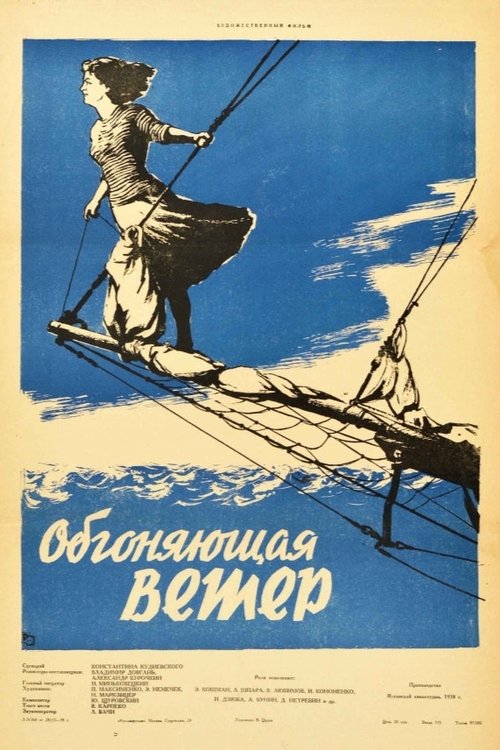
About the harsh and courageous work of fishermen, about love for the sea.
Overtaking the Wind
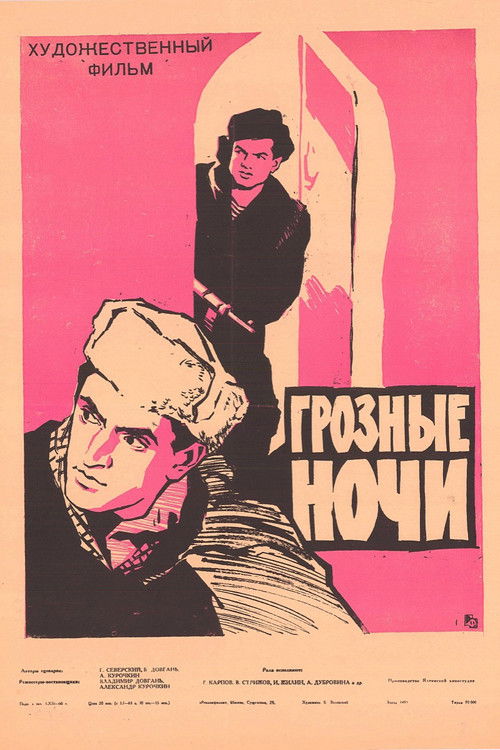
1942 Wounded, bleeding, but defiant Sevastopol is subjected to continuous bombing and artillery shelling. It was at this time that, by Hitler's personal order, a giant experimental cannon was delivered to the Bakhchisarai area. An experienced scout Kozhukhar is instructed to contact a group of young underground fighters in Alupka through the partisans and use them to locate the artillery installation. Classified weapons are carefully guarded. The patriots decide to take an exceptionally bold step: at night, they descend along a steep cliff to Bakhchisarai and take the "tongue"...
Stormy Nights
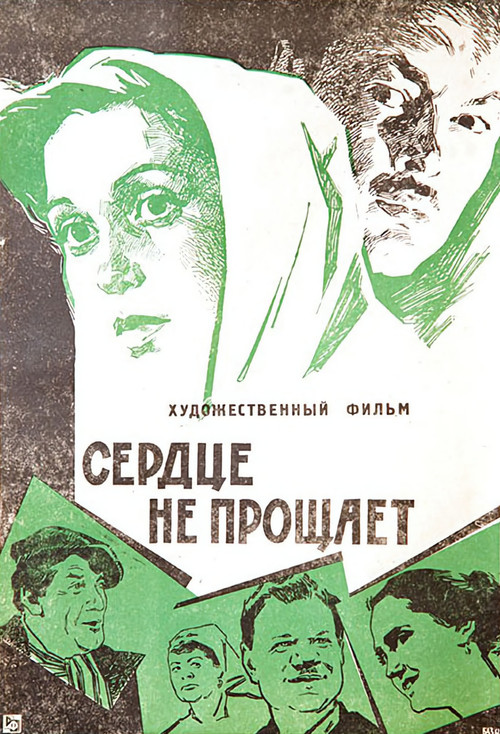
A farmer tries to run a company using fish caught from forbidden swamps
The Heart Does Not Forgive

Based on the short story by Oles Honchar. A budding romance, on the verge of blossoming into love, develops between two young people—Petro and Olga—who are just beginning their independent lives. But an unexpected gunshot in the nature reserve, which kills a swan, shatters the young couple’s potential happiness...