Directing
Annual awarding of the Grimme Awards.
No description available.
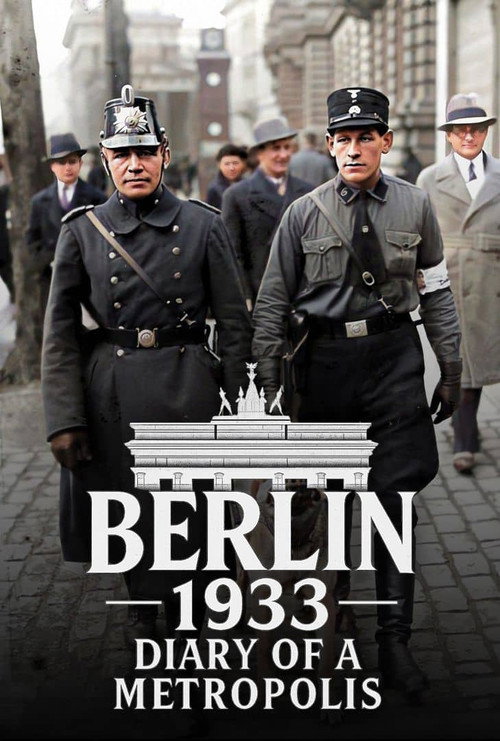
Berlin 1933 – Diary Of A Metropolis tells the story of how Berlin, the vibrant hub of modernity, became Germany's staunch capital city in step with the Third Reich. Contemporary journals, letters and documents, photographs and film material, form a dense collage of the dynamics of this collectively organised disaster.
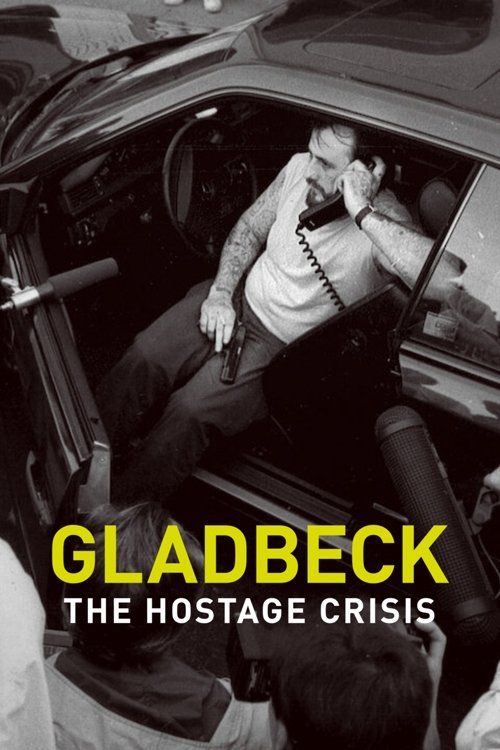
In August 1988, two armed bank robbers keep German police at bay for 54 hours during a hostage-taking drama that ends in a shootout and three deaths.
Life in Berlin in 1945 before, during and after the battle of Berlin seen through the eyes of those who were there at the time from common Berliners to Allied troops.
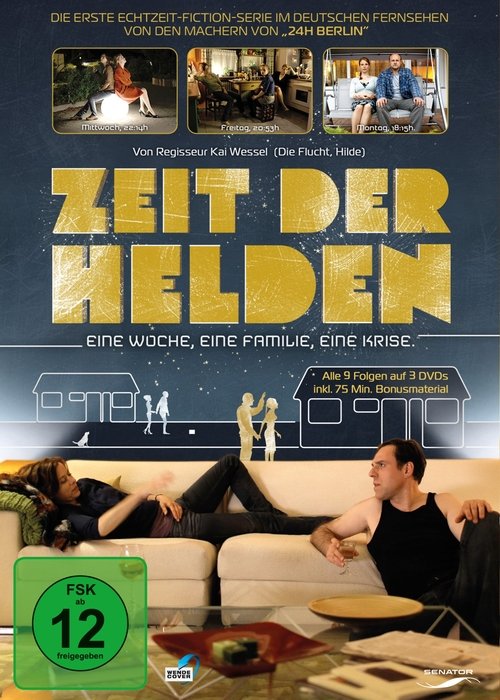
The Brunners are an average German family: 46-year-old electrician Arndt, his 45-year-old wife Mai, their 14-year-old son Ben, and Mai's 18-year-old daughter Paulina, whom Arndt adopted when she was one year old. Mai has raised both children with great love. Arndt provides for the family and loves both children, even if he doesn't fully understand them. Their neighbors are a childless couple: 43-year-old self-employed lighting designer Gregor and 42-year-old Sandra, a manager at a large toy manufacturer. Their mutual friend Christoph, also 43, spends a lot of time with them, whom he considers a kind of surrogate family. This Easter, they are planning a trip together, and Christoph is taking Katharina, a student and escort, with him.
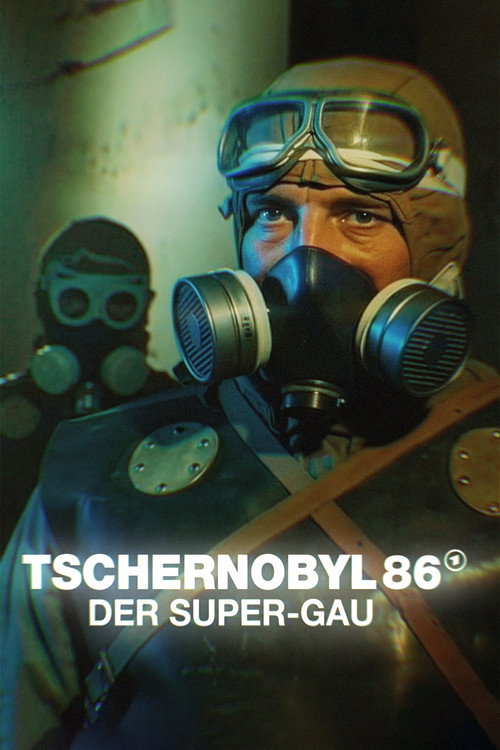
Forty years since Chernobyl. Volker Heise’s new film recounts the 1986 nuclear disaster for the first time from the perspectives of both East and West Germany and Ukraine, using archive footage only. TSCHERNOBYL 86 is a gripping political thriller featuring previously unseen archive material which brings the events of that time into an unsettlingly present-day context.
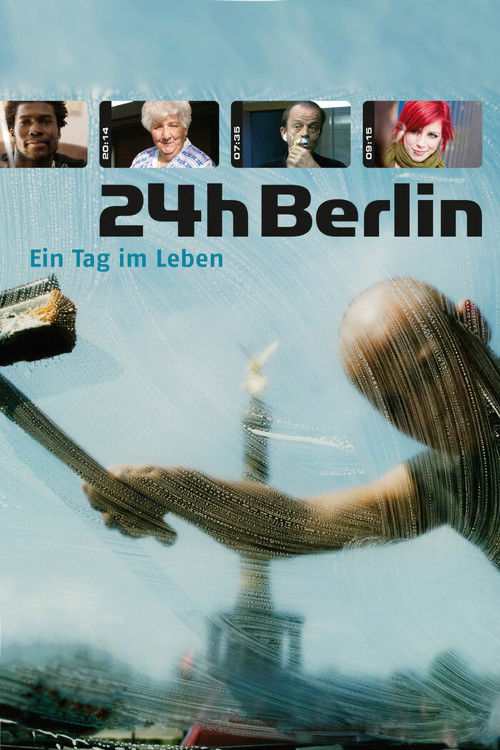
24-hour television documentary about Berlin and its inhabitants, reporting in real time on the everyday lives of more than 50 protagonists from a wide range of professions, social classes, religions and ethnicities.
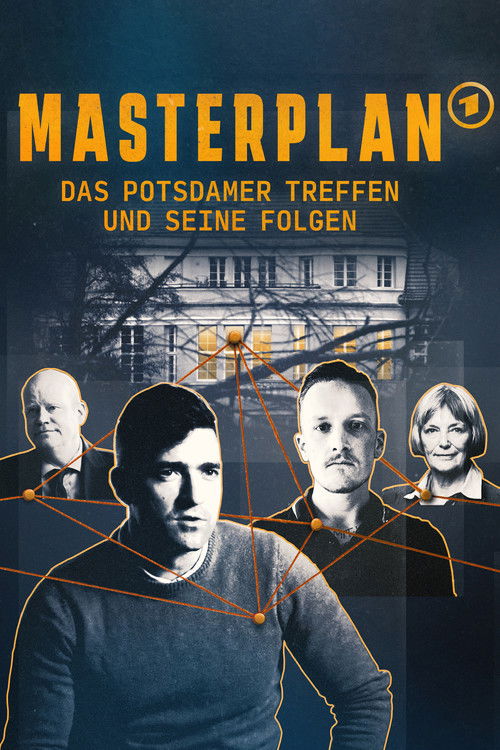
In November 2023, right-wing thought leaders, politicians from the AfD, CDU and Werteunion, as well as numerous entrepreneurs, met behind closed doors at the Landhaus Adlon in Potsdam. The topics discussed at the meeting were never intended to be made public. But weeks later, the media company Correctiv published the explosive contents of this conference, as investigative journalists were also present undercover. The revelations caused a stir and triggered the largest protest rallies against right-wing radicalism in the history of the Federal Republic of Germany, with more than three million people nationwide. Suddenly, Germans were discussing a word that hardly anyone had known until then: "remigration." Award-winning documentary filmmaker Volker Heise tells the story in a fact-rich, gripping, and unpretentious way, like a political thriller, bringing together the voices of those who were part of the meeting and those who exposed it to create an illuminating overall picture.
A young pigeon fighter in Cairo leads his neighbourhood into the final battle. While pigeons may symbolize peace, here they reflect martial spirit and pride.
A year of decisions. The country and the city are on the brink, the future is open, no one knows where the journey will take us. The First World War has been over for a good ten years, the defeat not understood, the republic a permanent state of emergency. History has only granted it four golden years. The splendor is based on credit and is already threatening to fade. There are 15 parties in the Reichstag, from the far left to the extreme right, and every government is an impossible coalition.
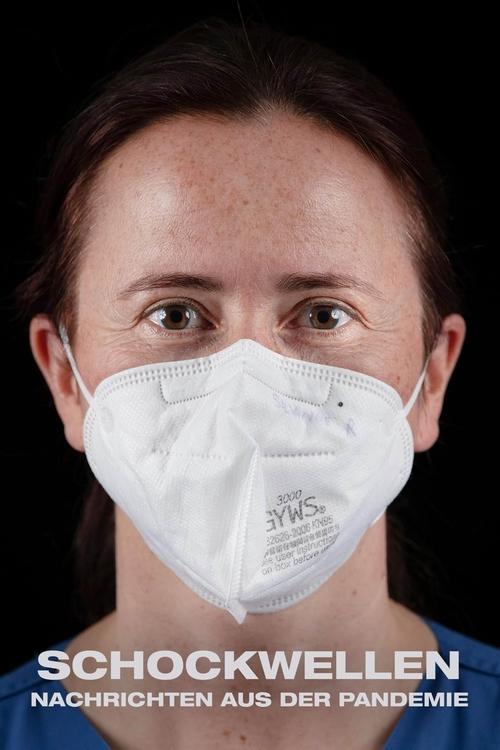
Montage of news, reports, talk shows, live broadcasts, video blogs. Together, they form the basis for a polyphonic choir that intones, condenses and follows the story of the pandemic, from January 2020 to the present day, with a focus on Germany. A chronicle of devastation can be seen as well as a chronicle of discord and rebellion: against the virus, against fate, against reality.