J.M. Kerrigan
Acting
Biography
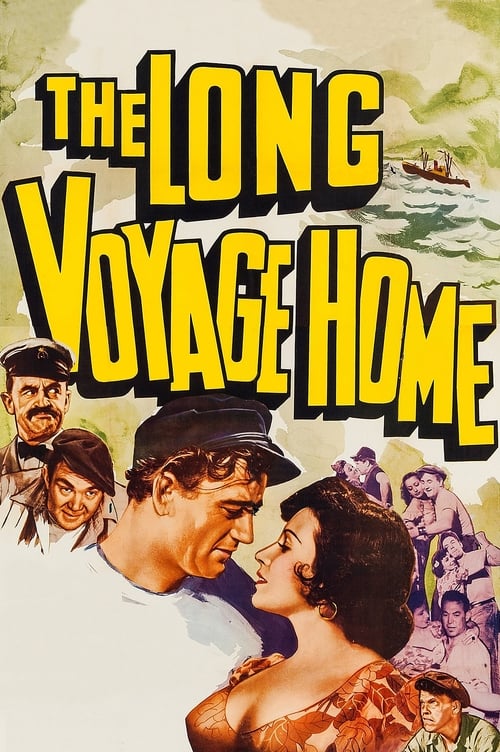
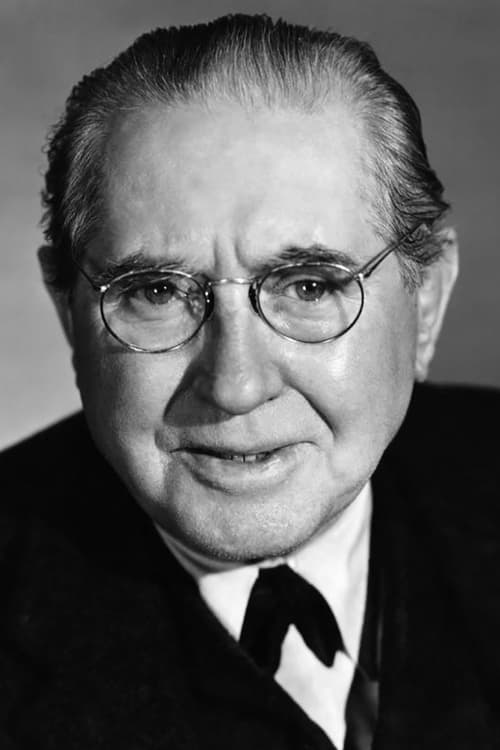
Joseph Michael Kerrigan (16 December 1884 – 29 April 1964), better known as J.M. Kerrigan, was an Irish character actor. Kerrigan was born in Dublin, Ireland. He worked as a newspaper reporter until 1907 when he joined the famous Abbey Players. There he became a stalwart, appearing in plays by Lady Gregory, William Butler Yeats and John Millington Synge (for whom he played the role of Shawn Keogh in The Playboy of the Western World. His first screen appearance was in the silent film Food of Love in 1916. By the 1920s he was appearing on Broadway, often in plays by Shakespeare, Ibsen, and Sheridan. He settled permanently in Hollywood in 1935, having been recruited along with several other Abbey performers, to appear in John Ford's The Informer. In that film and in Ford's The Long Voyage Home, he plays similar roles, that of a leech who attaches himself to men until they run out of money. Perhaps his best known role was in The General Died at Dawn, where he plays a character actually named Leach, in which he steals scenes from Gary Cooper, Madeleine Carroll and William Frawley. In it he plays a sinister little petty thief who, holding a gun on Cooper, says, "I may be fat, but I'm agile." He had little screen time in films which he starred as minor roles, such as the "First Drayman" in Merely Mary Ann (1931) with Janet Gaynor. One of his most recognizable minor roles was in Gone with the Wind (1939), in which he played John Gallegher, the seemly jovial mill owner who whips his convict labour in to "co-operation". He appeared in Walt Disney's 20,000 Leagues Under the Sea (1954), the famous film version of Jules Verne's Twenty Thousand Leagues Under the Sea in a minor role at the beginning of the film. In 1946, he tried breaking into Broadway shows, playing the discombobulated leprechaun Jackeen J. O'Malley in the show "Barnaby and Mr. O'Malley", based on the Crockett Johnson comic strip. J. M. Kerrigan died in Hollywood on 29 April 1964, aged 79. Kerrigan has a star on the Hollywood Walk of Fame at 6621 Hollywood Blvd.
Known For

An American radio–television anthology series, created in 1947 by Canadian director Fletcher Markle, who came to CBS from the CBC. Studio One, presented by Westinghouse, was one of the first of the anthology TV programs. The episodes were often abridged remakes of movies from years gone by and many future well-known television and movie actors appeared in the productions.
Studio One

Matinee Theater is an American anthology series that aired on NBC during the Golden Age of Television, from 1955 to 1958. The series, which ran daily in the afternoon, was frequently live. It was produced by Albert McCleery, Darrell Ross, George Cahan and Frank Price with executive producer George Lowther. McCleery had previously produced the live series Cameo Theatre which introduced to television the concept of theater-in-the-round, TV plays staged with minimal sets. Jim Buckley of the Pewter Plough Playhouse recalled: When Al McCleery got back to the States, he originated a most ambitious theatrical TV series for NBC called Matinee Theater: to televise five different stage plays per week live, airing around noon in order to promote color TV to the American housewife as she labored over her ironing. Al was the producer. He hired five directors and five art directors. Richard Bennett, one of our first early presidents of the Pewter Plough Corporation, was one of the directors and I was one of the art directors and, as soon as we were through televising one play, we had lunch and then met to plan next week’s show. That was over 50 years ago, and I’m trying to think; I believe the TV art director is his own set decorator —yes, of course! It had to be, since one of McCleery’s chief claims to favor with the producers was his elimination of the setting per se and simply decorating the scene with a minimum of props. It took a bit of ingenuity.
Matinee Theater

The spoiled daughter of a Georgia plantation owner conducts a tumultuous romance with a cynical profiteer during the American Civil War and Reconstruction Era.
Gone with the Wind

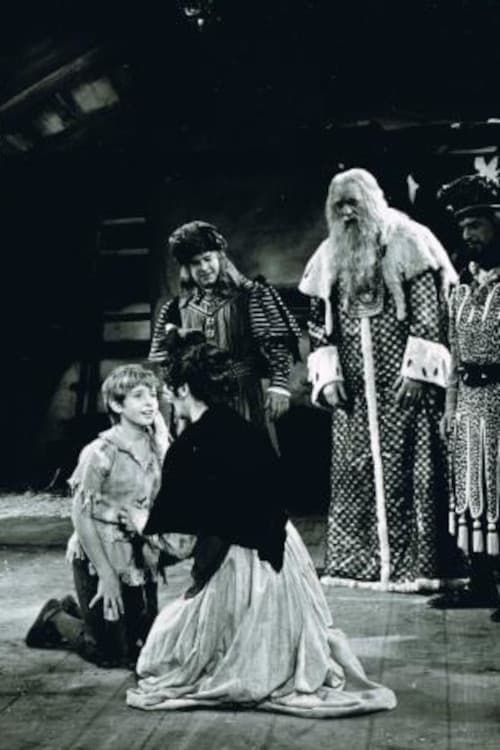
Shirley Temple's Storybook is an American children's anthology series hosted and narrated by actress Shirley Temple. The series features adaptations of fairy tales like Mother Goose and other family-oriented stories performed by well-known actors, although one episode, an adaptation of The House of the Seven Gables, was meant for older youngsters. Temple's three children made their acting debuts in the last episode of the first season, "Mother Goose".
Shirley Temple's Storybook
Lux Video Theatre is an American anthology series that was produced from 1950 until 1959. The series presented both comedy and drama in original teleplays, as well as abridged adaptations of films and plays.
Lux Video Theatre

Frontier is an American Western anthology series that aired on NBC from September 1955, to September 1956. The series de-emphasizes gunplay and focuses on the hazards of the settlement of the American West. It was only the second anthology Western series in television history, having been preceded by Death Valley Days. Frontier aired premiered on September 25, 1955, and ran sporadically in its last five months. Walter Coy narrated the series and starred in occasional episodes, which are dramatizations based on actual events. The program was produced by Worthington Miner.
Frontier

Letter to Loretta is an American anthology drama series telecast on NBC from September 1953 to June 1961 for a total of 165 episodes. The filmed show was hosted by Loretta Young who also played the lead in various episodes. Letter to Loretta was sponsored by Procter & Gamble from 1953 through 1960. The final season's sponsor was Warner-Lambert's Listerine.
Letter to Loretta

A ship sent to investigate a wave of mysterious sinkings encounters the advanced submarine, the Nautilus, commanded by Captain Nemo.
20,000 Leagues Under the Sea

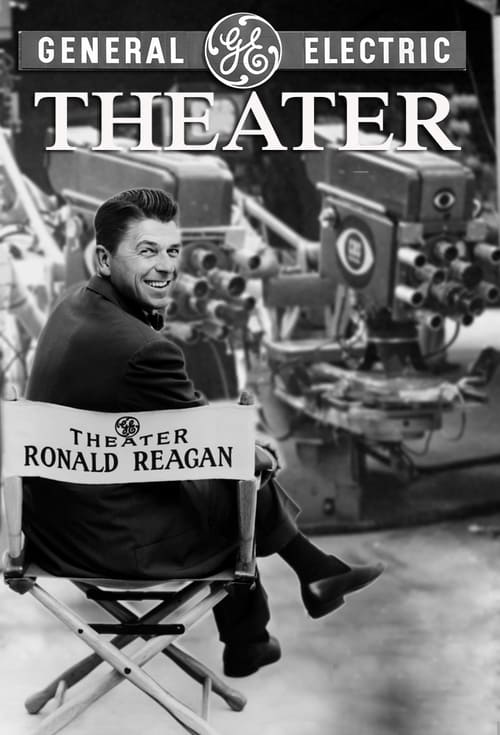
General Electric Theater is an American anthology series hosted by Ronald Reagan that was broadcast on CBS radio and television. The series was sponsored by General Electric's Department of Public Relations.
General Electric Theater

After his brother's death, Larry Talbot returns home to his father and the family estate. Events soon take a turn for the worse when Larry is bitten by a werewolf.
The Wolf Man

A conman poses as a war relief fundraiser, but when he falls for a charity worker, his conscience begins to trouble him.
Mr. Lucky

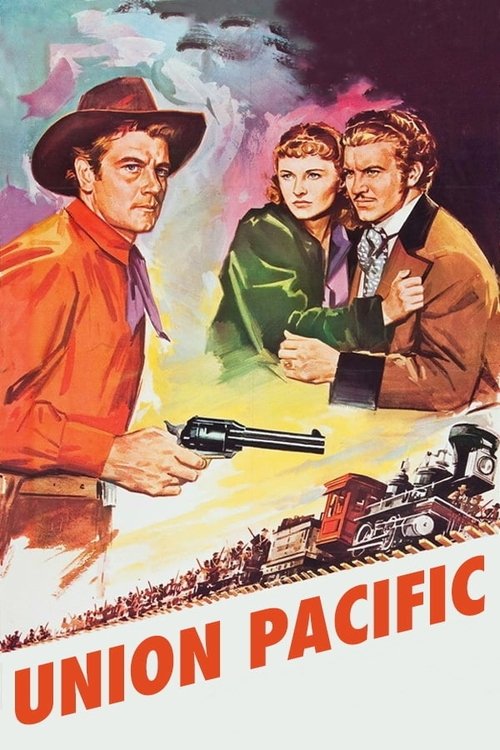
One of the last bills signed by President Lincoln authorizes pushing the Union Pacific Railroad across the wilderness to California. But financial opportunist Asa Barrows hopes to profit from obstructing it. Chief troubleshooter Jeff Butler has his hands full fighting Barrows' agent, gambler Sid Campeau; Campeau's partner Dick Allen is Jeff's war buddy and rival suitor for engineer's daughter Molly Monahan. Who will survive the effort to push the railroad through at any cost?
Union Pacific

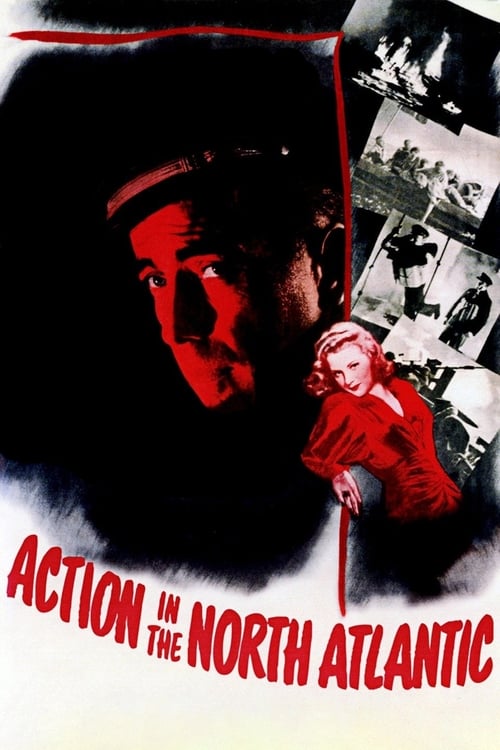
Merchant Marine sailors Joe Rossi (Humphrey Bogart) and Steve Jarvis (Raymond Massey) are charged with getting a supply vessel to Russian allies as part of a sea convoy. When the group of ships comes under attack from a German U-boat, Rossi and Jarvis navigate through dangerous waters to evade Nazi naval forces. Though their mission across the Atlantic is extremely treacherous, they are motivated by the opportunity to strike back at the Germans, who sank one of their earlier ships.
Action in the North Atlantic

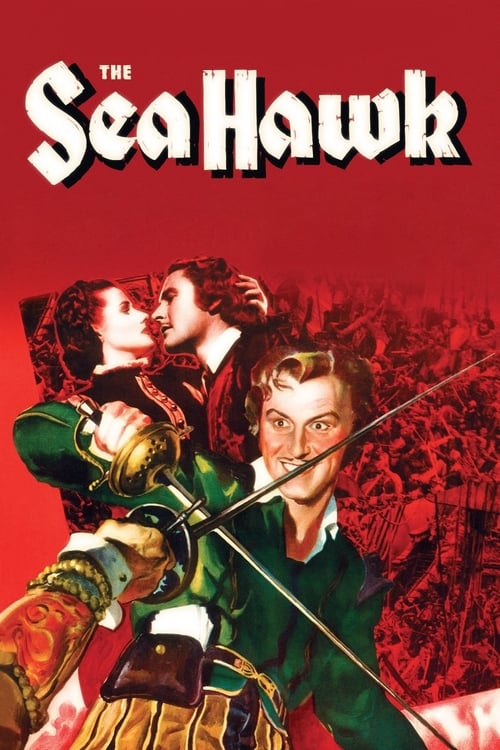
Dashing pirate Geoffrey Thorpe plunders Spanish ships for Queen Elizabeth I and falls in love with Dona Maria, a beautiful Spanish royal he captures.
The Sea Hawk

The political career of Woodrow Wilson is chronicled, beginning with his decision to leave his post at Princeton to run for Governor of New Jersey, and his subsequent ascent to the Presidency of the United States. During his terms in office, Wilson must deal with the death of his first wife, the onslaught of German hostilities leading to American involvement in the Great War, and his own country's reticence to join the League of Nations. Preserved by the Academy Film Archive in partnership with Twentieth Century Fox Film Corporation in 2006.
Wilson

Set during the first World War in neutral, but pro-German, Holland, Lewis Allison, an interned British officer, is paroled to the castle of Baron Von Leyden and finds living there, but now married to German officer Rupert Von Narwitz, his childhood sweetheart Julie. Long discussions between Julie and Allison, centering on family conflicts that kept them apart, take place before the severely wounded Von Narwitz returns to the castle and more long discussions ensue.
The Fountain

Whenever it becomes known how good he is with guns, ex-gunman George and his wife Dora have to flee the town, in fear of all the gunmen who might want to challenge him. Unfortunately he again spills his secret when he's drunk. All citizens swear to keep his secret and support him to give up his guns forever -- but a boy tells the story to a gang of wanted criminals. Their leader threatens to burn down the whole town, if he doesn't duel him.
The Fastest Gun Alive

A young girl begins to wonder if she really fits into the upper-class sorority she's trying to join.
Sorority House

Based on Anna Sewell's novel. In rural England of the 1880's, widower Squire Wendon is rearing his young daughter Anne. Her father has forbidden her to be present when their mare, "Duchess," gives birth. Anne sneaks out to the stable, however, and is discovered by her father who forbids her ever to ride Duchess again. Despite this punishment, he gives Anne Duchess's colt because it is her birthday, and she names him "Black Beauty."
Black Beauty

Gypo Nolan is a former Irish Republican Army man who drowns his sorrows in the bottle. He's desperate to escape his bleak Dublin life and start over in America with his girlfriend. So when British authorities advertise a reward for information about his best friend, current IRA member Frankie, Gypo cooperates. Now Gypo can buy two tickets on a boat bound for the States, but can he escape the overwhelming guilt he feels for betraying his buddy?