Camera
American Playhouse is an anthology television series periodically broadcast by Public Broadcasting Service in the United States.
National Geographic's Explorer gives viewers special access to the issues of the day.
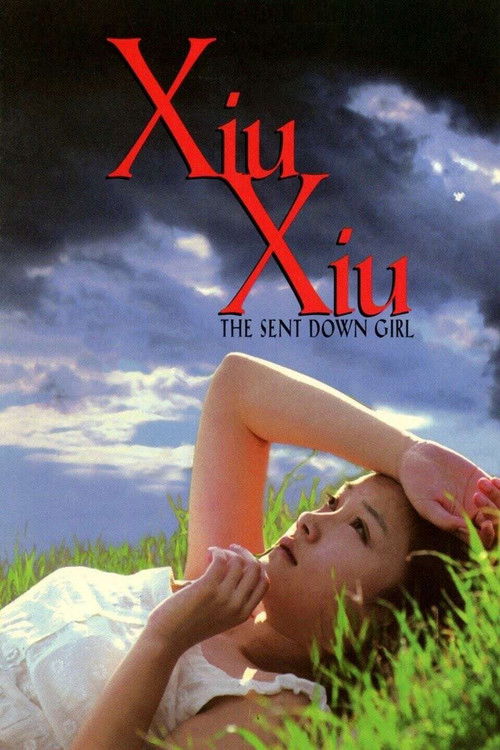
Young teen girl Xiu Xiu is sent away to a remote corner of the Sichuan steppes for manual labor in 1975 (sending young people to there was a part of Cultural Revolution in China). A year later, she agrees to go to even more remote spot with a Tibetan saddle tramp Lao Jin to learn horse herding.
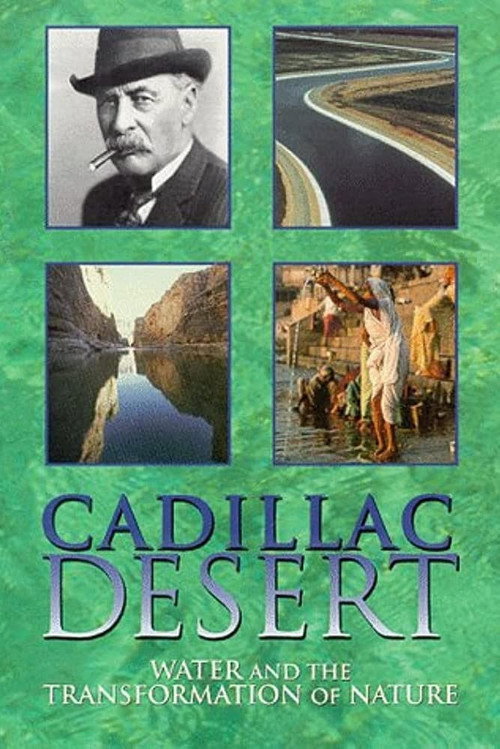
Documentary on water usage, money, politics, the transformation of nature, and the growth of the American west, shown on PBS as a four-part miniseries.
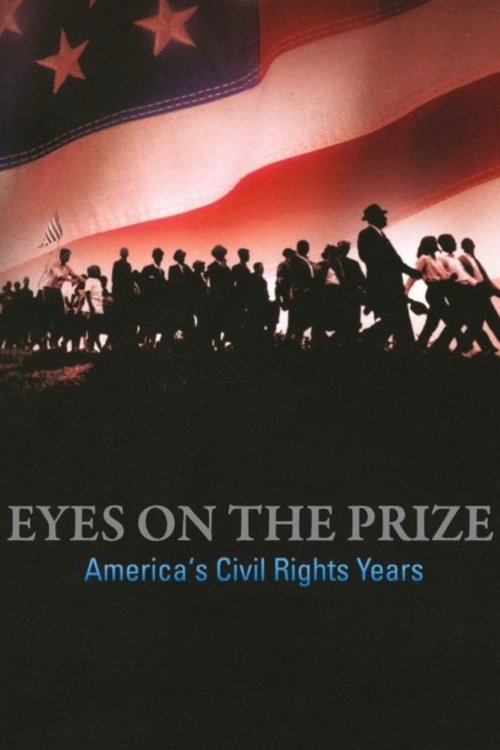
The definitive story of the Civil Rights era from the point of view of the ordinary men and women whose extraordinary actions launched a movement that changed the fabric of American life, and embodied a struggle whose reverberation continue to be felt today.
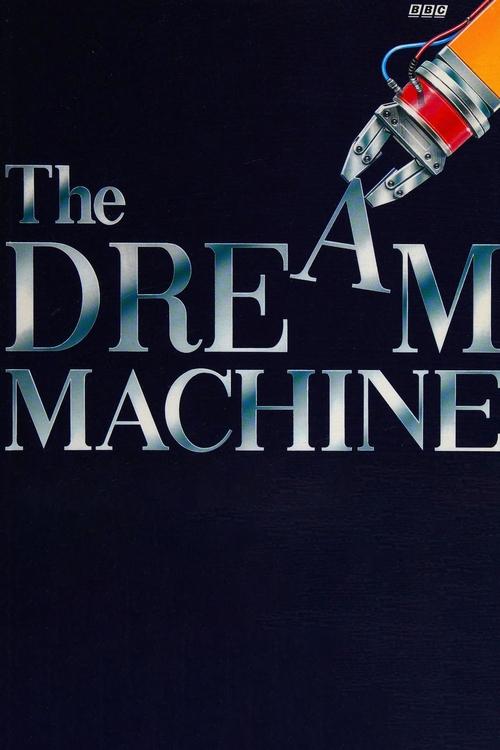
A five-part series about the origins, history and impact of the computer, a machine that changed the world.
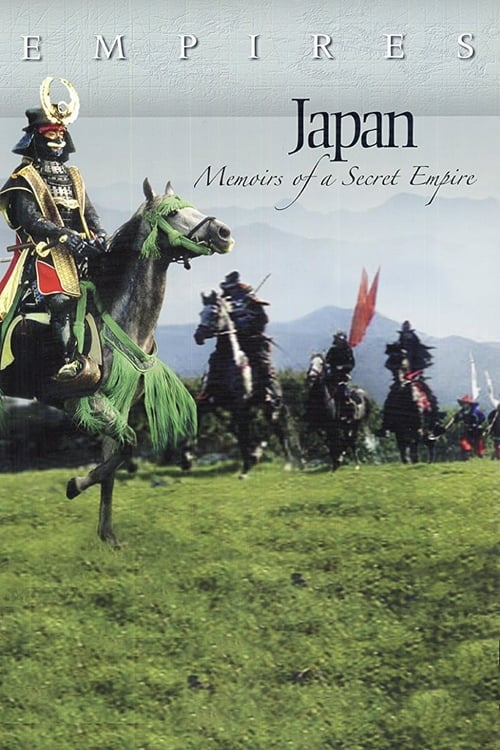
Commanding shoguns and samurai warriors, exotic geisha and exquisite artisans—all were part of the Japanese “renaissance”; a period between the 16th and 19th Centuries when Japan went from chaos and violence to a land of ritual refinement and peace. But stability came at a price: for nearly 250 years, Japan was a land closed to the Western world, ruled by the Shogun under his absolute power and control. Japan: Memoirs of a Secret Empire brings to life the unknown story of a mysterious empire, its relationship with the West, and the forging of a nation that would emerge as one of the most important countries in the world.
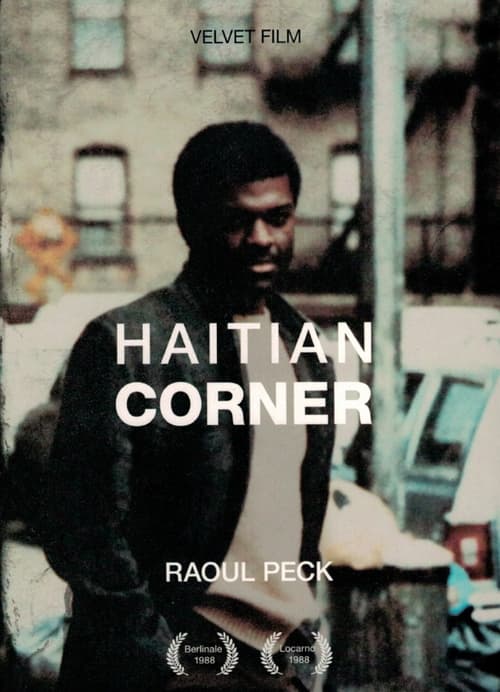
A poet from Haiti flees to America after being imprisoned in his native country. Recovering from the experience, he begins to examine his past. One day he encounters his former torturer, and becomes obsessed with taking his revenge.
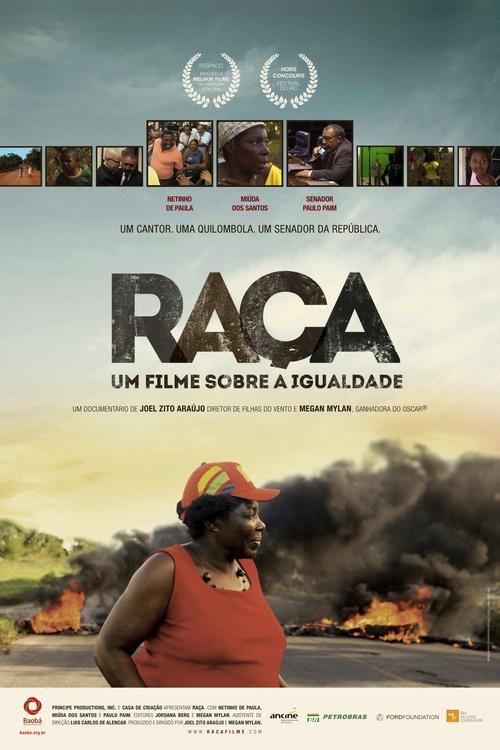
Documentary on ethnic relations in Brazil.
Documentary about the final five, turbulent years in the life of civil rights activist Martin Luther King. The story begins at the Lincoln Memorial in August 1963, when a 34-year-old preacher galvanized millions with his dream for an America free of racism and comes to a bloody end five years later on a motel balcony in Memphis. King has since become a mythic figure, an activist whose works and image are more hotly contested, negotiated and sold than almost anyone else's in American history. (Storyville)
Fueled by a raging libido, Wild Turkey, and superhuman doses of drugs, Thompson was a true "free lance, " goring sacred cows with impunity, hilarity, and a steel-eyed conviction for writing wrongs. Focusing on the good doctor's heyday, 1965 to 1975, the film includes clips of never-before-seen (nor heard) home movies, audiotapes, and passages from unpublished manuscripts.
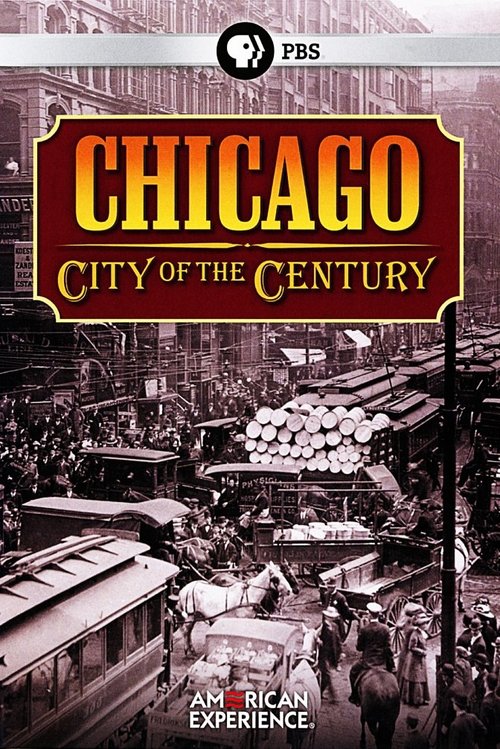
In just 60 years Chicago grew from a remote, swampy frontier town into one of the most explosively alive cities in the world. Captains of industry built empires through innovation, ingenuity, determination, and sheer ruthlessness, while the labor of millions of working men and women -- most of them immigrants from Ireland and Northern Europe -- helped reinvent the way America did business.
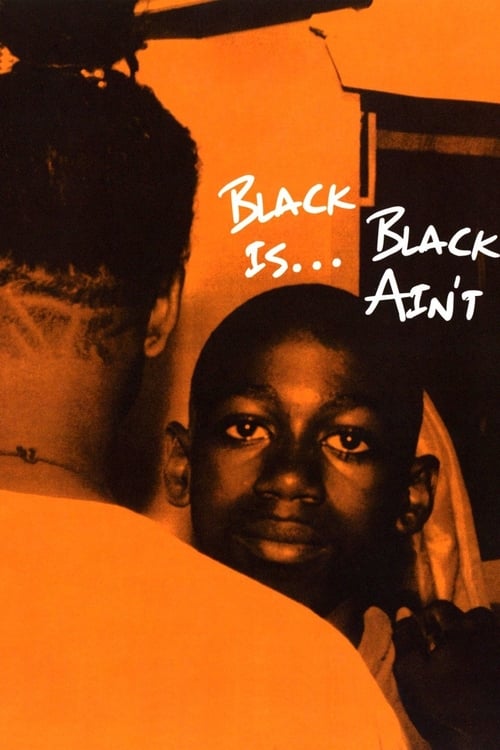
African-American documentary filmmaker Marlon Riggs was working on this final film as he died from AIDS-related complications in 1994; he addresses the camera from his hospital bed in several scenes. The film directly addresses sexism and homophobia within the black community, with snippets of misogynistic and anti-gay slurs from popular hip-hop songs juxtaposed with interviews with African-American intellectuals and political theorists, including Cornel West, bell hooks and Angela Davis.
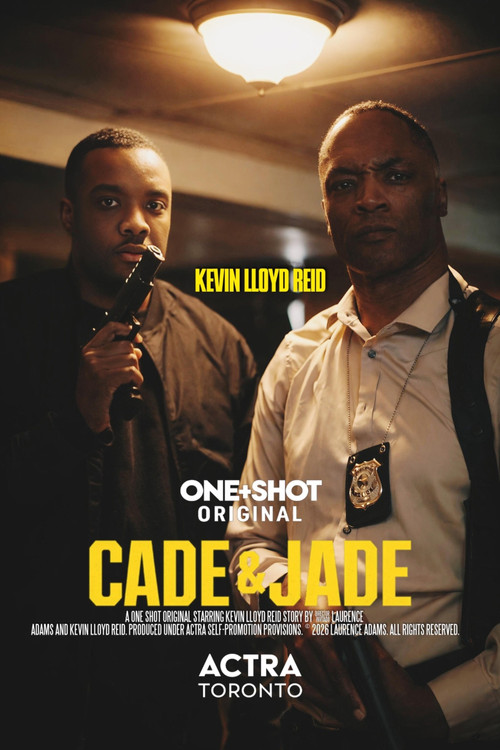
Starring, KEVIN LLOYD REID - On opposite sides of the law, two brothers--a hardened cop and a rising gangster--are pulled into a spiral of violence that forces them to choose between duty, survival, and the unbreakable bond of family. Directed by Laurence Adams & Kevin Lloyd Reid, Assistant Director, Sam Matson and Director of Photography, Michael Chin.
A 7-part series telling dramatic and diverse stories of struggle and survival during the worst economic crisis in U.S. history. From the producers of Eyes on the Prize, this series was met with critical acclaim and won both an Emmy Award for writing and a duPont-Columbia Award.
A meditation on the elemental bonds of family told through portraits of four Syrian families in the aftermath of war.
San Francisco's Richmond District. A widow welcomes the Chinese New Year. 62 years old, she wants to make a trip to China to pay last respects to her ancestors. A fortune teller has told her this is the year she'll die, and a daughter, Geraldine, remains unmarried. Geraldine's boyfriend lives in Los Angeles and she's not sure she's ready for marriage, nor does she want to leave her mother alone in her declining years. Mrs. Tan's cheerful brother-in-law, Uncle Tam, tries to help out.
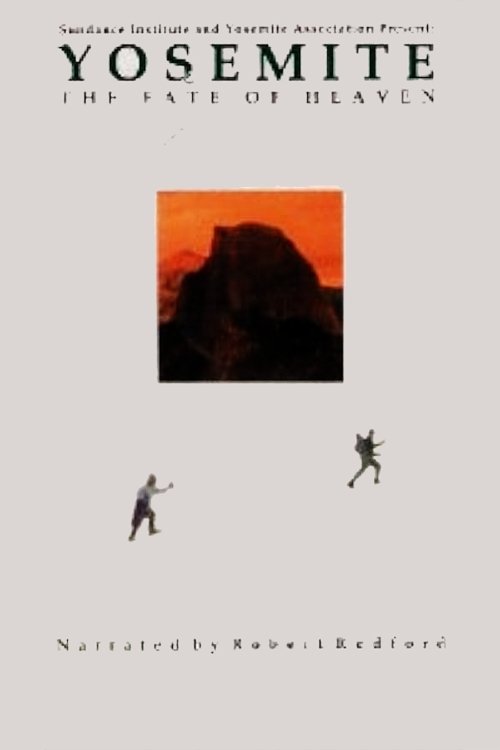
A documentary about Yosemite National Park.
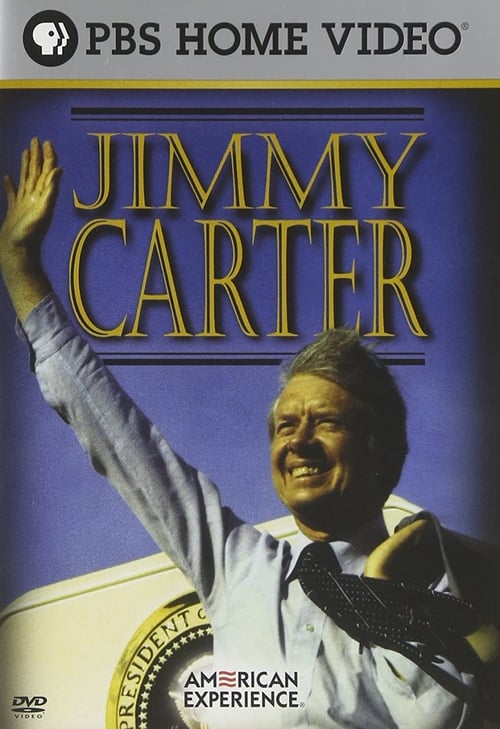
Jimmy Carter ran for president on a wave of post-Watergate disaffection with Washington politics. But inexperience, inflation, recession, and the Iran hostage crisis, derailed his presidency dramatically. His crowning achievement, the Camp David Accords, created a framework for Middle East peace, inspiring his life since. The film traces his ascent from Plains, Georgia, to the Oval Office and explores the role of religion in his career. This is the first of two parts.
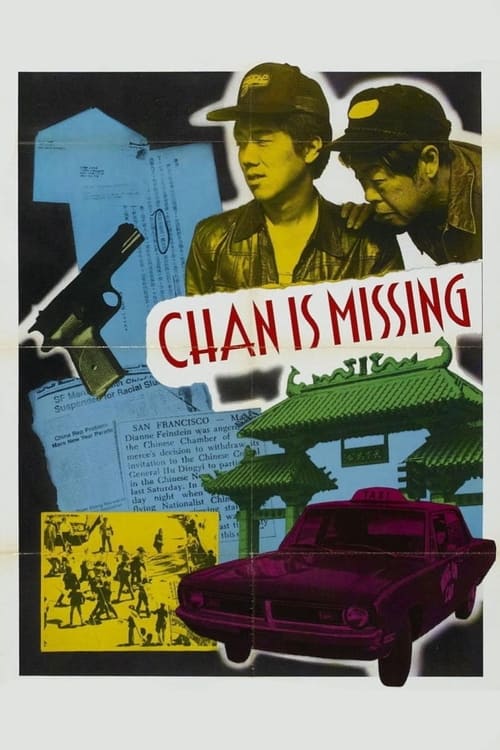
Two cabbies search San Francisco's Chinatown for a mysterious character who has disappeared with their $4000. Their quest leads them on a humorous, if mundane, journey which illuminates the many problems experienced by Chinese-Americans trying to assimilate into contemporary American society.