FEEL IT.STREAM
Stephen Ives

Stephen Ives

Directing

Biography

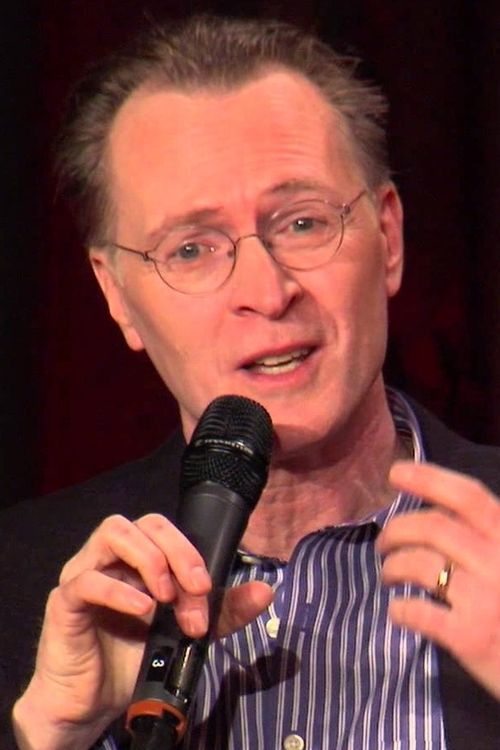
Stephen Ives has directed some of the most-watched films in the history of public television. His work has also appeared on HBO, in major film festivals across the country, and on the front page of the New York Times digital edition. His landmark series The West was seen by more than 38 million people nationwide during its PBS premiere. Caryn James of the New York Times wrote that The West was “fiercely and brilliantly rooted in fact. . . ,” and The New York Daily News called the programs a “breathtakingly beautiful series of films. . . that make riveting TV.”

Known For

American Experience
6.7

TV's most-watched history series brings to life the compelling stories from our past that inform our understanding of the world today.

American Experience

1988
The Civil War
7.9

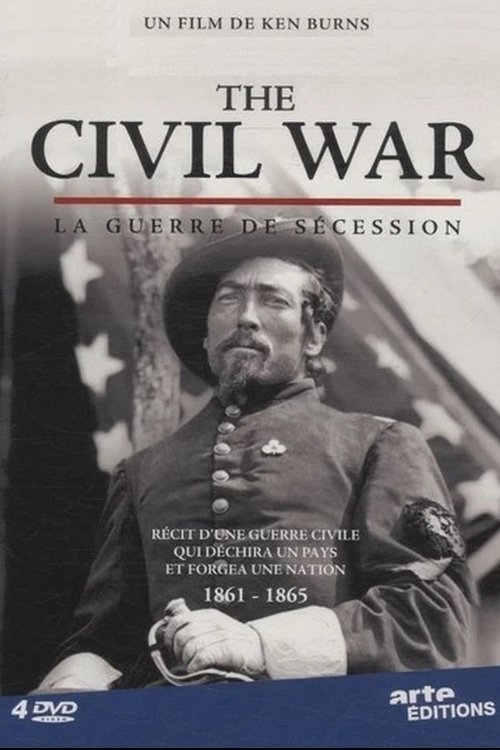
A documentary on the American Civil War narrated by Ken Burns, covering the secession of the Confederacy to the assassination of Abraham Lincoln.

The Civil War

1990
Baseball
7.5

The history of the sport of baseball in America, told through archival photos, film footage, and the words of those who contributed to the game in each era. Writers, historians, players, baseball personnel, and fans review key events and the significance of the game in America's history.

Baseball

1994
The West
8.4

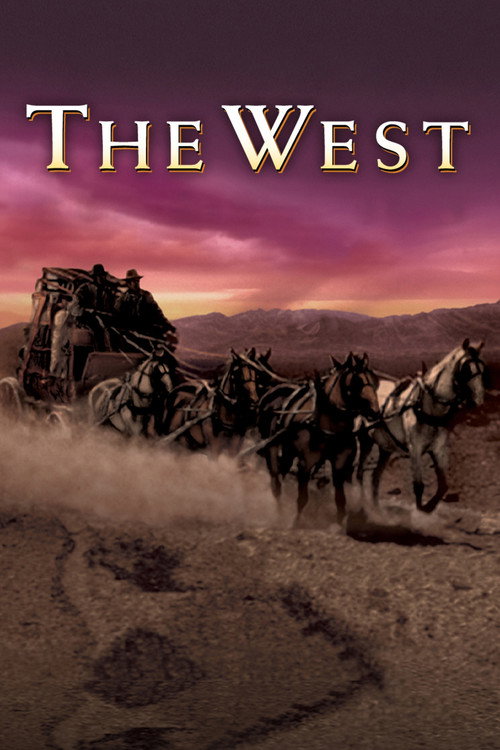
The West, sometimes marketed as Ken Burns Presents: The West, is a documentary film about the American Old West. It was directed by Stephen Ives and the executive producer was Ken Burns. The film originally aired on PBS in September 1996.

The West

1996
Constitution USA with Peter Sagal
N/A

CONSTITUTION USA, From New York to San Francisco, from Missoula, Montana to Tyler, Texas, Host Peter Sagal visits people across America introducing viewers to some of today’s major constitutional debates : free speech in the digital age, same-sex marriage, voting rights, separation of church and state, presidential power in the post-9/11 world, to name just a few, and the fascinating stories of the people they affect every day. And for each contemporary story, Sagal dives into the history behind it and talks to prominent legal scholars, historians and public figures, finding out what the Constitution says, the dramatic historical events and crises that defined the Constitution, and why all this matters.

Constitution USA with Peter Sagal

2013
1964
6.4

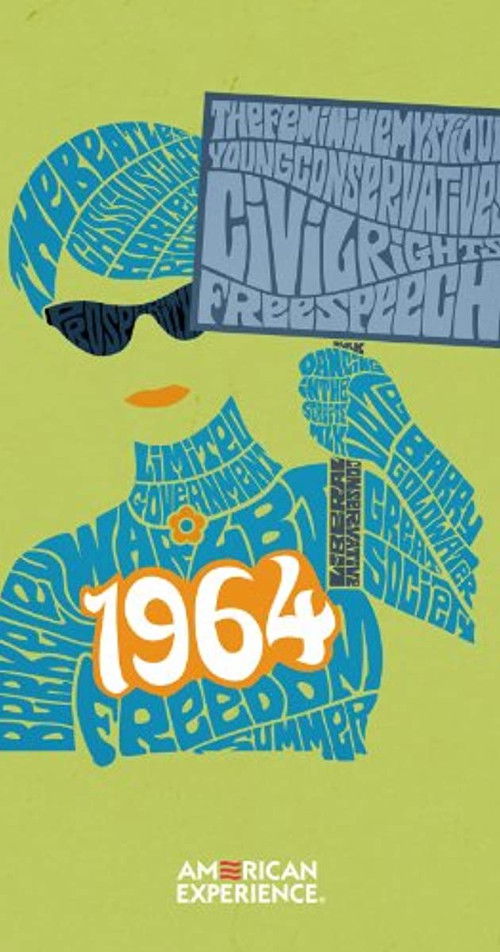
1964 was the year the Beatles came to America, Cassius Clay became Muhammad Ali, and three civil rights workers were murdered in Mississippi. It was the year when Berkeley students rose up in protest, African Americans fought back against injustice in Harlem, and Barry Goldwater’s conservative revolution took over the Republican Party. In myriad ways, 1964 was the year when Americans faced choices: between the liberalism of Lyndon Johnson or Barry Goldwater’s grassroots conservatism, between support for the civil rights movement or opposition to it, between an embrace of the emerging counterculture or a defense of traditional values.

1964

2014
Ailey
6.0

Alvin Ailey was a visionary artist who found salvation through dance. Told in his own words and through the creation of a dance inspired by his life, this immersive portrait follows a man who, when confronted by a world that refused to embrace him, determined to build one that would.

Ailey

2021
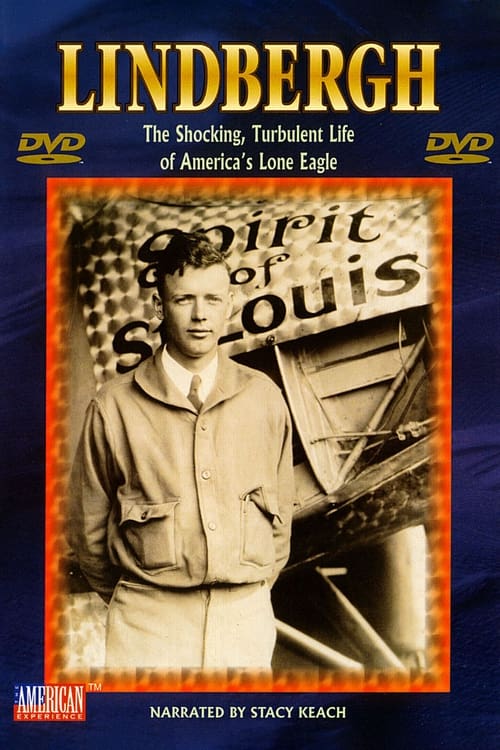
Lindbergh
7.0

Charles Lindbergh lived a life of absolutes, never doubting his own abilities or the altitude of his own moral high ground. His extraordinary character brought him unparalleled accomplishment but also public humiliation and lonely isolation, as his faith in genetic determinism could barely conceal his narrow, naive, and racist social and political views.

Lindbergh

1990
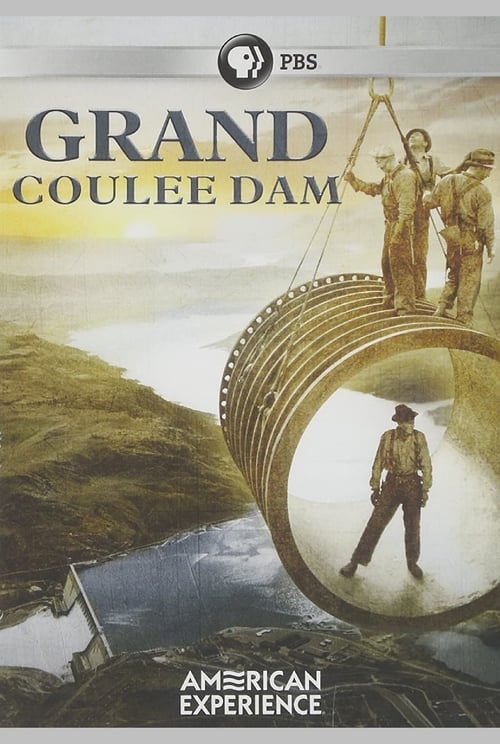
Grand Coulee Dam
6.0

During the darkest days of the Depression when construction was started on Grand Coulee Dam, everything about it was described in superlatives. It would be the "Biggest Thing on Earth," the salvation of the common man, a dam and irrigation project that would make the desert bloom, a source of cheap power that would boost an entire region of the country. Of the many public works projects of the New Deal, Grand Coulee Dam loomed largest in America's imagination, promising to fulfill President Franklin Roosevelt's vision for a "planned promised land" where hard-working farm families would finally be free from the drought and dislocation caused by the elements.

Grand Coulee Dam

2017
Space Men
N/A

In the 1950s and early '60s, a small band of high-altitude pioneers exposed themselves to the extreme forces of the space age long before NASA's acclaimed Mercury 7 would make headlines. Though largely forgotten today, balloonists were the first to venture into the frozen near-vacuum on the edge of our world, exploring the very limits of human physiology and human ingenuity in this lethal realm.

Space Men

2016
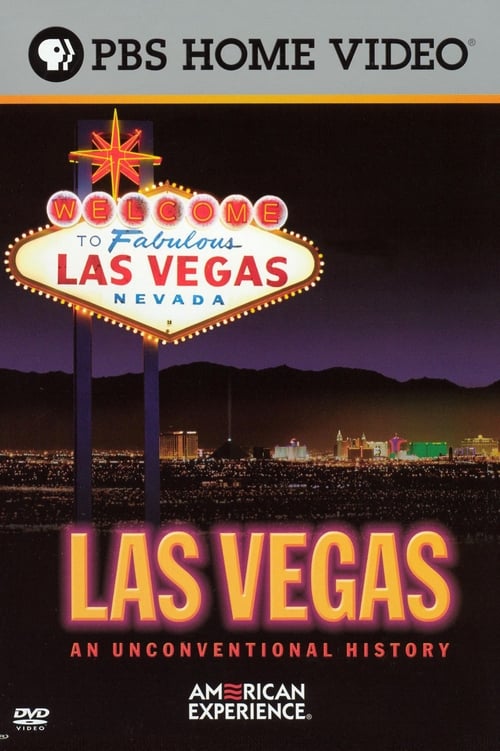
Las Vegas: An Unconventional History: Part 1 - Sin City
7.0

Traces the often surprising, endlessly entertaining history of the country's most outrageous playground. Interviews with Las Vegas insiders as well as everyday citizens in search of the American Dream chronicle how Las Vegas transformed itself from remote frontier way station into the Depression-era "Gateway to the Hoover Dam," then into the mid-century gangster metropolis known as "Sin City," and finally into a family vacation destination and the fastest-growing city in the United States.

Las Vegas: An Unconventional History: Part 1 - Sin City

2005
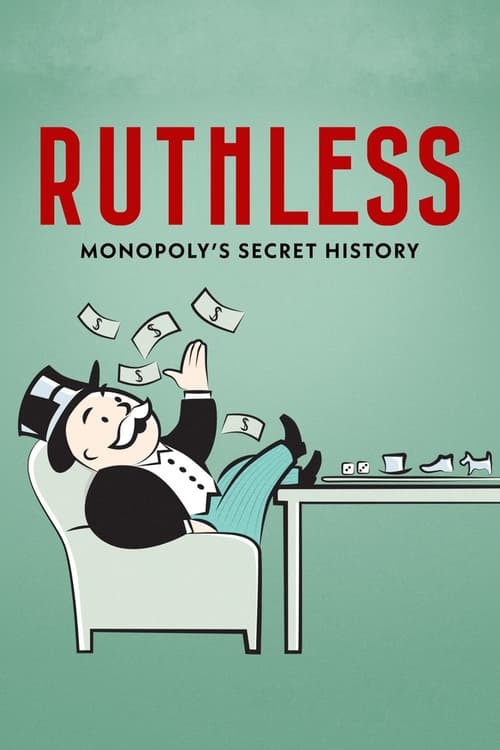
Ruthless: Monopoly's Secret History
6.9

America’s favorite board game, Monopoly, is a love letter to unbridled capitalism and the impulses that make our free-market society tick. Contrary to the folksy legend spread by Parker Brothers, Monopoly’s origin involves a radical feminist and a community of Quakers in Atlantic City. If not for the determination of an economics professor and impassioned anti-monopolist, the real story behind the creation of the game might never have come to light.

Ruthless: Monopoly's Secret History

2023
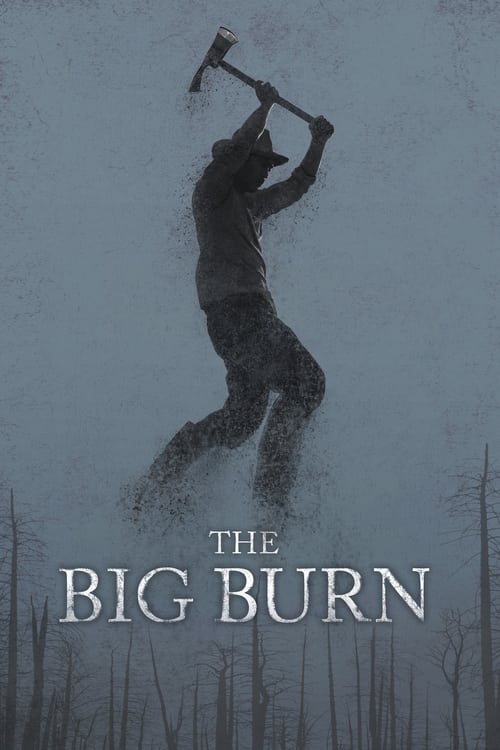
The Big Burn
7.5

The dramatic story of an unimaginable wildfire that swept across the Northern Rockies in the summer of 1910.

The Big Burn

2015
Reporting America at War
7.0

Explores the role of American journalists in the pivotal conflicts of the 20th century and beyond. From San Juan Hill to the beaches of Normandy, from the jungles of Vietnam to the Persian Gulf, reporters who witnessed and wrote the news from the battlefield share dramatic and surprising stories. Examines the challenges of frontline reporting and illuminates the role of the correspondent in shaping the way wars have been remembered and understood.

Reporting America at War

2003
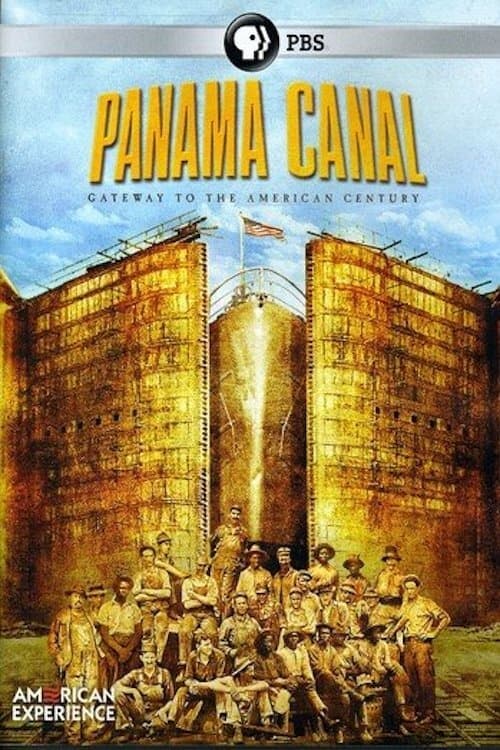
Panama Canal
N/A

On August 15th, 1914, the Panama Canal opened, connecting the world's two largest oceans and signaling America's emergence as a global superpower.

Panama Canal

2011
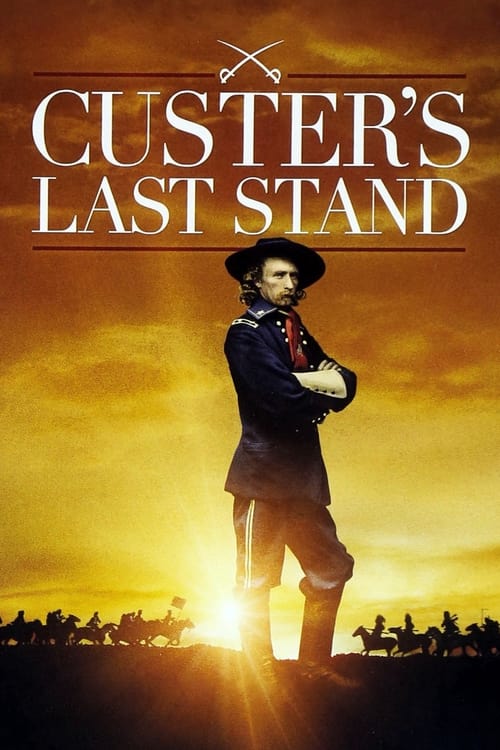
Custer's Last Stand
7.0

Follow General George Armstrong Custer from his memorable, wild charge at Gettysburg to his lonely, untimely death on the windswept Plains of the West. On June 26, 1876, Custer, a reputation for fearless and often reckless courage ordered his soldiers to drive back a large army of Lakota and Cheyenne warriors. By day's end, Custer and nearly a third of his army were dead.

Custer's Last Stand

2012
Citizen Hearst
N/A

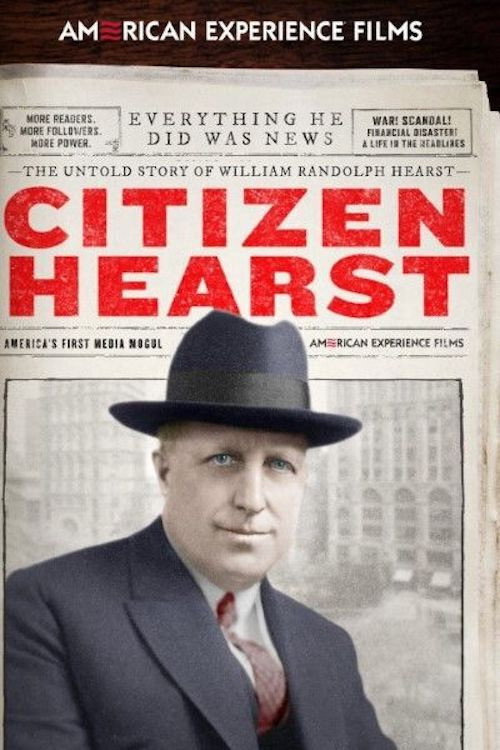
Explore the life of William Randolph Hearst, the pioneering media mogul and inspiration for Orson Welles’ "Citizen Kane." Wielding unprecedented power, Hearst forever transformed the media’s role in American life and politics.

Citizen Hearst

2021
Seabiscuit
8.0

He was boxy, with stumpy legs that wouldn't completely straighten a short straggly tail and an ungainly gait; though he didn't look the part, Seabiscuit was one of the most remarkable thoroughbred racehorses in history. In the 1930s, when Americans longed to escape the grim realities of Depression-era life, four men turned Seabiscuit into a national hero. They were his fabulously wealthy owner Charles Howard, his famously silent and stubborn trainer Tom Smith and the two hard-bitten, gifted jockeys who rode him to glory. By following the paths that brought these four together and in telling the story of Seabiscuit's unlikely career, this film illuminates the precarious economic conditions that defined America in the 1930s and explores the fascinating behind-the-scenes world of thoroughbred racing. Scott Glenn narrates.

Seabiscuit

2003
Beatrix Farrand's American Landscapes
9.0

Garden designer Lynden B. Miller explores the life and career of Beatrix Jones Farrand (1872-1959), America's first female landscape architect.

Beatrix Farrand's American Landscapes

2019
Kit Carson
N/A

An illiterate mountain man, Kit Carson was fluent in Spanish and five Indian languages; he twice married Native American women, yet led a brutal war against the Navajo. When the West was a mystery to most Americans, Carson mastered it, and his expertise made him not only famous, but also sought after. Eventually, by helping to spur a migration that would change the West forever, he unwittingly became an agent in the destruction of the life he loved.

Kit Carson

2008