Directing
TV's most-watched history series brings to life the compelling stories from our past that inform our understanding of the world today.
American Masters is a PBS television series which produces biographies on enduring writers, musicians, visual and performing artists, dramatists, filmmakers, and others who have left an indelible impression on the cultural landscape of the United States.
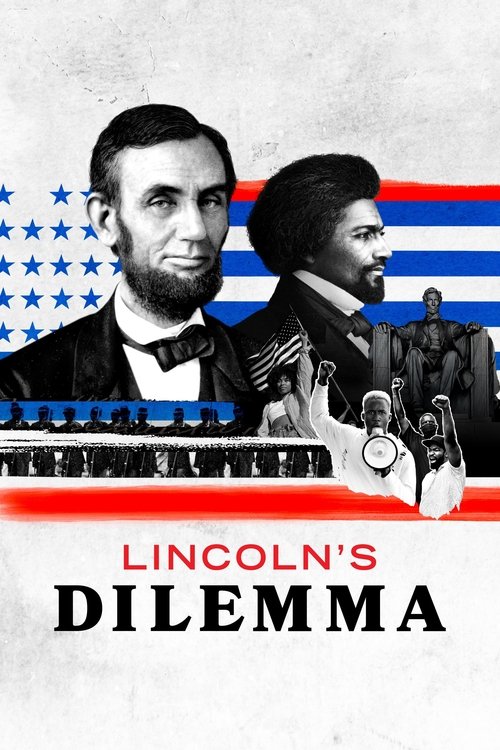
Discover a side of Abraham Lincoln you've never seen before. In this four-part docuseries, a diverse panel of historians and rare archival materials offer a more nuanced look into the man dubbed the Great Emancipator.
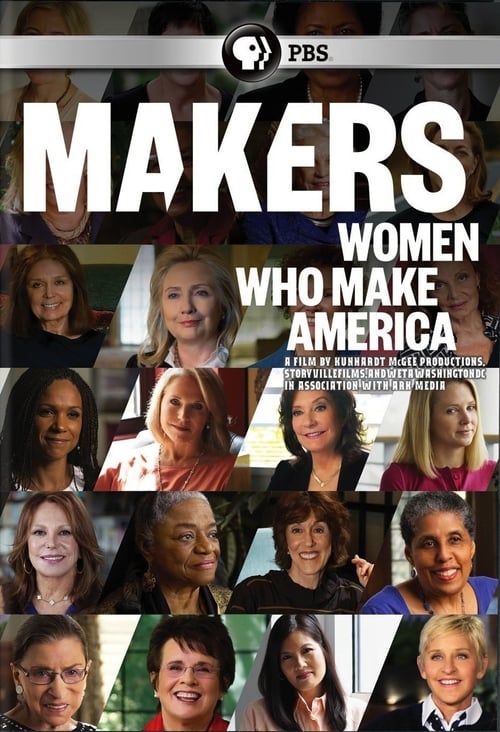
The story of the modern American women’s movement and its impact on work fields once largely closed to women.
“The Gene: An Intimate History” brings vividly to life the story of today’s revolution in medical science through present-day tales of patients and doctors at the forefront of the search for genetic treatments, interwoven with a compelling history of the discoveries that made this possible and the ethical challenges raised by the ability to edit DNA with precision.
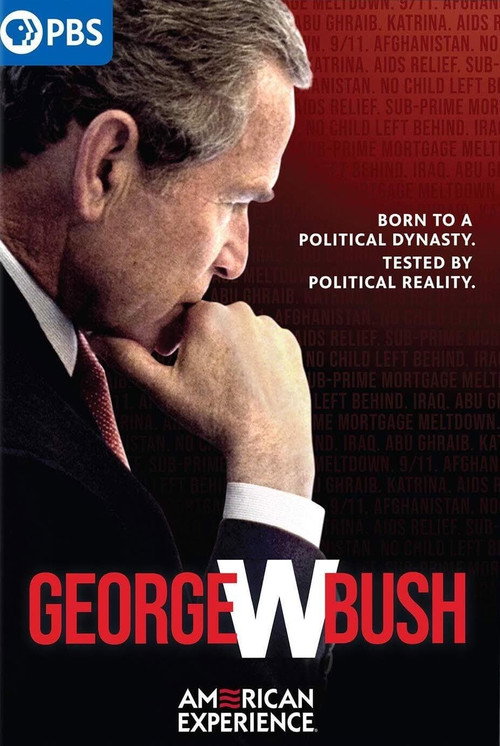
This look at the life and presidency of George W. Bush features interviews with historians, journalists and several members of the president’s inner circle. Part One chronicles Bush’s unorthodox road to the White House. The once wild son of a political dynasty, few expected Bush to ascend to the presidency. Yet 36 days after the November 2000 election, Bush emerged the victor of the most hotly contested race in the nation's history. Little in the new president’s past could have prepared him for the events that unfolded on September 11, 2001. Thrust into the role of war president, Bush's response to the deadly terrorist attack would come to define a new era in American foreign policy. Part Two opens with the ensuing war in Iraq and continues through Bush’s second term, as the president confronts the devastating impact of Hurricane Katrina and the most serious financial crisis since the Great Depression.
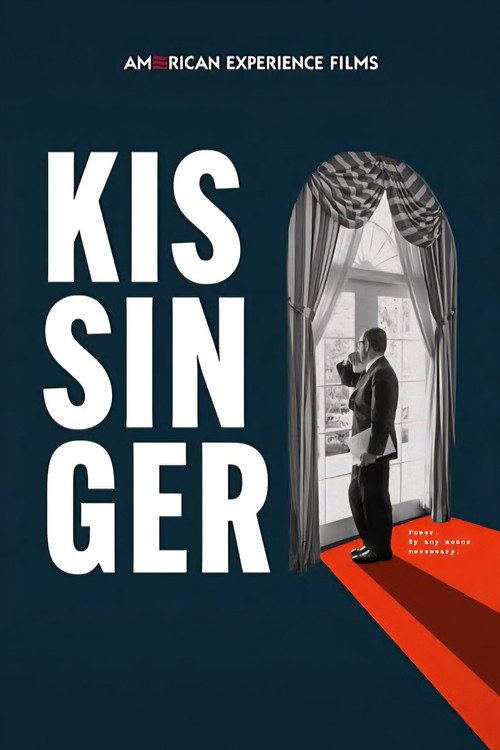
This two-part biography offers an incisive portrait of Henry Kissinger, the enigmatic powerbroker who served in the topmost echelons of American diplomacy. Whether celebrated or reviled, Kissinger’s contradictions reflect those at the heart of America’s foreign policy during the second half of the 20th century, a period in which America became the unchallenged superpower in the world yet often pursued policy at odds with its own highest ideals.By examining his life up to and throughout his tortured relationship with President Richard Nixon, Kissinger endeavors to understand precisely what drove his relentless drive for power. It is a story of deep contradictions — of Kissinger’s obsession with securing American supremacy, staving off nuclear war, and checking the power of our enemies, even while consorting with dictators and tolerating widespread violation of human rights.
The documentary series aims to reshape the way the public sees cancer and strip away some of the fear and misunderstanding that has long surrounded it. The story of cancer is a story of human ingenuity, resilience, and perseverance but also of hubris, paternalism and misperception.
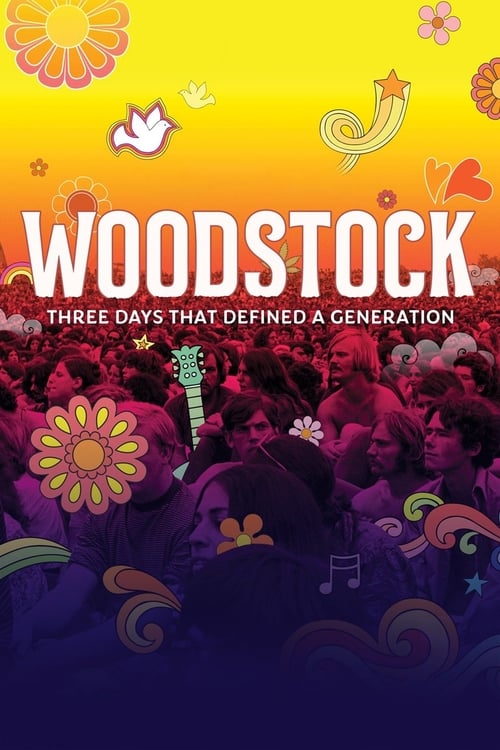
50 years after the legendary fest, Barak Goodman’s electric retelling of Woodstock, from the point of view of those who were on the ground, evokes the freedom, passion, community, and joy the three-day music festival created.
From Executive Producer Bradley Cooper, this is the story of paid and unpaid caregivers navigating the challenges and joys of this deeply meaningful work. Intertwining intimate personal stories with the untold history of caregiving, the documentary reveals the state and the stakes of care in America today. Narrated by Uzo Aduba (The Residence) and directed by Chris Durrance. Caregiving explores systemic issues in the US care system, where over 50 million provide unpaid care, and personal stories of caregivers for loved ones.
It influences elections and sways outcomes -- gerrymandering has become a hot-button political topic and symbol for everything broken about the American electoral process. But there are those on the front lines fighting to change the system.
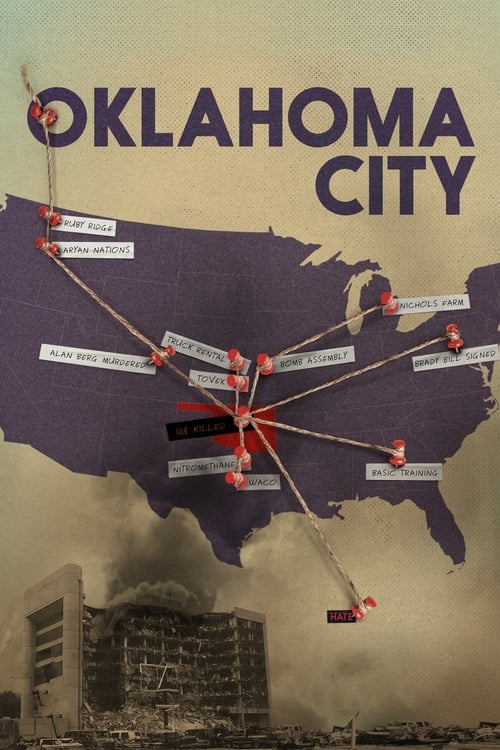
The bombing of the Alfred P. Murrah Federal Building in Oklahoma City in April 1995 is the worst act of domestic terrorism in American history. This documentary explores how a series of deadly encounters between American citizens and federal law enforcement—including the standoffs at Ruby Ridge and Waco—led to it.
Clinton tells the story of a president who rose from a broken childhood in Arkansas to become one of the most successful politicians in modern American history and one of the most complex and conflicted characters to ever stride across the public stage. From draft dodging to the Dayton Accords, from Monica Lewinsky to a balanced budget, the presidency of William Jefferson Clinton veered between sordid scandal and grand achievement. Clinton had a career full of accomplishment and rife with scandal, a marriage that would make history and create controversy, and a presidency that would define the crucial and transformative period between the fall of the Berlin Wall and 9/11.
Explores the famous 1938 heavyweight bout between German Max Schmeling and American Joe Louis and finds two men who, in the shadow of war, became reluctant symbols of equality and supremacy, democracy and fascism.
Learn the haunting case of Grant Amato, a 29-year-old Florida man accused of murdering his own family execution style for the love of a cam girl.
A documentary on the marketing of pop culture to Teenagers.
Documentary examining the impact and continuing influence of 'Alfred Kinsey"s groundbreaking research on human sexuality.
See how one of the architects of the modern conservative movement rose to prominence as a public intellectual and influenced generations of politicians—including Ronald Reagan and Barry Goldwater. As founder of the National Review and host of the public affairs program Firing Line for over 30 years, Buckley created new spaces for civic discourse that were accessible to the public.
What drove a company of American soldiers – ordinary young men from around the country – to commit the worst atrocity in American military history? Were they “just following orders” as some later declared? Or, did they break under the pressure of a vicious war in which the line between enemy soldier and civilian had been intentionally blurred? American Experience focuses on the 1968 My Lai massacre, its subsequent cover-up, and the heroic efforts of the soldiers who broke ranks to try to halt the atrocities, and then bring them to light.
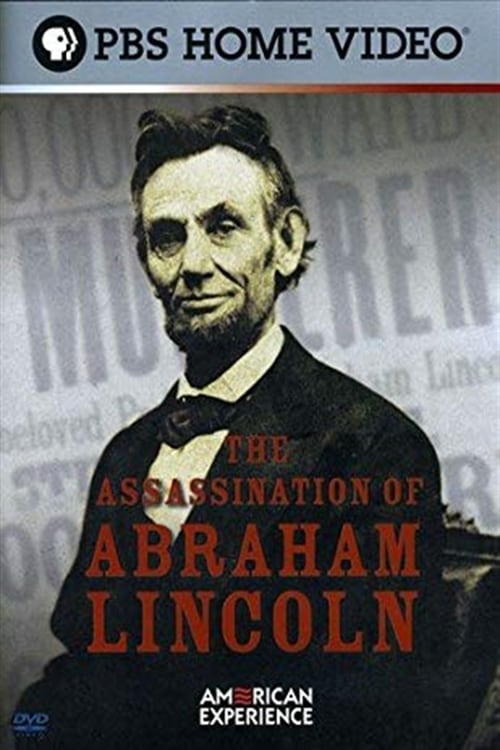
Just days after the Civil War ended, President Abraham Lincoln was assassinated at Ford's Theatre. As a fractured nation mourned, a manhunt closed in on his assassin, the twenty-six-year-old actor, John Wilkes Booth. The Assassination of Abraham Lincoln tracks the converging paths of the president and his killer, then tracks and draws connections between their last journeys, in the forms of Lincoln's funeral train route and Booth's desperate efforts to escape.