Acting
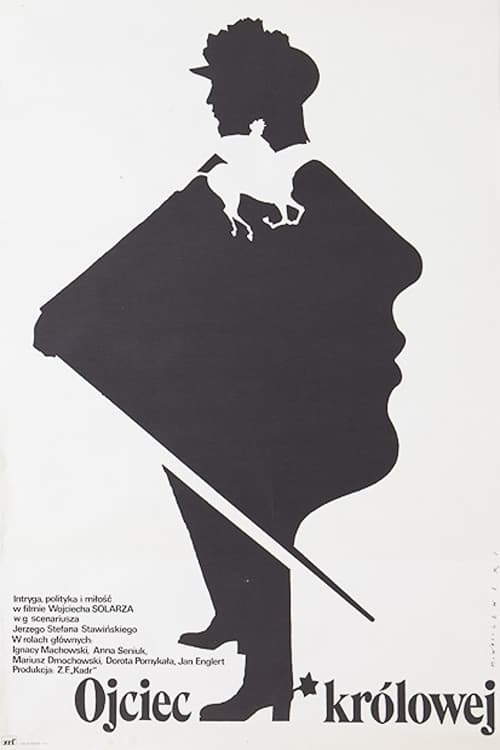
Chevalier de Charentes goes to Poland on a double mission.
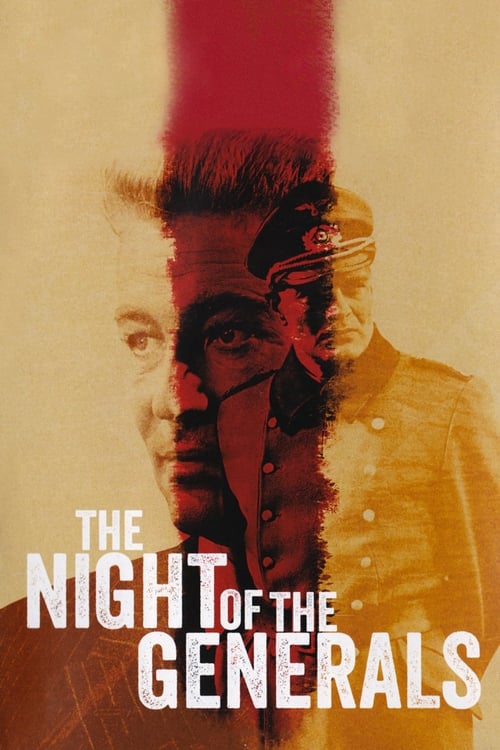
A German intelligence officer investigates a prostitute's killing in Warsaw during World War II. He lands on three major Nazi generals as suspects, two of whom are also involved in a plot to kill Adolf Hitler.
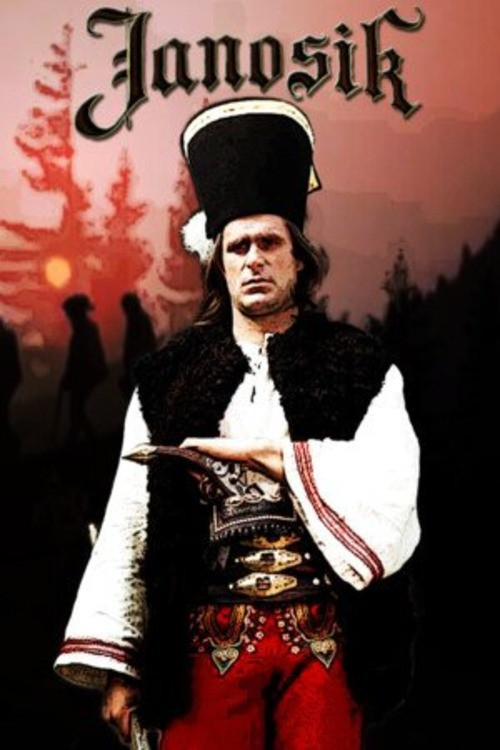
Janosik was a television series that aired in Poland in 1974. It is about a famous Polish highlander outlaw who in folk legends steals money and goods from the rich and helps out the poor. The series was directed by Jerzy Passendorfer. There are 13 1-hour episodes.
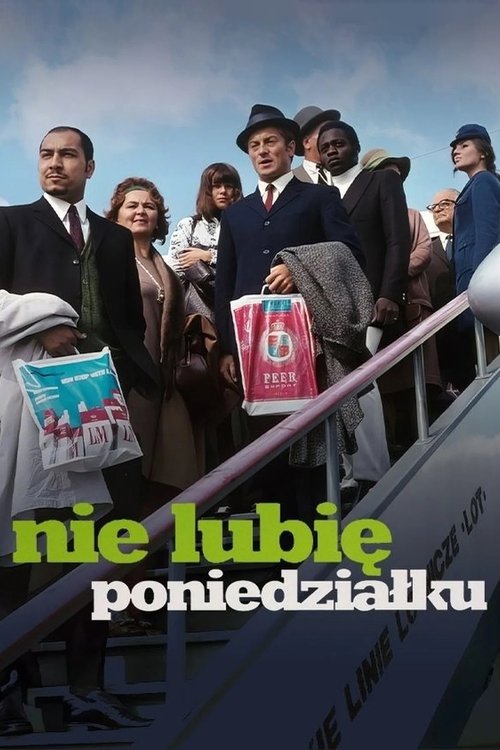
An acute case of Mondayitis in Warsaw. Interwoven stories of a few inhabitants of Warsaw, including one very unlucky Italian on a governmental mission and a charitable Polish American.
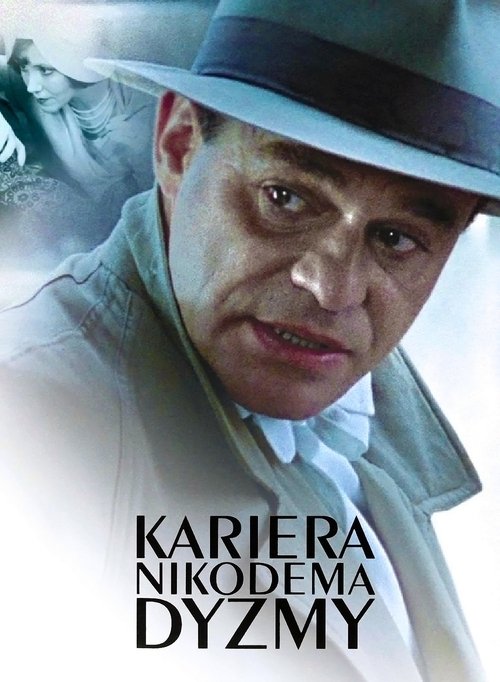
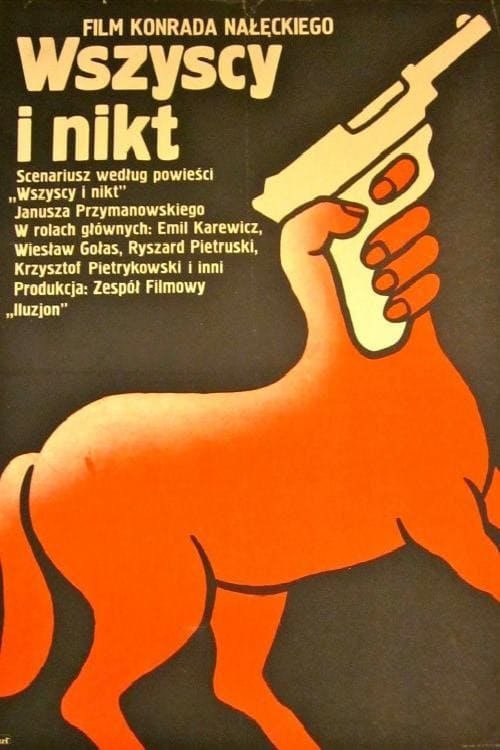
Nikodem Dyzma immigrates from the eastern part of Poland to the capital in the hope for possibilities to make a living. He is in need, very poor and forced to look for basic food and shelter. Yet, on a day when an unexpected invitation appears, his life changes dramatically.
No description available.
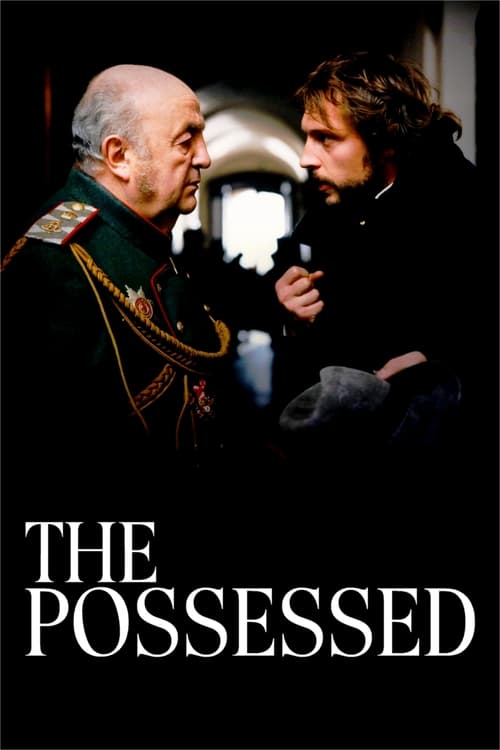
Russia, 1870. A group of young anarchist revolutionaries set out to overthrow the Czarist regime through violence. Their attacks create a climate of psychosis and mutual distrust among the population, but in reality, both revolutionaries and repressors are being manipulated by a diabolical individual.
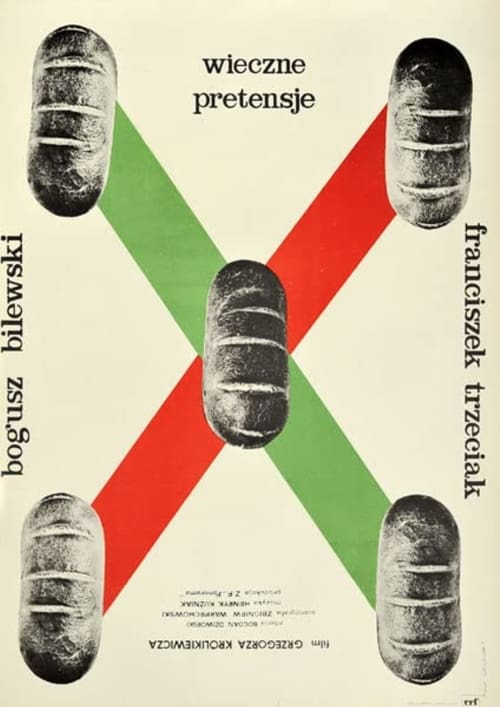
Michał Kopera has an accident at work. His relatives visiting him at the hospital are more interested in his account than in his health.
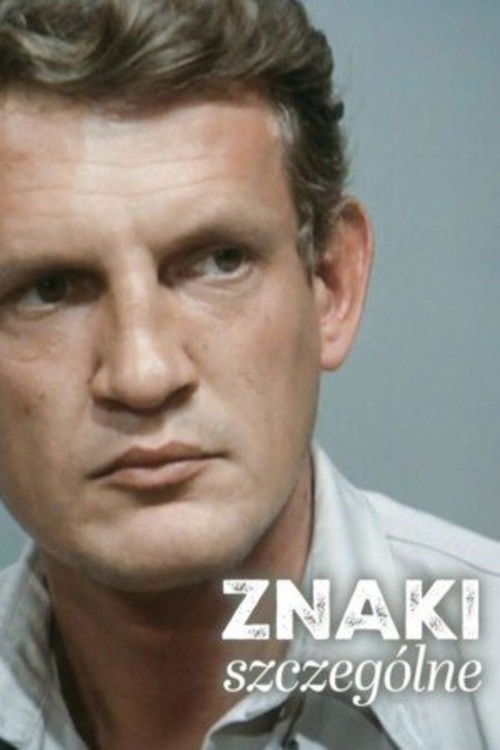
Franek, a petty criminal and gambler, befriends Rysio, who performs inspections of meat plants. Rysio suspects wrongdoings at the slaughterhouse. Franek, despite his age, cannot find a place in life, with nothing achieved and, what's more, still not knowing what to do.
Engineer Bogdan Zawada moves to the construction of a port on the Baltic Sea. The man tries to arrange his personal and professional life in a new environment.
Rumsza, the elderly railwayman, leading a sedate life with his wife, misses his only remaining son (two older boys were killed in the war). Joziuk finally returns from the military in the first scene but with the pregnant Zosia, while Rumsza expected him to marry Celinka, the daughter of Krywka, his only friend and neighbour. The hero will not accept the new situation; he throws his son and Zosia out of his house. Celinka is distressed but she still harbours hope for Joziuk. The birth of the child changes the situation: Rumsza accepts his son's relationship but Celinka decides to leave.
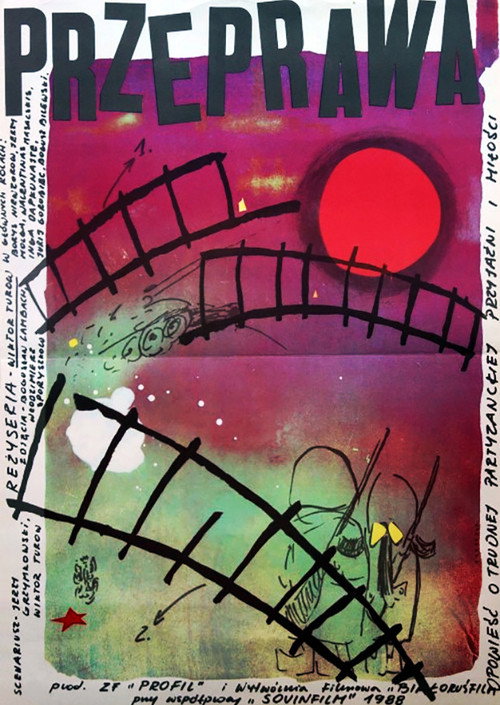
WWII. Joined forces of Polish and Russian partisans (despite they are in conflict) stand against German Sturmwind I & II actions.
A young nurse only has one ampule of medicine. She is faced with the dilemma of which of the two patients to save.
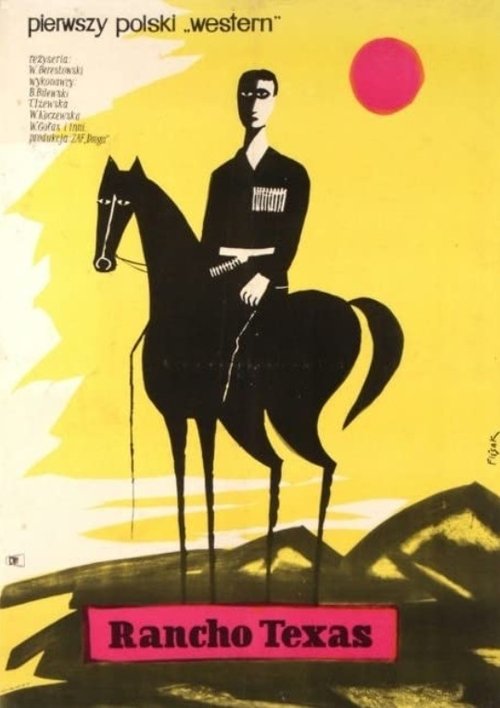
Two zootechnics students, Jacek and Marek, come to the Bieszczady (it's the Polish "Wild West"). Looking for a holiday adventure and income, they become "cowboys" on local cattle grazing. Instead of the expected romantic adventures and the male, hard life, their boredom is becoming their share. Only when Jacek gets a stallion Szaga, things take a different turn.
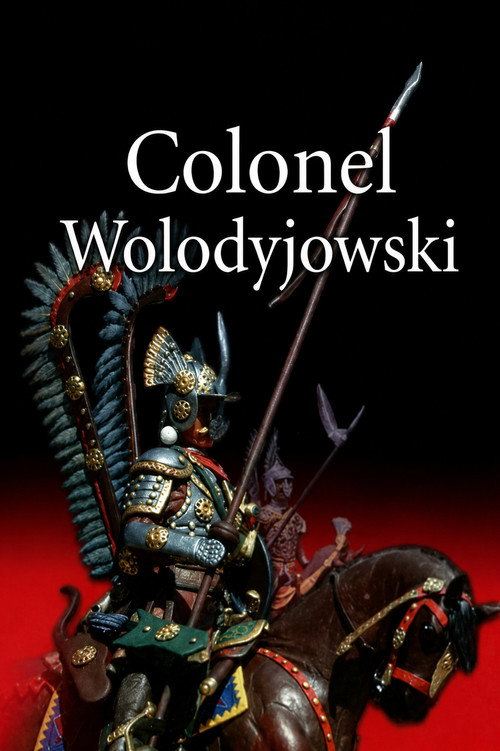
In 1668 Polish colonel Michał Wołodyjowski, who recently retired to a monastery, is recalled to active duty and takes charge of Poland's eastern frontier defenses against invading Tatar hordes and Ottoman armies.
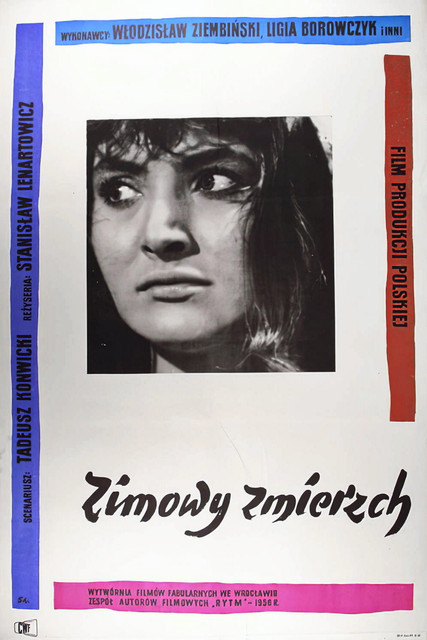
Study of a man obsessively seeking revenge.
Jan comes to a mountain town to test a new model of a hang-glider. There he meets a young teacher.
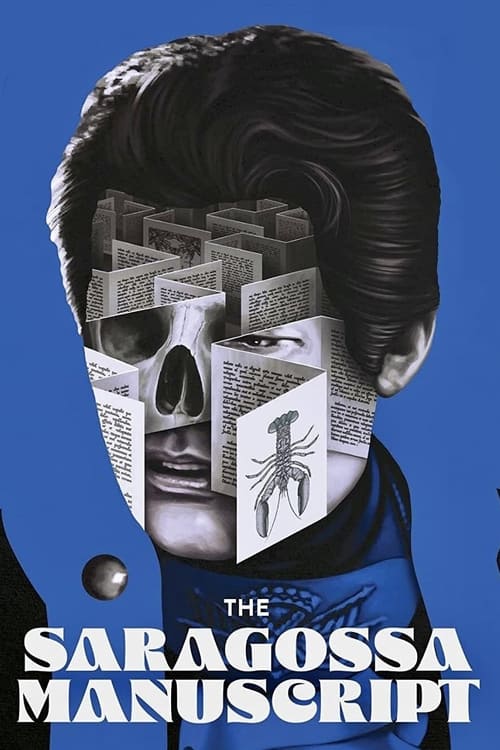
During the Napoleonic wars, a Spanish officer and an opposing officer find a book written by the former's grandfather.
City Bieszczady Mountains, 1946. Seven soldiers stop in a small town where should take place a wedding...