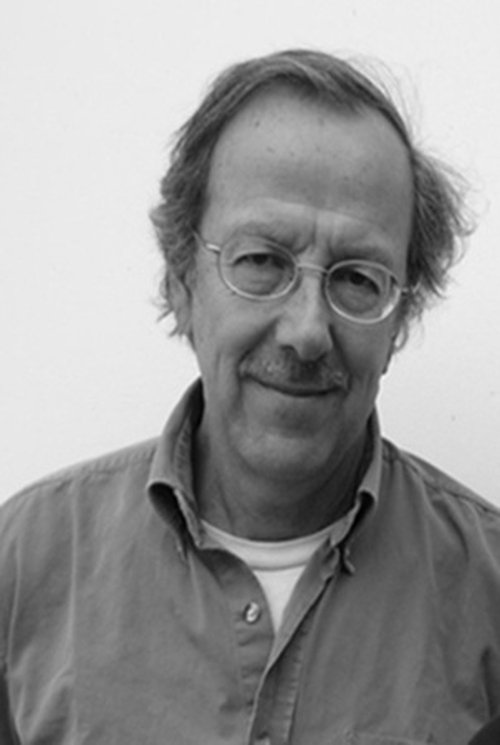
Guillermo Escalón
Directing
Biography
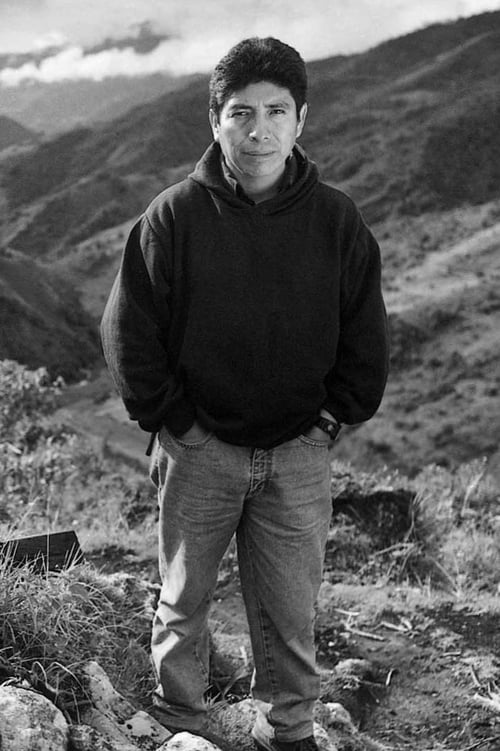
Guillermo Escalón (b. 1950) is a Salvadoran film director, cinematographer, and producer. Escalón joined the theater group El Taller de los Vagos in 1969 and collaborated with the likes of José David Calderón, Alejandro Cotto, and Baltazar Polío. With the escalation of the political conflict, Escalón immigrated from El Salvador to France, where he graduated in Philosophy and joined a television crew. With his experience in professional filmmaking, Escalón returned to El Salvador and cemented himself as a key figure in the Salvadoran guerrilla film movement.
Known For

Fernanda, a 19-year-old Brazilian trans woman, travels to Milan and becomes a sex worker to finance her sex change operation.
Princesa

This film aims to describe the agony of a biology teacher who finds himself in a place of limits, at the edge of life and death. Set in the years just prior to El Salvador's civil war, years in which teachers were targeted and brutalized.
Intertidal Zone

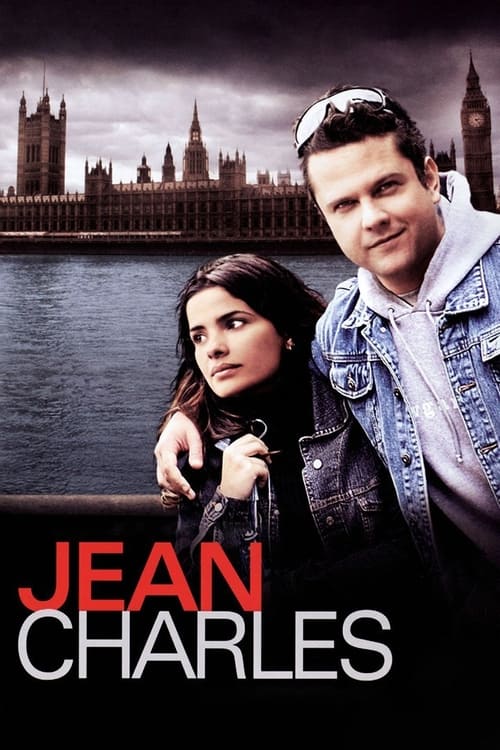
The tragic true story of Jean Charles de Menezes, the innocent Brazilian shot dead by British police in 2005 at the height of the London terrorist alerts.
Jean Charles

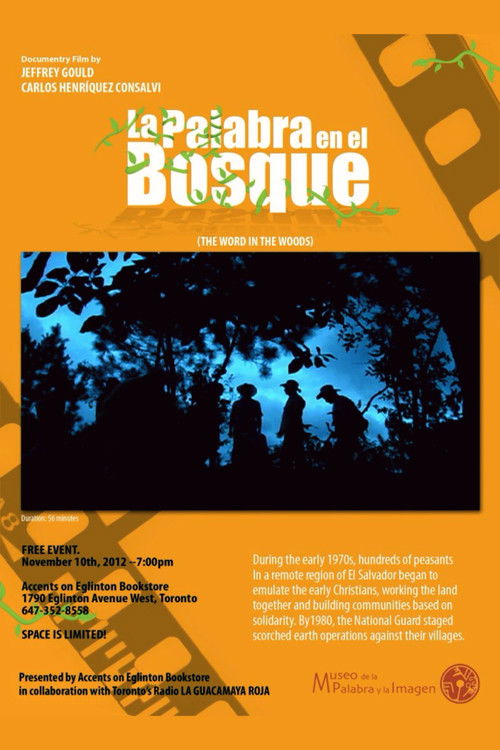
During the early 1970s, hundreds of peasants in a remote region of El Salvador began to emulate the early Christians, working the land together and building communities based on solidarity. By the late 1970s, thousands of peasants in northern Morazan organized to resist National Guard repression which often involved torture and executions. In 1980s, the military engaged in scorched earth operations against their villages, inaugurating a 12-year civil war. The Word in the Woods tells their stories. The film's protagonists must reflect upon their struggles in the light of current reality.
The Word in the Woods

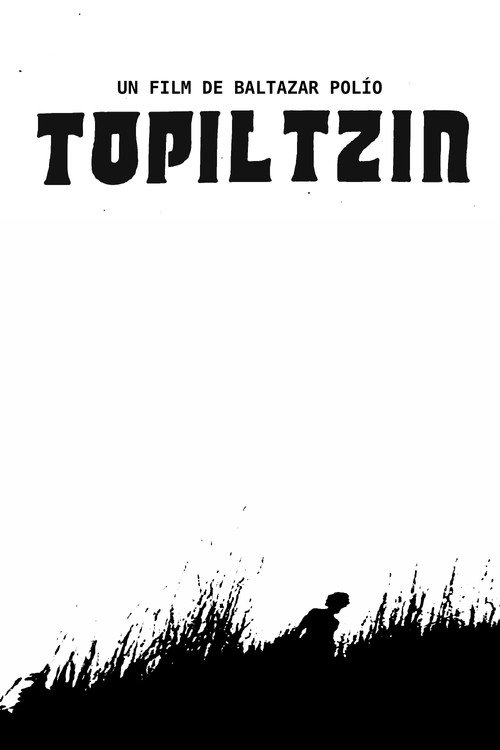
An experimental short film about a day in the life of a barefoot boy who sells newspapers in San Salvador.
Topiltzin

This documentary juxtaposes scenes of El Salvador's opposition factions, including U.S. government advisors and government troops, and guerrillas and their sympathizers.
Tiempo de audacia

A young Spanish writer inherits a home in the Guatemalan rainforest, only to become wrapped up in a land war, touchy local politics... and murder.
What Sebastian Dreamt
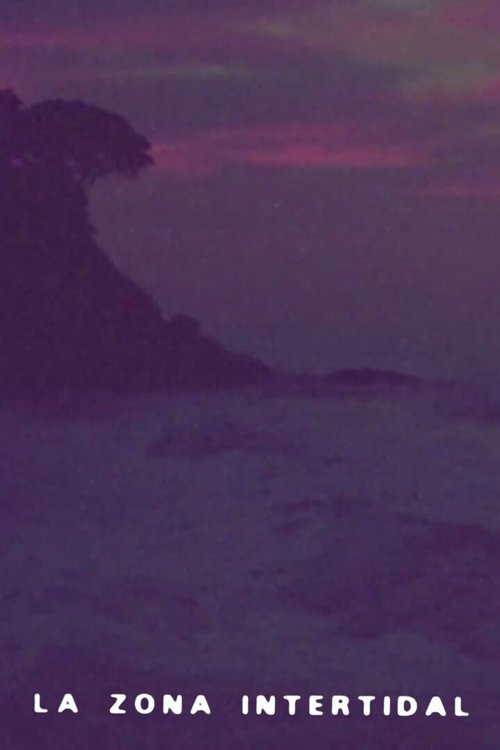
La Zona Intertidal was made at a time when terrorist acts from both state and paramilitary were the order of the day in El Salvador and shaped the global perception of the country. Instead of the agitprop montages that characterized the political cinema of Latin America in the 1960s and ‘70s, this film is dominated by a feeling of deceptive calm: a beach, lapping waves, a man reading in a hammock, two men in conversation... The violence that breaks into these scenes is hinted at more than it is depicted. Only a closing text panel dedicating the film to the murdered teachers of El Salvador establishes a clear political context. LA ZONA INTERTIDAL was shown at the Short Film Festival Oberhausen in 1982 and awarded one of the main prizes by the International Jury. The festival program listed a “Grupo los Vagos” as the author of the film, a four-member collective that had begun working together in 1969 as the theater collective Taller de Los Vagos and later switched to the medium of film.
Intertidal Zone

Alejandro Cotto, a pioneer of Salvadoran cinema, celebrates his 63rd birthday in Suchitoto while the youth celebrate the end of the civil war. He speaks with Escalón about the struggles faced by Third World filmmakers, the horrors of war, the fate of his village, and the pursuit of his dreams.
Alejandro

The folkloric Dance of the 24 Devils sheds new light on the reality of Guatemala. The Devils reveal a strong antagonism, both contemporary and mythological: they've declared war on humanity and have set out "to capture all souls", while Death heralds the end of mankind! Combining lyricism, realism and irony, The Devil's Dream explores the soul of this paradoxical country. We discover not only the beauty of the landscape, the people and their creative imagination, but also the wretched conditions of life, the spectre of violence, and a pervasive sense of the absurd. Guatemala is a society split between native and non-native, rich and poor, civil and military. Native people pick cotton for two dollars a day, their children work for half that amount. Those who dare to protest risk their lives. In this documentary, the people tell the story in their own words.
The Devil's Dream

No description available.
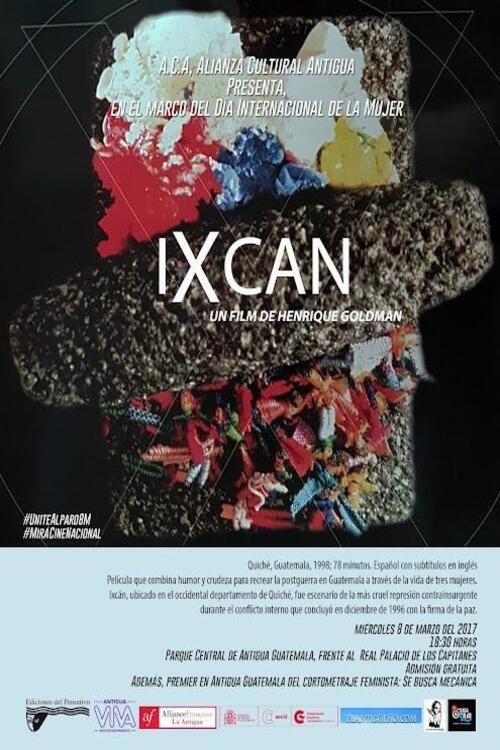
Ixcán

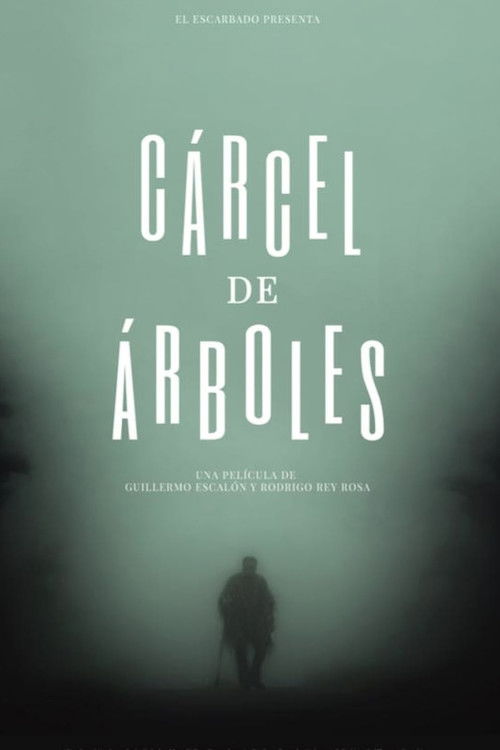
Rodrigo Rey Rosa, a Guatemalan writer, depicts a dream about cells in trees in a short story. Years later, he discovers an internment camp in the jungle of his native Guatemala, a camp that embodies this unsettling idea, brought to life by a doctor.
Cárcel de árboles

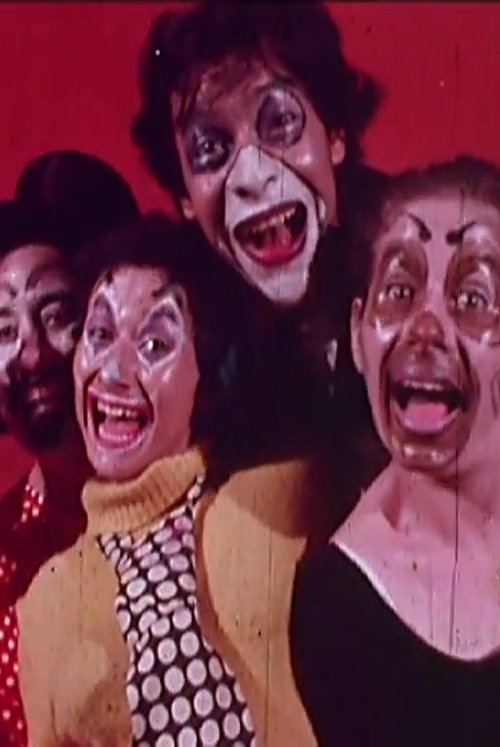
An experimental short film centering on a circus performance in San Salvador.
El Gran Debut

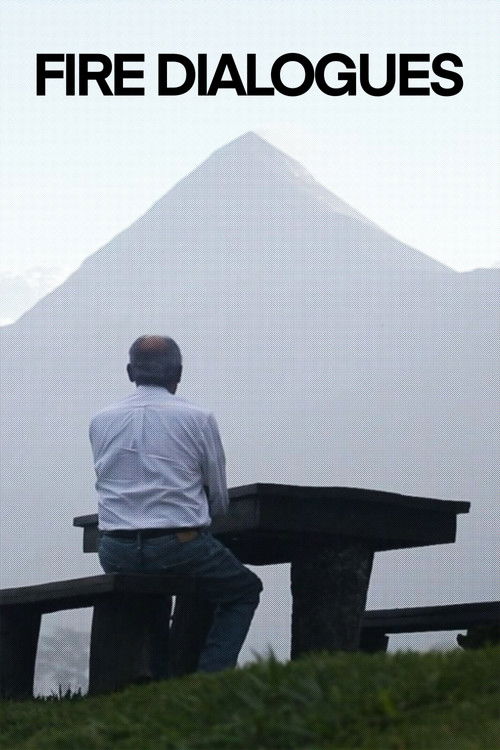
Filmmaker Guillermo Escalon and composer Igor Gandarias are in residence at EMPAC to record the Hudson River journey of Beatriz Cortez’s sculpture Ilopango, the Volcano that Left, for a forthcoming film (2024). The sculpture will sail up the Hudson River by boat from its exhibition at Storm King Art Center to EMPAC for the opening of Shifting Center, where it will be installed for the duration of the exhibition. Shifting Center also features Escalon and Gandarias’ film Rapsodia.
Fire Dialogues

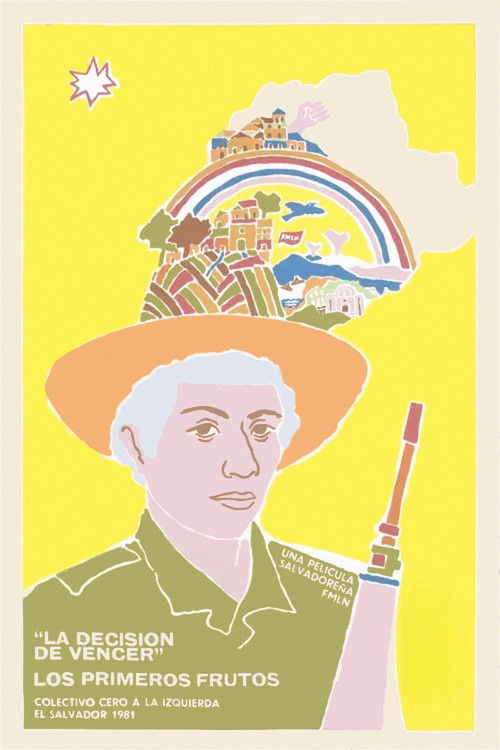
Filmed by Guillermo Escalón in July 1981, it shows daily life in territories under guerrilla control in the Francisco Sánchez Northeastern Front, Department of Morazán,
La decisión de vencer (Los primeros frutos)

Two paths cross on a descent into Guatemala's past: that of Mateo Pablo, a Maya survivor of one of many massacres committed by local government troops, and Daniel Hernández-Salazar, a concerned Guatemalan artist and photographer. Together they travel to a remote site in the highlands where the community of Petanac once stood. The bones found there by archaeologists tell a mute story of agony.
Haunted Land

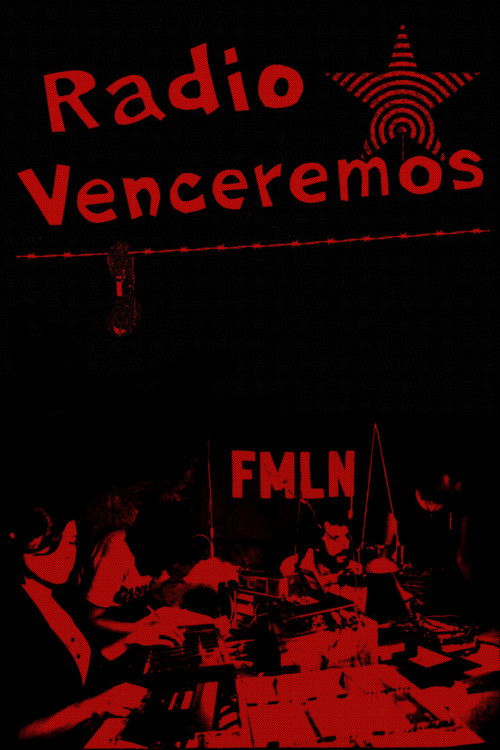
A documentary about Sistema Radio Venceremos, an underground radio network of the anti-government Farabundo Martí National Liberation Front (FMLN) during the Salvadoran Civil War. The station specialized in ideological propaganda, acerbic commentary, and pointed ridicule of the government. The radio station was founded by Carlos Henríquez Consalvi (Santiago).
Radio Venceremos

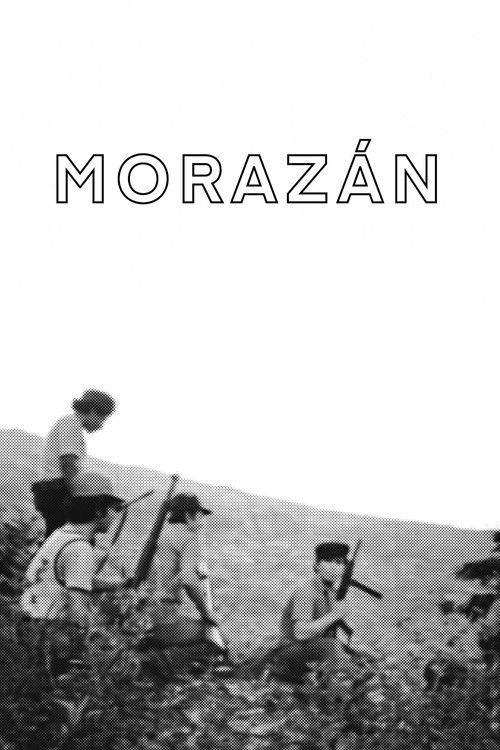
The central objective of the documentary is to show the social situation of the peasant communities in the department of Morazán. The documentary emphasizes military training and the development of war devices in the newly formed guerrilla camps.
Morazán

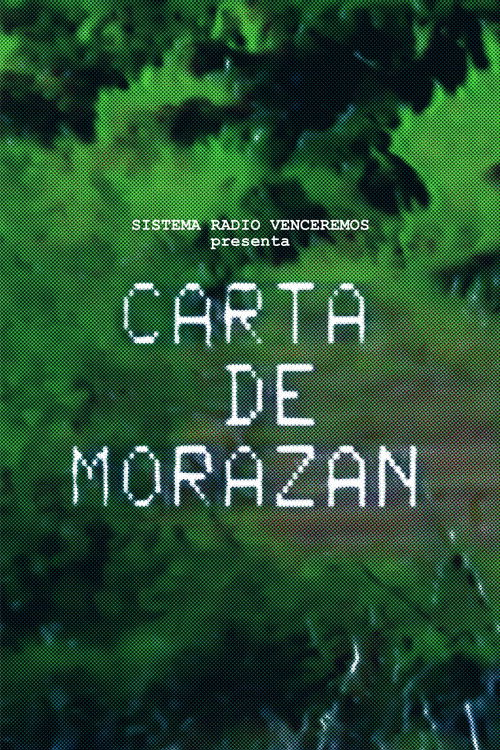
Cinematic documentary made in 1982, which reveals the life and organization of some camps in the eastern zone of El Salvador. It shows images of combat, guerrilla training, and special forces, forms of political propaganda in cities like Ciudad Barrios, as well as meetings of leaders of the General Command and an interview with General Castillo, Deputy Minister of Defense at the time.
Carta de Morazán
In July 2005 a huge explosion in the Guatemalan Capital leads to the discovery of the historic archive of the National Police. On the grounds of the today's Police Academy used to be located the island, the secret prison of notorious National Police squads.And here millions of documents appeared. Aided by an extraordinary visual end emotional interaction, the film traces the story of a tragedy and finds prove for inconceivable atrocities committed by the Security Forces. It is also a movie about a young generation of archive workers willing to free their society from the stranglehold of its own history.