Acting
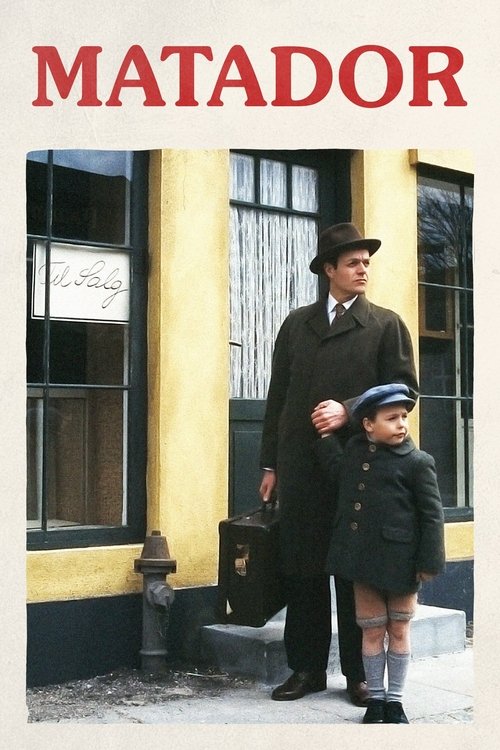
Matador is a Danish TV series produced and shown between 1978 and 1982. It is set in the fictional Danish town of Korsbæk between 1929 and 1947. It follows the lives of a range of characters from across the social spectrum, focusing specifically on the rivalry between the families of two businessmen: The banker Hans Christian Varnæs, an established local worthy, and social climber Mads Skjern, who arrives in town as the series opens. The name Matador was taken from the localised edition of the boardgame Monopoly, also the series' tentative English title. In addition, in contemporary Danish a "matador" is often used to describe a business tycoon, in the series referring to the character of Mads Skjern and his craftiness as a self-made entrepreneur. Directed by famed Danish film maker Erik Balling, Matador was the idea of author Lise Nørgaard who wrote the bulk of the episodes alongside Karen Smith, Jens Louis Petersen and Paul Hammerich. The series is one of the most well-known and popular examples of Danish television and represents the peak of longtime development of Danish TV drama by the public service channel Danmarks Radio. The series has become part of the modern self-understanding of Danes, partly because of its successful mix of melodrama and a distinct warm Danish humour in the depiction of characters, which were portrayed by a wide range of the most popular Danish actors at the time; but also not least because of its accurate portrayal of a turbulent Denmark from around the start of the Great Depression and through Nazi Germany's occupation of Denmark in World War II.
Doctor Glas finds himself attracted to a young woman, married to a corrupt clergyman. She's miserable in her marriage, so he agrees to help in anyway he can. But he is quickly torn between passion and morality.
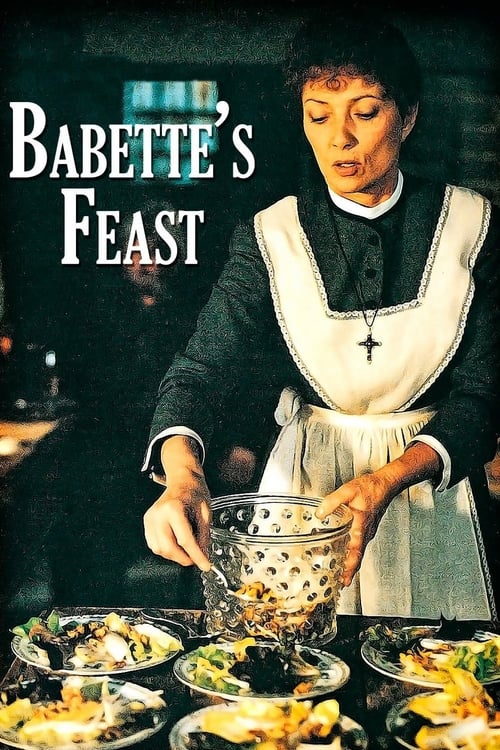
A French housekeeper with a mysterious past brings quiet revolution in the form of one exquisite meal to a circle of starkly pious villagers in late 19th century Denmark.
No description available.
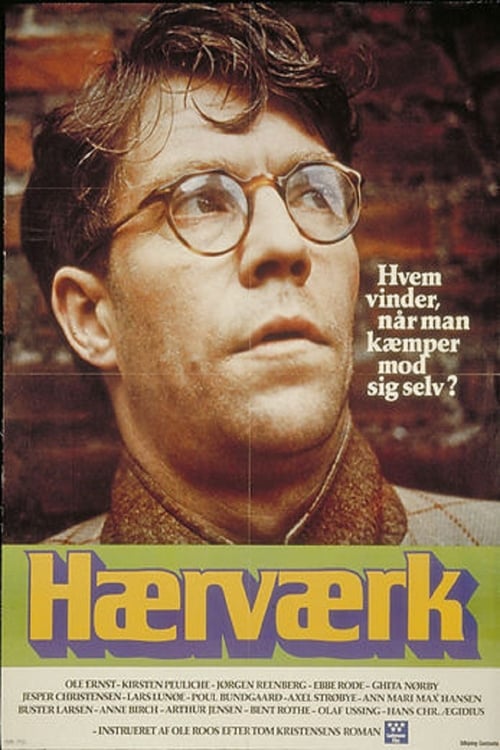
Based upon the novel "Hærværk" by Tom Kristensen about the self destructive person. The literary reviewer Ole Jastrau chooses to free himself from his well-ordered middle class life. He allow the seriously left-wing writer Steffensen move in with himself which soon causes disintegration of his home an marriage.
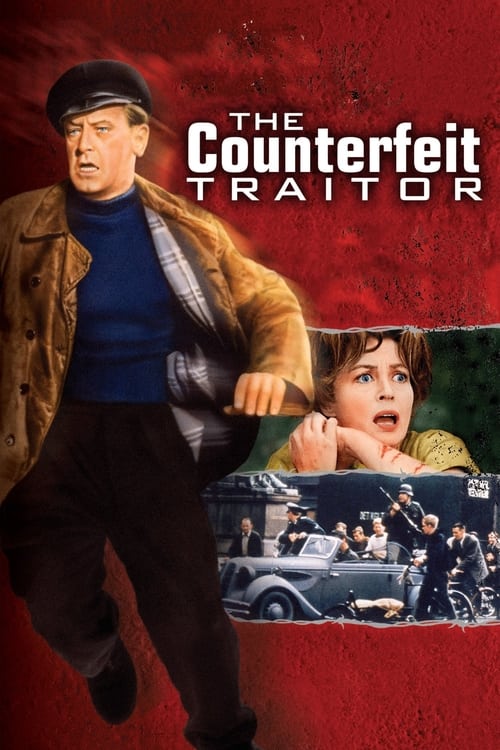
Blacklisted in modern day WW2, a Swedish oil trader opts to assist British Allies, by means of infiltrating and surveying Nazi Germany.
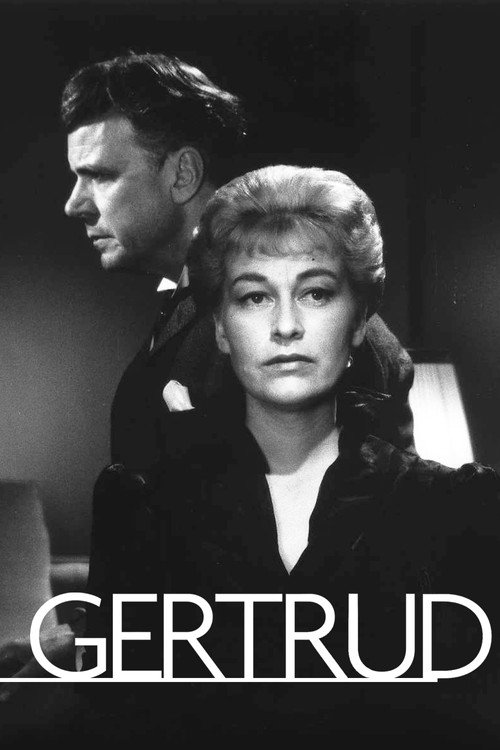
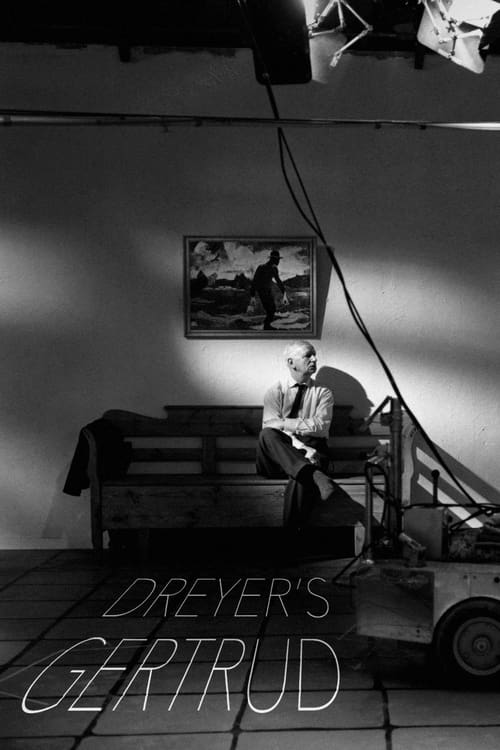
Hopeless romantic Gertrud inhabits a turn-of-the-century milieu of artists and musicians, where she pursues an idealized notion of love that will always elude her. She abandons her distinguished husband and embraces an affair with a young concert pianist, who falls short of her desire for lasting affection. When an old lover returns to her life, fresh disappointments follow, and Gertrud must try to come to terms with reality.
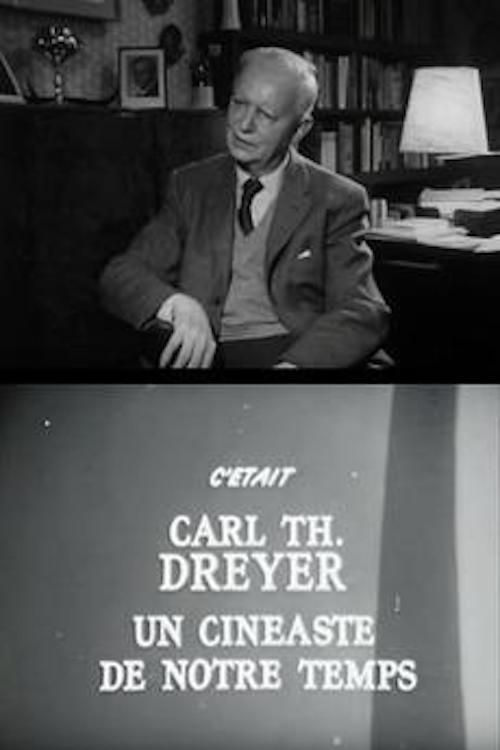
Documentary about the making and reception of Carl Th. Dreyer's final movie, "Gertrud."
Social democracy propaganda film about future dreams for Denmark in 1960. Although Denmark is free again, the former opponent and worker, Svend, is disillusioned: "It is all something soft". The dream of the future is incarnated by a young woman, Karen, who shows Svend the visions of a better life in the 'youth's land'. There are homes and a nuclear-powered car for everyone.
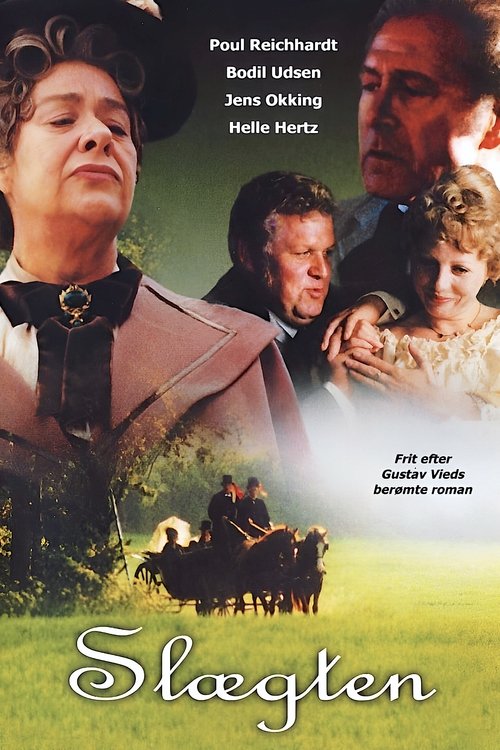
Anders Refn's film adaptation of Gustav Wied's novel stars Jens Okking and Helle Hertz in the leading roles as Baron Helmuth and his wife Alvilda. The baron is deeply enamored with his wife, but she is repelled by his blunt and coarse nature and is drawn to her cousin, who fulfills her desire for passionate romance.
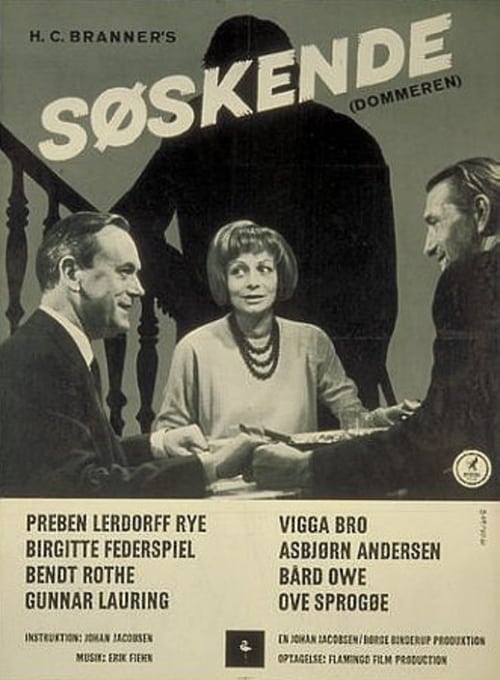
Three siblings see each other again after many years at their father's deathbed. The eldest, Arthur, a lawyer, has everything under control – or so it seems, as the middle child, Irene, is struggling with her abusive husband, while little brother Michael is the outsider, living a sleepless life of booze and prostitutes. When their father is close to death, the three are called together, and a major family drama unfolds in their father's living room. Gradually, they agree that they should stand together instead of arguing about old affairs. But when their sick father suddenly falls down the stairs, it is as if all good intentions fall to the floor again.
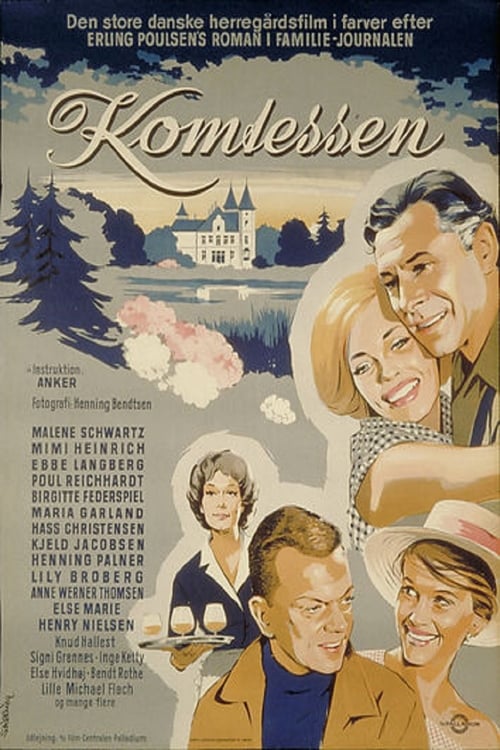
In the village Karrild, the Countess Sonia Hardenborg and a young unmarried woman, Marta, give birth to a daughter on the same day. Marta dies after birth, so Marta's daughter, Betina, come under the care of the countess. 17 years later, Betina and Countess Sonia's daughter, Maria, meet, as Betina is living in a home for orphaned girls, which is adjacent to the Hardenborg estate. The two girls become friends, and Maria invites Betina to visit her at Hardenborg, to greet her parents Sonia and Otto Hardenborg and her brother Count Flemming. Meanwhile, Betina's father, Frank Jensen, starts working in the estate's woods, and when the two girls come to visit him, he is shocked by the resemblance between the young countess and Betina's mother Marta.
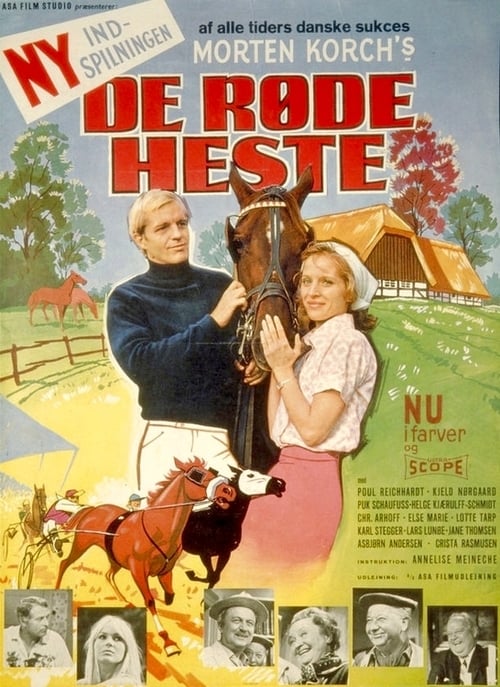
The young and spirited farmer Ole Offor takes over the Enekær farm on Zealand, along with its stud farm and enormous debt. At the same time, he marries Bente, the daughter of the farm's former owner. Although it is initially a marriage of convenience, the young couple develop strong feelings for each other, and together they take up the fight against debt, Bente's evil stepmother, and her nasty lover, riding master Wilders.
In a hospital's five-bed room—room number 13—there are five very different men with very different backgrounds: District Court Judge Winther, fashion designer Philip André, bank teller Madsen, the incorrigible burglar Herluf "Smukke Arne" Jensen, and legation secretary Konrad Konradsen. The legation secretary has done something foolish and fallen into the clutches of the blackmailer Helmer Gamtofte. He is in possession of some compromising photographs, which he keeps in a safe deposit box at the bank where Madsen works. The camaraderie that develops in room 13 becomes the driving force that prompts the district court judge to suggest that "Smukke Arne" help Konradsen break into the bank and steal the photos.
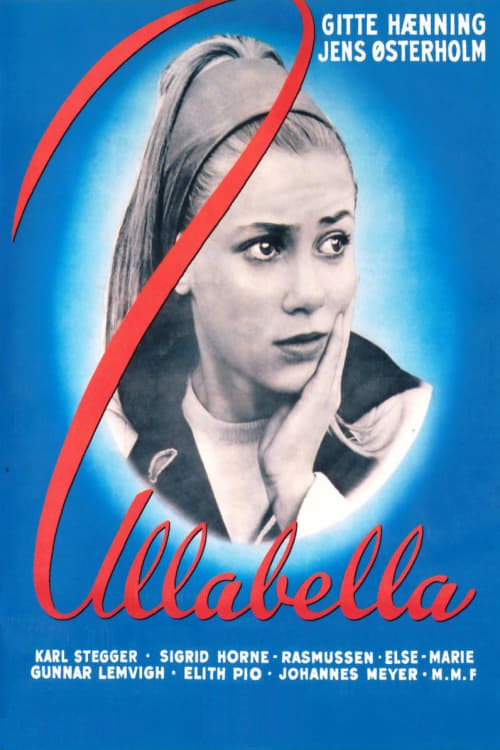
Ullabella is a dreamy teenager who is in love with her teacher. But one day, when she refuses to do as he says, he slaps her. Ullabella tells her family about it, and then the case begins. Ullabella's mother and uncle, who is a politician, take the case all the way to the political level and demand at least an apology from the teacher. He refuses to give one, but a solution to the case is found nonetheless.
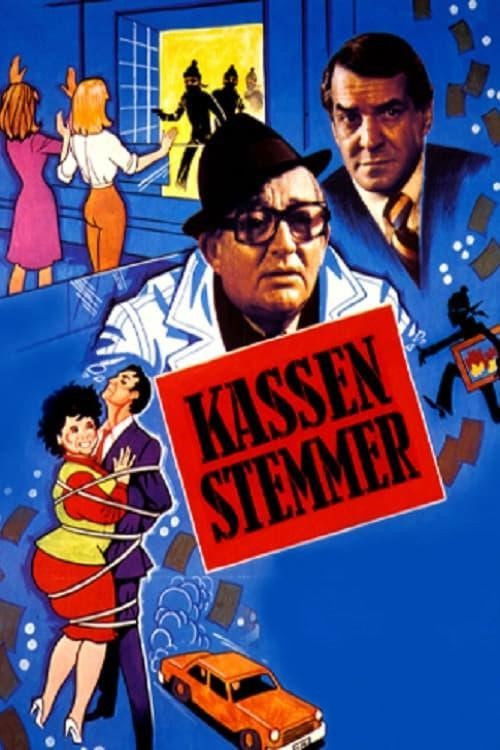
Three young men discover a scam that three somewhat older gentlemen from Aarhus' upper class have set up to avoid bankruptcy. The gentlemen directors have both accounts and safe deposit boxes at the bank branch where one of the young men works, so it seems only natural to give the swindlers a taste of their own medicine, so to speak. The situation is further complicated when a journalist gets wind of the double heist and wants his share of the pie.
After his girlfriend is killed in an automobile accident, a man decides the best revenge on those responsible is to murder their loved ones.