Lis Løwert
Acting
Known For

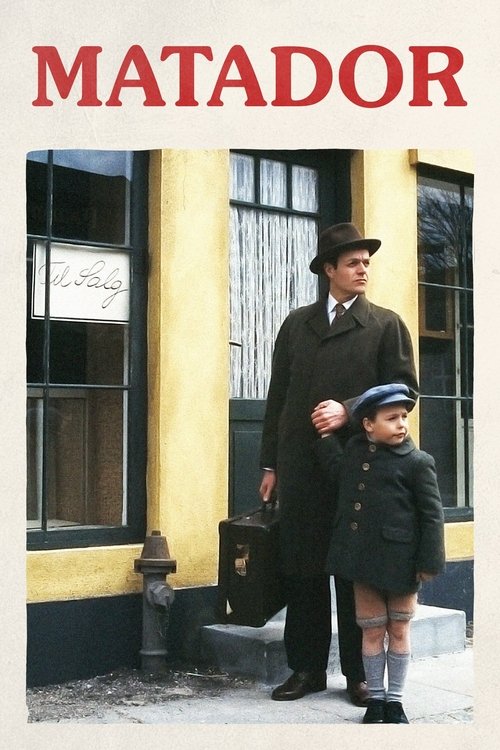
Matador is a Danish TV series produced and shown between 1978 and 1982. It is set in the fictional Danish town of Korsbæk between 1929 and 1947. It follows the lives of a range of characters from across the social spectrum, focusing specifically on the rivalry between the families of two businessmen: The banker Hans Christian Varnæs, an established local worthy, and social climber Mads Skjern, who arrives in town as the series opens. The name Matador was taken from the localised edition of the boardgame Monopoly, also the series' tentative English title. In addition, in contemporary Danish a "matador" is often used to describe a business tycoon, in the series referring to the character of Mads Skjern and his craftiness as a self-made entrepreneur. Directed by famed Danish film maker Erik Balling, Matador was the idea of author Lise Nørgaard who wrote the bulk of the episodes alongside Karen Smith, Jens Louis Petersen and Paul Hammerich. The series is one of the most well-known and popular examples of Danish television and represents the peak of longtime development of Danish TV drama by the public service channel Danmarks Radio. The series has become part of the modern self-understanding of Danes, partly because of its successful mix of melodrama and a distinct warm Danish humour in the depiction of characters, which were portrayed by a wide range of the most popular Danish actors at the time; but also not least because of its accurate portrayal of a turbulent Denmark from around the start of the Great Depression and through Nazi Germany's occupation of Denmark in World War II.
Matador

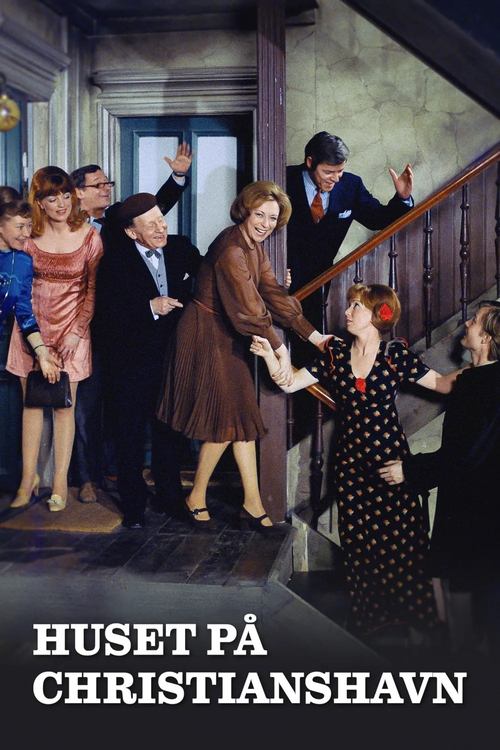
The series follows the residents of an apartment building on Copenhagen's Christianshavn, as they go about their daily lives and challenges. There is Olsen, a mover with an old fashion view of the world, Clausen who runs the local pet shop, Egon the career focused assistant, their wives who work hard to keep their spouses lives together, the young couple Tue and Rikke who recently moved in, the hard working caretaker Meyer, who never puts in to much effort, and of course Emma, the innkeeper of Rottehullet, where all the important decisions are made while running up the bar tab. The series was produced by Nordisk Film for Danmarks Radio TV station between the years 1970-77. The series' first director was Ebbe Langberg, then Erik Balling and Tom Hedegaard respectively. The series was conceived by an author team of well-known Danish authors such Leif Panduro, Benny Andersen, and Lise Nørgaard.
The House at Christianshavn

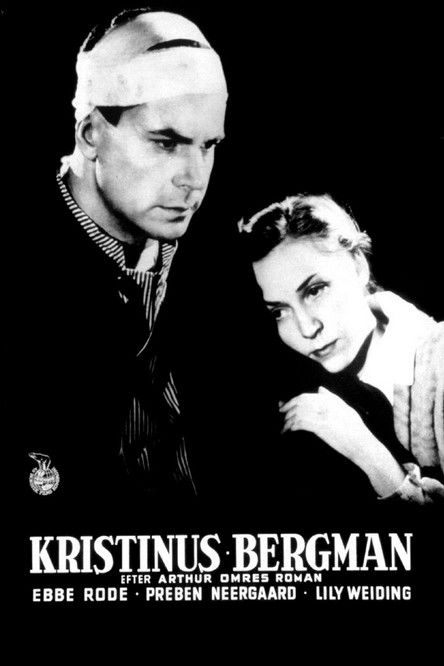
Danish noir crime drama with a poetic nerve. Two boys, Kristinus and Jakob (Rode and Neergaard) experienced a loveless and abusive childhood. Now as grown-ups, they are acting outside the law.
Kristinus Bergman

Since her husband's death, Mrs. Tang has lived and worked exclusively for her two children, Erik and Ester. They are her whole world; her entire existence revolves around them, even though they have long since grown up and now want to live their own lives. Her son is a journalist, and her daughter works at a law firm.
En kvinde er overflødig

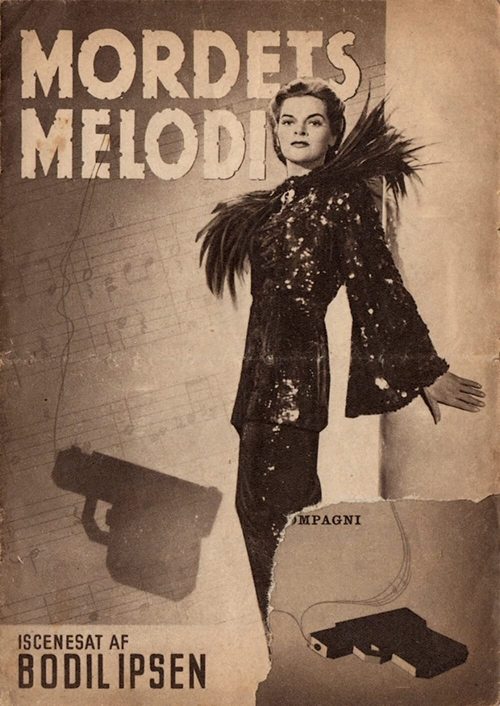
A woman is found strangled in her shop. Shortly after, another murder is committed. Perhaps the most terrifying is that the both girls' name is Sonja. The police is convinced it's the same killer and at each scene is heard a woman singing the same song. A song which is soon dubbed the 'murder melody.'
Melody of a Murder

True story of three British POWs and their attempt to escape from Nazi Germany
The Wooden Horse

We are in a small Heurigen-Café in Vienna. The young singer Fritz Hertzgruber meets a young Danish writer, Jesper Ellekilde, and the two young people become friends immediately. Fritz has been to Denmark as a "Viennese child" and is now an enthusiastic member of the Viennese children's own club. The following evening, the club's annual draw for a trip to Denmark takes place, and Fritz is the lucky one - albeit by detours. Fritz and Jesper are accompanied to Denmark, where Fritz is very much looking forward to the reunion with his foster parents, the composer Emilius Andersen and his wife. They were the sweetest people to their Viennese child, and their home stands in Fritz's memory as the epitome of idyll and harmony.
Wienerbarnet

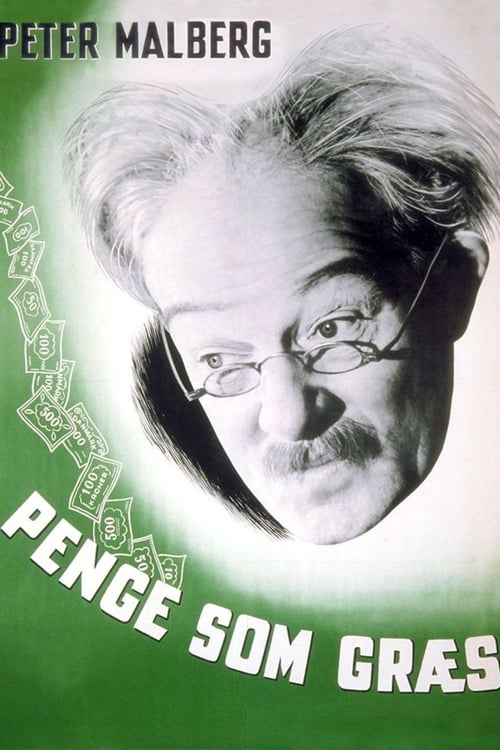
The heavy prison door in Vridsløse opens, and freedom beckons once again to counterfeiter P. Krone-Strøm. He has served an eight-year sentence, but believes it was a miscarriage of justice. He was one of the many who could not find employment during the crisis years of the 1930s in Denmark. Now he is once again in contact with the world outside the prison walls, but conditions have changed completely during the years he has spent in isolation. Now it is not money that is lacking in society, but labor and goods.
Penge som græs

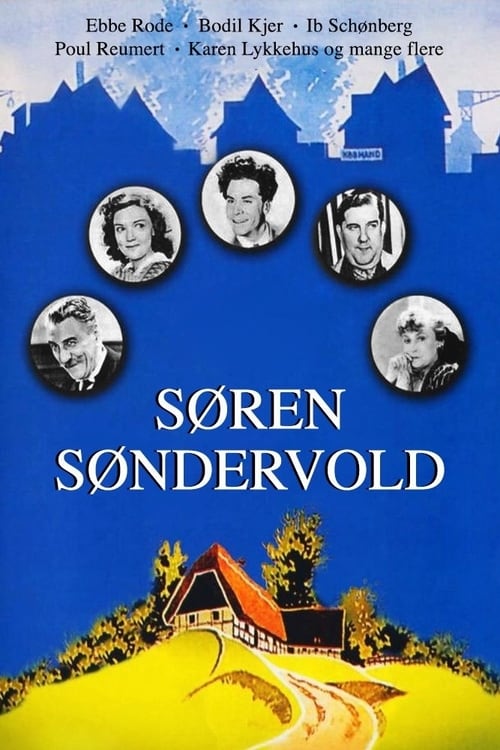
Søndreø is a small, peaceful island in one of Denmark's fjords, owned and run by the old farmer Lars Søndervold and his son Søren. But times are hard, and everything is not going as it should. The greedy, bragging merchant Anders Lundrup has used all means to gain possession of the island, and one fine day Søren and his old father must leave their ancestral farm and the island. Søren swears an expensive oath - he will earn so much money that he can one day buy the farm and the island back, and at the same time he swears revenge on Anders Lundrup.
Søren Søndervold

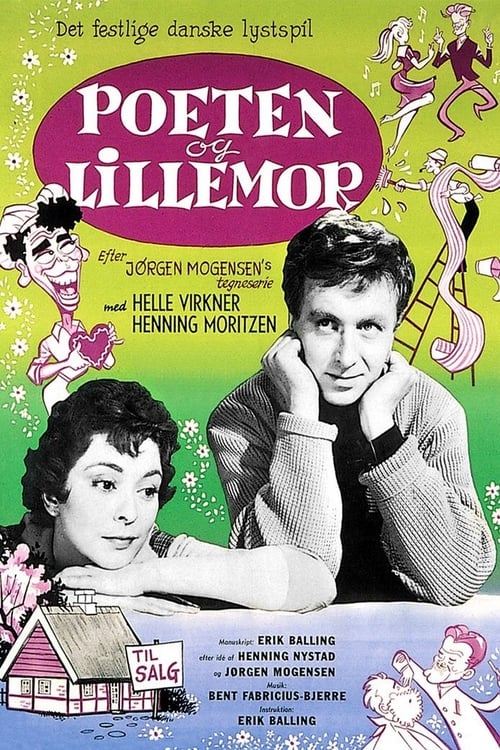
The poet is tired of spring and can't write anything. Meanwhile, Lillemor thinks that spring should be used to get a lot done. Soon, a conflict is brewing. The poet wants to buy a small car, and even though he has no financial sense, he goes ahead and does so without Lillemor's knowledge. She gets angry and wants nothing to do with the car, and this is about to have serious consequences, but thanks to the wise Lillemor, happiness prevails over common sense.
Poeten og Lillemor i forårshumør

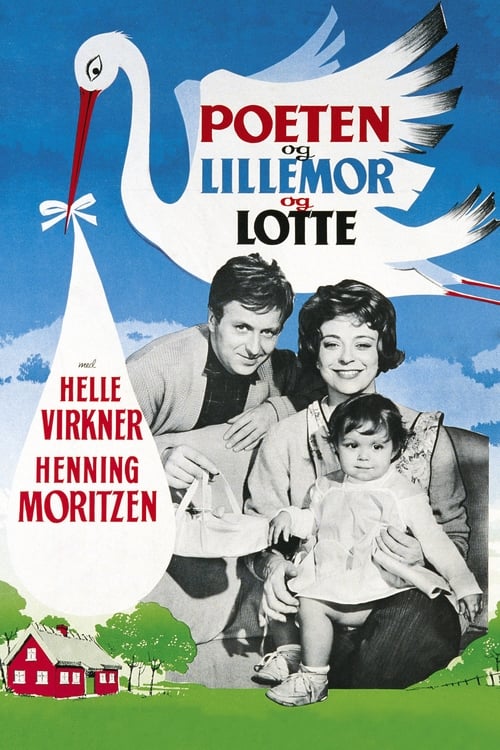
The poet and Lillemor have become parents, but poetry and washing the diapers are two subjects which are hard to unite under the same roof. The two just married couples, the barber Anton and Vera plus the baker and Lise, are having some difficulties with their marriages but that doesn't scare off the butcher, who's got the hots for the midwife.
The Poet and Lillemor and Lotte

Poeten and Lillemor are making their living on his writing, but the general interest in modern poetry is low and their income very small. A creditor is dogging them, when a sudden bequest gives them some breathing-space. They buy an old house in a small village, where living is cheaper than in Copenhagen. The villagers are distrustful towards the newcomers. After a while the baker, the butcher and the grocer won't give Poeten and Lillemor credit anymore. Also the old creditor is back dogging them. Should Poeten renounce his high poetical standards and write simple verses for popular music, to get money?
The Poet and the Little Mother

Tove (Bodil Kjer) is a modest and ordinary girl dreaming of winning the competition to become the next big movie star. She applies with a photo of her more beautiful sister Grete (Gerda Neumann). The competition, however, is already rigged.
En ganske almindelig pige

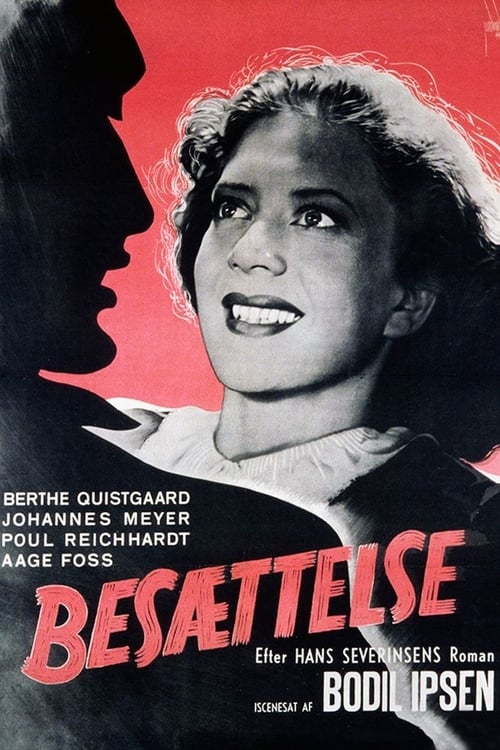
The middle-aged manufacturer Jens Steen is on his way to his summer house on the West Coast to relax. All alone. Meanwhile, 20-year-old Else Petersen is on the hook - and she is looking forward to a holiday with everything paid for. With classic womanizing, she gets in with Jens Steen, who becomes obsessed with her beauty and youth. But when the local Jutland bicycle mechanic turns up the charm, things start to get heated. And before long, Jens Steen has a scandal on his hands, which he can only do one thing to avoid. In 1944, Bodil Ipsen herself directed one of the few film noir dramas in Danish film history. Obsession is an excellent film about the extremes of emotion and the unbearable lightness of life.
Besættelse

Summer in the small market town of Stenvig equals life and good earnings for the city's shoppers. Love flourishes side by side with the urge to act, and especially the baker's daughter Susanne makes the young men's hearts beat fast. But when the infatuated Otto gets a little too close, it has major consequences for Susanne.
Susanne

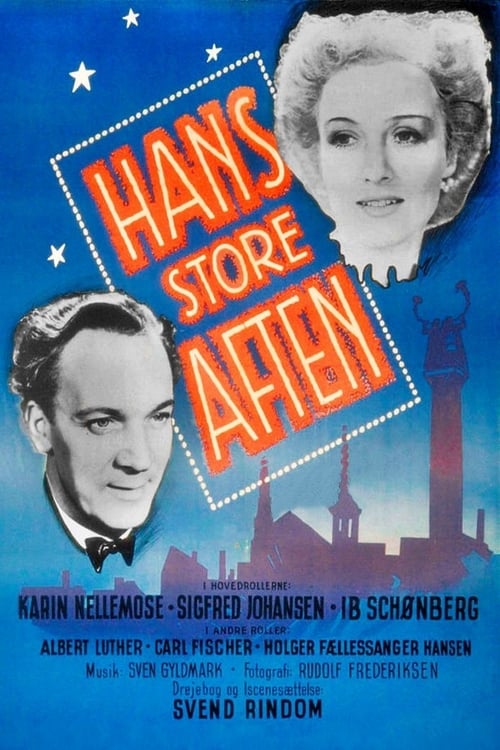
Young Jonas Tofte is a waiter in the theater café, but he is more than that; he is also a poet and has written a comedy that is about to premiere. With this, both he and his sweet little wife, Else, hope to be out of all the difficulties they have come to know so well. Once the premiere is over, all the bills will be paid, and Jonas can stop serving. But many difficulties still lie ahead for Jonas before the premiere is over.
Hans Store Aften

It's all about an anonymous little gray book originating from sexually advanced Paris. The book doesn't look like much, but shouldn't be judged by its cover. Wherever this book goes, something will happen. And for sure, this book goes around.
Adam and Eve

Residents of the old house are quite happy with their existence. But once they find out that the authorities plan to demolish the entire neighborhood including their house in order to build a business center they decide to unite and fight the plan...
Our Home Is Our Castle

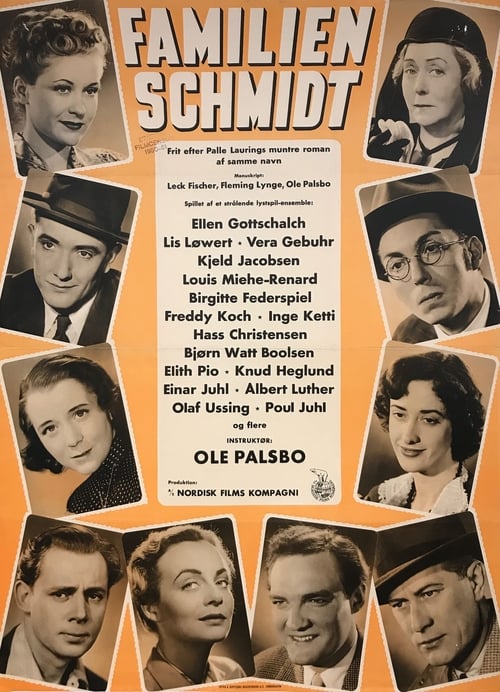
The bank is located in the square of a small, idyllic market town, and its manager, Anders B. Schmidt, is seriously ill in the town hospital. At the beginning of the story, he is quietly passing away. In the wealthy neighborhood of the market town, we find the bank manager's villa, which has been his pride and joy for many years. He leaves behind a deeply grieving widow and four adult children. It soon emerges that the respected citizen had a love affair before he got married, and this causes outrage.
Familien Schmidt

It centers on the character Helene Hannøe, an attorney who forms close relationships with her troubled clients while trying to solve their problems.