Acting
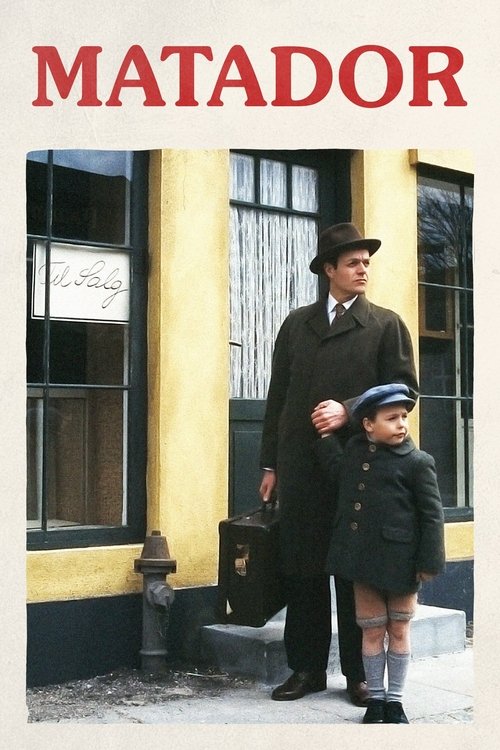
Matador is a Danish TV series produced and shown between 1978 and 1982. It is set in the fictional Danish town of Korsbæk between 1929 and 1947. It follows the lives of a range of characters from across the social spectrum, focusing specifically on the rivalry between the families of two businessmen: The banker Hans Christian Varnæs, an established local worthy, and social climber Mads Skjern, who arrives in town as the series opens. The name Matador was taken from the localised edition of the boardgame Monopoly, also the series' tentative English title. In addition, in contemporary Danish a "matador" is often used to describe a business tycoon, in the series referring to the character of Mads Skjern and his craftiness as a self-made entrepreneur. Directed by famed Danish film maker Erik Balling, Matador was the idea of author Lise Nørgaard who wrote the bulk of the episodes alongside Karen Smith, Jens Louis Petersen and Paul Hammerich. The series is one of the most well-known and popular examples of Danish television and represents the peak of longtime development of Danish TV drama by the public service channel Danmarks Radio. The series has become part of the modern self-understanding of Danes, partly because of its successful mix of melodrama and a distinct warm Danish humour in the depiction of characters, which were portrayed by a wide range of the most popular Danish actors at the time; but also not least because of its accurate portrayal of a turbulent Denmark from around the start of the Great Depression and through Nazi Germany's occupation of Denmark in World War II.
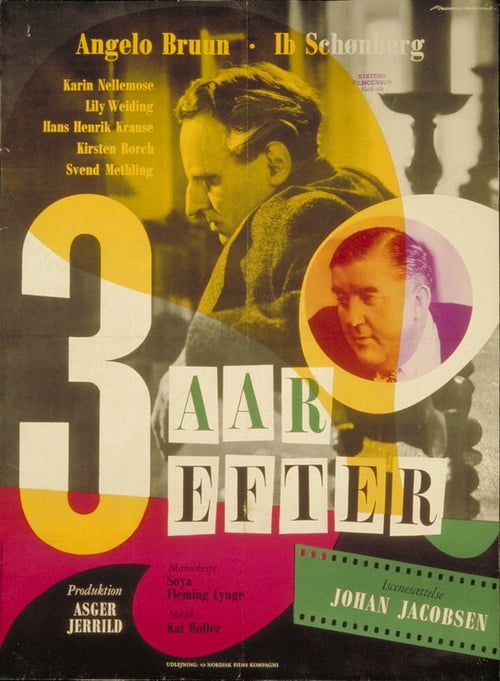
A crime-series in six parts. A woman has been killed in a apartment. The murder squad are on the case.
When the Swedes occupy a Danish manor house, Svend Poulsen decides to help the family to safety. Along the way, Ib is taken prisoner. Svend Poulsen and his gang pretend to be a platoon of Swedish soldiers arriving at the castle where Ib is chained to the roof. During dinner that evening, the Swedish commander becomes suspicious, and soon the soldiers are fighting each other. However, Svend manages to free Ib.
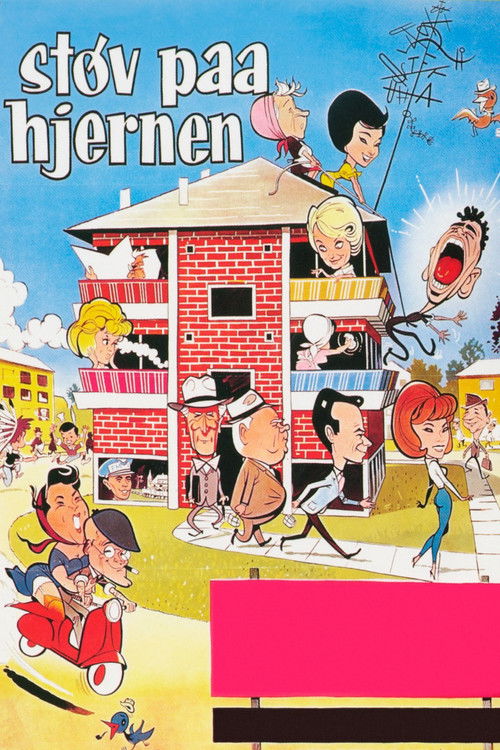
The story centers around the busybody housewives of a modern Danish working class neighborhood of the 1960's. A remake of the Norwegian comedy film from 1959.
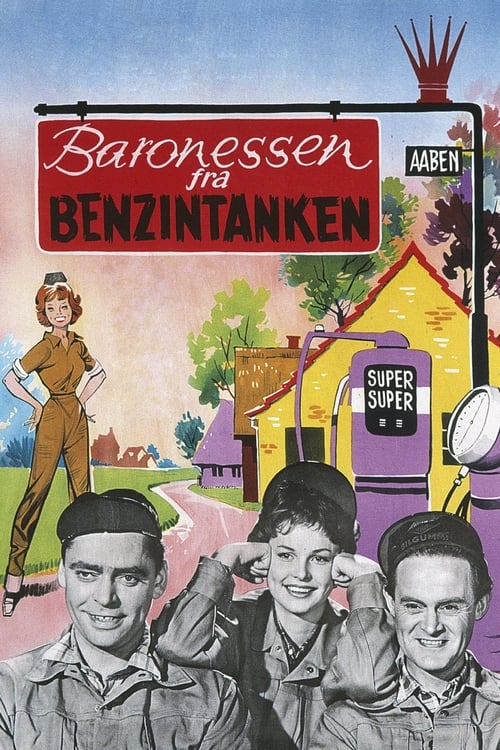
The film begins with Baron von Rosensteen's funeral. As Rosensteen has no heirs, the old Rosensteen Castle is to be inherited by the Rabenfeldt family. Supreme Court Attorney Berg visits the widow baroness about a document found among the papers of her son, the deceased baron. It turns out that the baron had a child out of wedlock with a non-noble woman. The widow baroness and the Supreme Court attorney decide to find the child, as this would mean that an heir to the castle had been found. The child turns out to be a girl named Anne Tofte, who works at a gas station with her uncle Lars Tofte and his colleague Hans Høy. They persuade Anne to live with the baroness for a while, which she is not very keen on. The widow tries to teach Anne to be a fine lady, rather than the tomboyish workshop mechanic her uncle had raised her to be.
When a man becomes tyrannical towards his family, the women of the house decide to teach him a lesson in gratitude.
Frederik makes various scams. As money is once again tight, Frederik and his wife Betty decide that they must go in new directions. Frederik dies and Betty cancels the life insurance. At first, things go very well for Betty. At the same time, Frederik is very jealous, which is why he decides to check Betty's relationship with men. Frederik appears as Frederik's brother, Carl. Carl and Betty have a few pleasant days together. Betty suspects that Carl is actually Frederik, but how could she know for sure. At the same time, the web begins to tighten around Carl/Frederik.
Marianne is a sales assistant at the elegant fashion boutique Chez Madame on Strøget. She is a wallflower, and when the wealthy man of the world John Bagger, one of the store's customers, invites her out on New Year's Eve wearing the store's most beautiful dress, she experiences it as a romantic adventure. But everyday life returns after the big night.
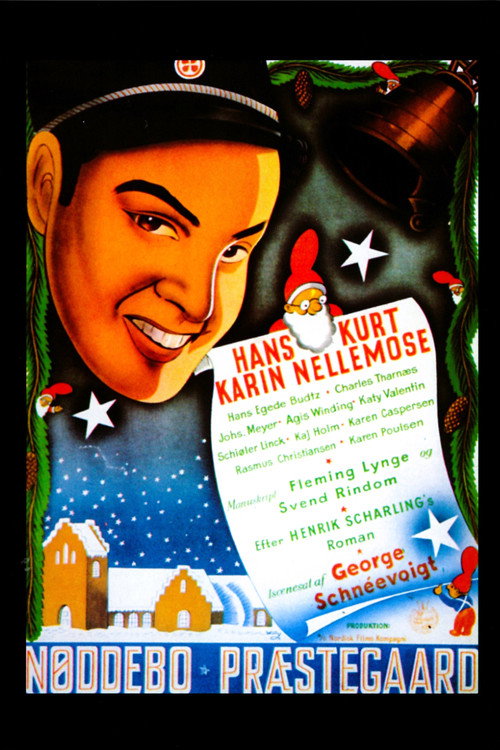
Christmas at an old rectory in the countryside – it's Christmas! And the three student brothers, "Gamle", "Corpus Juris" and Nicolai, are delighted to receive an invitation to spend Christmas with the priest in Nøddebo. The fact that there are also a couple of young daughters in the rectory naturally makes it all even more enjoyable. It's the first time Nicolai has gone along, so he knows nothing about his older brothers' infatuation with the two girls and falls head over heels for them, assuming that they can't handle his charm either. Things don't quite go his way now, because he finds himself pursued everywhere by the anything but pretty Maldrubine, whose warmest interest is the pleasures of the table.
The beautiful and spoiled manufacturer's daughter Helga defiantly bets with her friends whether she can survive a whole year as a working housekeeper without financial help.
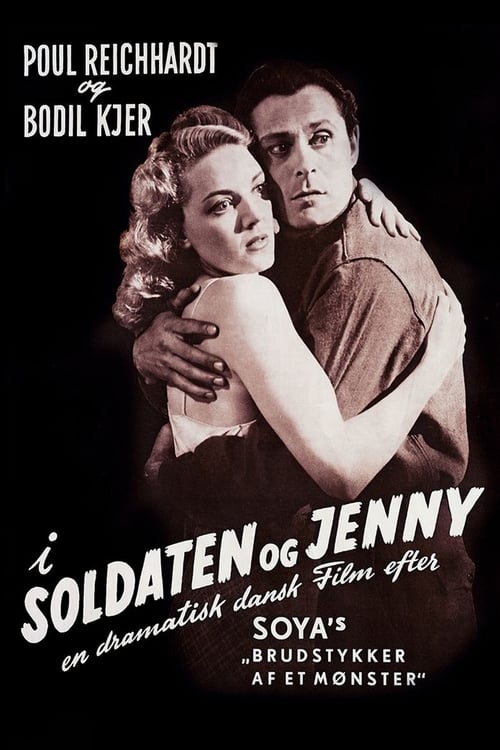
A good natured soldier with a killer right hand falls in love with a beautiful girl who has a troubled past.
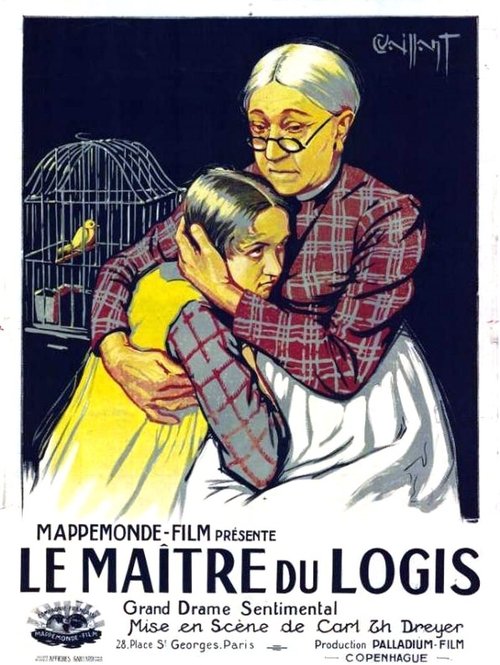
The main character is an orphaned young woman who is about to be married off to an unappealing but rich old man, Mr. Sleeman, at the instigation of her aunts who have taken charge of her. Bergman infuses the situation with overtones of rueful pessimism concerning life in general.
This is a film about how an ordinary man, a restaurateur in a small Danish town and owner of Café Håbet, has his happiness shattered one morning. Restaurateur Christian Christiansen has just prepared for his big trip to visit his only son, who wants to build a house, and now he has to help with a loan, which he can afford. He has saved every penny, and now his son is well on his way and is going to build, not a poor house with a cardboard roof and cheap materials, no, a proper brick villa with red bricks and tiles.
No description available.
Soya's satirist take on variations of Danes, who willingly or unwillingly came to deal with German troops during the five year Second World War occupation.
The film depicts a series of events that take place in a Copenhagen apartment building while the gate is closed, specifically between 10 p.m. and 7 a.m., and we encounter a number of human destinies, happy and unhappy, just as in real life.
Who decides where the cupboard should go in a marriage? The film begins with three cheerful movers, Karl, Fredrik, and Lasse, struggling with a pompous cupboard because an accountant and his wife cannot agree on where it should go. Of course, they eventually agree. Mrs. Accountant is the one who decides. As the three stable brothers drive the moving van away, they run over a young girl. Her name is Lone, and she is the daughter of the accountant they were moving for. She is taken to the hospital with a broken leg. However, love has also entered the picture.
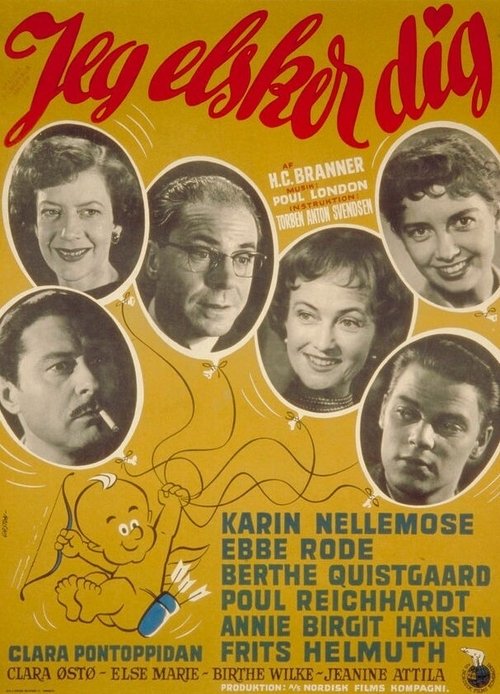
Six people—three couples—meet by chance at a dance restaurant in Copenhagen's nightlife scene. A marriage swindler and former actress, an elderly Supreme Court lawyer and his wife, and a young couple with equal parts courage and erotic repression. As the evening progresses, the empty champagne bottles pile up. Old inhibitions are cast aside and new connections are formed – and none of the six leave as they arrived.
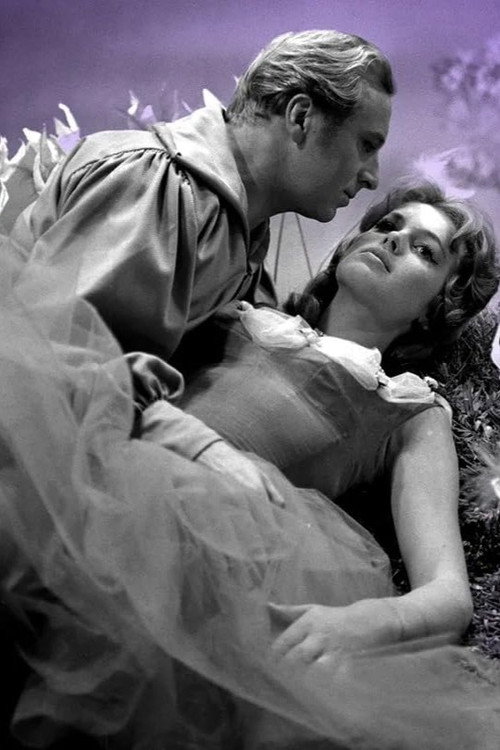
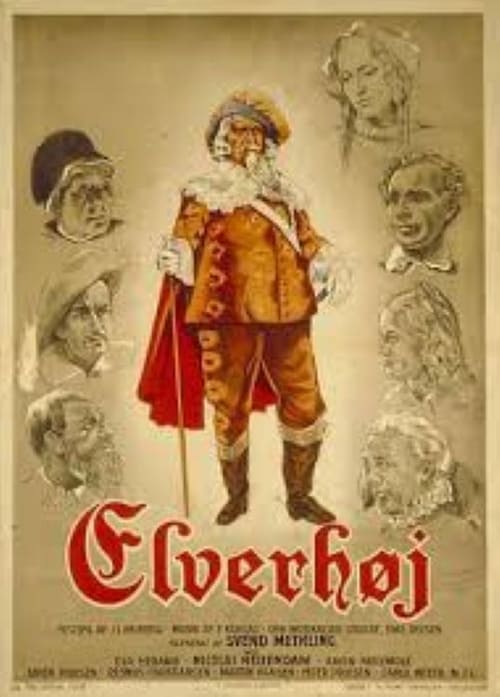
The king's presence, his courtier Poul Flemming, who loves Elisabeth Munk, is to be the king's deputy at the wedding. However, the king hears rumors that the sheriff Albert Ebbesen has often been seen at Elverhøj with an elf girl, and when Ebbesen now arrives, he must explain away his secret meetings with the elf girl to the king.
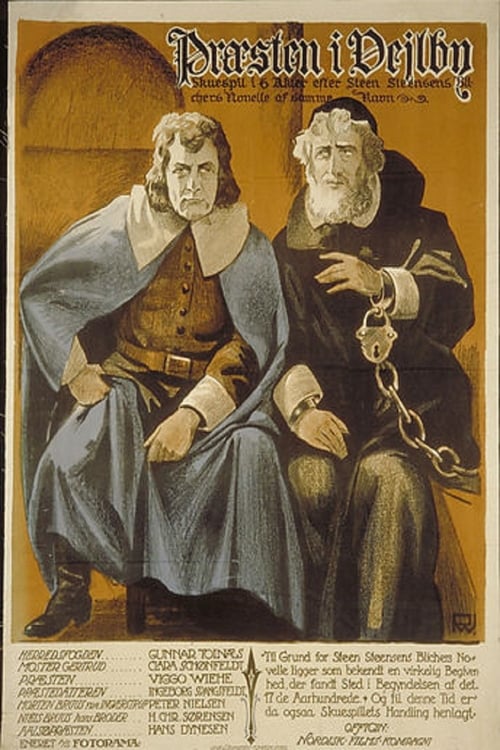
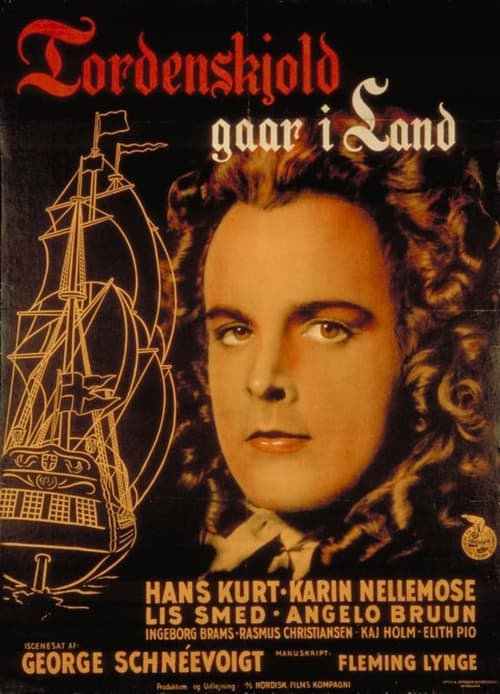
A tale of murder and marriage in 1625 Denmark.