Acting
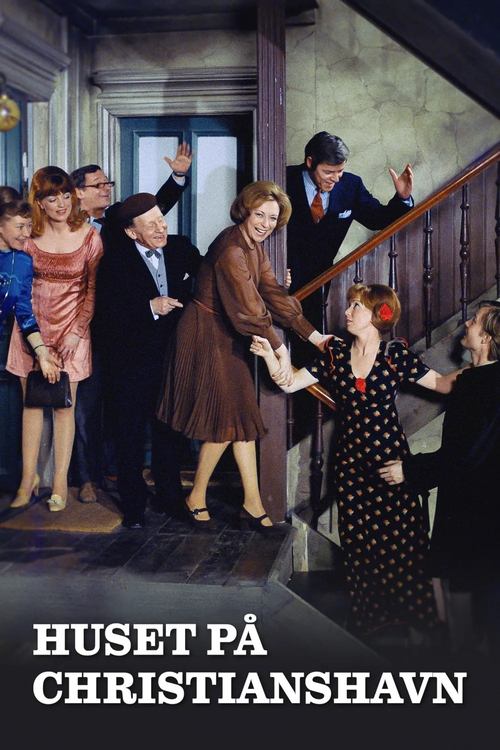
The series follows the residents of an apartment building on Copenhagen's Christianshavn, as they go about their daily lives and challenges. There is Olsen, a mover with an old fashion view of the world, Clausen who runs the local pet shop, Egon the career focused assistant, their wives who work hard to keep their spouses lives together, the young couple Tue and Rikke who recently moved in, the hard working caretaker Meyer, who never puts in to much effort, and of course Emma, the innkeeper of Rottehullet, where all the important decisions are made while running up the bar tab. The series was produced by Nordisk Film for Danmarks Radio TV station between the years 1970-77. The series' first director was Ebbe Langberg, then Erik Balling and Tom Hedegaard respectively. The series was conceived by an author team of well-known Danish authors such Leif Panduro, Benny Andersen, and Lise Nørgaard.
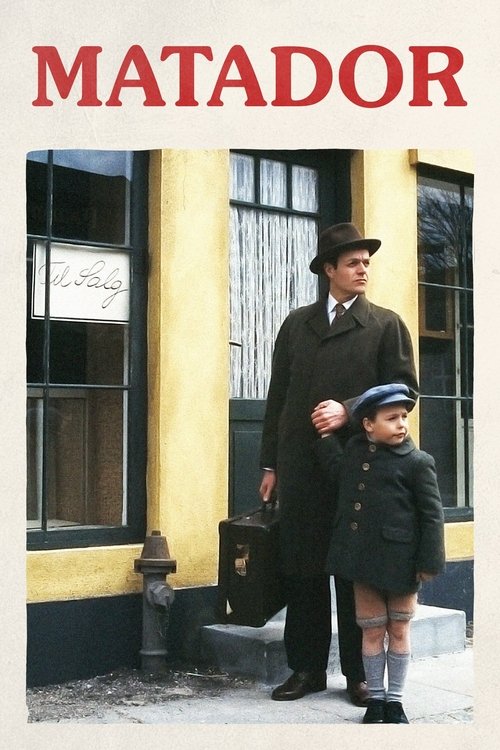
Matador is a Danish TV series produced and shown between 1978 and 1982. It is set in the fictional Danish town of Korsbæk between 1929 and 1947. It follows the lives of a range of characters from across the social spectrum, focusing specifically on the rivalry between the families of two businessmen: The banker Hans Christian Varnæs, an established local worthy, and social climber Mads Skjern, who arrives in town as the series opens. The name Matador was taken from the localised edition of the boardgame Monopoly, also the series' tentative English title. In addition, in contemporary Danish a "matador" is often used to describe a business tycoon, in the series referring to the character of Mads Skjern and his craftiness as a self-made entrepreneur. Directed by famed Danish film maker Erik Balling, Matador was the idea of author Lise Nørgaard who wrote the bulk of the episodes alongside Karen Smith, Jens Louis Petersen and Paul Hammerich. The series is one of the most well-known and popular examples of Danish television and represents the peak of longtime development of Danish TV drama by the public service channel Danmarks Radio. The series has become part of the modern self-understanding of Danes, partly because of its successful mix of melodrama and a distinct warm Danish humour in the depiction of characters, which were portrayed by a wide range of the most popular Danish actors at the time; but also not least because of its accurate portrayal of a turbulent Denmark from around the start of the Great Depression and through Nazi Germany's occupation of Denmark in World War II.
An uptight young man and his equally uptight family moves next door to a hedonistic clan, including the beautiful, sexy Topsy, who charms the new neighbor boy Tom. But Tom discovers that the price of loving Topsy may be higher than he's willing to pay -- she insists on absolute honesty and a life and love without possession or exclusivity.
No description available.
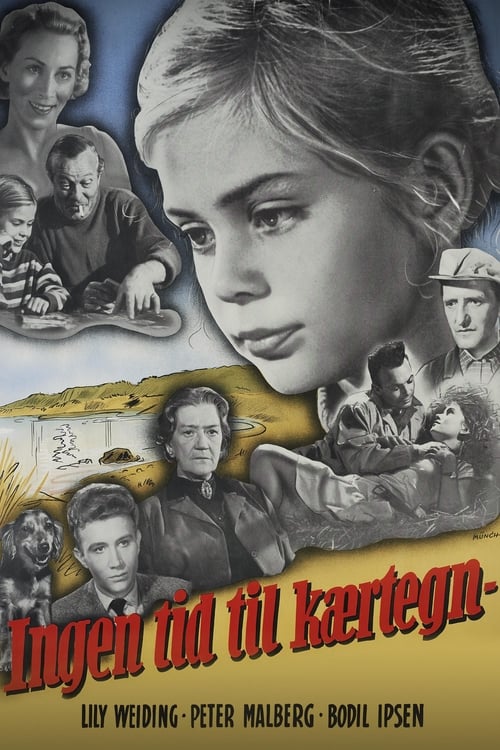
The Danish Ingen tid til Kaertegn (Be Dear to Me) is heavily reliant on the appeal of its star, 8-year-old Eva Cohn. Our heroine is the neglected child of a businessman father and actress mother. Feeling that happiness lies well outside her own backyard, Eva goes on a search for that happiness. The longer she stays away, the more her parents realize that they've unfairly ignored her. The plot is nothing new: it's what is done with it that pleases the eye and ear. Ingen tid til Kaertegn was one of the more popular entries in the 1957 Berlin Film Festival.
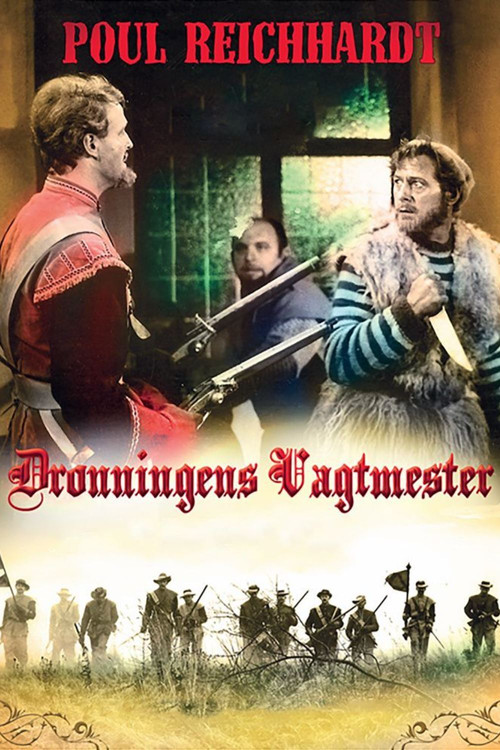
When the Swedes occupy a Danish manor house, Svend Poulsen decides to help the family to safety. Along the way, Ib is taken prisoner. Svend Poulsen and his gang pretend to be a platoon of Swedish soldiers arriving at the castle where Ib is chained to the roof. During dinner that evening, the Swedish commander becomes suspicious, and soon the soldiers are fighting each other. However, Svend manages to free Ib.
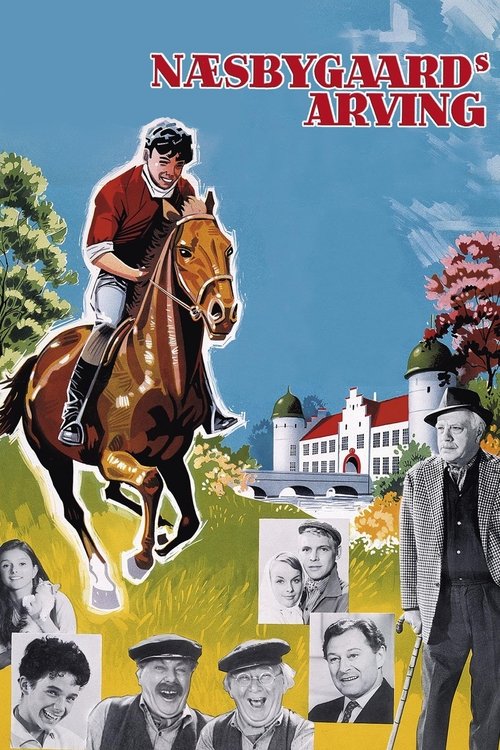
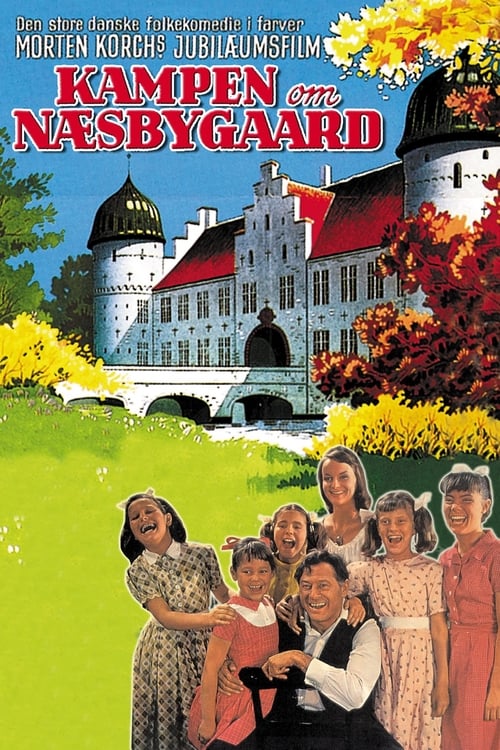
Landowner Martin Kaas lives with his grandson Martin at Næsbygård. Martin is an avid horseman. One day, his horse loses a shoe, so Martin goes to see the village blacksmith Mortensen, where he meets the blacksmith's foster daughter Elise. The blacksmith is known to be an honest and religious man, but no one but Elise knows how brutal and cruel he really is. Elise discovers that her foster father, together with the estate's manager Hermansen, is involved in many shady deals that are not in the best interests of the estate. Martin, who often feels lonely, forms a warm friendship with Elise. One day, Martin disappears, and a letter left on his bed reveals that he has been kidnapped and that only a large ransom can bring the boy back.
Police constable Møller'og psychiatrist Dr. Mogensen will have something to watch as the Pusle to everyone's surprise finds out that she can do magic. On her birthday she gets sent an ancient, magical figure from her uncle in South America. On the same day Pusle's parents has to travel to London, and the large family is now left to strict aunt Alma.
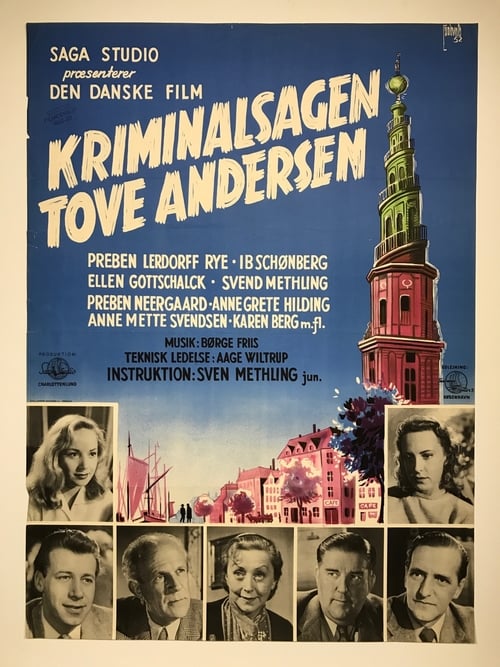
Tove Andersen's problem ends in Christianshavn's moat, and this is where the film begins. The body has a noose around its neck. The homicide division is called in, and it turns out that shortly before her death, she had undergone an illegal operation. An unscrupulous womanizer had abandoned the young student from the countryside when the relationship had consequences. The doctor rejects her after a beautiful lecture on the sanctity of life, and she must therefore rely on "private" help.
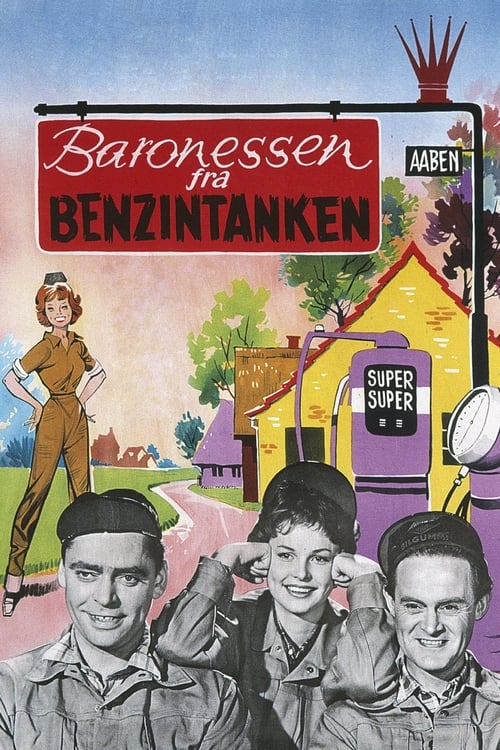
The film begins with Baron von Rosensteen's funeral. As Rosensteen has no heirs, the old Rosensteen Castle is to be inherited by the Rabenfeldt family. Supreme Court Attorney Berg visits the widow baroness about a document found among the papers of her son, the deceased baron. It turns out that the baron had a child out of wedlock with a non-noble woman. The widow baroness and the Supreme Court attorney decide to find the child, as this would mean that an heir to the castle had been found. The child turns out to be a girl named Anne Tofte, who works at a gas station with her uncle Lars Tofte and his colleague Hans Høy. They persuade Anne to live with the baroness for a while, which she is not very keen on. The widow tries to teach Anne to be a fine lady, rather than the tomboyish workshop mechanic her uncle had raised her to be.
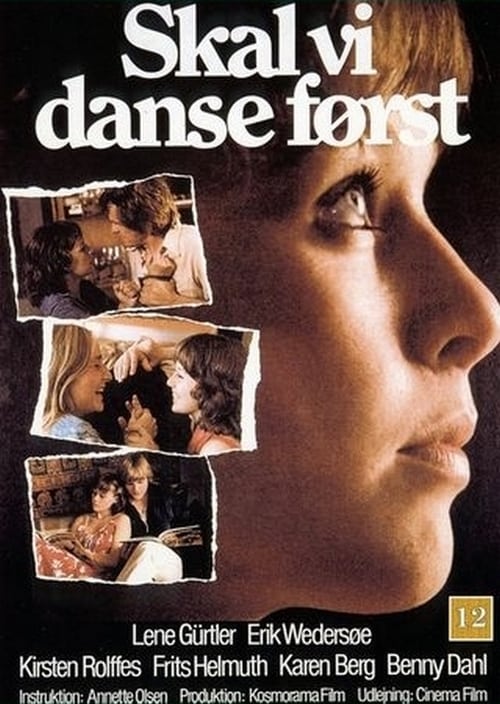
About sixteen-year-old Susanne and her relationship with her parents and friends. To make her friend Peter jealous, she flirts heavily with a forty-year-old silversmith from the sailing club where she works.
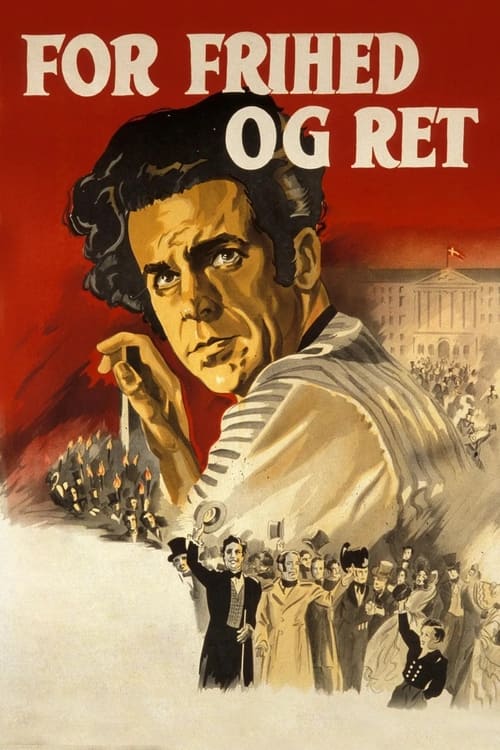
A picture of the life of the Danish people from the late 1820s to the introduction of the free constitution in 1849. A fictional character, Rasmus Nielsen, travels around the country, first as a traveling teacher, later in other positions, and through his experiences we are introduced to the conditions of various population groups. The central figure in the portrayal of historical figures is the politician Orla Lehmann.
We follow two randomly selected destinies: two young girls whose data could have been taken straight from the police files, which contain so many human documents—many sad, but also many joyful, because a large proportion of those who were initially weak and frivolous are saved from the temptations of the big city.
The only daughter of an old landowner has died in Italy after leaving her family 15 years ago. Her son now returns home to Denmark. He threatens the landowner's nephew for his inheritance, prompting the nephew to devise several plans to discredit the boy in the eyes of his grandfather. The plans almost succeed, but thanks to help from the priest, among others, the story ends with a reconciliation between the grandson and his grandfather.
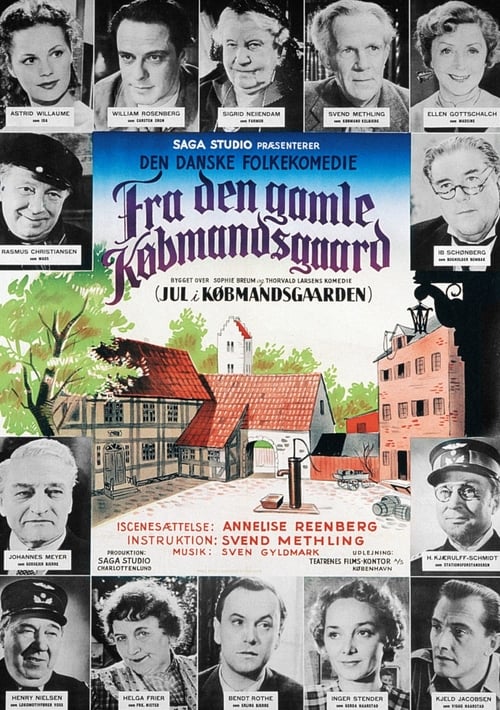
Two rival young men both desire the merchant's pretty daughter, a bad young man robs the merchant's safe and blames it on "mother-in-law's dream", a worldly-wise grandmother directs the battle of love from her living room, and a couple of silly railway workers spread song and joy.
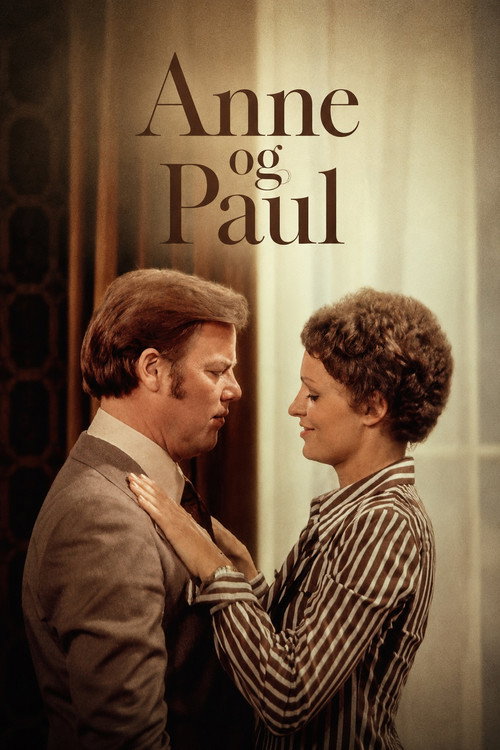
Paul is a calm and sympathetic lawyer who senses from the outset that his wife Anne has found herself a boyfriend. But he doesn't say anything—not until she says something.
Old Corfitz and his young wife are plagued by all the visitors who fill their house to wish them luck. But the worst thing for Corfitz is the uncertainty: Is he the father of the child? TV version of Ludvig Holberg's comedy from 1723.