
Mauricio Sánchez Arias
Camera
Biography
Mauricio Sánchez Arias is an experimental filmmaker and cinematographer based in Mexico City. He graduated from ENAC-UNAM with a specialty in cinematography. While he works primarily as a cinematographer and colorist, he is also devoted to teaching, promoting as well as implementing horizontal and eco-friendly business schemes within the film industry.
Known For
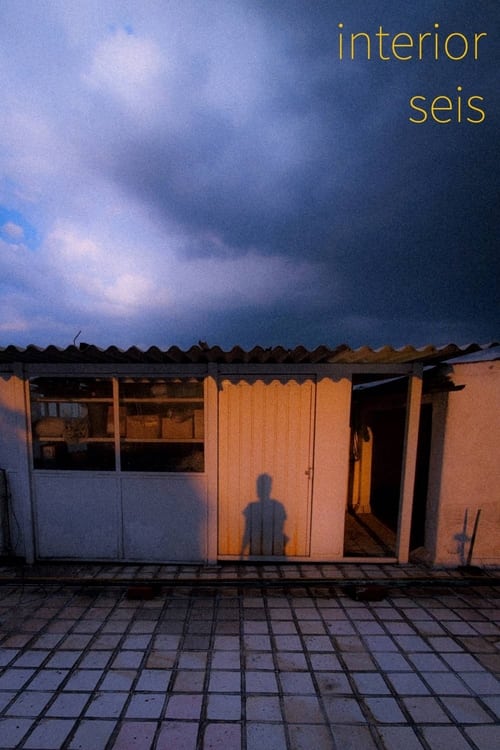
In an evicted apartment, a ghost-like presence remembers its luminous past and its progression towards its current state of decay. It yearns to be what it once was.
Interior Six

Biosphere 2 is a unique space, the home of a rainforest, a river, and even an ocean; here mother nature is born from human hands, machines and transparent walls. People have accompanied and cared for her; Isabel and Steve are two of them.
B2

Chanting saved Domitila from a deadly fever. From that moment on, she started using her voice as a spiritual bridge to pray for the souls of the dead in her native town: San Miguel Pocitos, Puebla.
VII Domitilas

Cecilia tries to follow her normal routine. She goes to classes; however, she decides to go somewhere else. She tries to work on a project but fails. Javier, a friend of Cecilia, invites her to a party. Cecilia agrees to go to distract herself and feel better. Something bad happens, and Cecilia needs to stop it.
Men Do Not Sham Convulsion
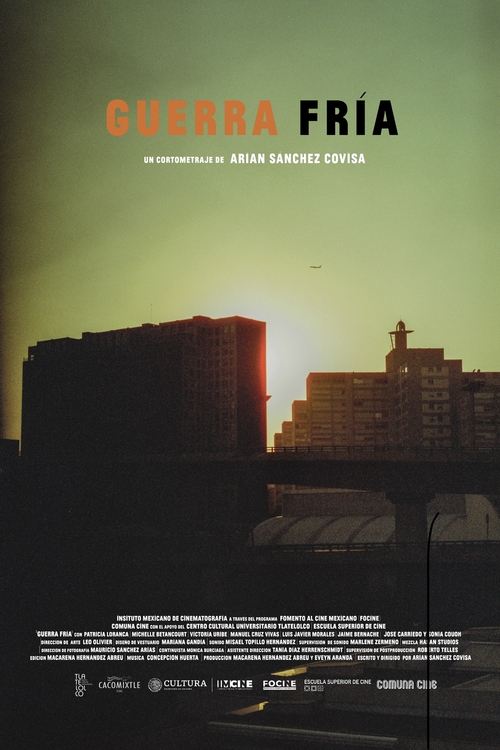
October 2nd, 1968. Ana witnesses the cold blood killing of Fernanda, her best friend, by an undercover soldier. After surviving the shooting she decides to avenge her friend. Everything unfolds between imaginary time leaps between 1968 and the current era.
Cold War
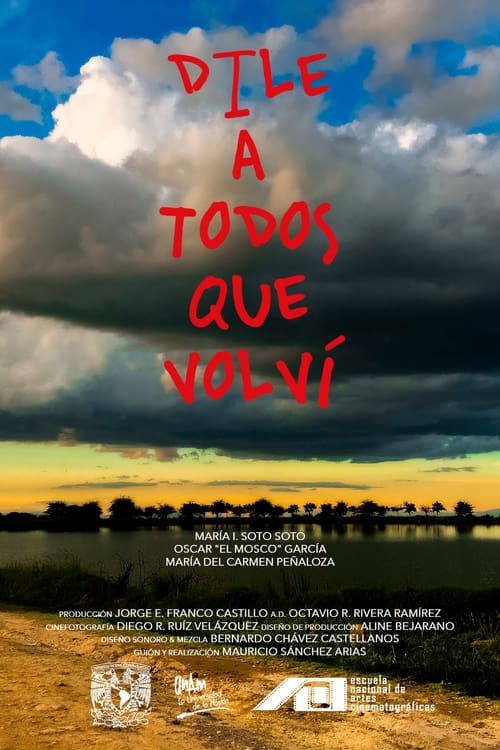
After several years of being away Oscar returns to his hometown wanting to relive the past. What he longs for is an impossibility, the town of his memories only exists within him. Things have changed drastically, and old relationships have withered.
Tell everybody I'm back in town

No description available.
El pozo
After the opening of the fuel market in Mexico, foreign gas stations began to occupy public spaces with a presence as discreet as it was unstoppable, altering the everyday landscape without appearing to change daily life. Inspired by Edward Ruscha's photographic work "Twentysix gasoline stations," this fragmented narrative transforms the mundane and commonplace into a reflection on the silent economic expansion of international powers.
Tiempo de Híbridos o Twenty-Six New Gasoline Stations in Mexico
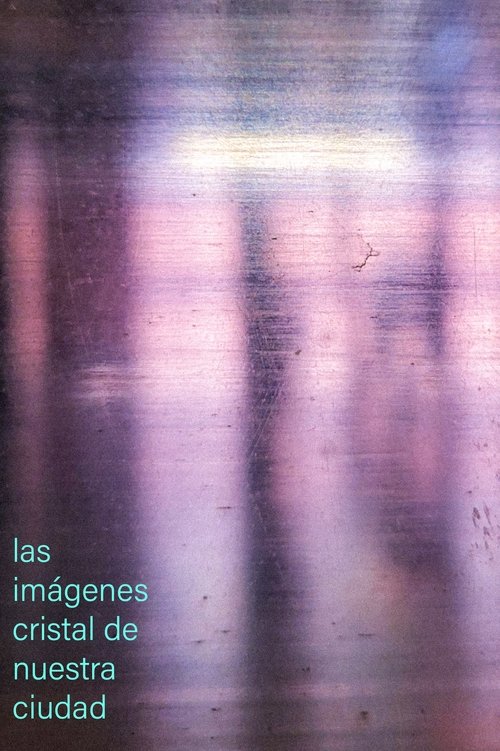
When jacarandas bloom, the city of endless translations turns purple. The dreams of its inhabitants motivate movement. During midday, sunbeams unveil underground secrets. Overwhelmed by the complexities of the city, she dreams of being in a remote place.
The Crystal Images of Our City
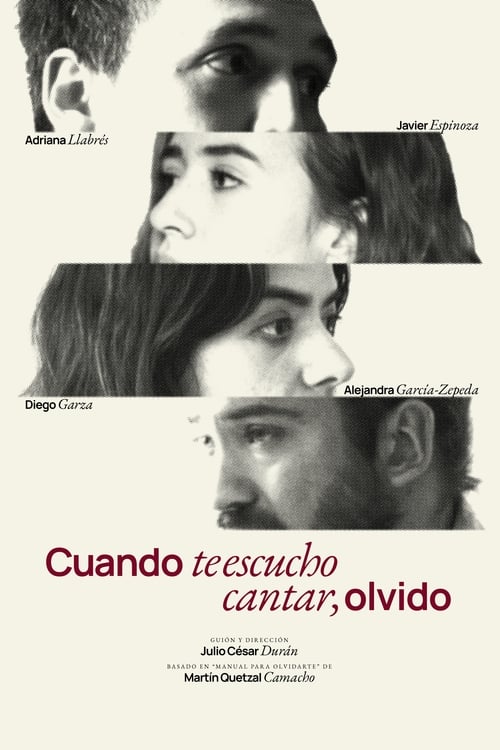
This short film is a captivating mix of emotions, genres, and tones, deliberating on love in the age of social media. Within the chaos that daily life supposes, the paths of two couples merge during an afternoon, embarking on a narrative and style hybrid that puts the need to love and the fear of commitment on the table. Memories, friendship, and disappointment converge in the drama of four millennials, forming a labyrinthine exploration of love.
When I Hear You Sing, I Forget
Han pasado 8 años desde que Marco se fue. Carmelita y don Toño, los padres de Marco, viven el día a día añorando el reencuentro con su hijo. Se mantienen en contacto mediante un smartphone que Marco les regaló. It's been 8 years since Marco left. Carmelita and Don Toño, Marco's parents, live life on an everyday basis longing to be reunited with their son. They stay in touch through a smartphone he presented them.
gaps

A girl takes photos during a student march and then wanders the streets while trying unsuccessfully to communicate with her parents who live in another city. Her mother is very ill and despite the pain she feels from being separated, the girl must cope with the day to day.
Todo lo que nos falta

Through the reappropriation of stock footage, Daniela and Mauricio reflect on the impossibility to construct themselves from images that since their childhood, have been imposed and validate ways of living that today are unsustainable. In addition to pointing out these impositions, Evicted verticality proposes to dismantle archaic models to restructure the realities that we know.