Dídio Pestana
Directing
Known For
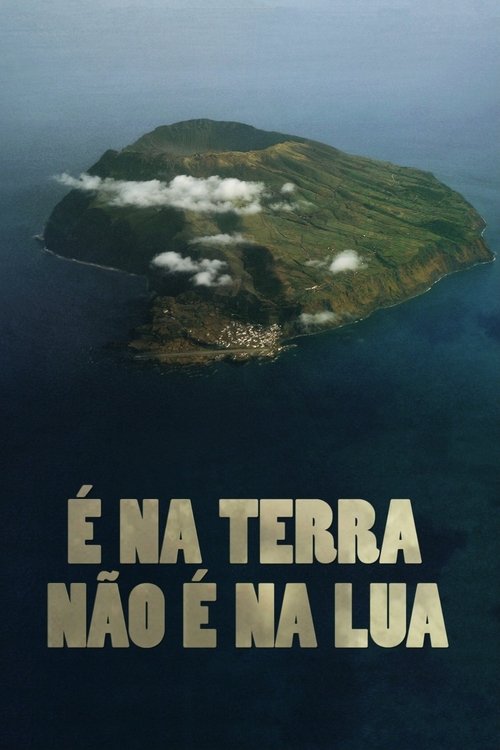
A cameraman and a soundman arrive in Corvo in 2007, the smallest island in the archipelago of the Azores. Right in the middle of the Atlantic Ocean, Corvo is a large rock, 6km high and 4km long, with the crater of a volcano and a single tiny village of 440 people. Gradually, this small filming crew is accepted by the island’s population as its new inhabitants, two people to add to a civilization almost 500 years old, whose history is hardly discernible, such is the lack of records and written memories. Shot at a vertiginous pace throughout a few years, self‐produced between arrivals, departures and coming‐backs, “It’s the Earth not the Moon” develops as the logbook of a ship, and turns out as a patchwork of discoveries and experiences, which follow the contemporary life of a civilization isolated in the middle of the sea. A long atlantic film‐odissey, divided in 14 chapters, that combines anthropological records, literature, lost archives, mythological and autobiographical stories.
It's the Earth Not the Moon
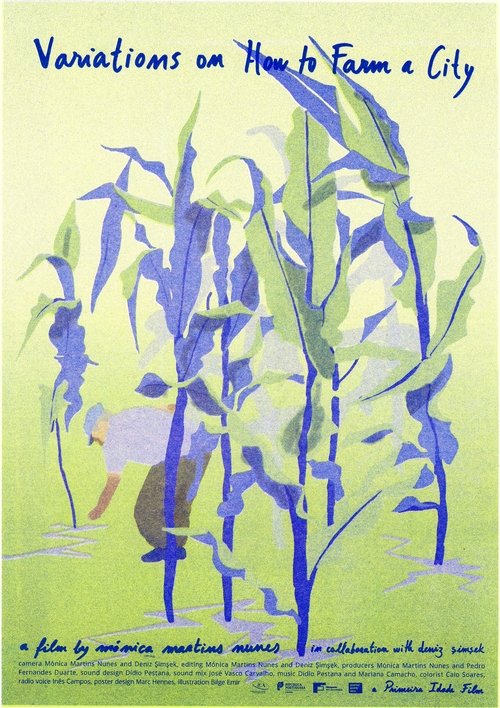
Sprout. In the vacant lots against the hammering of buildings always under construction, between walls of granite, cement and sheet metal with rust, moss and cats; on the hillside between the train and the river, next to the traffic on the highway, facing the subway, vegetable gardens sprout. In this city, the choreography of ancient gestures of cultivating the land is repeated day after day, without fail. Sowing, digging, harvesting, watering, eating, talking, resting and returning the next day. The longest day of the year brings S. João and nobody goes to bed, but when the sun rises, the discreet gestures of resistance will restart.
Variations on How to Farm a City
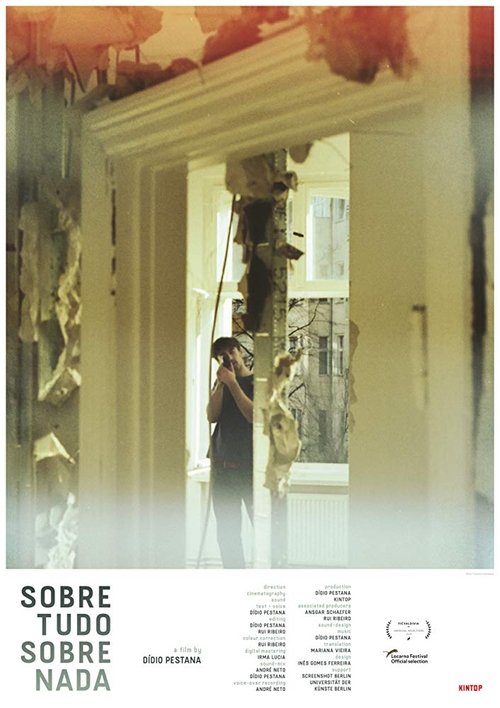
Loves are found and lost. Families disappear and start. Houses, denouements, solitude, friendship. All that we keep, and all that we leave behind. Shot on Super 8 film between 2010 and 2018 in Portugal, Germany, Denmark, Switzerland, Italy, Guinea-Bissau, Argentina, Bolivia, Peru and Chile, ANYTHING AND ALL records the author’s memories as the days return to normal and emotions start to weaken, exploring the little ceremonies and other manias we indulge to remember our story.
Anything and All
"Conakry" is a homage to the Guinean-Bissauan and Cape Verdean anti-colonial leader Amílcar Cabral. This poetic film is a single shot 16mm film staged at the Haus der Kulturen der Welt in Berlin and based on the archival images. The film-maker Filipa César, invited the Portuguese writer and artist Grada Kilomba and the American radio activist Diana McCarty to reflect on the images and their history, questioning what these film archive mean in a post-African liberation world.
Conakry
Director Gonçalo Tocha and sound engineer Didio Pestana continue portraying different parts of Portugal, as they did in his previous film, "It's the Earth, not the Moon" (2011). Now the filmmakers travel to Guimarães, considered the cradle of the nation, and recently named European Capital of Culture. The film focuses on the architectural and urban changes the city has undergone over time, especially the emblematic Plaza Guimaraes, classified by UNESCO as a World Heritage Site. From interviews, the filmmakers trace the influence of these changes in the daily lives of the people
Towers & Comets
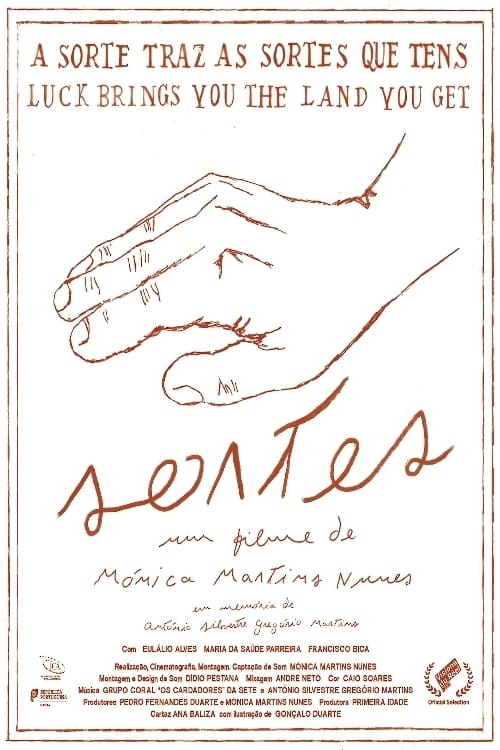
Beneath the harvest sun and the cicada song, Mónica Martins Nunes builds a touching portrait of Serra de Serpa, an arid region in the south of Portugal affected by rural exodus. The poems sung by the shepherds and market traders resonate like the last gesture of a human landscape which resists sinking into oblivion.
Sortes
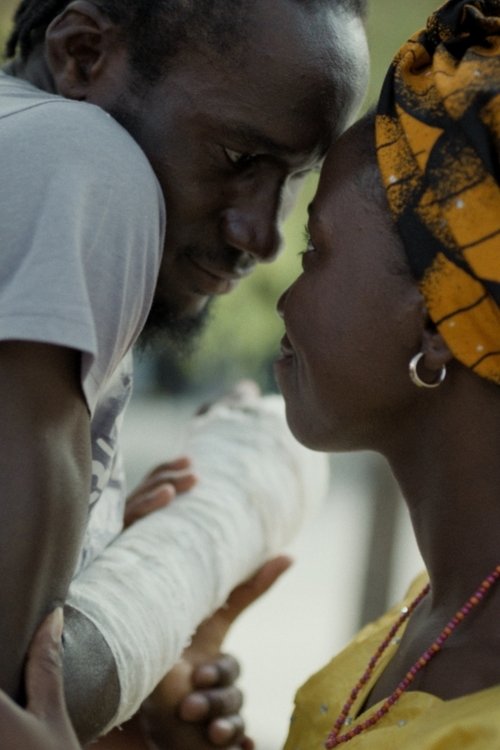
In this love story, a young couple faces an uncertain future between Africa and Europe. When they reunite in Lisbon, sharing a house with other immigrants, farness and closeness will test their relationship.
Sabura
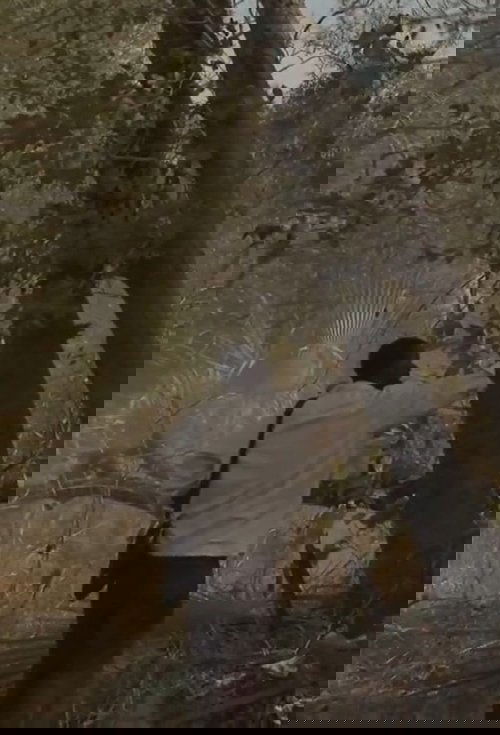
Filipa César, in her films and installations, explores the post-colonial constellations that were spawned by the recent history of Portugal. Since 2011, her research is focused on the film production in Guinea-Bissau, the beginnings of which were closely linked to the struggle for liberation. In February 2014, in Birbam, about three hours north of the capital Bissau, for the period of three weeks she has been documenting, together with the filmmaker Suleimane Biai, the construction of a house that will serve the surrounding villages as a meeting space. Alongside his work as a filmmaker, Suleimane Biai is the régulo in this region and hence has assumed the duties of the head and conciliator of the community.
Regulado

The search for La Flor de Irupé, a lost film by Guillermo Zúñiga, a Spanish pioneer of scientific filmmaking who was exiled in Argentina after the Spanish Civil War, triggers a journey into family histories and national archives.