Directing
KVN is a Russian humour TV show and competition where teams compete by giving funny answers to questions and showing prepared sketches. The programme was first aired by the First Soviet Channel on November 8, 1961. Eleven years later, in 1972, when few programmes were being broadcast live, Soviet censors found the students' impromptu jokes offensive and anti-Soviet and banned KVN. The show was revived fourteen years later during the Perestroika era in 1986, with Alexander Maslyakov as its host. It is one of the longest-running TV programmes on Russian Television. It also has its own holiday on November 8, the birthday of the game, which KVN players celebrate every year since it was announced and widely celebrated for the first time in 2001.
Every week Pavel Volya, together with invited guests — stars and ordinary people — will sum up the past week in the best traditions of TNT. Viewers will be treated to a discussion of the most interesting events of the past week, interactive events with celebrities, absurd contests, unexpected musical experiments and much more.
No description available.
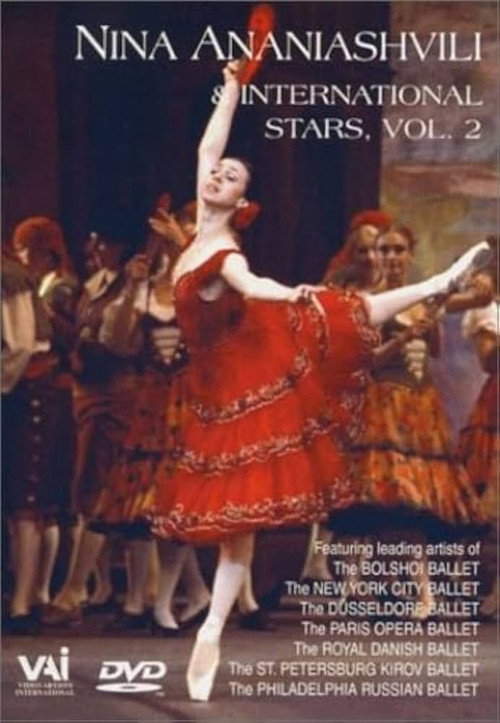
The Petrushka Ballet with the Bolshoi Ballet with Nina Ananiashvili.
Having been captured, an Afghan officer decided not to return to his homeland. He settled in Finland, met Rita, a tourist from St. Petersburg, and lost his peace. Everything was against him: his beloved was older than him, had a sick son, the doctor treating his son loved her, and he himself, on top of everything else, was the son of this doctor...
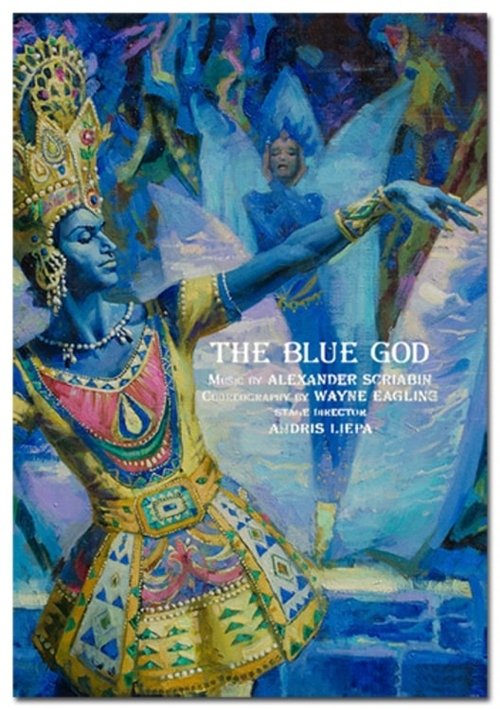
The Maris Liepa Charitable Foundation presents the one-act ballet "The Blue God" from Sergei Diaghilev's "Russian Seasons". A girl saves a young man from becoming a monk with the help of the Lotus Goddess and the Blue God. Despite his participation in the main roles of Nijinsky and Karsavina, "The Blue God" in 1912 failed in Diaghilev's entreprise, as it was set to the faded music of Reynaldo Khan. Andris Liepa replaced it with Alexander Scriabin's "Divine Poem", and Mikhail Fokin's unreleased choreography with a modern interpretation by Englishman Wen Eagling, but theater-goers and critics considered the new production a failure, while noting the outstanding work of artist Anna Nezhnaya in restoring costumes and decorations. Recording of a performance at the Latvian National Opera (Riga).
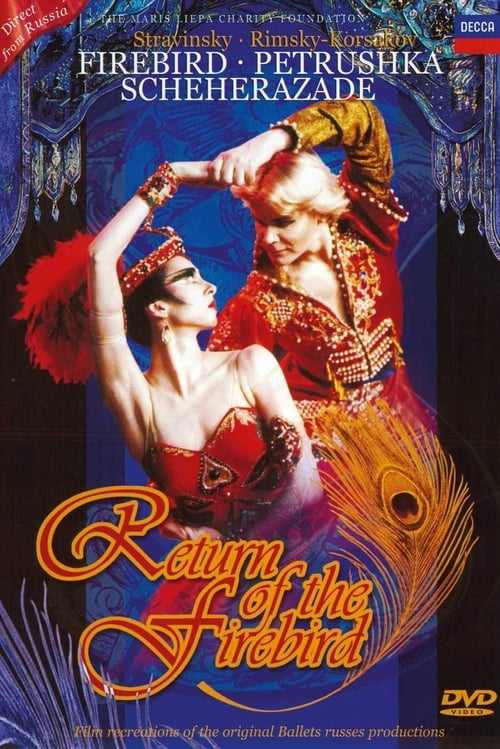
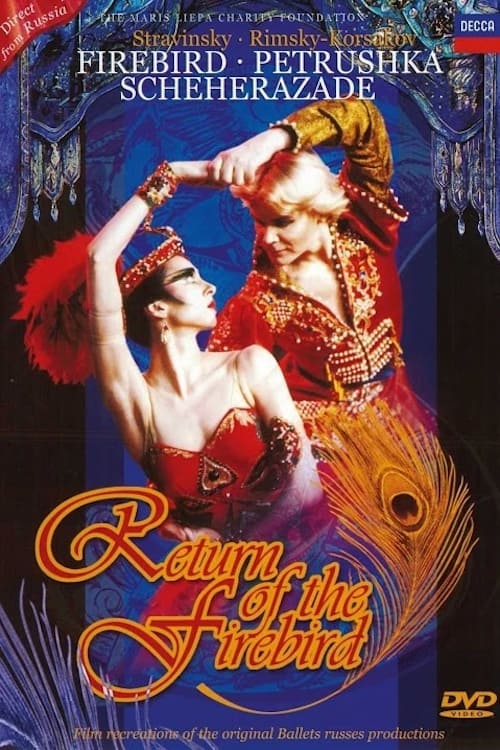
A dazzling film version of three favourite ballets from the Diaghilev Ballets Russes seasons in Paris.
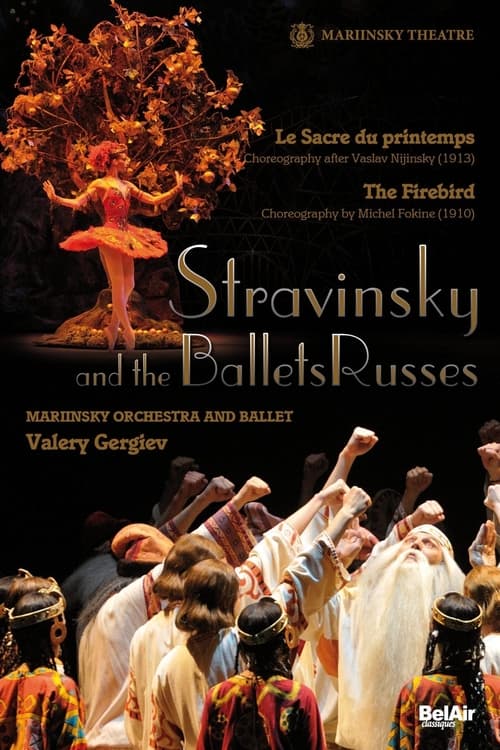
Starvinsky's ballets The Firebird and The Rite of Spring in the restored original choresography by Michel Fokine (Firebird) and Vaslav Nijinsky (Rite of Spring).