Jesse Kreitzer
Writing
Biography
Jesse Kreitzer is a Vermont-based filmmaker whose narrative and documentary work explores rural life, folk cultures, and traditions. His films have screened at galleries, museums, and festivals, including the National Gallery of Art, the Museum of the Moving Image, Biografilm, Raindance, Rooftop Films, Camden, and Oldenburg. Kreitzer received his MFA in Cinema and Comparative Literature from the University of Iowa and a BA in Visual & Media Arts from Emerson College. He has received production support from the LEF Foundation, Kodak, AARP, National Arts Strategies, the Massachusetts Cultural Council, and the Vermont Arts Council with funding from the National Endowment for the Arts.
Known For

In rural Vermont, aging sugarmakers honor a centuries-old tradition in this powerful meditation on family legacy, loss, and resilience. Through seven distinct portraits, the film forms a rich tapestry of stories about how we spend our time on this earth—and what we leave behind.
Sugarhouse

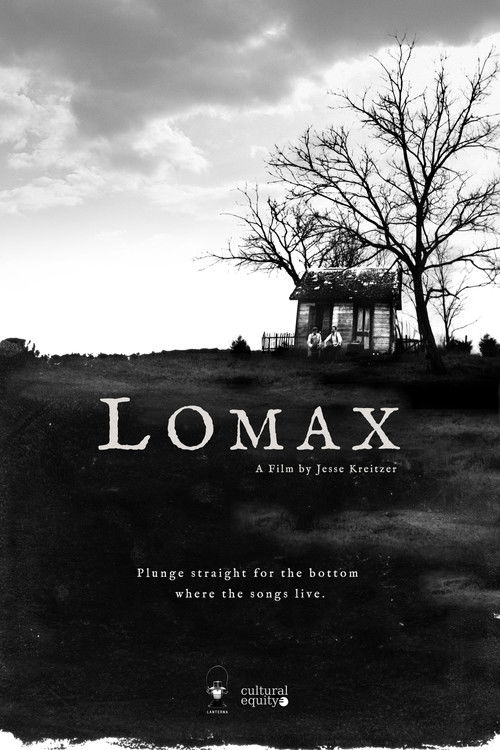
In 1941, folklorist Alan Lomax traveled from the Library of Congress to the Mississippi Delta to record an oral history of the blues. Equipped with 500 pounds of audio equipment powered by his car battery, he ventured across nameless roads to discover the most beautiful and harrowing songs ever sung.
Lomax

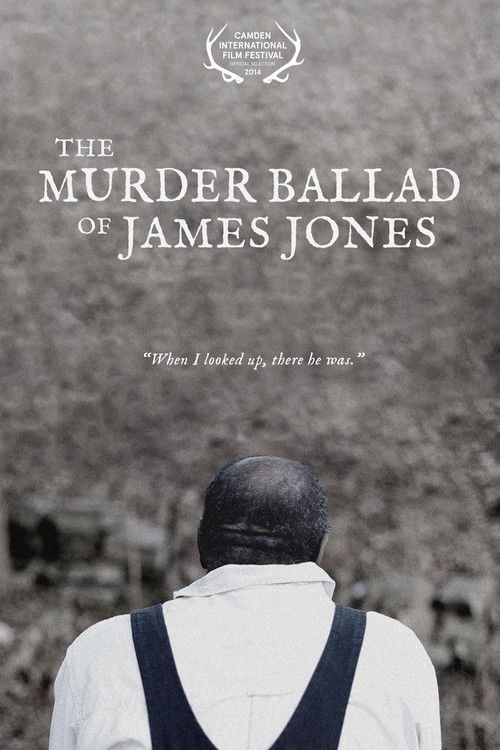
In 1993, Chicago bluesman and Howlin' Wolf protégé James "Tail Dragger" Jones murdered fellow musician "Boston Blackie" during an on-stage performance. Twenty years later, James engraved his confession onto an acetate record.
The Murder Ballad of James Jones

In Central Africa, a young domestic worker waits for God to intervene.
Diena

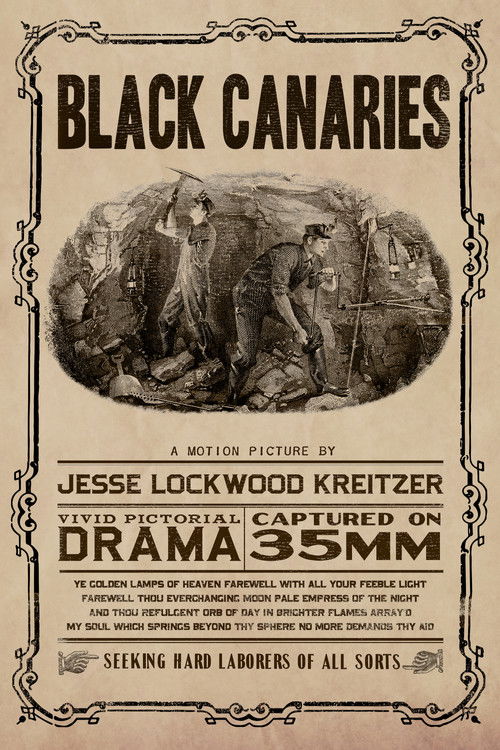
Isolated, desperate, and haunted by his coal-stained birthright, Father continues his daily descent into the accursed Maple mine— even after it has crippled his ancestors and blinded his youngest son. Set in 1907 and based on director Jesse Kreitzer’s own coal mining heritage, Black Canaries is a powerful meditation on patrimony, loyalty, and love.